Narrative Framework and Thematic Exploration of Nostalgia
The central conflict of Midnight in Paris revolves around "Golden Age Thinking," a term used in the film to describe the erroneous belief that a different time period is superior to the one in which an individual lives. Gil Pender, portrayed by Owen Wilson, is enamored with the Paris of the 1920s, an era defined by artistic innovation and intellectual fervor. His fiancé, Inez, and her pedantic friend Paul, represent the pragmatic and often cynical reality of the present.
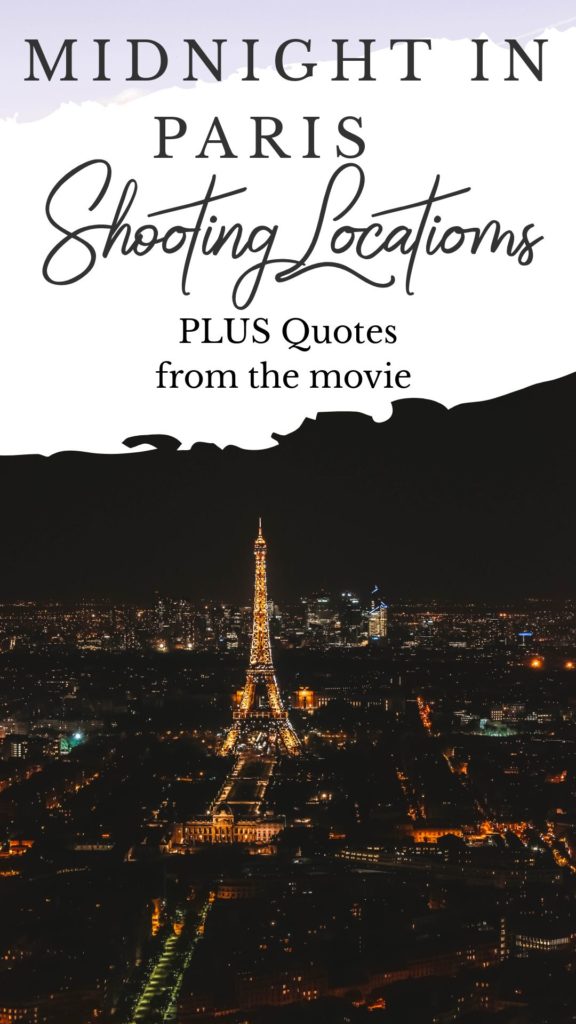
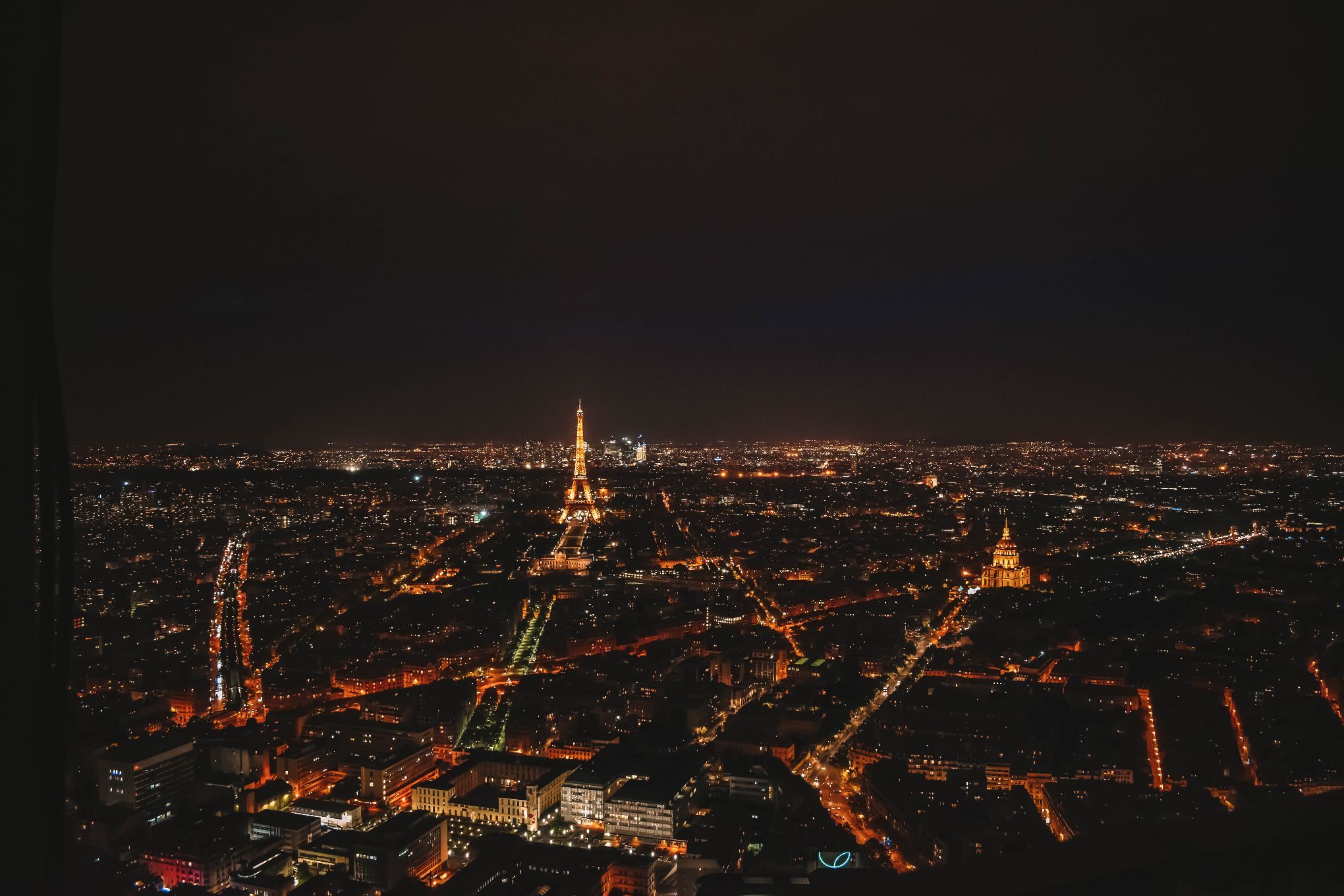
The film’s opening montage, set to Sidney Bechet’s "Si Tu Vois Ma Mère," establishes the city as the primary protagonist. By showcasing Paris in various states—sunlight, twilight, and rain—the cinematography by Darius Khondji captures the "essence" of the city that has inspired writers and painters for centuries. This visual introduction sets the stage for a story that argues that while nostalgia can provide artistic inspiration, the "present is a little unsatisfying because life is a little unsatisfying."
Chronology of Production and Historical Context
The production of Midnight in Paris began in July 2010. It was the first of Woody Allen’s films to be shot entirely in France, following a series of productions in London and Barcelona. The film premiered at the 64th Cannes Film Festival in May 2011 and went on to become Allen’s highest-grossing film in North America, earning over $151 million worldwide.
Historically, the film draws heavily from the real-life experiences of American expatriates in Paris following World War I. This period saw a convergence of talent including Ernest Hemingway, F. Scott Fitzgerald, Gertrude Stein, and Pablo Picasso. The film’s script, which won the Academy Award for Best Original Screenplay, is noted for its historical accuracy regarding the personalities and social circles of these figures, many of whom frequented the very locations used in the film.
Key Filming Locations and Architectural Heritage
The filming locations of Midnight in Paris span the city and its outskirts, offering a comprehensive look at French architectural and horticultural history.
Giverny: Monet’s Garden
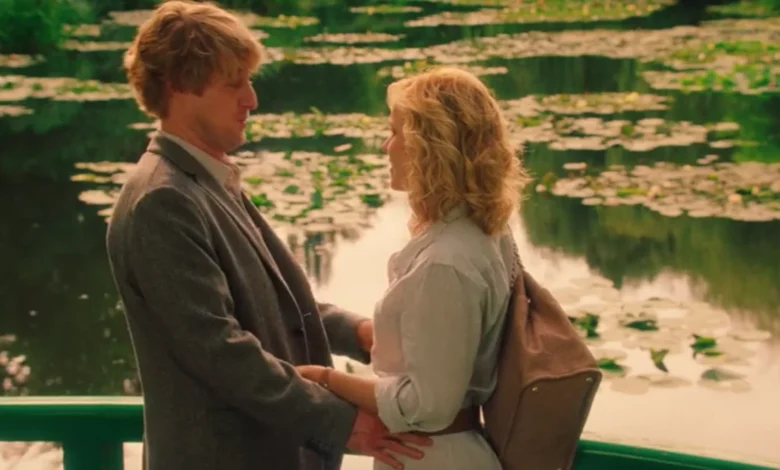
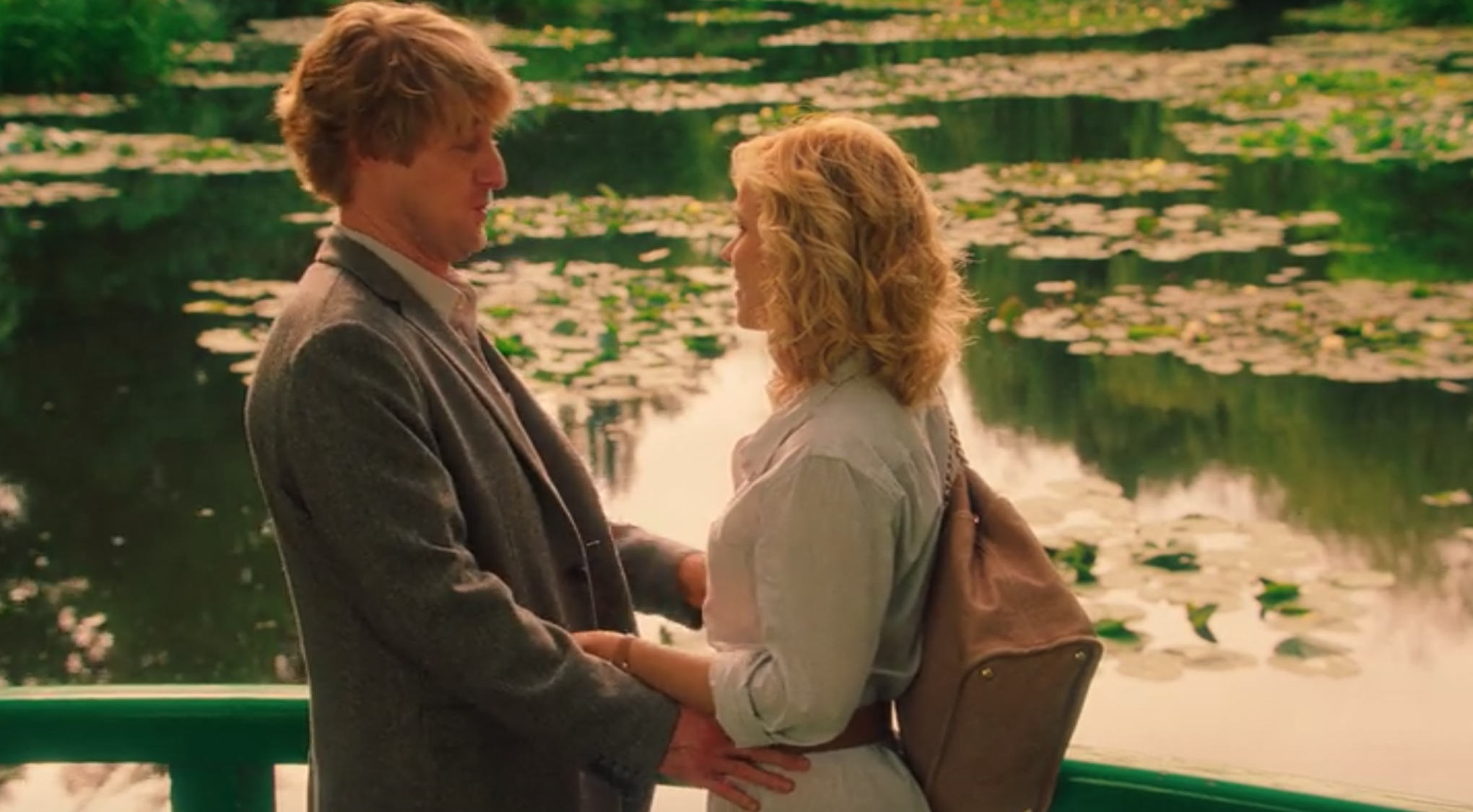
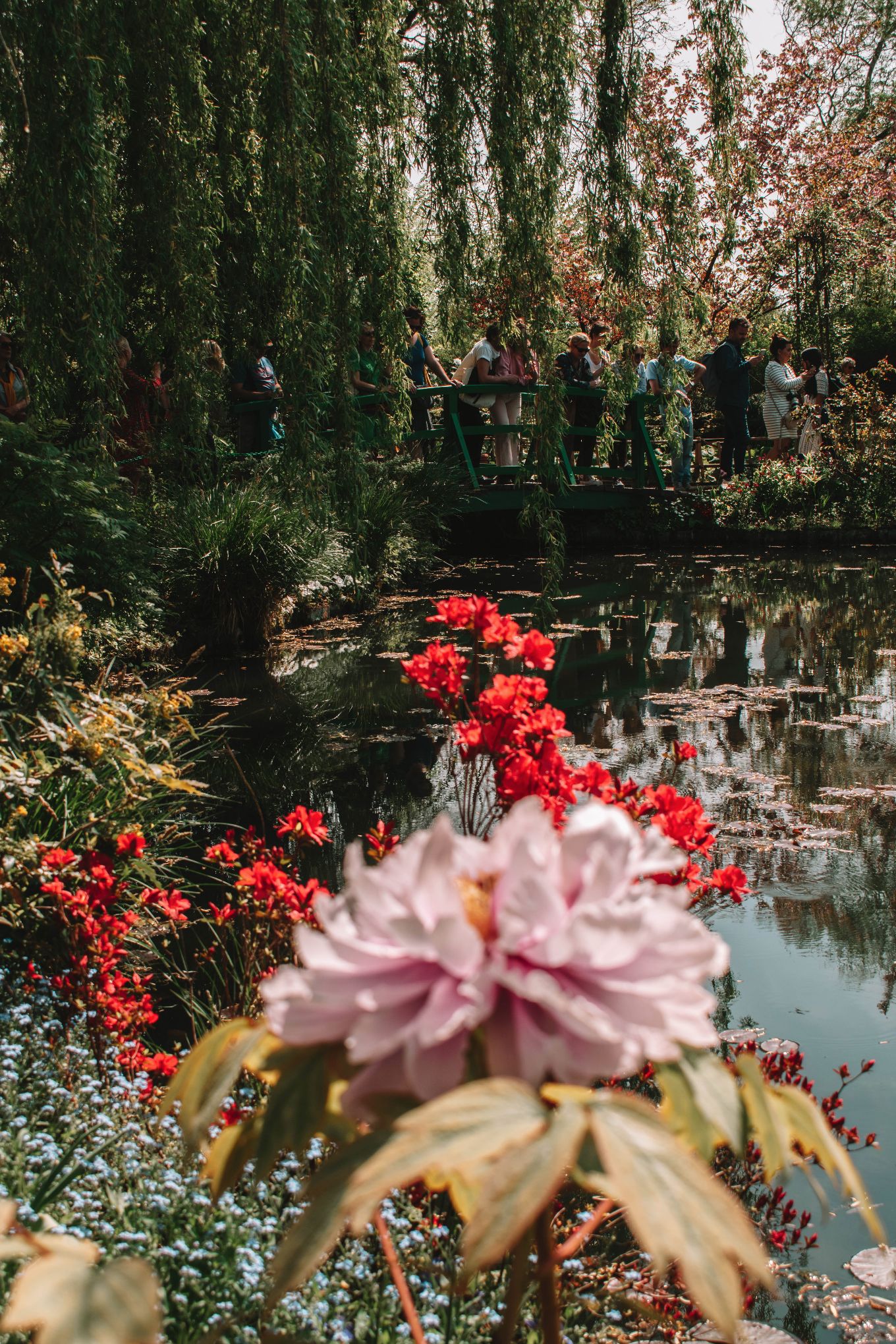
The film opens with Gil and Inez standing on the iconic Japanese bridge in Claude Monet’s water garden at Giverny. Located approximately 80 kilometers from Paris, this site was the inspiration for Monet’s Nymphéas (Water Lilies) series. The garden is divided into two parts: a flower garden called Clos Normand and a Japanese-inspired water garden. The inclusion of Giverny establishes Gil’s romanticized view of French art history.
The Palace of Versailles
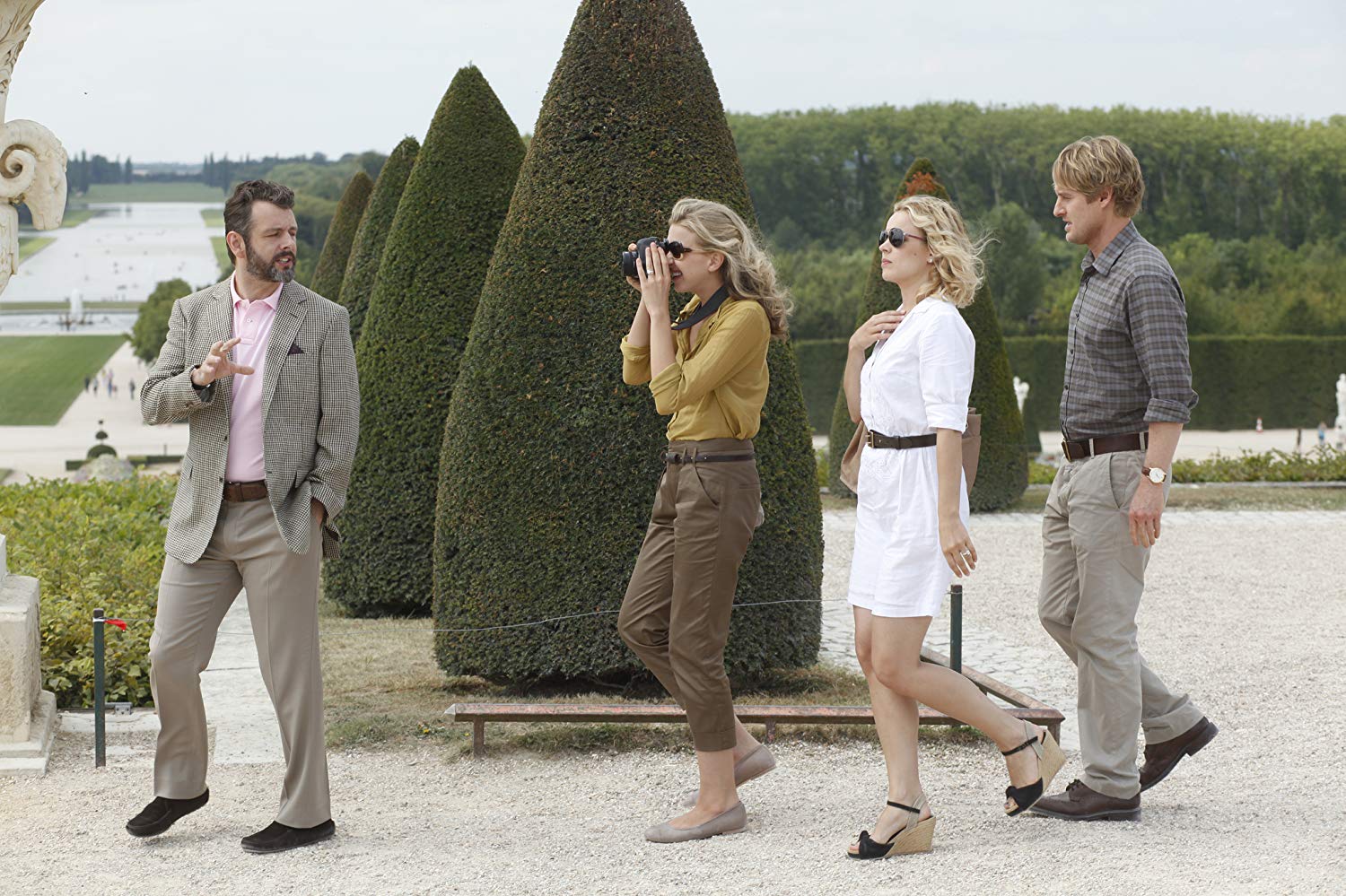
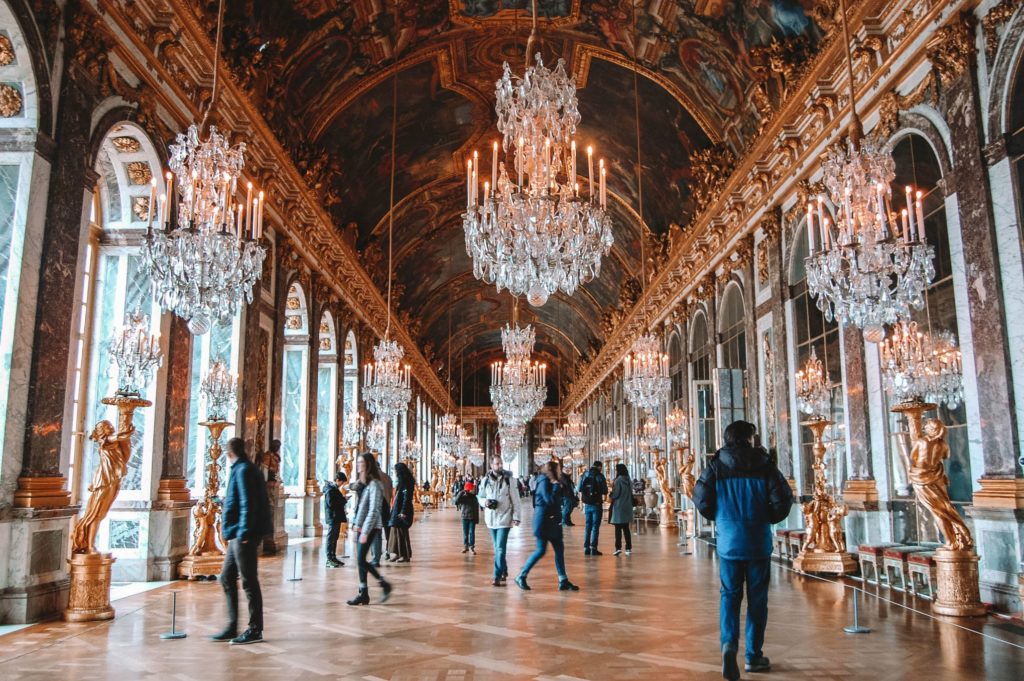
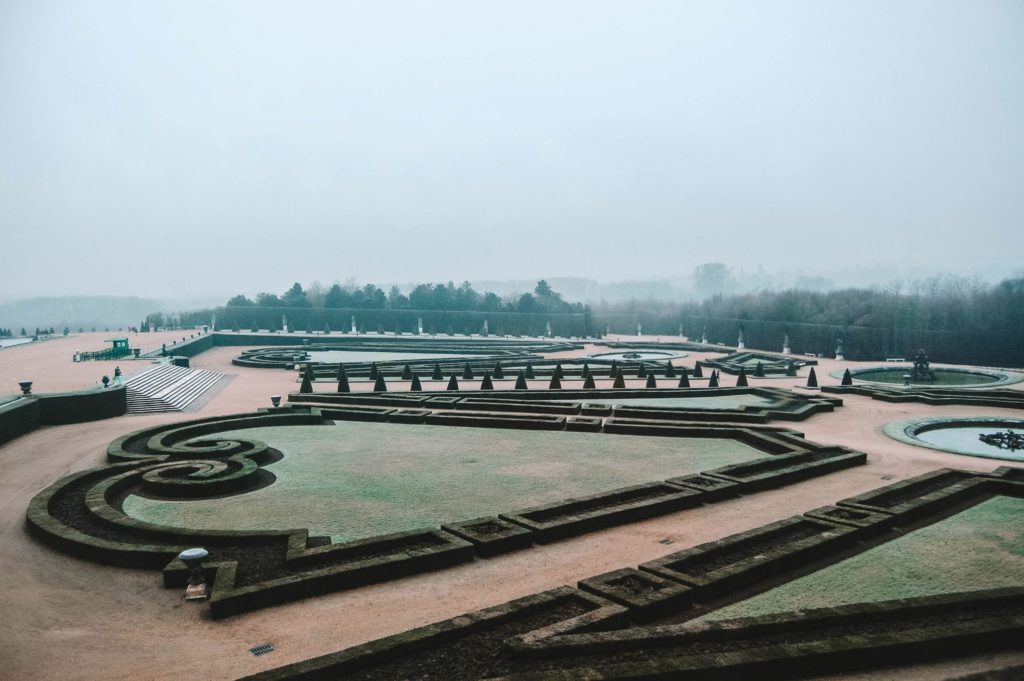
A significant sequence takes place at the Gardens of Versailles, where the characters discuss Gil’s manuscript. The palace, a symbol of the absolute monarchy of the Ancien Régime, provides a backdrop of immense scale and historical weight. The scene specifically utilizes the Hall of Mirrors and the expansive manicured lawns designed by André Le Nôtre.
The Latin Quarter and Saint-Étienne-du-Mont
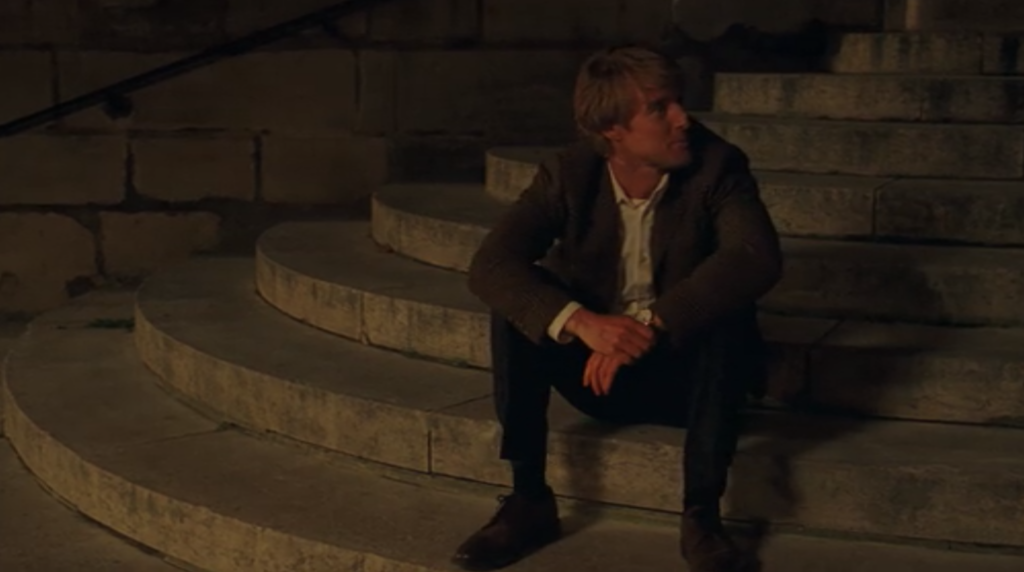
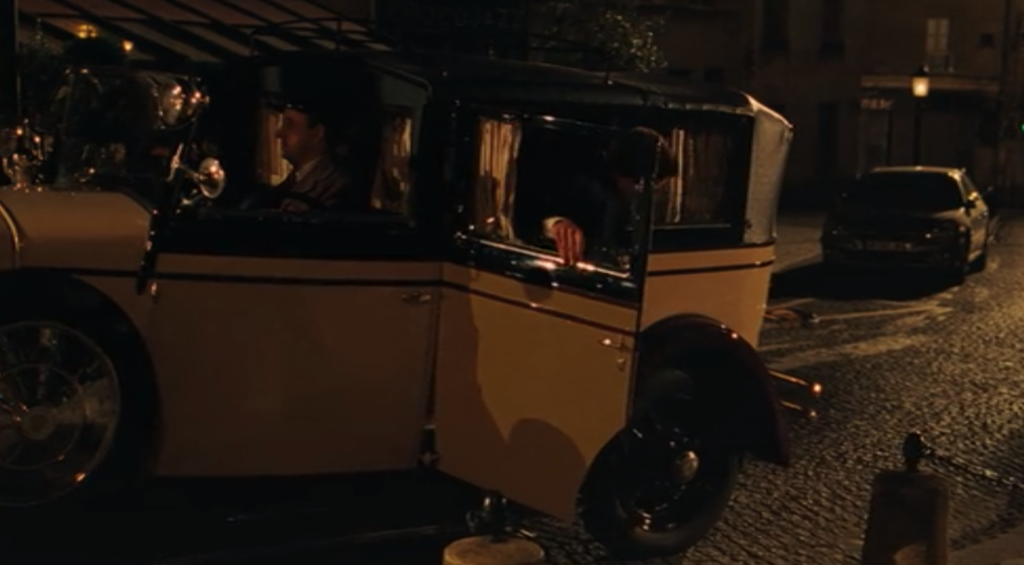
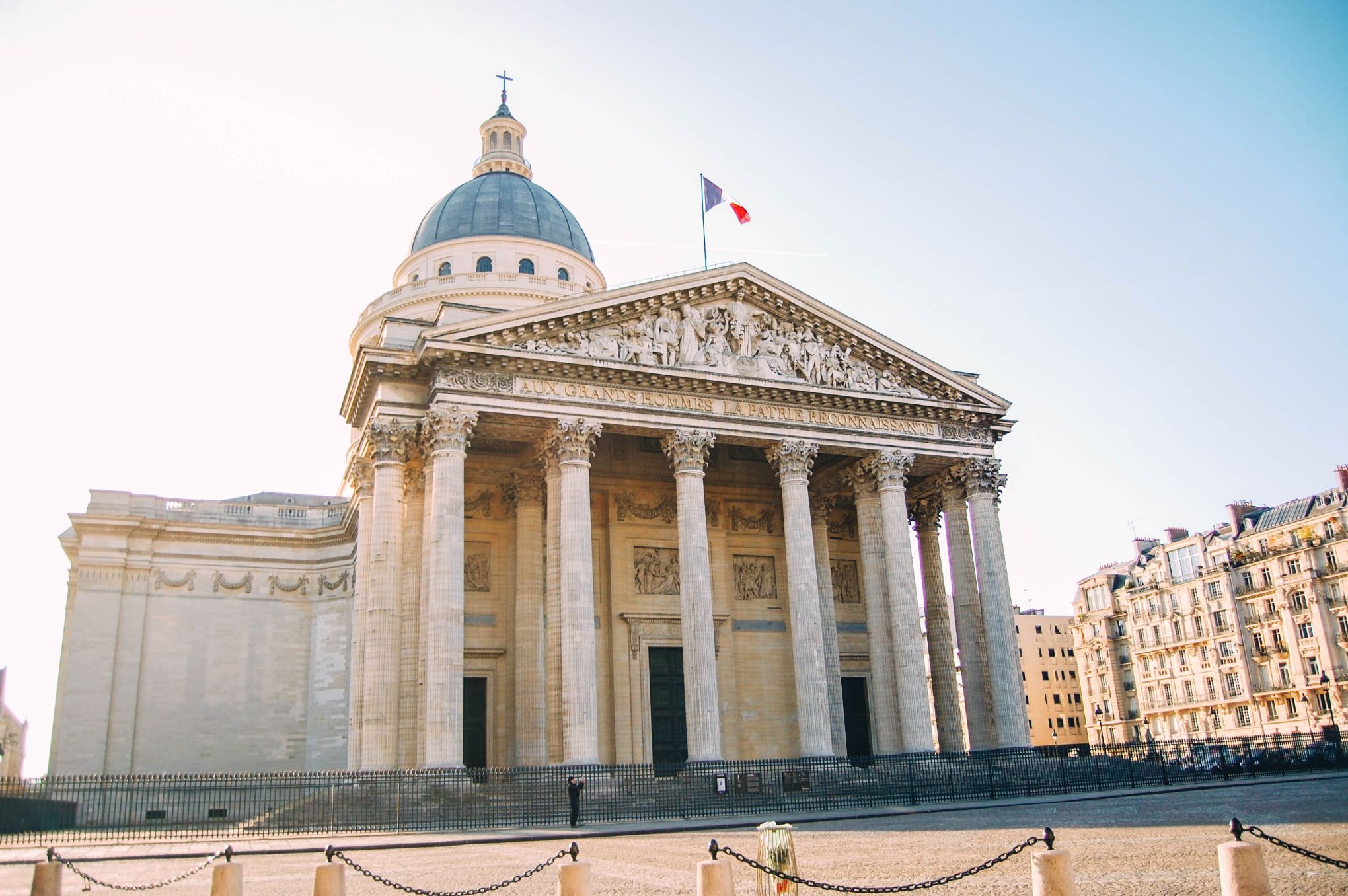
The pivotal time-travel sequences occur on the steps of the Saint-Étienne-du-Mont church, located in the 5th arrondissement near the Panthéon. The church, built between 1492 and 1626, contains the shrine of Saint Geneviève, the patron saint of Paris. The steps where Gil waits for the vintage Peugeot to arrive are specifically located on the Place de l’Abbé Basset.
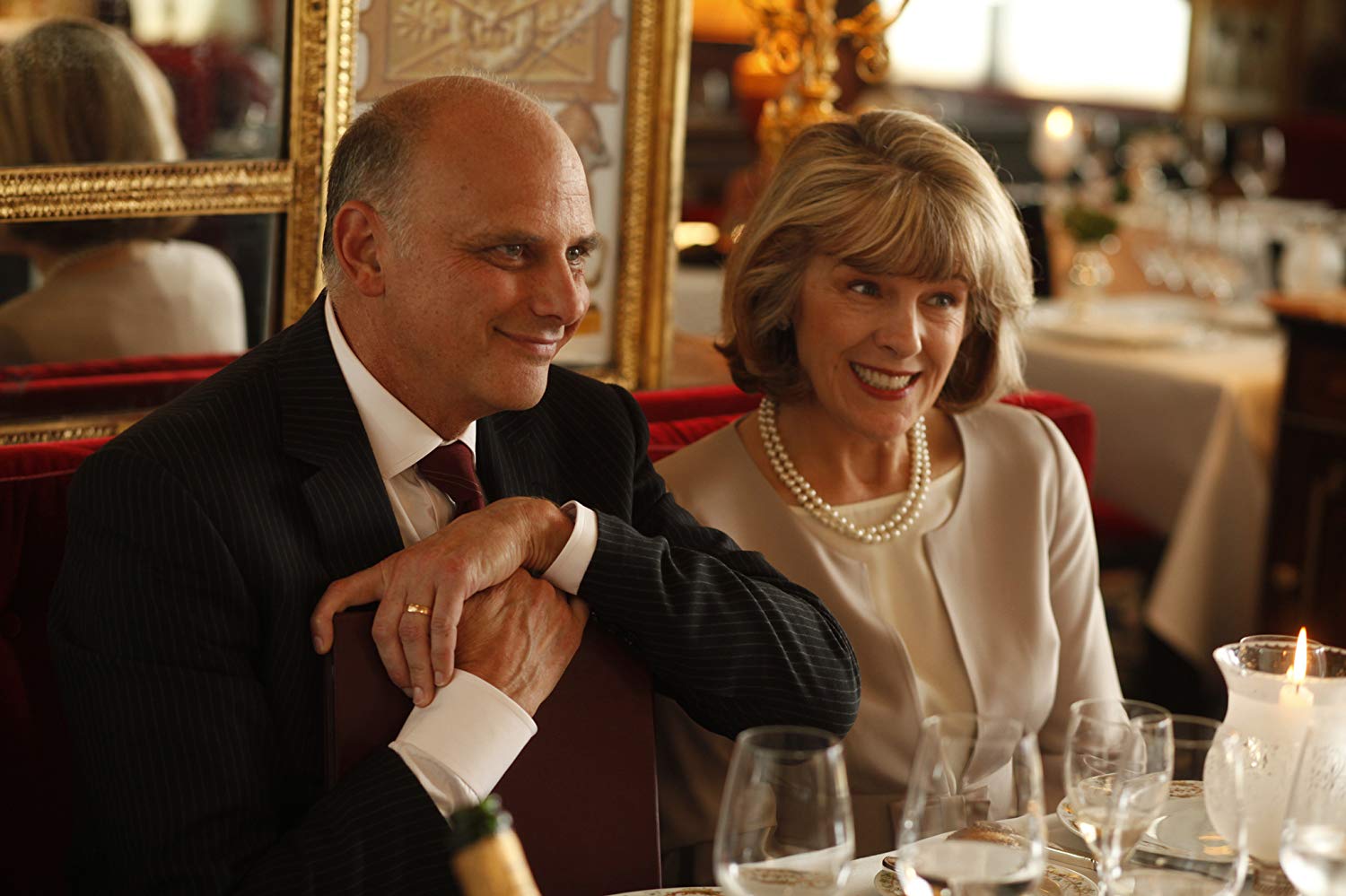
Historic Eateries: The Polidor and Le Grand Véfour
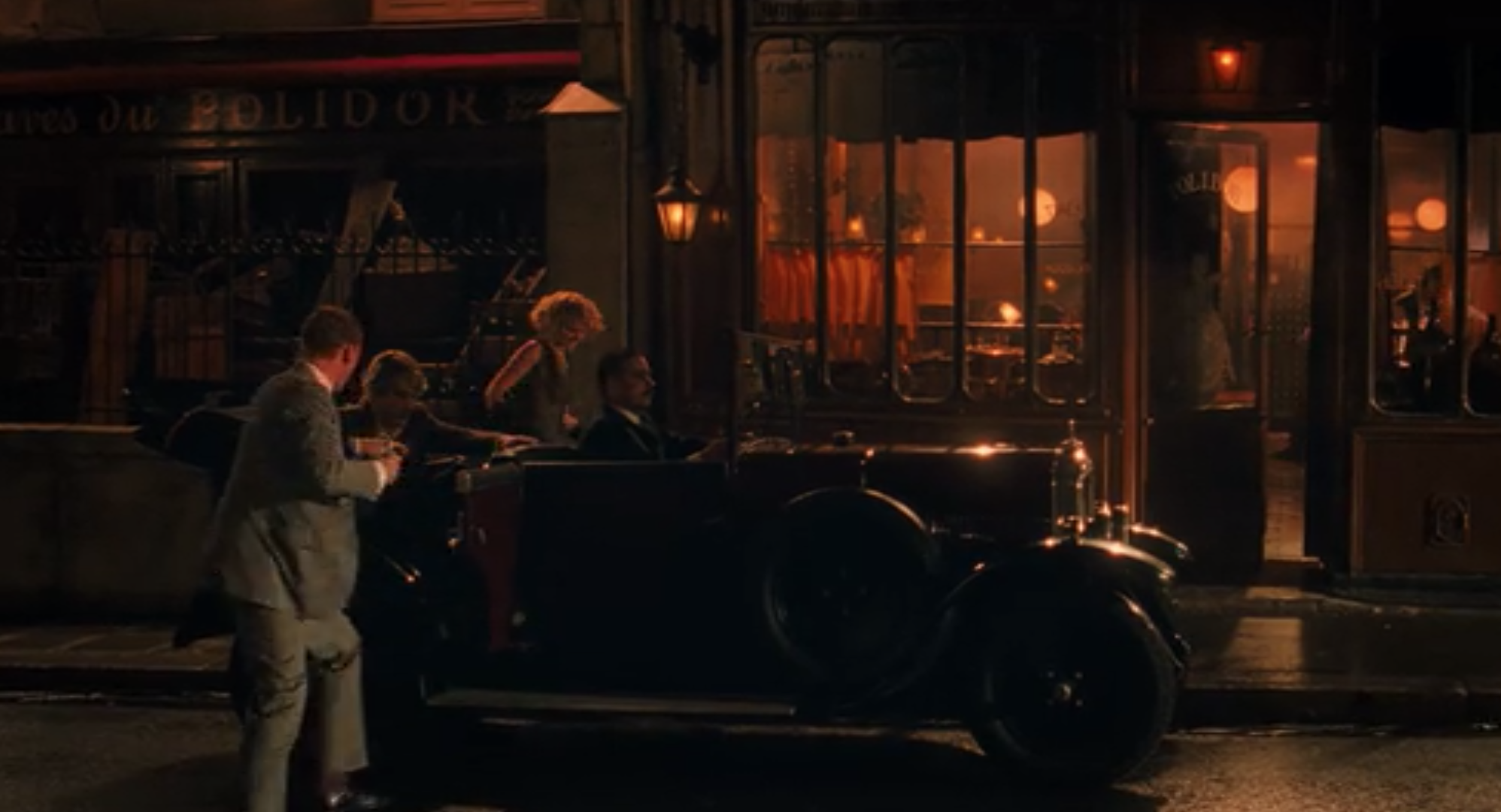
The film utilizes several restaurants that were actual haunts of the 1920s elite. The Polidor, located at 41 Rue Monsieur le Prince, is where Gil meets Ernest Hemingway. Founded in 1845, the restaurant has maintained its interior for over a century and was a favorite of Victor Hugo and James Joyce. Similarly, Le Grand Véfour in the Palais-Royal, featuring opulent Directoire-style decor, serves as the setting for a lunch between Gil’s party and Inez’s parents.
Museums: Rodin and L’Orangerie
Artistic discourse is central to the film, and two major museums are featured. The Musée Rodin, housed in the Hôtel Biron, serves as the setting for a debate regarding the sculptor’s work and his relationship with Camille Claudel. Later, the Musée de l’Orangerie in the Tuileries Garden provides the backdrop for Gil and Paul’s argument over a Picasso painting. This museum is famous for housing eight large Water Lilies murals by Monet, bridging the film’s opening and its later narrative.
Significant Thematic Quotes and Literary Analysis
The dialogue in Midnight in Paris serves to underscore the film’s philosophical inquiry into time and art.
- On the City’s Aesthetic: "Actually, I think Paris is the most beautiful in the rain." This sentiment, repeated by both Gil and the character Gabrielle, serves as a litmus test for romanticism versus pragmatism.
- On the Artist’s Purpose: Gertrude Stein, played by Kathy Bates, remarks, "The artist’s job is not to succumb to despair but to find an antidote for the emptiness of existence." This quote encapsulates the modernist struggle to find meaning in a post-war world.
- On Love and Mortality: The character of Ernest Hemingway provides a stoic, hyper-masculine perspective on life: "I believe that love is real and true and creates a respite from death. All cowardice comes from not loving or not loving well, which is the same thing."
- On Nostalgia: Paul, the "pseudo-intellectual" antagonist, offers a clinical definition: "Nostalgia is denial. Denial of the painful present… the name for this denial is Golden Age thinking."
These quotes do not merely serve the plot; they reference the actual writing styles and philosophies of the historical figures portrayed. Hemingway’s dialogue, for instance, mimics the "Iceberg Theory" of his prose—minimalist and focused on themes of courage and death.
The "Woody Allen Effect" and Economic Impact on Tourism
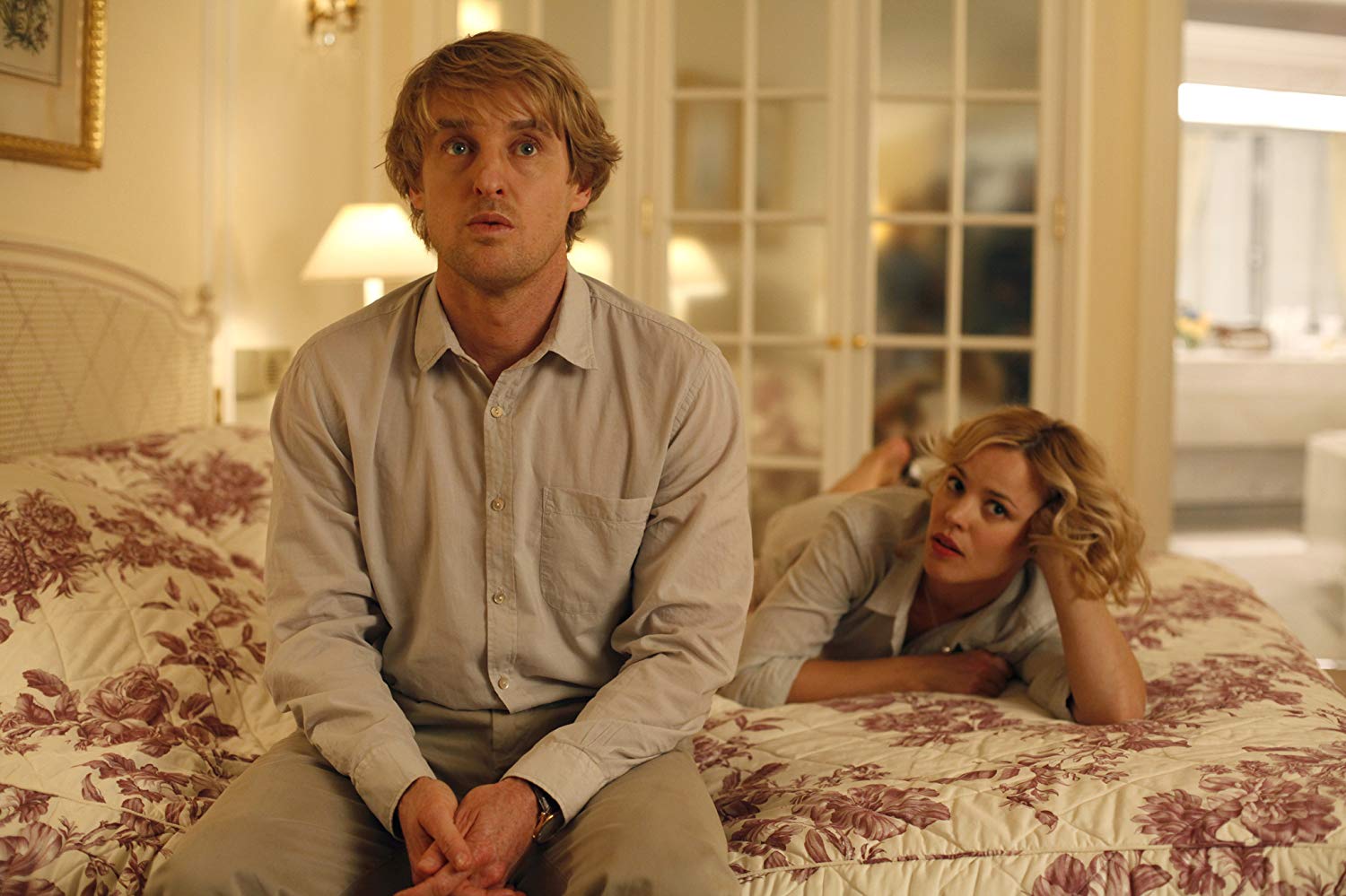
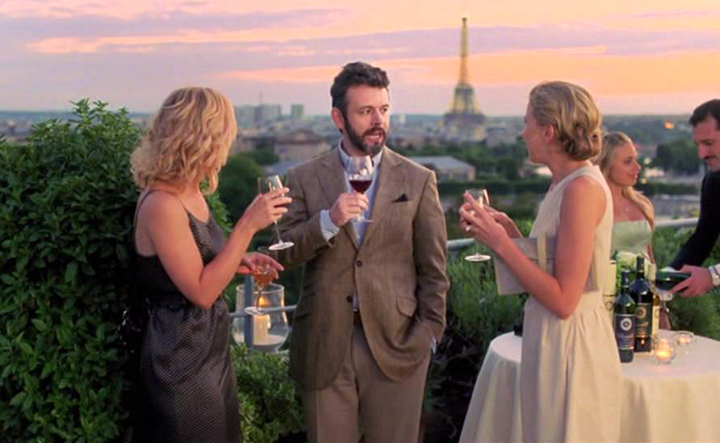
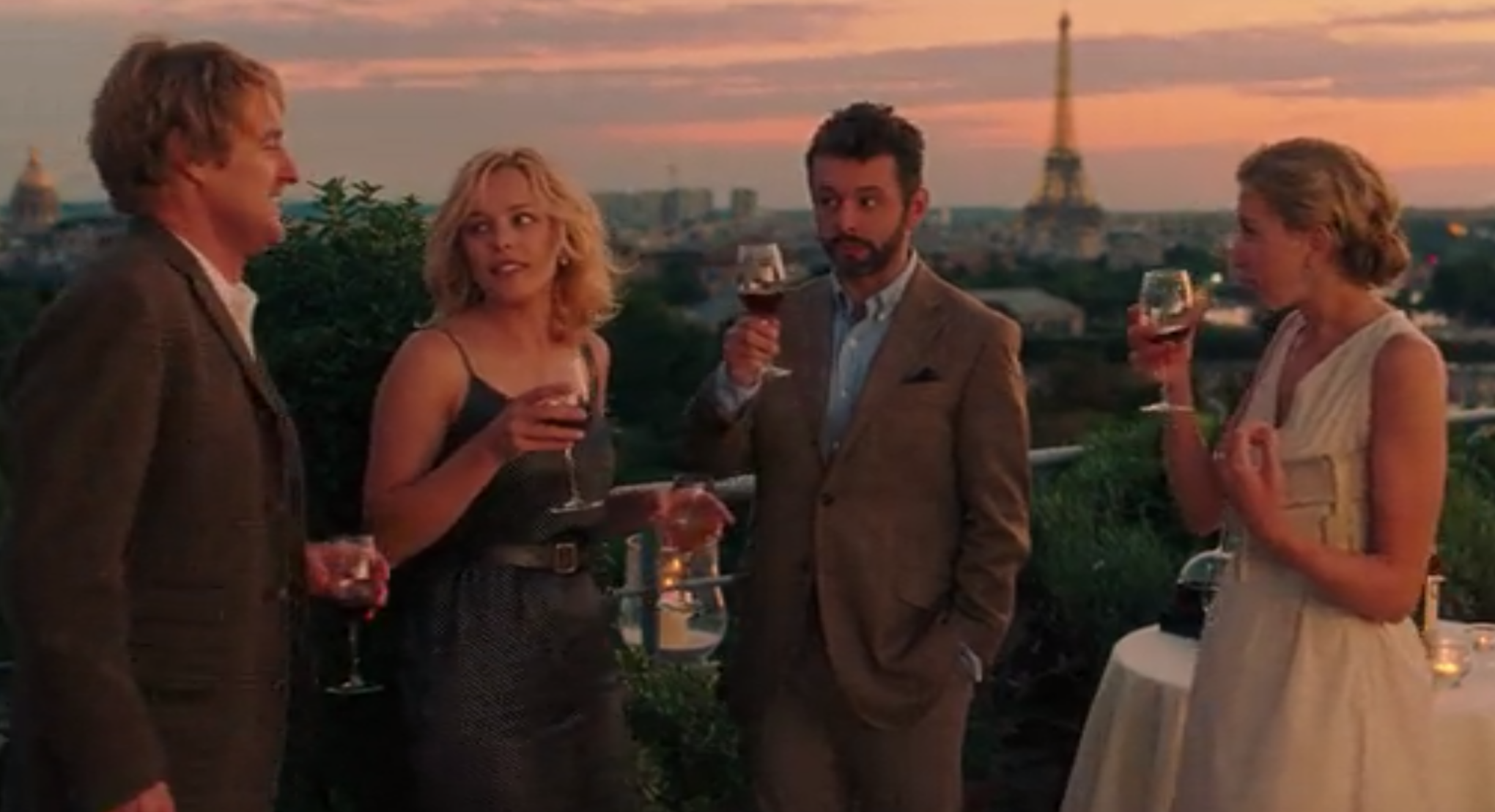
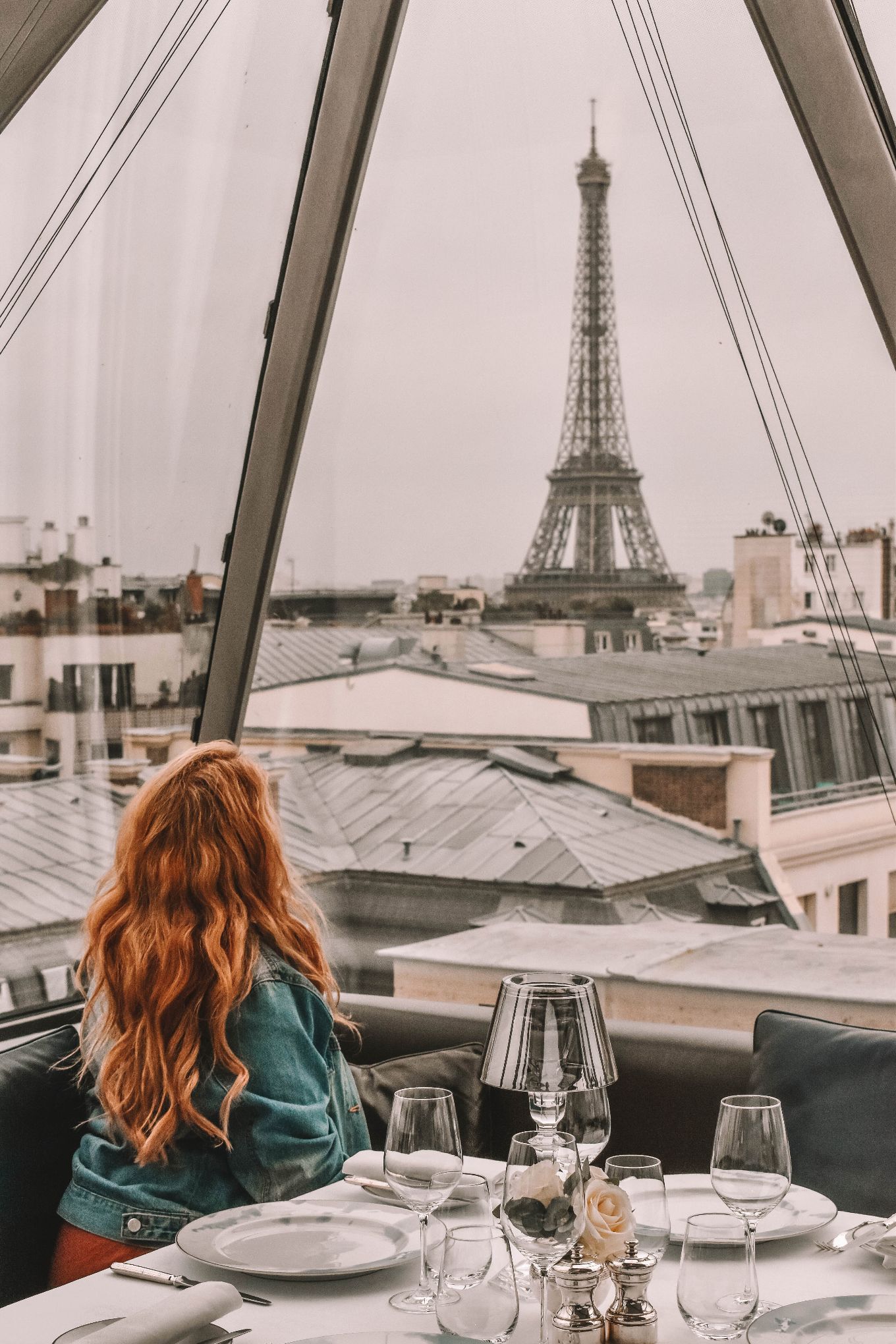
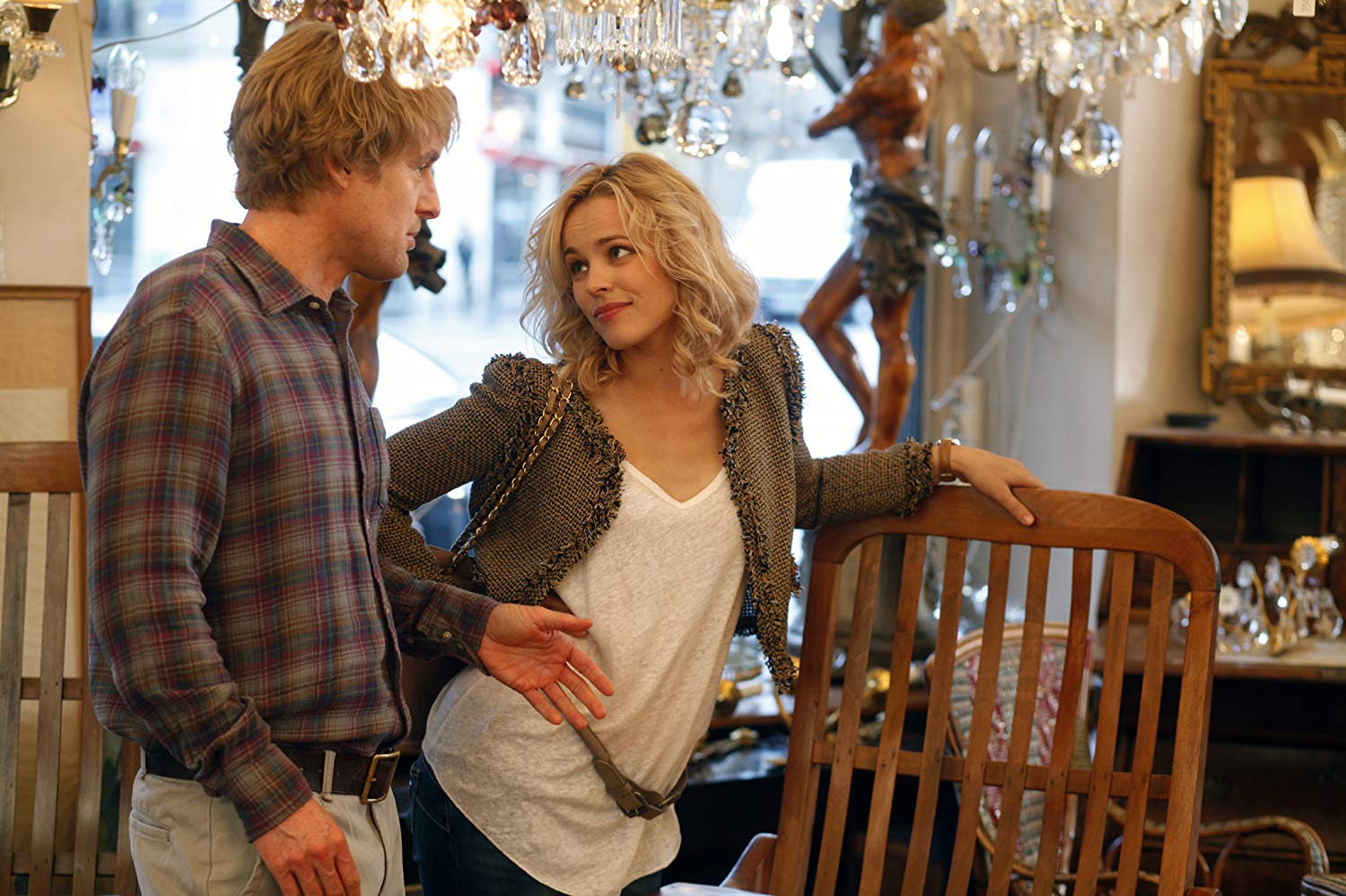
The release of Midnight in Paris resulted in a measurable increase in interest in the featured locations. According to data from the Paris Convention and Visitors Bureau, films set in the city contribute significantly to the "dream factor" of the destination. Following the film’s success, the Hotel Le Bristol, where Gil and Inez stay, reported a surge in bookings, particularly for the "Panoramic Suite" featured in the movie.
The "set-jetting" phenomenon fueled by the film has also benefited the Marché aux Puces de Saint-Ouen, the large flea market where Gil meets Gabrielle. As one of the largest antique markets in the world, it saw a renewed interest from international tourists seeking the "vinyl and memorabilia" experience depicted in the film.
Furthermore, the film’s portrayal of the "Bouquinistes"—the riverside booksellers along the Seine—helped reinforce their status as a UNESCO World Heritage site. These stalls, located primarily along the Quai de Montebello, have seen sustained foot traffic from fans attempting to replicate Gil’s experience of finding lost manuscripts.
Critical Analysis of Cultural Implications
Midnight in Paris functions as a critique of the "Lost Generation" myth while simultaneously indulging in it. By having Gil eventually realize that the people of the 1920s longed for the "Belle Époque," Allen illustrates that dissatisfaction with the present is a universal human condition.
The film also revitalized the literary reputation of Ernest Hemingway and Zelda and F. Scott Fitzgerald for a younger generation. Sales of Hemingway’s memoir A Moveable Feast, which covers his years in Paris during the 1920s, saw a notable uptick following the film’s release. The book is often cited as the primary source material for the film’s atmosphere and characterizations.
Broader Impact on Modern Cinema
The success of Midnight in Paris proved that there remained a significant global audience for literate, mid-budget romantic comedies focused on intellectual themes. It also solidified the "European city" model of filmmaking, where a city’s landmarks are integrated into the narrative as essential elements rather than mere background.
The film’s legacy is evident in the continued popularity of "Midnight in Paris" walking tours, which remain a staple of the Parisian tourism industry over a decade after the film’s debut. By blending high art, history, and a whimsical narrative, the film has secured its place as a definitive piece of modern cinema that explores the intersection of place, time, and the human imagination.
In conclusion, Midnight in Paris is more than a fictional story; it is a meticulously researched cultural document. Through its choice of locations—from the high-society bars of the Hotel Le Meurice to the gritty, rain-slicked streets of the Latin Quarter—it offers a multi-layered exploration of why Paris remains "the hottest spot in the universe." For travelers and cinephiles alike, the film serves as a roadmap to the enduring soul of a city that, as Gil Pender concludes, exists as its own special art form.