Fatal Fall on Angels Landing Trail Prompts Temporary Closure and Reignites Safety Discussions at Zion National Park

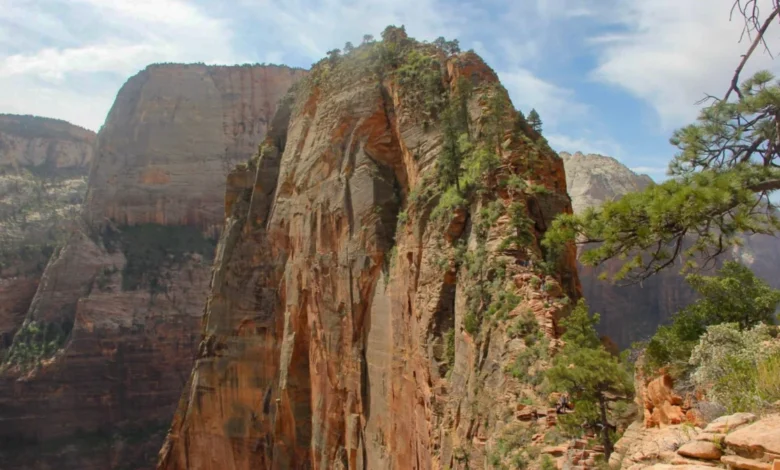
A tragic incident unfolded on Friday afternoon, April 17, 2026, when a hiker succumbed to injuries after falling from the notoriously challenging Angels Landing Trail within Zion National Park. The fatality prompted immediate closure of several popular trails for critical recovery operations, marking the most recent death on the iconic formation since 2024 and bringing renewed focus to the inherent risks of high-exposure hiking in national parks.
Initial Report and Immediate Response
Park authorities confirmed the incident, stating they received a report of a fall on the Angels Landing Trail at approximately 2 p.m. on April 17. The rapidity of the park’s response underscored the gravity of the situation. To facilitate rescue and recovery efforts, Zion National Park officials swiftly implemented temporary closures of key access routes, including the West Rim Trail, which encompasses both Scout Lookout and the entirety of Angels Landing itself. This action is standard protocol in such emergencies, ensuring the safety of both rescue personnel and the public, while preserving the scene for investigation.
The recovery operation was a multi-agency endeavor, highlighting the complex coordination required for incidents in remote and challenging terrain. Zion National Park personnel collaborated extensively with the Washington County Sheriff’s Office, the Washington County Medical Examiner, Hurricane Valley Fire and Rescue, and Kane County Search and Rescue. Each agency played a crucial role, from incident command and evidence collection to specialized technical rescue and medical examination. The spokesperson for the National Park Service, in an email to Backpacker, acknowledged the collective effort, stating, "Zion National Park worked with the Washington County Sheriff’s Office, Washington County Medical Examiner, Hurricane Valley Fire and Rescue, and Kane County Search and Rescue on the fatality resulting from that fall."
By Saturday morning, April 18, the affected trails, including Angels Landing, were reopened to the public, signaling the successful conclusion of the immediate recovery phase. The National Park Service stated it would release additional information regarding the incident, including the identity of the deceased, 72 hours after notifying the hiker’s next of kin, adhering to established privacy and notification policies. This standard procedure ensures families have time to process the tragic news before it becomes widely disseminated.
Adding to the operational complexities, Angels Landing was already scheduled for a pre-planned maintenance closure from April 20 to April 23. This routine closure, set before Friday’s incident, will proceed as planned, allowing park service crews to address necessary trail upkeep and safety enhancements, independent of the recent fatality.
A Challenging Ascent: The Angels Landing Trail
Angels Landing stands as one of Zion National Park’s most iconic and sought-after experiences, drawing hundreds of thousands of visitors annually. The trail is renowned for its breathtaking panoramic views of Zion Canyon and the winding Virgin River below, a reward for those brave enough to tackle its formidable challenges. The hike itself is a 5.4-mile round trip, ascending a staggering 1,488 feet from the canyon floor to its summit.
What sets Angels Landing apart from many other popular trails is its unique and exposed final section, famously known as the Hogsback. This narrow, knife-edge ridge features precipitous drop-offs on either side, plunging thousands of feet into the canyon. To aid hikers in navigating this perilous stretch, fixed chains have been bolted into the sandstone, providing crucial handholds and a sense of security against the sheer exposure. Despite these aids, the trail demands a high degree of physical fitness, mental fortitude, and an absolute absence of acrophobia. Hikers must often navigate this section in single file, carefully placing each step on the worn rock, with the constant awareness of the immense drop-offs. The psychological aspect of the hike, particularly the exposure, often proves as challenging as the physical exertion.
The Permit System: Balancing Access and Safety
The immense popularity of Angels Landing, coupled with its inherent dangers, led the National Park Service to institute a permit system in 2022. Prior to this, the trail frequently experienced severe overcrowding, particularly on the Hogsback section, where bottlenecks created frustrating delays and potentially increased safety risks. The sheer volume of hikers vying for space on the narrow, chained section not only diminished the quality of the wilderness experience but also raised concerns about emergency response times and the potential for accidental falls due to congestion.
The permit system, operating on a lottery basis, aims to manage visitor flow and enhance safety by significantly reducing the number of people on the trail at any given time. Hikers are required to enter a lottery for a coveted spot, with both seasonal and daily lotteries available to accommodate different planning horizons. While initially met with mixed reactions, the system has largely been successful in mitigating overcrowding and improving the overall experience for those who secure a permit. Park officials hoped that by controlling numbers, they could reduce incidents stemming from congestion, allowing hikers more space and time to navigate the challenging sections safely. This system reflects a broader trend in national parks, where beloved but fragile or dangerous areas are increasingly managed to preserve both the resource and visitor safety.
A Tragic History: Fatalities on Angels Landing
The recent fatality, while deeply saddening, is not an isolated incident in the history of Angels Landing. The trail has a documented and somber record of at least 18 confirmed fatalities over the years, a figure that includes both falls from the exposed sections and medical emergencies stemming from the strenuous ascent. This statistic underscores the significant risks associated with the hike, even for experienced individuals. Each incident serves as a stark reminder of the unforgiving nature of the wilderness and the importance of preparedness and caution.
Among the more recent tragedies, the park reported a hiker discovered unresponsive at Scouts Lookout in 2024, an incident that prompted another temporary closure and recovery effort. In 2021, 43-year-old Jason Hartwell tragically passed away after falling from the formation’s summit, highlighting that even reaching the top does not eliminate all danger. The year 2019 saw two separate fatalities: 19-year-old Savannah McTague and 35-year-old Pradeep Beryl Solomon, who both died after falling from different points along the trail. These incidents often attract significant media attention, not only because of the inherent tragedy but also due to the iconic status of Angels Landing, which serves as a powerful symbol of both the beauty and the peril of outdoor adventure.
These past events contribute to a collective institutional memory for park rangers and emergency responders, informing their safety protocols, training, and operational responses. Each fatality prompts internal reviews and discussions about potential enhancements to trail safety, signage, and emergency preparedness.
Multi-Agency Coordination and Investigation
The swift and coordinated response to Friday’s incident exemplifies the robust framework of inter-agency cooperation that underpins emergency services in national parks. When a fatality occurs, the process extends beyond immediate rescue to a thorough investigation. The Washington County Sheriff’s Office typically leads the criminal investigation aspect, if any, while the National Park Service focuses on the incident within park boundaries, including environmental factors and operational responses. The Washington County Medical Examiner is responsible for determining the cause and manner of death, a critical step in providing closure to families and informing public health and safety data. Hurricane Valley Fire and Rescue and Kane County Search and Rescue bring specialized equipment and personnel, particularly for technical rescues in difficult terrain, showcasing the regional support networks vital for large wilderness areas.
This collaborative approach ensures that all angles of a tragic event are addressed, from immediate life-saving efforts and scene management to detailed forensic analysis and administrative review. The formal nature of these investigations means that information is released cautiously and deliberately, prioritizing the privacy of the deceased’s family while ensuring accuracy and completeness.
Zion National Park: A Balancing Act of Popularity and Preservation
Zion National Park is not just home to Angels Landing; it is a sprawling natural wonder that consistently ranks as one of the most visited national parks in the United States. In recent years, Zion has regularly welcomed over 4 million visitors annually, placing immense pressure on its infrastructure, natural resources, and emergency services. In 2023, for example, the park recorded over 4.6 million visits, making it the second-most visited national park, surpassed only by Great Smoky Mountains National Park. This extraordinary popularity is a testament to its stunning landscapes, but it also presents significant management challenges.
The park service faces a constant balancing act: providing access to natural beauty for millions while simultaneously preserving the delicate ecosystem and ensuring visitor safety. This includes managing traffic congestion, protecting fragile flora and fauna, maintaining extensive trail networks, and responding to a wide array of visitor incidents, from minor injuries to critical emergencies. Incidents like the recent fatality on Angels Landing inevitably spark broader discussions within the park service and the public about acceptable levels of risk in wilderness recreation and the role of park management in mitigating those risks. While parks strive to make experiences as safe as possible, they also emphasize personal responsibility, as the inherent wildness of these landscapes means risks can never be entirely eliminated.
Looking Ahead: Safety, Maintenance, and Public Awareness
The tragic event on Angels Landing serves as a poignant reminder of the inherent dangers associated with high-exposure trails and the critical importance of preparedness and caution for all hikers. While the trail has reopened and the pre-scheduled maintenance closure is set to proceed, the incident will undoubtedly resonate within the hiking community and among park officials.
The National Park Service consistently promotes a "Know Before You Go" philosophy, urging visitors to research trails thoroughly, understand their own physical limitations, carry appropriate gear, and be aware of weather conditions. For trails like Angels Landing, specific warnings about exposure, strenuousness, and the necessity of appropriate footwear are often highlighted. Following this fatality, it is highly probable that park messaging will reinforce these safety guidelines, potentially through updated signage, online advisories, and direct communication from park rangers.
The incident may also prompt an internal review by the park service and cooperating agencies to assess any lessons learned from the recovery operation, the effectiveness of the permit system, and whether any further safety enhancements are warranted. This could include evaluating the condition of the fixed chains, assessing the need for additional warning signs, or even reviewing emergency response protocols for similar high-altitude incidents. While there are no immediate indications of changes to the permit system or trail access beyond the scheduled maintenance, every such event contributes to the ongoing dialogue about safety and risk management in America’s treasured national parks. The goal remains to allow visitors to experience the awe-inspiring beauty of places like Angels Landing while minimizing preventable tragedies.