Himalayan Climbing Landscape Sees Dramatic Shift as American Permits Decline Sharply Amid Global Geopolitical and Economic Pressures

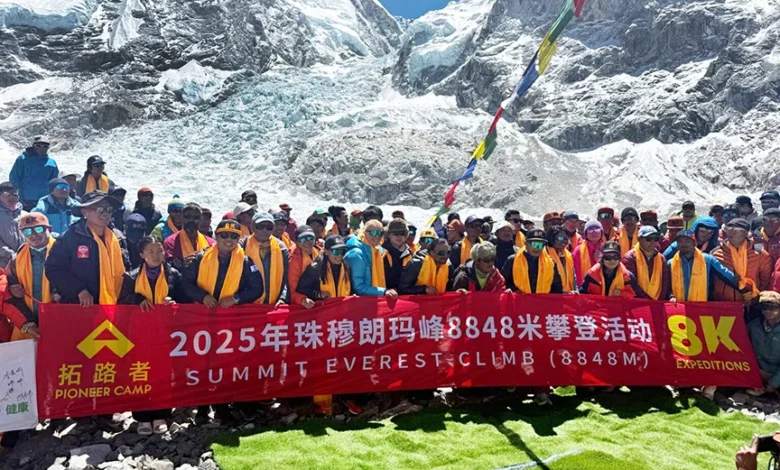
The annual spring climbing season in Nepal, now in full swing, reveals a notable demographic shift among high-altitude mountaineers, with a significant downturn in American participation contrasting with an overall increase in permit numbers driven by a surge in climbers from China, Germany, and the United Kingdom. On April 15 of last year, 115 U.S. citizens held permits to ascend peaks above 6,000 meters in Nepal. This year, on the same date, that figure has plummeted by nearly 40 percent to just 71, according to the latest data from Nepal’s Department of Tourism. This marked decline raises questions about the evolving dynamics of adventure tourism in the world’s highest mountains.
Despite the sharp decrease in American climbers, the total number of permits issued for peaks over 6,000 meters has shown robust growth, rising from 632 in 2025 to 700 this year. This upward trend indicates a diversification of the mountaineering community, with a pronounced influx from certain regions offsetting the reduction from others. As early-season climbers on Annapurna and Dhaulagiri are already making their summit pushes, and teams for Everest, Lhotse, Makalu, and Kangchenjunga are congregating in Kathmandu for acclimatization, the emerging trends for 2026 are becoming increasingly clear.
Shifting Nationalities: A Detailed Overview
The most striking change in the permit landscape is the substantial reduction in American climbers. While the reasons are multifaceted, they appear to be distinct from the experiences of some other Western nations. For instance, despite a Canadian climber, Charles Page, observing a scarcity of his compatriots on Annapurna, the overall number of Canadians on Nepal’s highest peaks has actually risen from 19 in 2025 to 30 this year, a more than 50% increase. This highlights a complex interplay of factors influencing different national groups.
Breaking down the permit numbers by nationality reveals a fascinating realignment:
- China has emerged as the leading nation in terms of climber numbers, with 89 permits issued this year, up from 72 in 2025. This surge underscores China’s growing economic prosperity and an increasing interest in high-altitude mountaineering among its citizens.
- Germany has seen a dramatic increase, jumping from 12 permits last year to 55 this year, representing an over 350% rise.
- United Kingdom climbers have also significantly increased, from 18 to 48 permits, a growth of over 160%.
- Russia contributed 45 climbers this year, an increase from 39 in 2025.
- Japan also saw an uptick, with 27 permits compared to 15 last year.
Conversely, the United States is not alone in experiencing a decline. Several other nations have also sent fewer climbers this season:
- India’s numbers dropped from 60 in 2025 to 49 this year.
- France saw a more than 50% reduction, from 33 to 16.
- Brazil experienced the most drastic fall, from 19 climbers to just 1.
- Italy’s representation slightly decreased from 11 to 9.
These shifts collectively paint a picture of a global mountaineering community in flux, influenced by a combination of economic, logistical, and geopolitical factors.
Underlying Causes: Geopolitics and Economic Headwinds
The primary drivers behind these shifting demographics appear to be global geopolitical instability and escalating economic pressures, particularly impacting long-haul travel. The current geopolitical climate, especially in the Middle East, has significantly altered international flight routes. Dubai and Qatar, which historically served as crucial aerial hubs connecting Europe and the Americas with many Asian countries, are now less preferred or viable transit points for many travelers. This reluctance stems from ongoing regional conflicts and the perceived unpredictability of travel through these areas.
Adding to the complexity are the economic repercussions of these global events. Fuel prices have surged, leading airlines to restrict or cancel numerous flights and causing airfares to skyrocket. For potential climbers, particularly those from North and South America or parts of Europe, the cost and logistical challenges of reaching Nepal have become considerably more daunting. A round-trip ticket that might have been affordable in previous years can now represent a substantial portion of an expedition’s total cost, deterring many.
Beyond immediate costs and logistics, there is an overarching concern among international visitors regarding the unpredictability of future global crises. While Nepal itself remains a safe and welcoming destination for foreigners, the anxiety surrounding potential flight disruptions or border closures upon return — a legacy of recent global events such as the COVID-19 pandemic — weighs heavily on decision-making. This uncertainty discourages long-distance travel and commitment to lengthy expeditions, especially for those who need to manage professional or personal responsibilities back home.
Everest: A Microcosm of Broader Trends
Mount Everest, the world’s highest peak and the crown jewel of Himalayan climbing, reflects these general trends while also exhibiting unique patterns. Focusing solely on permits issued for Everest in the first month of the season (March 15 to April 15), the decline in U.S. citizens is even more pronounced: their numbers have nearly halved, falling from 69 in 2025 to just 39 this year. In contrast, Canadian interest in Everest appears unaffected, with their numbers increasing from 6 to 10 permits over the same period.
Despite the significant drop in American climbers, the total number of foreign climbers listed for Everest permits has slightly increased, from 277 a year ago to 297 this season, a modest rise of approximately 7%. This indicates that the global demand for Everest ascents remains strong, with other nationalities compensating for the American reduction.
The Rise of Express Expeditions and Pre-Acclimatization
A notable and increasingly prevalent trend observed on Everest in recent years is the phenomenon of "late arrivals" and the growing popularity of "express expeditions." This shift is primarily driven by two factors:
- Staggered Acclimatization: Some climbers now opt to undertake an ascent of a lower 8,000-meter peak or another high-altitude climb during the initial part of the season. This allows them to achieve a significant level of acclimatization before even arriving at Everest Base Camp. Once adequately acclimatized, they then acquire their Everest permit and proceed to climb the mountain in one or two swift rotations, drastically reducing their time on the mountain. This strategy offers benefits such as reduced exposure to the harsh conditions and common ailments at EBC, as well as a shorter overall commitment away from home.
- Technological Pre-Acclimatization: The second and perhaps more transformative reason is the widespread adoption of pre-acclimatization techniques at home. Climbers utilize hypoxic tents or altitude chambers for weeks or months prior to their departure for Nepal. These devices simulate high-altitude environments, allowing their bodies to adapt physiologically without having to spend extended periods in the actual mountains. Garrett Madison, a seasoned expedition operator, highlights this shift: "Everybody is arriving late this year, many are pre-acclimatizing at home and doing the express expedition, which takes one month [in total]." He notes a significant increase in this demographic, stating, "In previous years, express climbers would make up 20-30 percent of the team, but this year it has increased to 50 percent." Madison illustrates this with his own teams: typically comprising 12 members, six are already trekking up the Khumbu, while the other six, the "express" climbers, only arrive in Nepal at the end of April.
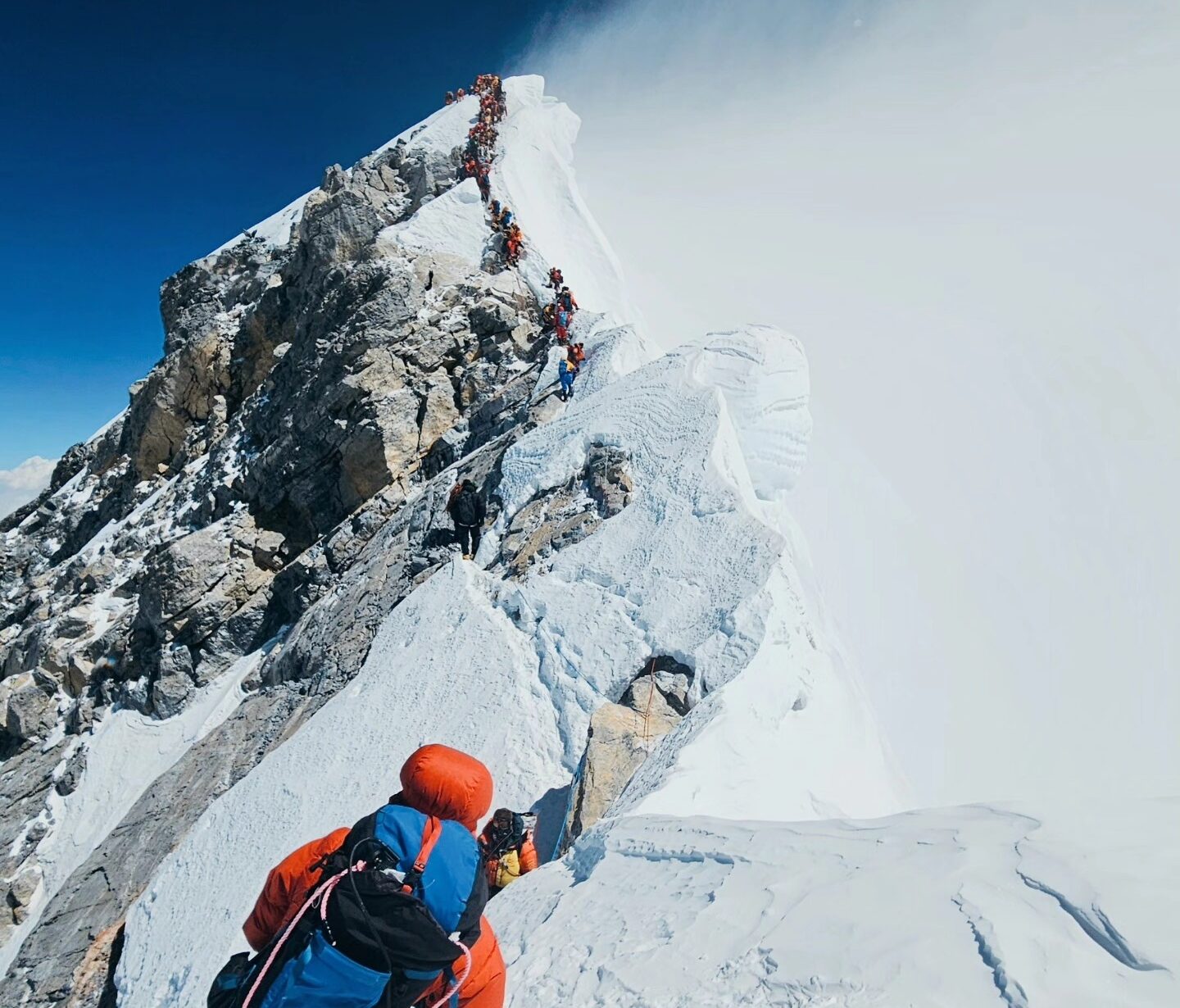
The implications of this trend are manifold. While express expeditions can be more efficient for climbers, they place different demands on logistics and guide services. They also potentially alter the social dynamics at Base Camp and could contribute to more concentrated summit pushes during specific weather windows, raising concerns about potential congestion on the upper slopes.
Official Responses and Industry Perspectives
The Nepal Department of Tourism, while acknowledging the specific decline in American permits, has emphasized the overall positive trend in permit numbers. A spokesperson for the department, speaking on condition of anonymity to discuss ongoing trends, stated, "We are observing a diverse mix of nationalities, which is a healthy sign for our mountaineering tourism sector. While we are reviewing the reasons for the drop in American climbers, the increase from other key markets, especially China and Europe, ensures a vibrant season." The department reiterated its commitment to maintaining Nepal as a safe and welcoming destination for all international visitors, highlighting ongoing efforts to streamline permit processes and enhance safety protocols.
Expedition operators like Garrett Madison are adapting their strategies to accommodate these evolving trends. Madison’s observation about the 50% express climber composition in his teams is indicative of a broader industry shift. Other local outfitters and international agencies are also reporting similar changes, with increased marketing efforts now targeting emerging markets in Asia and established markets in Europe. An industry analyst, commenting on the shift, suggested, "The climbing industry is resilient and adaptable. Operators are quickly re-calibrating their marketing and logistical frameworks to cater to the new demographic realities, ensuring that Nepal remains a premier destination for high-altitude adventure."
Broader Implications for Nepal’s Tourism Economy
The shifting demographics in Himalayan climbing carry significant implications for Nepal’s tourism economy. While the overall increase in permits is a positive indicator of sustained interest in mountaineering, the decline of specific high-spending markets like the U.S. could have nuanced effects. American climbers are often associated with higher spending on ancillary services, longer stays, and broader engagement with local economies beyond the direct expedition costs. A diversification of the client base might introduce new spending patterns and cultural preferences that require adaptation from local businesses, from trekking agencies to teahouses and equipment suppliers.
Moreover, the rise of express expeditions, while efficient for climbers, means shorter stays in Nepal. This could potentially reduce the total economic contribution per climber, as fewer days are spent acclimatizing in the Khumbu Valley, visiting cultural sites, or engaging with other tourism offerings. For Nepal, a nation heavily reliant on tourism revenue, understanding and proactively managing these shifts will be crucial for sustainable growth. This might involve diversifying its tourism portfolio, promoting cultural and spiritual tourism alongside adventure sports, and developing new trekking routes or less-frequented peaks to attract a wider array of international visitors.
In conclusion, the 2026 spring climbing season in Nepal is proving to be a watershed moment, marking a significant recalibration of the global mountaineering community. The pronounced decline in American climbers, juxtaposed with a robust surge from Asian and European nations, underscores the profound impact of geopolitical currents and economic realities on adventure travel. As the climbing season progresses, the lessons learned from these shifts will undoubtedly shape the future strategies of Nepal’s tourism authorities and the international expedition industry, ensuring the majestic Himalayas continue to beckon adventurers from across the globe, albeit with an increasingly diverse cohort of aspirants.