Navigating the Greek Archipelago: A Comprehensive Guide to Beach Safety Environmental Stewardship and Seasonal Maritime Conditions

Greece remains one of the world’s most significant maritime and tourism hubs, boasting a coastline that extends over 13,676 kilometers and encompasses thousands of islands across the Aegean, Ionian, and Mediterranean Seas. In 2023, the Greek National Tourism Organization reported that the country welcomed over 32 million international visitors, a record-breaking figure that underscores the enduring appeal of its coastal regions. However, the diversity of the Greek landscape—ranging from the volcanic sands of Santorini to the limestone cliffs of Zakynthos—presents a unique set of challenges for travelers. Ensuring a safe and sustainable experience requires an understanding of regional meteorological patterns, physiological demands in Mediterranean climates, and the stringent environmental regulations governing the nation’s protected ecosystems.
Physiological Hazards and Climate Considerations
The Mediterranean climate is characterized by hot, dry summers where temperatures frequently exceed 35°C (95°F) and can occasionally peak above 40°C during extreme heatwave events, which have become more frequent in the last decade. According to data from the Hellenic National Meteorological Service (HNMS), the peak period for solar intensity occurs between June and August. During these months, the Ultraviolet (UV) Index often reaches "Very High" or "Extreme" levels (8-11+), necessitating rigorous sun protection protocols.
Medical professionals and the Greek Ministry of Health emphasize that prolonged exposure to high-intensity solar radiation without adequate protection leads to more than just superficial burns; it significantly increases the long-term risk of melanoma and non-melanoma skin cancers. Travelers are advised to utilize broad-spectrum sunscreens with a minimum SPF of 30, reapplying every two hours or immediately after swimming.
Furthermore, the risk of heat exhaustion and heatstroke is a critical concern for tourists unaccustomed to the Greek summer. Heatstroke, a medical emergency characterized by a core body temperature rising above 40°C, can occur rapidly when high ambient temperatures are combined with physical exertion. Dehydration acts as a primary catalyst for these conditions. Public health guidelines recommend a minimum intake of 2.5 to 3 liters of water per day for active adults in these conditions. The consumption of alcohol, a common feature of holiday travel, is a significant risk factor, as it acts as a diuretic and impairs the body’s ability to regulate temperature.

The Meltemi Winds: A Seasonal Maritime Phenomenon
A defining feature of the Greek summer is the Meltemi, or Etesian winds. These are strong, dry northerly winds that sweep across the Aegean Sea from approximately June through September, peaking in July and August. The phenomenon is caused by a high-pressure system over the Balkans and a low-pressure system over the eastern Mediterranean and Southwest Asia.
While the Meltemi provides a welcome cooling effect against the summer heat, it poses significant risks for maritime safety and recreational swimming. The winds can reach Beaufort scale forces of 7 or 8, creating powerful currents and high waves, particularly on the northern coasts of islands in the Cyclades and Dodecanese chains.
The Hellenic Coast Guard frequently issues warnings during peak Meltemi periods, often restricting the movement of smaller vessels and sailing craft. For swimmers, these winds can create "rip currents"—powerful, narrow channels of fast-moving water that can pull even experienced swimmers away from the shore. Safety experts advise travelers to monitor local weather reports daily and to exercise extreme caution on wind-exposed beaches where professional lifeguard services may not be present.
Infrastructure and the Legal Framework of Beach Access
The Greek coastline is a mosaic of "organized" and "unorganized" beaches. Under Greek law, the shoreline is considered a public good, and the Constitution guarantees free access to the sea for all citizens and visitors. However, the Ministry of Finance grants concessions to private entities to manage specific sections of the coast, leading to the "organized" beach model.
Organized beaches typically offer amenities such as sunbeds, umbrellas, changing facilities, and lifeguard services. These locations are often participants in the "Blue Flag" program—an international certification that requires stringent adherence to water quality, environmental education, and safety standards. In 2023, Greece ranked second in the world for Blue Flag awards, with 617 beaches receiving the distinction.

Conversely, a significant portion of the Greek coast remains "unorganized" or "wild." These areas are favored by travelers seeking a more authentic, secluded experience but require a higher degree of self-sufficiency. In these remote locations, there are no lifeguards, medical stations, or potable water sources. The Hellenic Red Cross advises that individuals visiting unorganized beaches should inform others of their location, carry basic first-aid supplies, and avoid swimming alone, as emergency response times in remote island coves can be significantly longer than in urban centers.
Environmental Stewardship and Protected Ecosystems
The ecological integrity of the Greek coast is under increasing pressure from tourism-related activities. Many of Greece’s most famous beaches are part of the Natura 2000 network, a European Union initiative to protect the most valuable and threatened species and habitats.
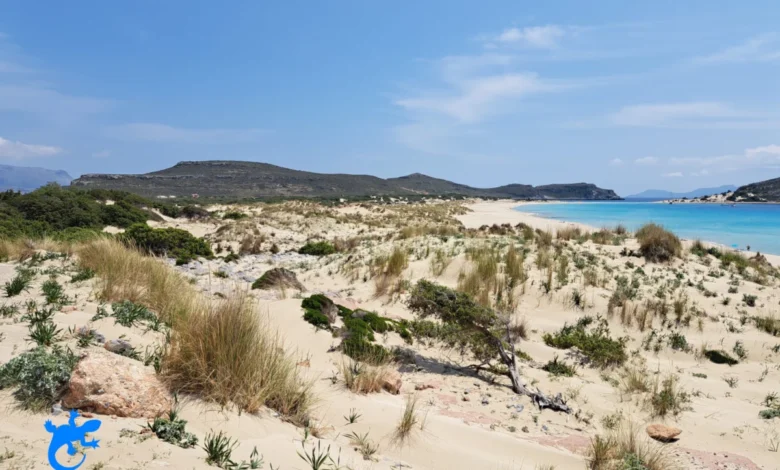
Sand dunes, often overlooked by tourists, are vital components of the coastal ecosystem. They act as natural barriers against coastal erosion and provide habitats for specialized flora and fauna. Trampling on dune vegetation can lead to the collapse of these structures, causing permanent damage to the coastline. Additionally, the removal of natural materials—including sand, pebbles, and seashells—is strictly prohibited under Greek environmental law. Authorities have increased surveillance at major airports and ports, where tourists have been fined for attempting to export protected natural artifacts.
The marine environment is equally sensitive. The Mediterranean Sea around Greece is home to the Posidonia oceanica seagrass meadows, often called the "lungs of the Mediterranean" for their role in oxygen production and carbon sequestration. Snorkelers and divers are urged to maintain buoyancy control to avoid damaging these meadows or the coral reefs that support local biodiversity.
Wildlife Conservation and Anthropogenic Impact
Greece serves as one of the most important nesting grounds in the Mediterranean for the Loggerhead sea turtle (Caretta caretta), particularly on the islands of Zakynthos, Crete, and the Peloponnese. These species are classified as "Vulnerable" on the IUCN Red List.

Human interference at nesting sites can have devastating effects on the population. The use of heavy machinery, the placement of umbrellas in nesting zones, and light pollution from beachside resorts can disorient hatchlings and prevent them from reaching the sea. Organizations such as ARCHELON (The Sea Turtle Protection Society of Greece) work in tandem with the Ministry of Environment to enforce "no-entry" zones during nesting and hatching seasons (May to October).
Travelers are legally required to maintain a respectful distance from all marine wildlife. Feeding fish or birds is discouraged, as it alters natural behaviors and can lead to the proliferation of invasive species or the spread of disease within local populations.
Physical Safety and Essential Equipment
The geological composition of the Greek coast necessitates specific precautions regarding physical safety. While many islands feature soft sand, others are predominantly rocky or composed of sharp volcanic stone. These environments are the preferred habitat of the European sea urchin (Paracentrotus lividus). Stepping on an urchin results in the injection of brittle, venomous spines into the skin, which can cause intense pain and secondary infections if not removed surgically.
To mitigate these risks, the use of specialized water shoes is highly recommended. These provide traction on slippery, algae-covered rocks and offer a puncture-resistant barrier against urchins and sharp shells. Furthermore, the Hellenic Coast Guard notes that many accidents occur when tourists attempt to dive from cliffs into unfamiliar waters. Underwater rock formations and varying depths make cliff jumping an extremely high-risk activity that results in numerous spinal injuries and fatalities annually.
Broader Economic and Social Implications
The management of Greek beaches is not merely a matter of leisure but a critical economic driver. Tourism accounts for approximately 20% of Greece’s Gross Domestic Product (GDP). However, the "over-tourism" seen in hubs like Mykonos and Santorini has sparked a national debate regarding the "carrying capacity" of the islands.

In response, the Greek government has recently introduced new legislation aimed at stricter regulation of beach concessions. The "Mykonos Law," as it is colloquially known, increases fines for illegal constructions on the shoreline and mandates that at least 50% of any given beach must remain free of commercial sunbeds to ensure public access and reduce environmental strain.
This shift toward "sustainable tourism" reflects a growing awareness that the long-term viability of the Greek economy depends on the preservation of its natural assets. By adhering to safety protocols, respecting environmental boundaries, and acknowledging the power of local meteorological conditions, travelers contribute to the conservation of one of the world’s most unique maritime landscapes. The transition from passive consumption of the beach environment to active, responsible stewardship is essential for ensuring that the Greek archipelago remains a viable destination for future generations.