Exploring the Scottish Highlands A Comprehensive Analysis of Heritage Tourism and Regional Development in Northern Britain

The Scottish Highlands, a geographic and cultural region defined by its rugged mountainous terrain and deep-seated Gaelic history, remains one of the most significant pillars of the United Kingdom’s tourism economy. Characterized by expansive glens, historic battlefields, and an intricate network of lochs, the region serves as both a historical monument and a modern hub for outdoor recreation and luxury hospitality. As international travel trends shift toward experiential and heritage-based tourism, the Highlands have seen a resurgence in interest, necessitating a closer look at the infrastructure, cultural preservation, and economic drivers that sustain this northern territory.
Geographic Scope and Strategic Accessibility
The Scottish Highlands occupy the northern and western portions of Scotland, separated from the Lowlands by the Highland Boundary Fault. While the region often evokes a sense of profound isolation—defined by its "purple-and-green palette" of heather and moss—it is strategically integrated into the UK’s transport network. The city of Inverness serves as the administrative and logistical "gateway" to the north. Located approximately 570 miles from London, Inverness is accessible via a 90-minute flight from the capital’s major airports, or through the Caledonian Sleeper, a dedicated overnight rail service that highlights the region’s commitment to slow-travel infrastructure.
For regional connectivity, airports in Aberdeen, Dundee, Glasgow, and Edinburgh provide secondary entry points, allowing for a phased approach to the Highland landscape. However, road travel remains the primary method for deep exploration. A direct drive from southern England typically exceeds 11 hours, though tourism boards often advocate for multi-day scenic routes to mitigate driver fatigue and distribute economic benefits across rural waypoints. Within the Highlands, public transport consists of a patchwork of rail and bus services. While the West Highland Line is globally recognized for its scenic value, the frequency of bus services in remote glens remains a point of contention for local planners seeking to balance resident needs with tourist demands.
A Chronology of Highland Heritage and the Jacobite Legacy
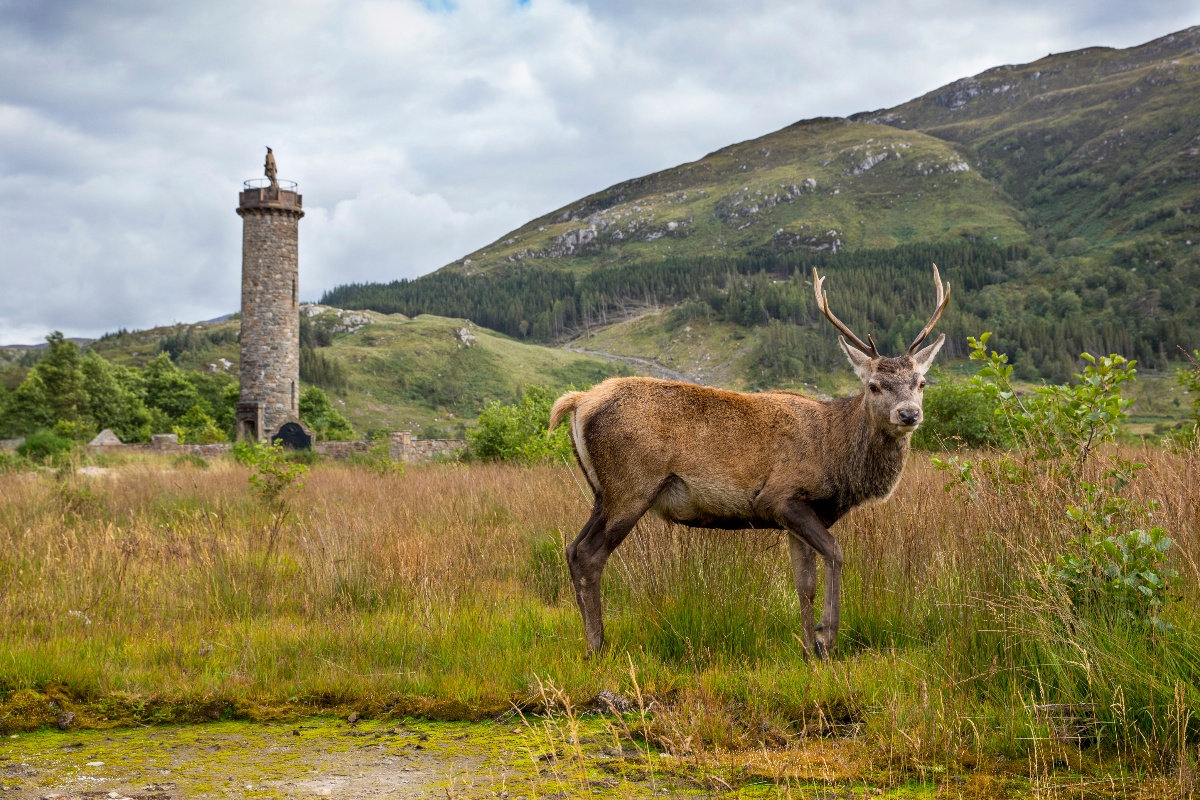
The cultural identity of the Highlands is inextricably linked to the Jacobite Risings of the 18th century. The Glenfinnan Monument, situated at the head of Loch Shiel, stands as a critical historical marker where Prince Charles Edward Stuart raised his standard in 1745. This event initiated a final, ill-fated attempt by the Stuart dynasty to regain the British throne, culminating in the Battle of Culloden in 1746.
The aftermath of these rebellions led to the Highland Clearances—a period of forced displacement that fundamentally altered the region’s demography and land use. Today, the Highland Folk Museum in Newtonmore provides a chronological narrative of this era. By recreating 1700s townships and 19th-century crofting villages, the museum serves as an educational repository, preserving the vernacular architecture and social structures that predated modern industrialization. This preservation of "living history" is a central component of the region’s appeal to the global Scottish diaspora.
The Economic Engine of Myth and Natural Wonders
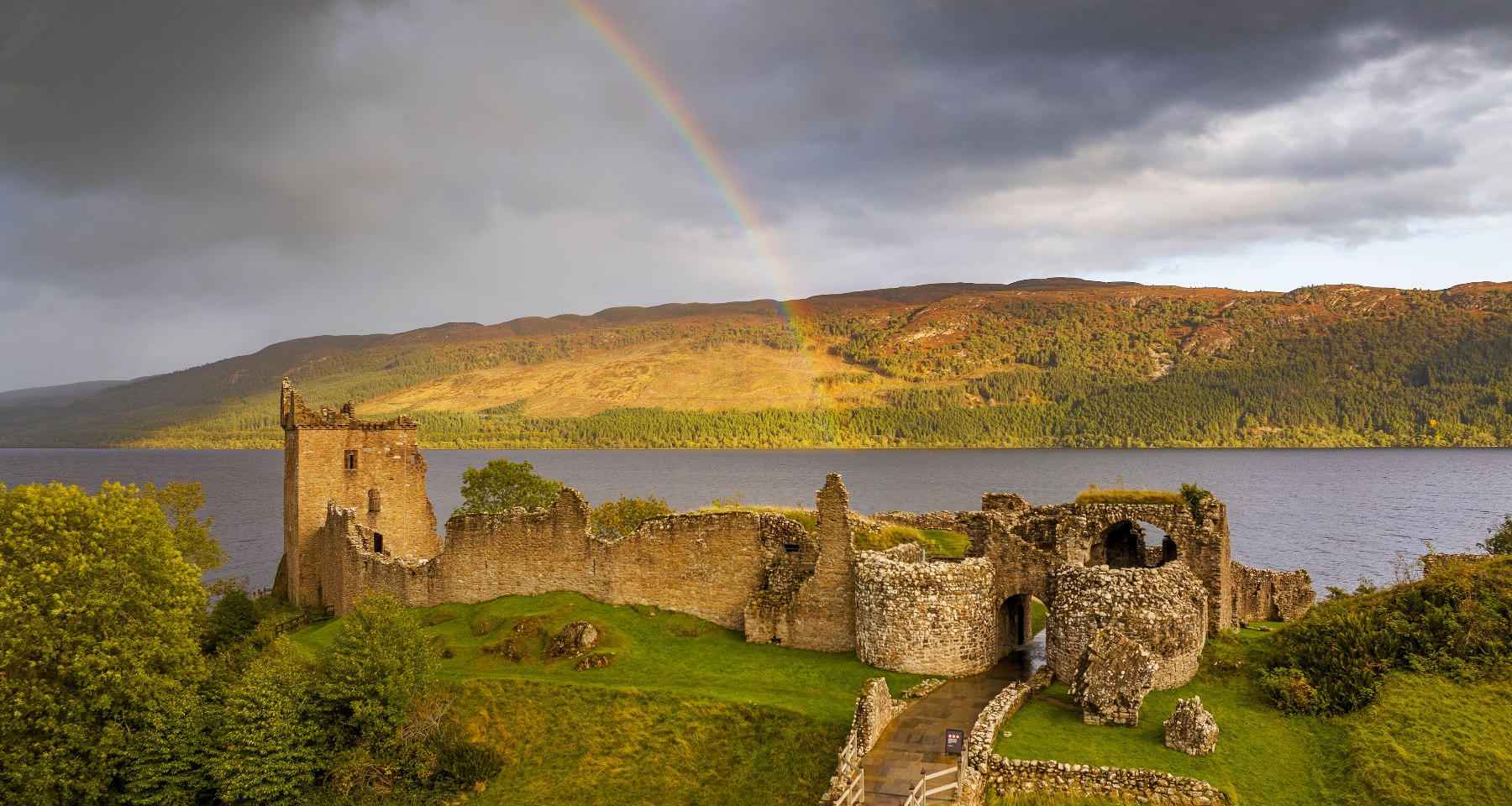
Perhaps no single entity generates more international recognition for the region than Loch Ness. Located just south of Inverness, the loch holds more fresh water than all the lakes in England and Wales combined. However, its primary economic contribution stems from the "Loch Ness Monster" legend. According to data from various economic impact studies, "Nessie" contributes an estimated £41 million annually to the Scottish economy.
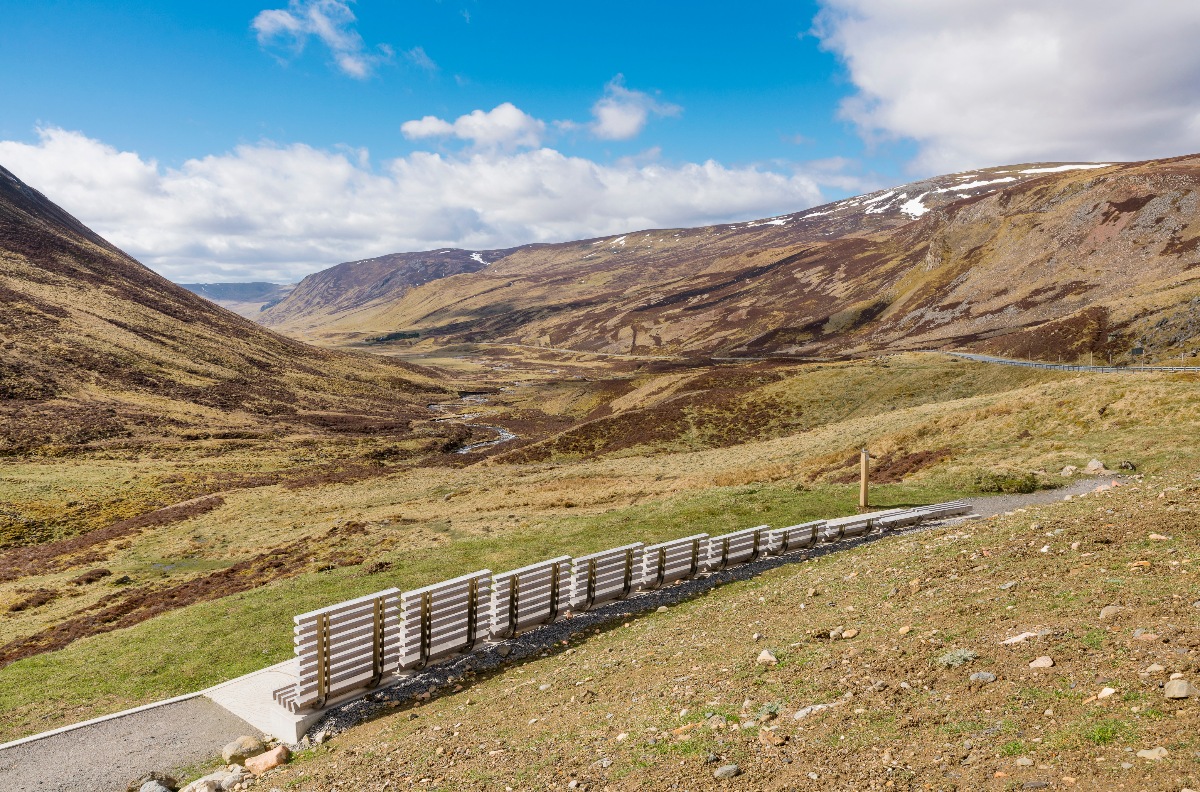
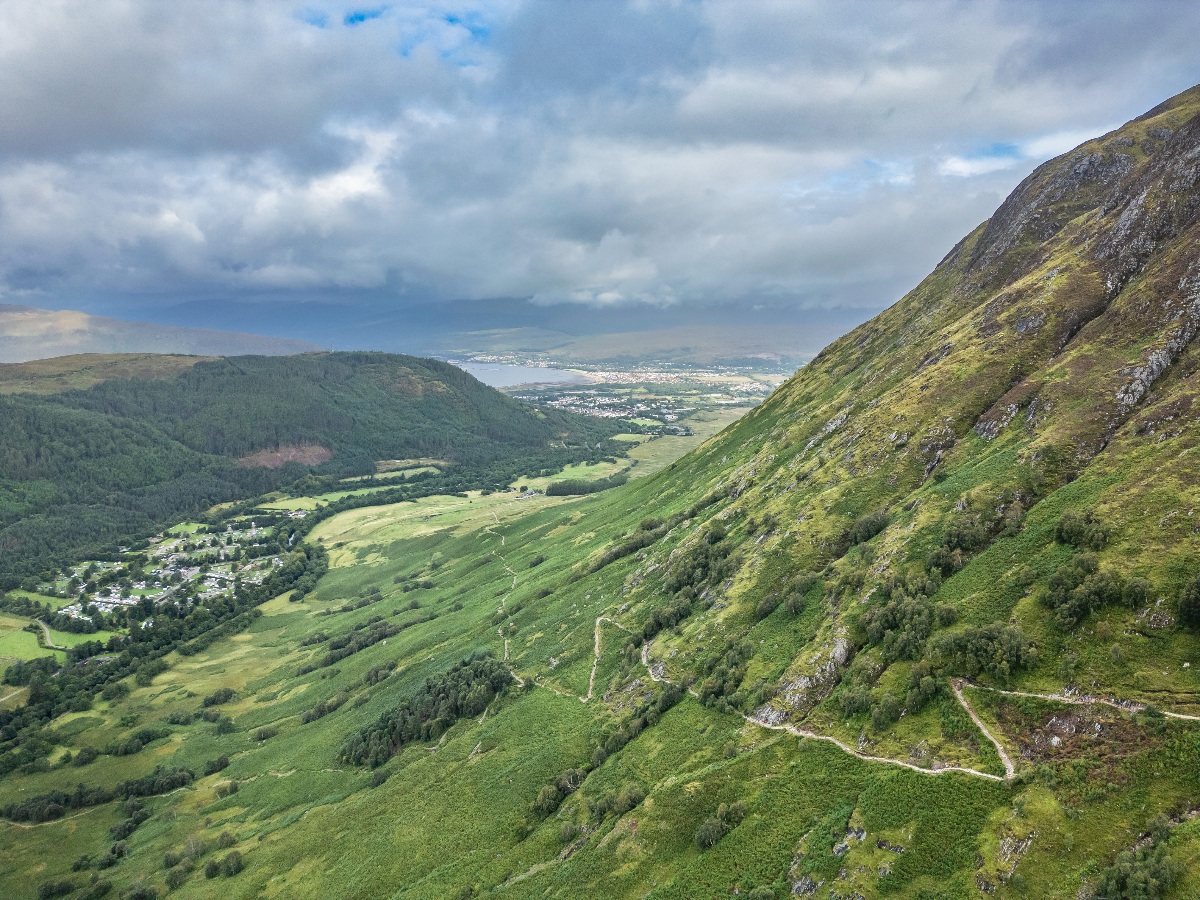
Beyond mythology, the region’s natural topography supports a robust outdoor sector. Fort William, positioned at the base of Ben Nevis—the UK’s highest peak at 1,345 meters—has branded itself as the "Outdoor Capital of the UK." The trekking, mountain biking, and white-water rafting industries in this sector provide significant employment for the local population. Similarly, Glenshee, the "Glen of the Fairies," hosts the UK’s largest skiing and snowboarding resort. Seasonal tourism here is a vital economic stabilizer, though it remains highly dependent on annual snowfall patterns, which have become increasingly volatile due to climatic shifts.
Cultural Preservation Through the Highland Games
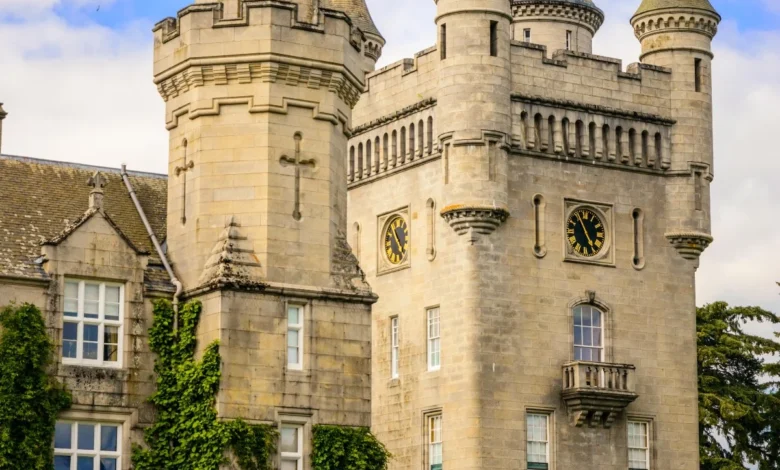
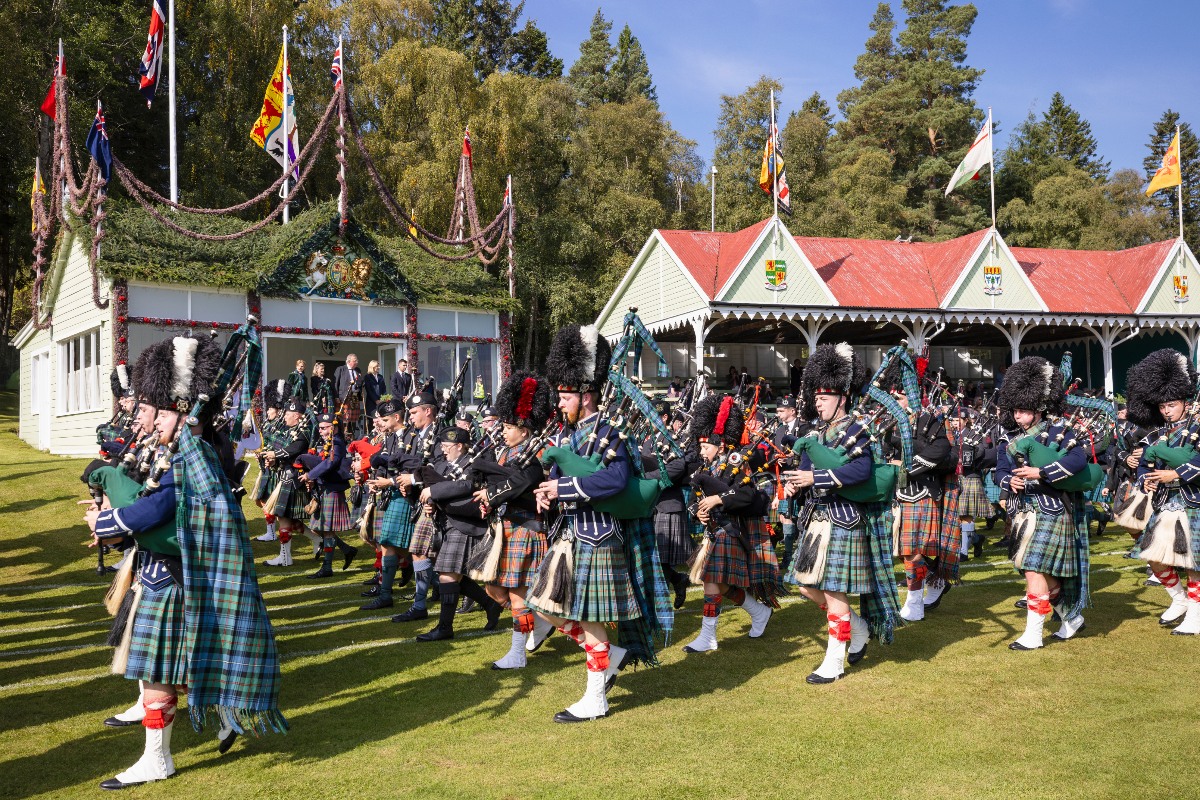
The Highland Games represent a tradition dating back to at least the 11th century, originally designed as a means for clan chiefs to recruit the strongest and most capable warriors. Today, these events—held between May and September—function as a cornerstone of cultural diplomacy. Events such as the Braemar Gathering are of particular significance due to their proximity to Balmoral Castle and the traditional attendance of the British Monarch.
The games incorporate "heavy events" such as tossing the caber and shot put, alongside Highland dancing and bagpiping competitions. These gatherings are not merely displays of athleticism but are essential for the survival of traditional Scottish crafts and music. Industry analysts note that the Highland Games act as a significant "pull factor" for international visitors, particularly from North America and Australia, where interest in ancestral heritage remains high.
The Royal Connection and Estate Management
The presence of the British Royal Family at Balmoral Castle since the reign of Queen Victoria has lent the Highlands a unique status within the UK’s social hierarchy. Balmoral serves as a private residence rather than a state-owned property, yet its grounds and certain interior sections are opened to the public seasonally. This "Royal effect" significantly boosts local tourism in the Royal Deeside area.
Recent developments in estate management have seen a shift toward "wildlife safaris" and eco-tourism on the Balmoral grounds, reflecting a broader trend across the Highlands toward environmental stewardship. Many large estates are transitioning from traditional grouse moors to reforestation projects and carbon sequestration initiatives, aligning the region’s land use with national "Net Zero" targets.
The Role of Luxury Hospitality in Regional Development
The Highlands’ reputation as a world-class destination is reinforced by its high-end hospitality sector. Properties such as Gleneagles in Perthshire—while technically on the Highland fringe—set the standard for luxury resort management. These establishments provide a diverse range of activities, including falconry, off-road driving, and archery, effectively creating self-contained tourism ecosystems.
The success of these luxury hubs has a "trickle-down" effect on smaller boutique hotels and bed-and-breakfasts throughout the glens. By attracting high-net-worth individuals, the region secures the capital necessary for infrastructure maintenance. However, tourism officials emphasize the need for a balanced portfolio of accommodations to ensure the Highlands remain accessible to a broad demographic of travelers, particularly families.
Broader Implications: Sustainability and the Future of the North
As tourism numbers continue to rise, the Highlands face the dual challenge of economic growth and environmental preservation. The "Outlander" effect—a surge in visitors driven by the popular book and television series—has placed unprecedented pressure on sites like Culloden Battlefield and the Isle of Skye.
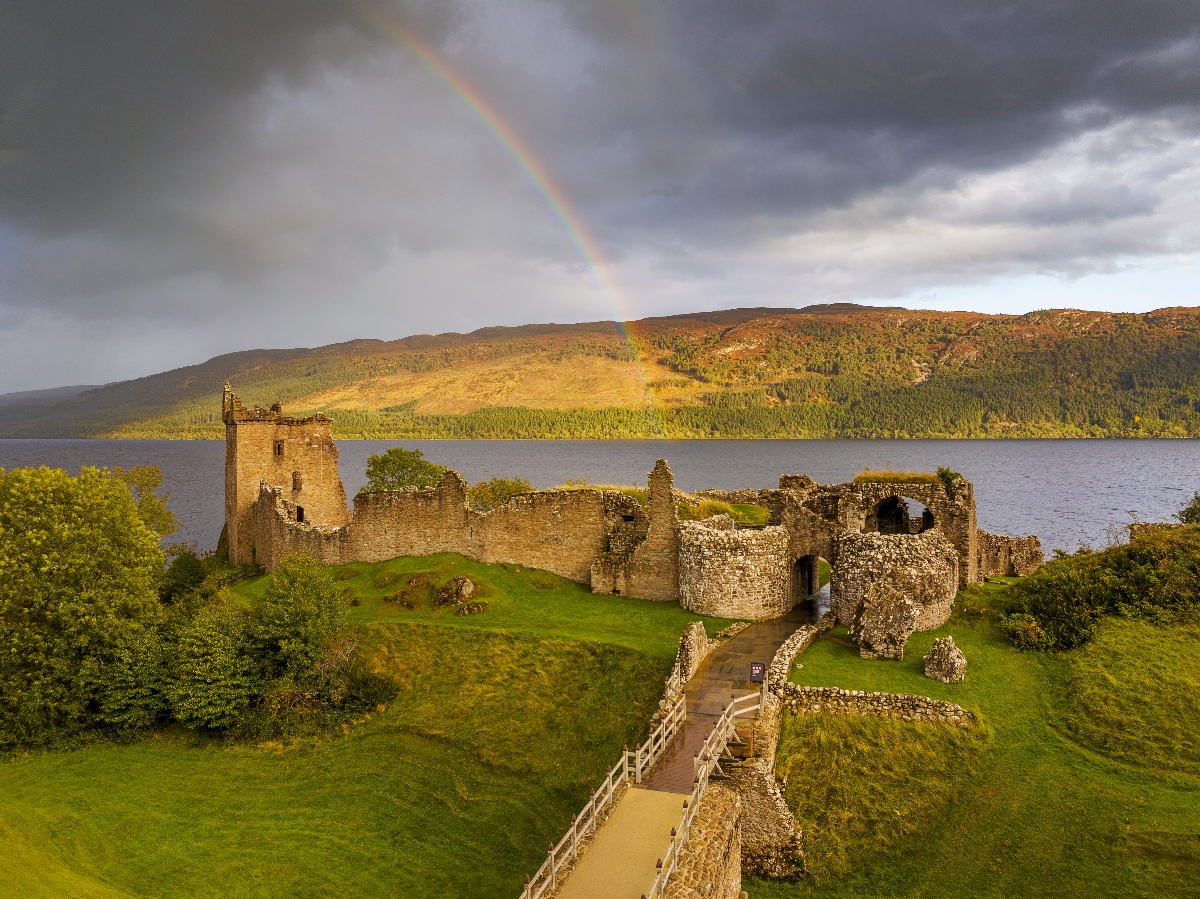
Official responses from organizations such as VisitScotland have focused on "responsible tourism." This strategy encourages visitors to explore less-frequented areas, such as the northernmost reaches of the North Coast 500 (NC500) route, to prevent "over-tourism" in hotspots like Loch Ness and Glenfinnan. There is an ongoing effort to ensure that the Highlands do not become a "museum piece" but remain a viable place for young people to live and work.
In conclusion, the Scottish Highlands represent a complex intersection of history, myth, and modern industry. From the ski slopes of Glenshee to the ruins of Urquhart Castle, the region offers a narrative of resilience and adaptation. For the family traveler, it provides an immersive educational experience; for the historian, a deep archive of British conflict; and for the economist, a model of how cultural heritage can be leveraged for sustainable regional development. As the UK navigates its post-pandemic recovery, the Highlands remain a vital asset, offering a "dreamy escape" that is grounded in the very real and rugged foundations of Scottish identity.
Data Summary and Key Statistics:
- Distance (London to Inverness): Approx. 570 miles.
- Flight Time: 90 minutes.
- Ben Nevis Elevation: 1,345 meters (Highest in the UK).
- Economic Impact of Loch Ness: Estimated £41 million annually.
- Peak Tourism Season: May through September (Highland Games season).
- Ski Season: December through April (Weather dependent).
Official Context:
Tourism authorities recommend that visitors plan itineraries at least six months in advance during the peak summer window to secure accommodations. While public transport is available, the Scottish Government continues to invest in road improvements (such as the A9 dualling project) to enhance safety and connectivity for the millions of motorists who traverse the Highlands each year.