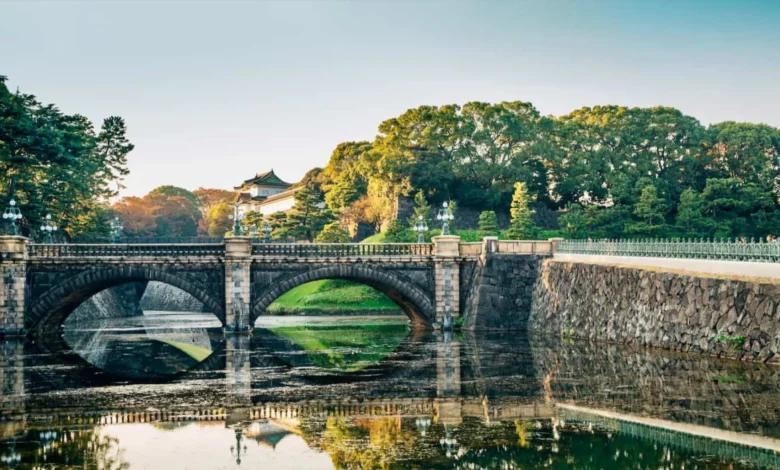
Tokyo, a sprawling metropolis renowned for its dynamic fusion of ancient traditions and futuristic innovation, offers an unparalleled depth of exploration that continually captivates visitors. With its labyrinthine alleyways, serene gardens juxtaposed against neon-lit skyscrapers, and an endless array of culinary delights, the city presents a unique challenge and reward for those seeking genuine immersion. Even seasoned travelers, having visited the capital multiple times, consistently uncover new facets – from obscure food stalls and venerable shrines to clandestine late-night bars, burgeoning subcultures, and distinct neighborhoods that feel like entirely separate worlds. This inherent complexity makes direct engagement with local culture an invaluable asset for unlocking Tokyo’s true essence.
In recent years, the landscape of urban tourism has evolved, with a growing emphasis on authentic, locally-led experiences that transcend conventional sightseeing. Platforms facilitating these unique encounters have emerged as critical conduits for travelers eager to delve beyond typical tourist itineraries. These curated experiences, often guided by long-term residents and local experts, provide an intimate, front-row perspective on Tokyo’s multifaceted character, spanning its celebrated food culture, vibrant nightlife, profound historical narratives, and intricate artisanal traditions. Such personalized tours frequently offer a more profound and nuanced understanding than many large-scale, pre-packaged excursions, fostering a deeper connection with the city and its inhabitants.
The Rise of Experiential Tourism in Tokyo
Tokyo’s appeal as a global travel destination continues to grow, attracting millions of international visitors annually. According to the Japan National Tourism Organization (JNTO), pre-pandemic figures showed a consistent increase in inbound tourism, with experiential travel gaining significant traction. Visitors are increasingly seeking activities that allow for direct participation, skill acquisition, and genuine interaction with local communities, moving beyond passive observation. This shift reflects a broader global trend where travelers prioritize meaningful cultural exchange and personal growth over mere checklist tourism.
Local-led tours, particularly those focusing on specific crafts, culinary traditions, or historical narratives, have become instrumental in meeting this demand. They offer a unique blend of education, entertainment, and authentic engagement, often leading participants to locales and perspectives inaccessible to independent explorers or larger tour groups. This approach not only enriches the visitor experience but also supports local economies by channeling tourism revenue directly to small businesses and individual guides who possess specialized knowledge.
Culinary Journeys: Savoring Tokyo’s Gastronomic Soul
Tokyo’s reputation as a global culinary capital is undisputed, boasting more Michelin stars than any other city. However, true appreciation of its food culture extends beyond high-end dining, delving into the meticulous preparation, historical evolution, and social rituals surrounding its diverse dishes. Experiential tours offer a tangible pathway into this rich gastronomic landscape.
Mastering the Art of Sushi: An Omakase-Style Immersion
Sushi, an iconic symbol of Japanese cuisine, is far more than raw fish and rice; it is an art form rooted in centuries of tradition and refined technique. While numerous sushi-making classes are available, a truly exceptional experience distinguishes itself through its setting and instruction. Engaging in a class within an authentic omakase restaurant, led by a seasoned sushi master or their apprentice, elevates the learning process significantly.
Participants gain insights far beyond basic shaping and slicing. The instruction delves into the philosophical underpinnings of sushi preparation: understanding why specific cuts of fish are paramount, how varying regions and chefs season rice differently to complement distinct styles, and the intricate art of pairing ingredients to achieve a harmonious balance of texture and flavor. This hands-on experience, often conducted in a small group setting during the morning, offers a fulfilling and educational start to the day. Historically, sushi originated as a method of preserving fish in fermented rice (narezushi) in Southeast Asia, gradually evolving in Japan into its modern forms. The Edo-mae style, prominent in Tokyo, emerged in the 19th century, emphasizing fresh, local ingredients and quick preparation, reflecting the fast-paced urban life of the time. This historical context underscores the depth of knowledge conveyed in such master-led classes.
Tokyo Ramen Tour: A Deep Dive into Japan’s Beloved Noodle Dish
Ramen, a seemingly simple bowl of noodles, broth, and toppings, inspires a fervent devotion across Japan and the world. A dedicated ramen tour serves as an indispensable guide to understanding this culinary phenomenon. Over approximately three hours, participants visit multiple ramen establishments, each showcasing a distinct style or regional variation.
The tour typically illuminates ramen’s fascinating origins, tracing its roots from Chinese noodle dishes introduced to Japan, its popularization after World War II as an affordable and nourishing meal, and its subsequent evolution into a complex culinary art form. Guides explain the nuances of various broth types—such as the rich pork bone tonkotsu, soy-sauce-based shoyu, miso-infused miso, and delicate salt-based shio—as well as the critical role of noodle textures and diverse toppings. This immersive tasting journey not only satisfies the palate but also educates participants on modern trends, regional differences, and the meticulous craft behind each bowl, emphasizing the immense culinary diversity often overlooked by casual diners.
Nightlife and Social Fabric: Unveiling Tokyo’s Evening Charms
Tokyo’s nightlife is as varied and dynamic as its daytime persona, ranging from neon-drenched entertainment districts to intimate, hidden local establishments. Izakayas, traditional Japanese pubs, are central to the social fabric, offering a relaxed setting for food, drink, and camaraderie.
Shibuya Nightlife: Untouristy Izakaya Immersion
Shibuya, globally recognized for its iconic scramble crossing, transforms into a bustling hub of activity after dark. A guided nightlife tour here provides access to izakaya spots largely untouched by mass tourism, offering an authentic glimpse into local social rituals. These tours, often led by energetic local hosts, typically visit 3-4 distinct izakayas, providing unlimited food and drinks. The emphasis is on experiencing the genuine atmosphere of these establishments, fostering interaction with locals, and understanding the etiquette and cultural significance of izakaya dining. Guides adeptly manage group dynamics, share cultural insights, and ensure a memorable, engaging experience that often extends beyond the scheduled time, a testament to their dedication.
Shinjuku Izakaya Tour: Exploring Hidden Alleys
Similar in spirit to the Shibuya experience, the Shinjuku Izakaya Tour navigates one of Tokyo’s other major nightlife epicenters. Shinjuku is famed for its dense concentration of tiny izakaya establishments, many concealed within narrow alleyways or tucked away on upper floors of unassuming buildings, making them challenging for unguided visitors to discover. A knowledgeable guide, often a sake sommelier, leads participants through these intimate, local spots.
The tour focuses on demystifying izakaya culture, explaining how to interpret menus, what to order (from grilled skewers to various small dishes), and the typical drinking and eating customs of locals. Along the way, participants sample different styles of sake, enhancing their appreciation for this traditional Japanese beverage. The social and relaxed atmosphere of these tours makes Shinjuku’s vibrant, sometimes intimidating, nightlife accessible and enjoyable, transforming what could be a bewildering experience into a culturally enriching one.
Sake and Whiskey Tasting: A Journey into Japanese Spirits
Beyond the casual izakaya experience, dedicated tasting classes offer a deeper understanding of Japan’s celebrated beverages. An unlimited sake tasting class, guided by experts, delves into the intricate process of sake production, from rice polishing to fermentation, often utilizing visual aids to simplify complex concepts. These small-group settings foster a personable and interactive learning environment. Similarly, Japan’s burgeoning whiskey industry, which has garnered international acclaim, is explored through tasting experiences that highlight its unique craftsmanship and diverse flavor profiles. The history of sake dates back over 2,000 years, evolving from a simple rice wine to a sophisticated national beverage deeply intertwined with religious rituals and social customs. Japanese whiskey, though a more recent phenomenon (early 20th century), has rapidly established itself as a world leader, celebrated for its meticulous production methods influenced by Scottish traditions but imbued with a distinctive Japanese character.
Cultural and Historical Immersion: Peeling Back Tokyo’s Layers
Tokyo’s modernity often overshadows its rich historical tapestry. Specialized walking tours and cultural experiences provide essential context, revealing the layers of history, tradition, and artistry that underpin the contemporary city.
Historic Tokyo Walking Tour: Tracing the Edo Legacy
To truly comprehend modern Tokyo, one must understand its roots as Edo, the seat of the Tokugawa shogunate for over 250 years. A historic walking tour, led by a lecturer specializing in Japanese history and traditional culture, offers profound insights into the city’s past. Rather than focusing on well-trodden tourist zones, these tours explore quieter, residential neighborhoods that have retained a strong connection to historical periods.
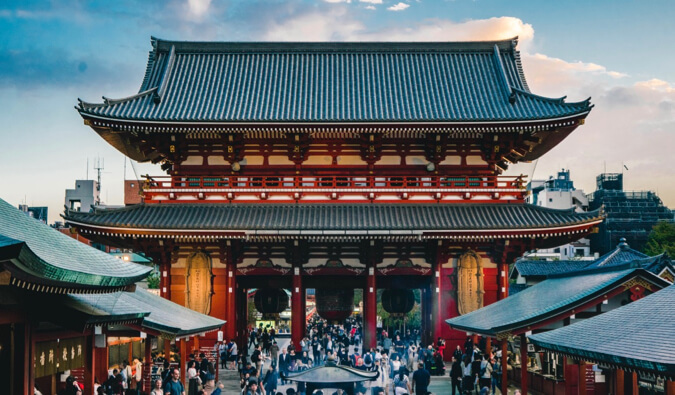
Key sites include the serene Nezu Shrine, with its iconic tunnel of red torii gates, and the charming old streets of Yanaka, one of the few areas to largely escape wartime destruction. Participants learn about the Edo period’s societal structure, the transformative Meiji Restoration (1868) that led to Japan’s rapid modernization, and the evolving role of the samurai class. This 2.5-hour walk provides a comprehensive, unhurried narrative, offering a much clearer understanding of the pivotal events and cultural shifts that shaped Tokyo into the global metropolis it is today. Yanaka, particularly, offers a glimpse into "shitamachi" (downtown) culture, characterized by its traditional wooden houses, local shops, and temples, providing a stark contrast to the city’s modern districts.
Tokyo Coffee Culture Tour: From Kissaten to Third Wave
Japan possesses a unique and meticulously developed coffee culture that spans over a century. A dedicated tour explores this evolution in less-visited neighborhoods like Jimbocho and Kanda, renowned for their bookstores and academic institutions. The tour delves into both the nostalgic charm of old-school kissaten (traditional Japanese coffee houses) and the innovative spirit of modern specialty cafés.
Participants learn about distinct Japanese brewing techniques, flavor profiles, and the inherent precision that characterizes the country’s approach to coffee. Visits to historic cafés, alongside establishments leading Tokyo’s "third-wave" coffee movement, showcase the breadth of this culture. The experience is often enriched by pairings with wagashi (traditional Japanese sweets), illustrating how these delicate confections complement coffee. This thoughtful and unique afternoon experience highlights how coffee, originally introduced in the late 19th century, integrated into Japanese society, developing its own distinct rituals and aesthetic.
Organic Matcha Tea Ceremony: A Serene Introduction
The Japanese tea ceremony, or chanoyu, is a highly ritualized and revered practice embodying principles of harmony, respect, purity, and tranquility. A one-hour organic matcha tea ceremony experience provides an accessible yet profound introduction to this ancient tradition. Participants learn about the extensive history of matcha, its integral role in Japanese society (from Zen Buddhism to daily life), and how to discern high-quality matcha varieties.
The host guides guests through the traditional preparation process step-by-step, involving the precise whisking and tasting of authentic matcha in a calm, traditional setting. This tranquil environment offers a welcome respite from Tokyo’s urban bustle, fostering a deeper appreciation for matcha—a beverage ubiquitous throughout Japan—and the meticulous artistry and spiritual significance behind its preparation. Matcha, a finely ground powder of specially grown and processed green tea leaves, has been central to the tea ceremony since its introduction from China by Zen monks centuries ago.
Exploring Tokyo’s Subcultures: Art and Urban Expression
Beyond mainstream attractions, Tokyo’s vibrant subcultures offer compelling insights into the city’s diverse creative spirit.
Shibuya and Harajuku Street Art Tour: Urban Canvases
While Tokyo may not boast the same sprawling, legally sanctioned murals found in Western cities, it possesses a unique and thriving underground street art scene. A tour through Shibuya and Harajuku reveals murals and installations hidden in alleyways and less conspicuous spaces, challenging preconceptions about urban art in Japan. The tour explores the specific cultural and legal context within which street art operates in Tokyo, where public displays of art are often more constrained.
Learning about the challenges and triumphs of local artists, and how this subculture creatively thrives within a restrictive environment, offers a fascinating perspective. The inclusion of visual examples showing murals before and after their creation adds crucial context, illustrating the ephemeral nature and artistic process of street art. This experience provides a unique lens into a lesser-seen side of Japan, highlighting its capacity for artistic expression even within stringent societal norms.
Broader Implications and the Future of Tokyo Tourism
These diverse Airbnb Experiences represent a microcosm of a larger trend in global tourism: the move towards authentic, responsible, and immersive travel. By connecting visitors directly with local guides and small businesses, these tours contribute significantly to several key areas:
- Cultural Preservation and Exchange: They actively facilitate the transmission of cultural knowledge and traditions, ensuring that intangible heritage is shared and appreciated by a global audience. This direct interaction fosters mutual understanding and respect between visitors and hosts.
- Economic Empowerment of Local Communities: Unlike larger, often foreign-owned tour operators, these experiences frequently channel revenue directly to local individuals and small, independent businesses. This decentralized economic benefit supports community livelihoods and strengthens the local economy.
- Sustainable Tourism Practices: Small-group, locally-led tours often have a lighter environmental footprint compared to large coach tours. They encourage deeper engagement with specific neighborhoods, reducing pressure on overcrowded tourist hotspots and promoting a more distributed form of tourism.
- Enhanced Visitor Satisfaction: The personalized nature, flexibility, and unique insights offered by these experiences consistently lead to higher levels of visitor satisfaction, transforming a trip into a truly memorable and enriching journey.
- Shaping Perceptions of Tokyo: By showcasing the city’s hidden gems, intricate traditions, and vibrant subcultures, these tours help to present a more nuanced and multifaceted image of Tokyo, moving beyond common stereotypes and encouraging repeat visits for deeper exploration.
As Tokyo continues to attract global attention, the role of such curated experiences will likely grow. They serve as vital bridges, connecting curious travelers with the authentic heart of one of the world’s most captivating cities, fostering a deeper appreciation for its complex history, dynamic culture, and warm hospitality. While numerous conventional tours exist, these local-led experiences offer a distinct advantage, promising engagement that transcends mere observation to become genuine participation.
Planning Your Expedition to Tokyo: Essential Logistical Considerations
For those inspired to embark on these immersive journeys, diligent planning is crucial to maximize the Tokyo experience.
Flight Arrangements: Securing cost-effective airfare is a foundational step. Utilizing comprehensive flight search engines that scan a vast array of websites and airlines globally ensures access to the most competitive rates, leaving no stone unturned in the quest for economical travel.
Accommodation Selection: Tokyo offers a wide spectrum of lodging options to suit every budget and preference. For budget-conscious travelers, hostels provide a social atmosphere and affordable rates, with numerous highly-rated establishments across the city’s diverse districts. For those preferring guesthouses or hotels, online booking platforms consistently offer competitive rates, providing access to an extensive inventory. Researching neighborhood-specific guides can further assist in selecting an area that aligns with individual travel interests and desired atmosphere.
Travel Insurance: An Indispensable Safeguard: Regardless of destination, comprehensive travel insurance is a non-negotiable aspect of responsible international travel. It provides essential protection against unforeseen circumstances such as illness, injury, trip cancellations, or theft. Investing in a robust policy offers peace of mind, ensuring financial and logistical support should any disruptions occur during the journey.
Optimizing In-Country Travel: The Japan Rail Pass: For travelers planning extensive exploration beyond Tokyo into other regions of Japan, the Japan Rail Pass is an exceptionally cost-effective solution. Available in 7-, 14-, and 21-day increments, this pass offers unlimited travel on the vast majority of Japan Railways (JR) lines, including the iconic Shinkansen (bullet train). Pre-purchasing this pass outside of Japan is often required and can result in substantial savings compared to purchasing individual tickets.
By integrating these practical considerations with a commitment to authentic, locally-led experiences, visitors can unlock the true magic of Tokyo, transforming a simple trip into an unforgettable journey of discovery and cultural immersion.