A Culinary Journey Through Melaka’s Iconic Hainanese Chicken Rice Balls at Kedai Kopi Chung Wah

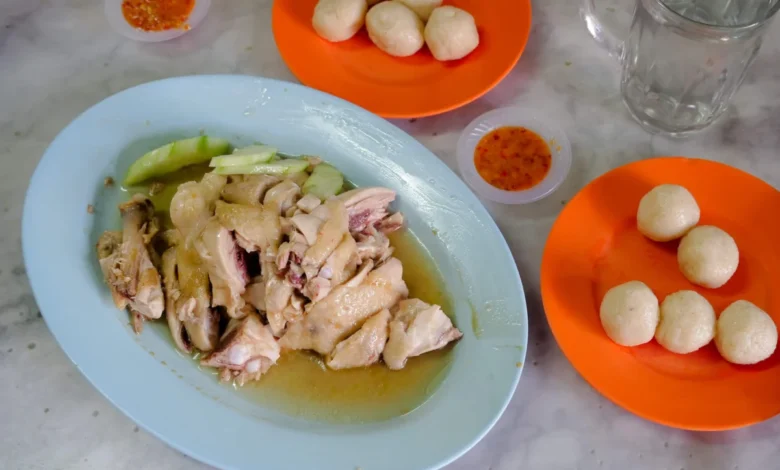
Melaka, Malaysia – A city steeped in centuries of history and a melting pot of cultures, Melaka stands as a testament to the enduring allure of Southeast Asia’s vibrant culinary landscape. Among its myriad gastronomic treasures, Hainanese chicken rice, particularly in its unique Melakan iteration of rice balls, holds a special place. This article delves into the experience of savoring this iconic dish at Kedai Kopi Chung Wah, a venerable establishment that has become synonymous with the authentic taste of Melaka.
The allure of Hainanese chicken rice transcends borders, establishing itself as a quintessential street food across the bustling metropolises of Southeast Asia. Its journey to Malaysia, and specifically to the historic port city of Melaka, is a story woven into the fabric of trade and migration. Melaka, strategically positioned along the Strait of Malacca, has been a nexus for cultural exchange since the 15th century. It was during this era of burgeoning maritime trade that Chinese traders, primarily from the Hainan province, brought with them their culinary traditions, indelibly shaping the local food scene.
While Hainanese chicken rice itself originates from Hainan, its adaptation and evolution in Malaysia, particularly in Melaka, showcase a fascinating fusion of influences. It’s crucial to note that while the dish is rooted in Chinese heritage, its presentation and accompanying flavors in Melaka have absorbed local nuances, creating a distinct culinary identity. This distinction is important when exploring the broader culinary tapestry of Melaka, which also boasts rich Peranakan and Nyonya traditions, offering a spectrum of unique flavors and cultural insights. These distinct cultural foodways, while sharing a common geographical origin, represent different historical trajectories and culinary philosophies.
Kedai Kopi Chung Wah, nestled in the heart of Melaka, has consistently been a top recommendation for locals and discerning travelers alike. The establishment is celebrated for its masterful preparation of Hainanese chicken rice, distinguished by its signature rice balls. These aren’t merely a side dish; they are an integral component of the culinary experience, meticulously crafted to complement the succulent chicken. The journey to Melaka to partake in this gastronomic delight is, for many, a pilgrimage worth undertaking.
The Genesis of Melaka’s Culinary Landscape
Melaka’s historical significance as a trading port predates its culinary fame. Its strategic location facilitated the arrival of numerous seafaring communities, each leaving an imprint on the city’s cultural and gastronomic heritage. The Chinese, in particular, played a pivotal role in introducing and popularizing a range of dishes that have since become staples in Malaysian cuisine. Hainanese chicken rice stands as a prime example of this enduring legacy.
The historical context of Chinese migration to Southeast Asia, particularly during periods of economic opportunity and political instability in China, is essential to understanding the widespread adoption of dishes like Hainanese chicken rice. These migrants, often establishing themselves as merchants and restaurateurs, not only brought their culinary skills but also adapted their recipes to utilize locally available ingredients and cater to local palates. This process of culinary adaptation is a hallmark of successful immigrant communities and has enriched the food cultures of their adopted homelands.
The Art of the Hainanese Rice Ball
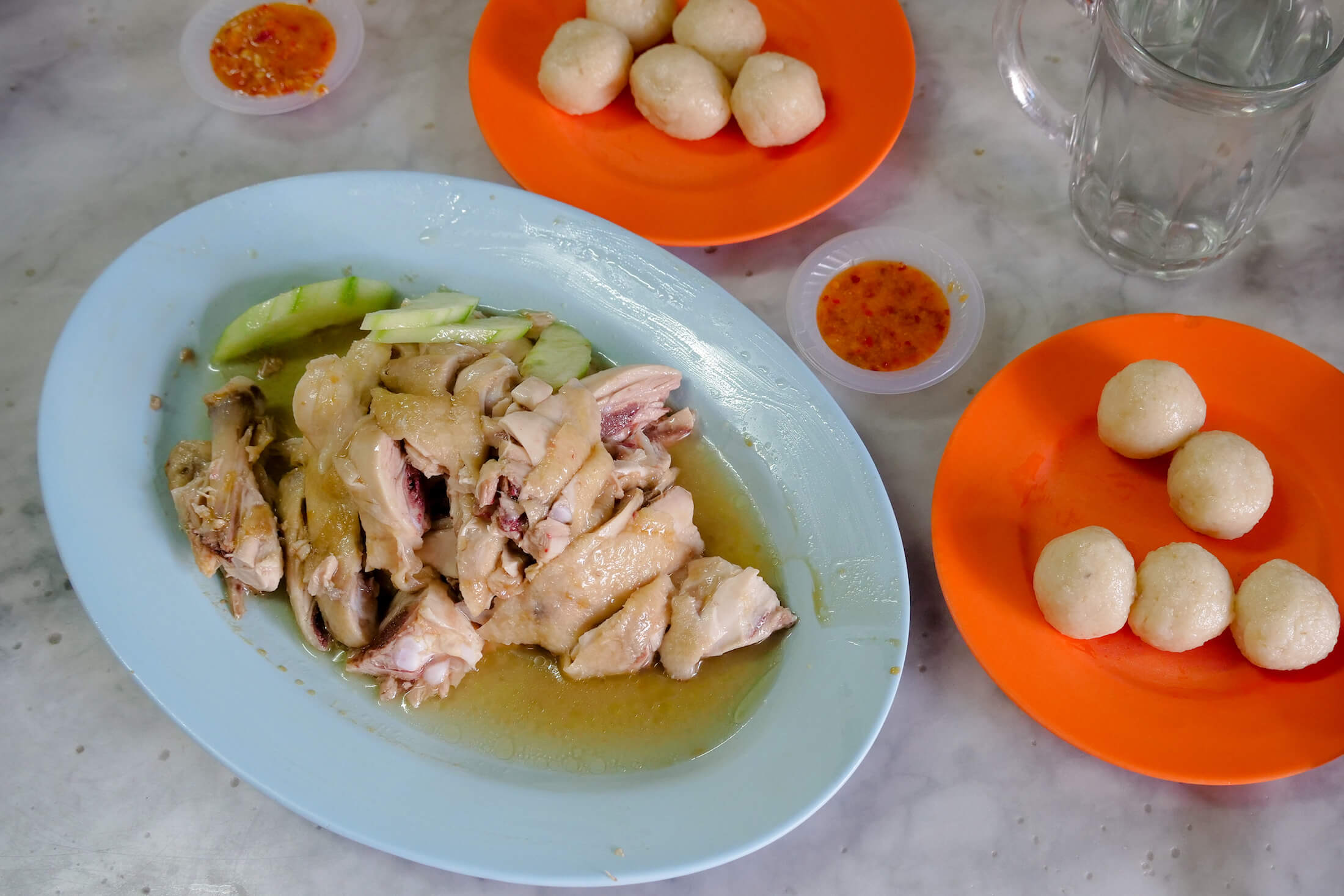
The most striking departure from the conventional presentation of Hainanese chicken rice at Kedai Kopi Chung Wah is its accompanying rice balls. These are not the fluffy, individual grains typically served but are tightly packed spheres, demonstrating a unique culinary technique. The process of forming these rice balls is labor-intensive and requires a precise balance of moisture and texture to ensure they hold their shape without becoming dry or crumbly.
The visual appeal of these rice balls is undeniable – firm, compact orbs that can be easily rolled onto a plate. Their texture is distinct; while appearing white, the quality of the cooked rice is different from standard varieties. The grains themselves are so integrated that they lose their individual definition, leading to an initial impression of a stickier, glutinous rice. However, the underlying flavor profile is nuanced, a testament to the careful cooking process that imbues the rice with the aromatic essence of chicken broth and other seasonings. This meticulous preparation is a key differentiator that elevates the dish beyond a simple meal to a culinary art form.
The creation of these rice balls is rooted in practicality. Historically, Hainanese families developed this method to create portable, self-contained meals for picnics and outings. The ability of the rice balls to retain their integrity and flavor without refrigeration made them ideal for travel, allowing families to enjoy a hearty and satisfying meal while exploring the outdoors. This historical context adds another layer of appreciation to the dish, connecting diners to the ingenuity and resourcefulness of its originators.

Navigating the Ordering Experience
The ordering process at Kedai Kopi Chung Wah is remarkably streamlined, designed to efficiently serve the constant influx of patrons. The system is straightforward: the number of people in your party dictates the number of rice ball plates to be ordered. Subsequently, you decide on the quantity of chicken, with options for either half or whole chickens. This simplicity ensures that the focus remains on the food and minimizes any potential delays.
The speed of service is legendary. It’s not uncommon for diners to find themselves seated with their food almost as quickly as they’ve placed their order. This efficiency is a necessity, given the restaurant’s immense popularity, often evidenced by a queue stretching out the door. While the dining experience is undoubtedly rewarding, it’s important to note that Kedai Kopi Chung Wah is primarily a destination for a quick, delicious meal rather than a leisurely dining experience. The high turnover rate underscores the demand for their signature dish.
The Intricacies Behind the Simplicity
Despite its seemingly straightforward appearance, Hainanese chicken rice is a dish that demands meticulous attention to detail and a significant amount of preparation time. The saying "it’s the little things that count" is particularly relevant here. Each step in the cooking process is crucial, and any deviation can impact the final flavor and texture.
The family behind Kedai Kopi Chung Wah embodies this dedication to tradition. As a Chinese-Malay family, they have inherited and honed these culinary skills over generations, ensuring that the authenticity of their Hainanese chicken rice remains uncompromised. Their commitment to preserving these traditional recipes is evident in every plate served, a testament to their hard work and culinary prowess. The consistent quality and flavor are not accidental but the result of a deep understanding and respect for the culinary heritage they uphold.
The Star of the Show: The Chicken
The chicken, the centerpiece of the dish, is prepared with a focus on tender texture and infused flavor. The chefs work with remarkable speed to keep up with demand, a spectacle in itself. Diners are encouraged to savor the chicken while it is still steaming hot. The skin is exceptionally soft, having absorbed the subtle smoky and garlicky notes from the preparation process. This careful steaming and flavor infusion result in chicken that is both succulent and deeply aromatic.

The quality of the chicken is paramount. The steaming process, a hallmark of Hainanese chicken rice preparation, ensures that the meat remains moist and tender, preventing it from becoming dry. The subtle flavor imparted by the broth and aromatics during cooking adds a layer of complexity that is distinct from other chicken preparations.
The Enigmatic Sauce: A Flavor Catalyst
While the chicken is undoubtedly well-prepared, it is the accompanying sauce that truly elevates the dish to extraordinary heights. The sauce at Kedai Kopi Chung Wah is a revelation, a vibrant explosion of flavor that perfectly complements the subtle notes of the chicken and rice. Its base is a carefully balanced blend of vinegar and garlic, delivering a tangy, slightly spicy profile that is distinctly Malaysian.
This sauce is not merely an accompaniment; it is an integral part of the culinary experience, transforming a good meal into a great one. The interplay between the savory chicken, the aromatic rice, and the zesty sauce creates a harmonious symphony of tastes and textures. The chef’s ability to craft such a potent and flavorful sauce, one that so perfectly embodies local tastes while complementing a dish of Chinese origin, is a testament to the rich fusion of cultures in Melaka. The desire to replicate such a unique flavor profile at home, as expressed by some diners, highlights its exceptional quality.
The Unforgettable Rice Balls
The true stars of the show at Kedai Kopi Chung Wah are, undoubtedly, the chicken rice balls. These are the element that draws in crowds and cements the restaurant’s reputation. The rice itself is remarkable, possessing a unique character in both appearance and flavor, and exuding a captivating aroma.
The initial scent is subtly smoky, reminiscent of the caramelized edges found at the bottom of a rice cooker pan – a texture that many find to be a delightful part of the rice ball experience. This unique texture, combined with the rich flavor derived from being cooked in fragrant chicken broth, makes these rice balls unlike any other. They are the perfect foil for the tender chicken, providing a satisfying textural contrast and a concentrated burst of flavor with every bite.

Beyond their immediate culinary appeal, these rice balls hold a unique place in the history of portable food. Their design as compact, easy-to-handle spheres makes them ideal for outdoor activities such as picnics and hiking trips. This practicality, combined with their deliciousness, positions them as an exemplary example of Chinese cuisine adapted for a more adventurous lifestyle. The Hainanese contribution to this culinary innovation, bringing these portable and flavorful rice balls to Malaysia, is a significant aspect of their gastronomic heritage.
The Ambiance of a Melaka Kopitiam
The name "Kedai Kopi Chung Wah" itself offers a clue to the restaurant’s atmosphere. "Kopi," meaning coffee in Bahasa Melayu, suggests a traditional "kopitiam" or coffee shop setting. These establishments are central to Malaysian social life, often serving as casual meeting places where locals gather over coffee and light meals. While ice coffee is a popular choice, the strong tradition of tea, particularly among the Chinese community, also makes it a favored beverage.
The restaurant’s location is another key aspect of its appeal. Situated on a corner facing Jonker Street, a renowned hub for walking tours and local exploration, Kedai Kopi Chung Wah is easily accessible. Despite its prime location and immense popularity, the allure of its unique culinary offering makes the potential wait in line a worthwhile endeavor. Arriving early, ideally around the opening time of 9 am, is advisable to minimize wait times.
Navigating parking in the vicinity can present challenges, as road markings may not always offer clarity. This is a common consideration in many bustling urban centers in Southeast Asia, where local driving and parking customs can differ from international norms.
A Culinary Legacy and a Melakan Institution
Kedai Kopi Chung Wah is more than just a restaurant; it is a culinary institution that embodies the rich history and diverse flavors of Melaka. The enduring popularity of its Hainanese chicken rice balls is a testament to the quality of its ingredients, the meticulousness of its preparation, and the dedication of the family that continues to uphold these traditions.

The restaurant’s operating hours are typically from 9 am to 3 pm on weekdays and extended to 4 pm on weekends, reflecting a focus on the lunch crowd and early afternoon visitors. The affordability of the meal, with an entire meal for a party costing approximately 28 Malaysian Ringgit (US$6.77 at current exchange rates), further enhances its appeal, making it accessible to a wide range of diners.
For those seeking to explore the broader culinary landscape of Malaysia, the country offers a wealth of regional specialties. While Melaka is renowned for its unique blend of influences, other regions, such as Kelantan and Terengganu in the north, boast distinct local cuisines, including the intensely flavored fermented durian dish, Tempoyak. These regional variations highlight the vastness and diversity of Malaysian food culture.
Kedai Kopi Chung Wah’s contribution to Melaka’s gastronomic identity is undeniable. It represents a harmonious blend of tradition and adaptation, a culinary masterpiece that continues to captivate diners and serve as a delicious reminder of the city’s vibrant past and its enduring cultural legacy. The experience of savoring their chicken rice balls is not merely about eating; it is about immersing oneself in a piece of Melaka’s history and a celebration of its flavorful heritage.