The Art of Place: How Immersive Encounters Shape New Zealand’s Identity for Discerning Travelers

The question of what imbues a location with its distinct identity has become increasingly central to the evolving landscape of luxury travel. This pursuit of authenticity, moving beyond curated highlights to genuine connection, is reshaping how discerning travelers experience New Zealand. Rather than simply observing picturesque vistas, a growing cohort seeks immersion into the creative pulse and living traditions of a place, connecting with the artisans and producers who are the true custodians of its spirit.
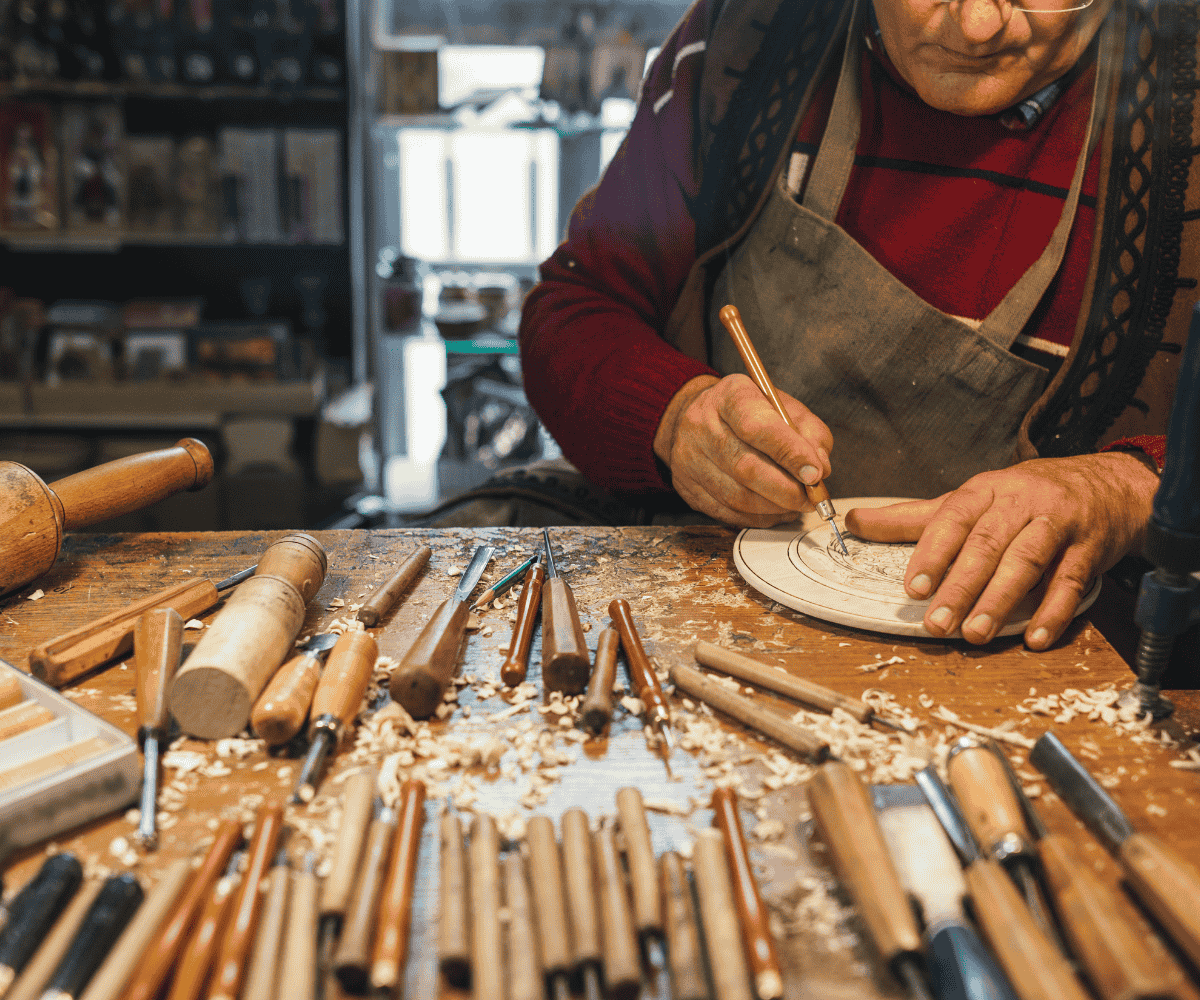
This shift is not merely anecdotal; it reflects a broader trend in high-net-worth travel, where experiences are valued over possessions, and authenticity trumps superficial gloss. Recent years have seen a marked increase in inquiries from clients of luxury tour operators, such as Aroha Luxury New Zealand Tours, seeking opportunities to engage directly with individuals who craft and create. This desire extends beyond a fleeting glimpse; it encompasses a deep curiosity about the process, the materials, and the very essence of a region as embodied by its makers.
A potent illustration of this evolving travel philosophy unfolded a few years ago during a tour designed for a couple from the United States. While the itinerary was meticulously planned, an impromptu detour to a glassblower’s studio in Whanganui proved to be a pivotal moment. Recognizing the couple’s appreciation for artistry, a spontaneous decision was made to visit a local artisan. Arriving at the studio mid-morning, they were met not with a rehearsed performance or a polished sales pitch, but with the raw, unadulterated reality of an artist at work.
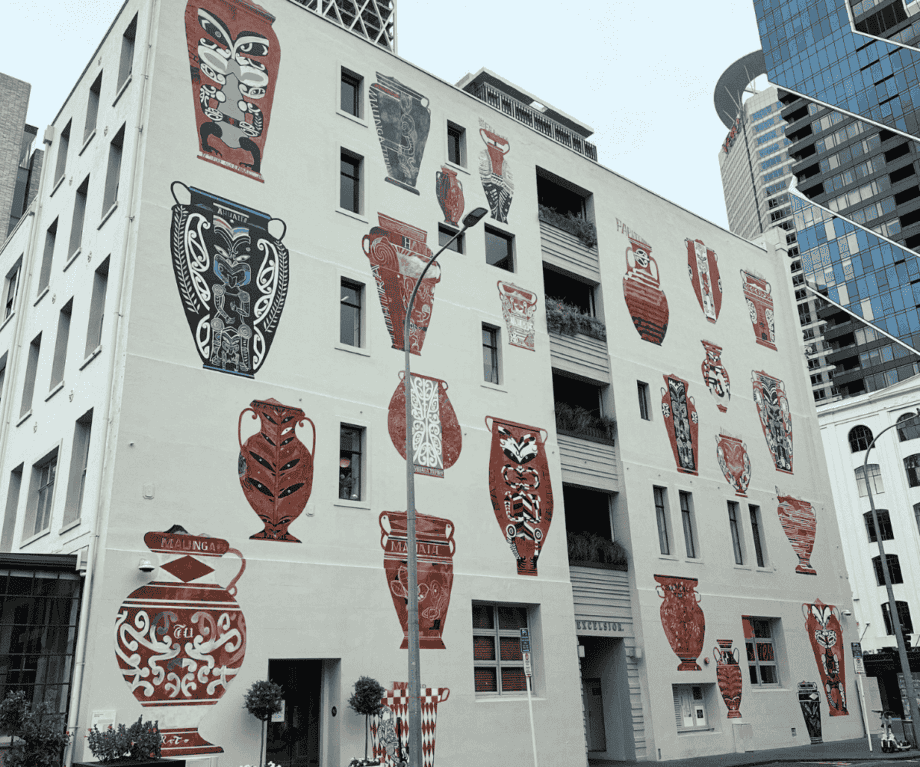
The studio itself was a testament to dedication over presentation. Shelves overflowed with a captivating array of finished pieces, works in progress, and even experimental failures, a scene that spoke volumes about the artist’s relentless pursuit of perfection. Dust motes danced in the sunlight, and tools lay scattered, testament to a mind fully engrossed in the creative act rather than meticulous tidiness. Yet, the artist extended a warm welcome, briefly showcasing a vessel he had spent months refining. He held it to the light, his words a quiet contemplation of its color, before returning to his task, a gesture of genuine engagement that transcended the transactional nature of typical tourist encounters.
This unscripted interaction, devoid of any artifice, resonated deeply. The couple later remarked that this hour had been the highlight of their journey thus far, a sentiment particularly striking given they were only three days into their New Zealand adventure. It underscored a profound truth: that genuine connection, forged through shared moments of appreciation for craftsmanship, can leave a more indelible mark than any meticulously curated attraction.
The Rise of Experiential Encounters in New Zealand Tourism
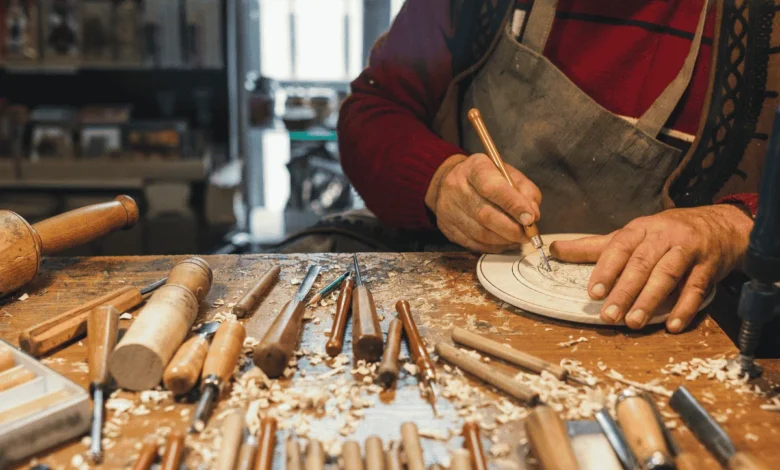
The change in traveler expectations is palpable. Previously, inquiries predominantly centered on New Zealand’s renowned landscapes – its dramatic coastlines, majestic mountains, and pristine fjords. While these natural wonders remain a significant draw, there has been a discernible shift towards a more intimate exploration of the country’s cultural fabric. Guests now frequently ask about the possibility of spending time with individuals who are actively engaged in creating tangible objects. This includes not just the opportunity to taste wine, but to visit a winemaker in their actual vineyard or cellar, observing the alchemy of fermentation firsthand. Similarly, the appeal lies in meeting a jeweler in her workshop, surrounded by raw materials and the tools of her trade, or a textile artist meticulously dyeing fabrics by hand, or a furniture maker whose workspace is adorned with stacked timber and the tell-tale signs of sawdust.
This evolving preference is often articulated by travelers seeking to engage with what they term "real" creators. It signifies a discerning traveler who is not necessarily unimpressed by beauty, but rather seeks a deeper understanding of how that beauty is brought into being. For those who have traversed considerable distances and experienced diverse cultures, the passive consumption of highlight reels can begin to feel superficial. The distinction between merely seeing a place and truly experiencing it becomes paramount.
While the tourism industry is often susceptible to fleeting trends and marketing jargon, this particular shift feels genuinely rooted in a desire for authentic engagement. This is evidenced by its gradual, organic emergence across various regions and sectors, rather than a sudden, manufactured phenomenon.
Accessing the Authentic: Regional Narratives Unveiled
New Zealand’s inherent character lends itself exceptionally well to this burgeoning demand for authentic experiences. Many of its most compelling attractions remain subtly understated, requiring a willingness to venture beyond the obvious. Whanganui, with its rich artistic heritage, serves as a prime example. Similarly, Nelson, renowned for its abundant sunshine, national parks, and vibrant natural landscapes, also boasts a thriving community of working artists.
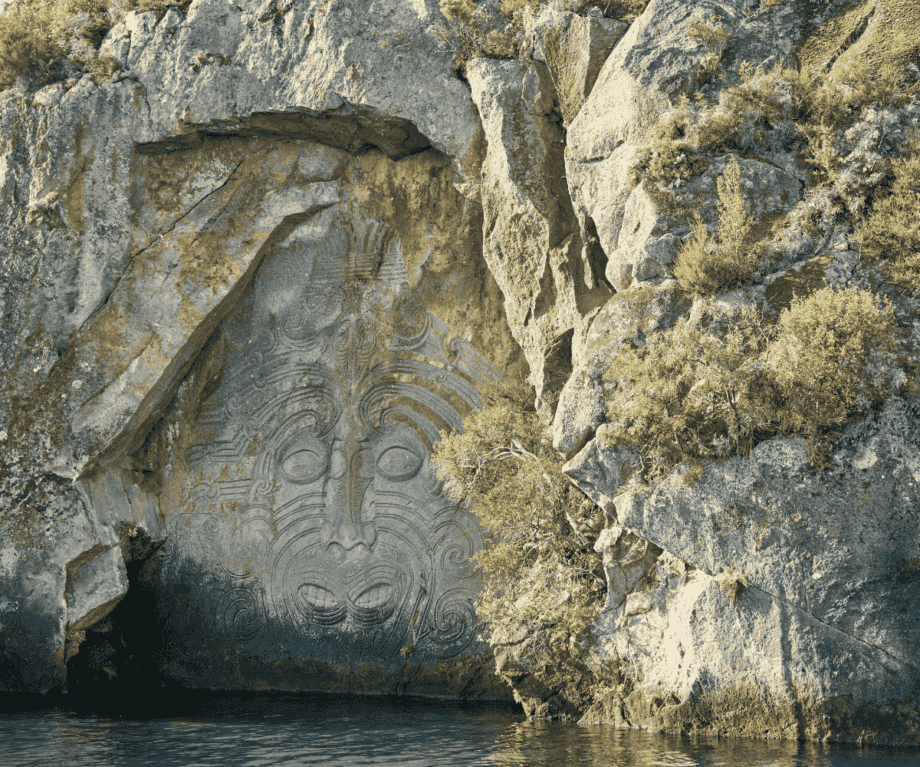
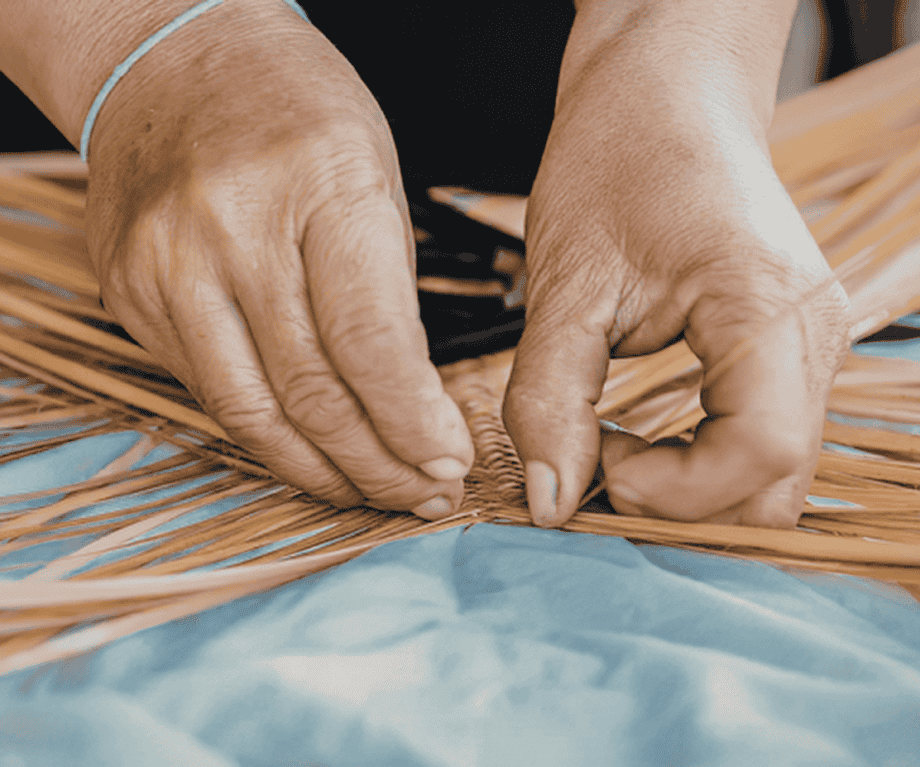
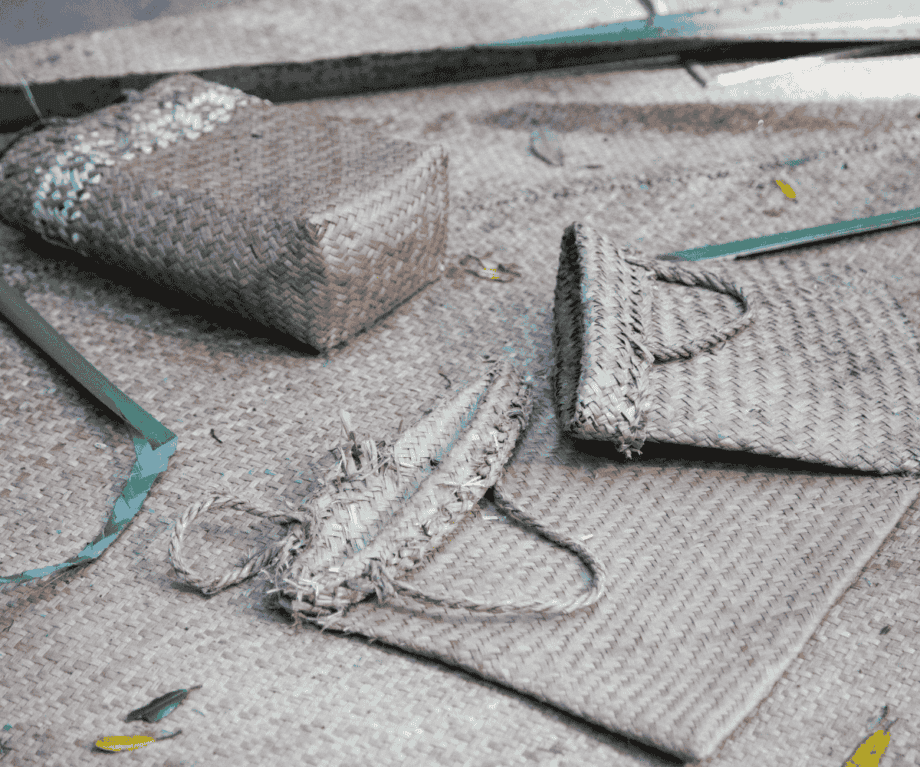
For guides and tour operators specializing in high-end travel, the presence of a substantial community of active artists is a crucial element in delivering an intact and meaningful experience. This includes potters, jewelers, printmakers, weavers, and woodworkers, many of whom are not solely focused on commercial exposure but are deeply invested in their craft. Their willingness to open their studios and share their creative processes is what imbues these visits with authenticity.
Central Otago presents another compelling narrative of this immersive approach. Beyond its world-famous vineyards and sophisticated lunch venues, the region reveals a profound richness, particularly during the autumn months. Here, a diverse array of artists operate from rustic old sheds or purpose-built studios, often with their doors invitingly open. One such artist, whose work is highly regarded, often reflects on the profound influence of environment, stating, "People do their best work in places where the elements are not entirely gentle." This sentiment encapsulates the raw, elemental connection that many New Zealand artists share with their surroundings, a connection that deeply enriches the visitor experience.
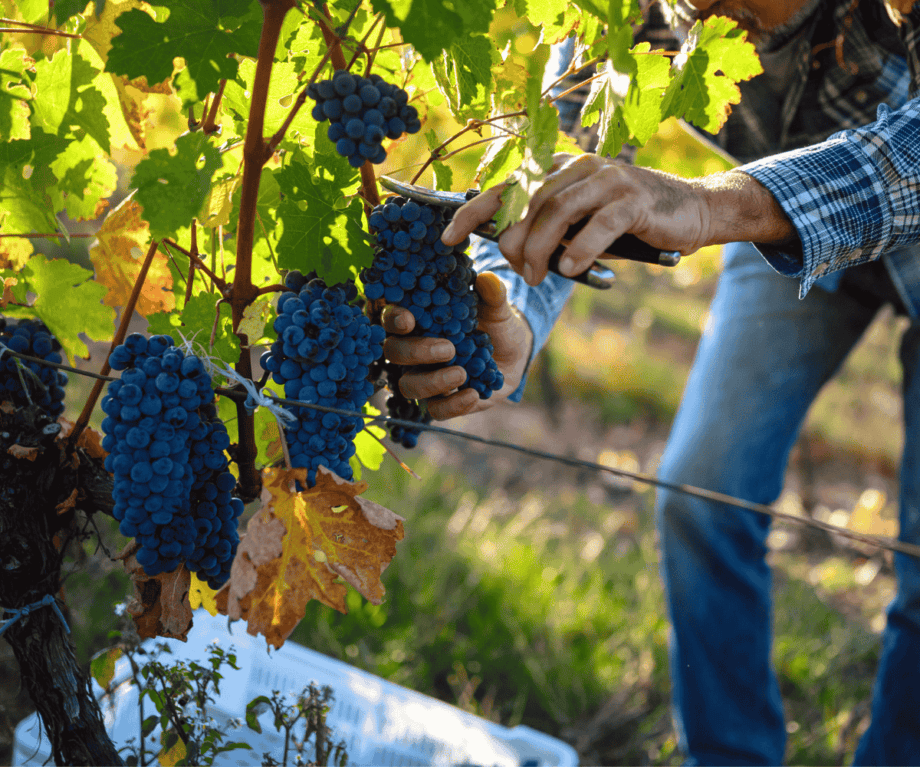
Even the Marlborough Sounds, typically associated with breathtaking scenery, offers a nuanced experience through its producers of food and wine. The local specificity found here is difficult to replicate. Successful producers articulate their craft with remarkable precision, referencing factors such as the quality of light, the specific aspect of their vineyards, the salty tang of the sea air, the vagaries of a particular growing season, and the impact of climatic shifts. This detailed articulation of place and process mirrors the meticulous attention to detail one might encounter in an artist’s studio, albeit directed towards different mediums.
The Essence of Immersion: Beyond Polished Culture
The common thread weaving through these diverse experiences is not a conventionally polished notion of "culture," but rather a profound immersion into another person’s world. This is precisely what a significant segment of today’s travelers are seeking, even if they struggle to articulate it explicitly. They aspire to depart a destination with the feeling of having been granted a subtle, unobtrusive glimpse into the rhythm, spirit, and daily life of its people.
This behind-the-scenes access, offered without intrusion, allows for a deeper understanding of how a region’s identity is shaped by those who work intimately with their hands, their materials, the prevailing weather, and the changing seasons. It fosters a connection that transcends superficial observation, allowing for a more profound appreciation of the place.
Such travel, by its very nature, cannot be hurried. This unhurried pace, while perhaps less glamorous, is arguably the most critical component. An hour spent in meaningful dialogue with the right individual can yield far more insight and lasting memory than an entire day spent efficiently ticking off a list of attractions. However, this is only possible when time is not a pressing concern. When travelers feel rushed, their engagement shifts from genuine curiosity to polite observation, conversations become stilted, and the exchange remains superficial.
The Nuance of Time: Allowing the Day to Unwind
When curating journeys centered around art, design, culinary experiences, or the lives of artists, it is often beneficial to intentionally build in more unstructured time than guests might initially anticipate. This is not about empty hours for their own sake, but rather a deliberate margin for conversations to naturally deepen, for an object to be contemplated with greater attention, or for an unexpected discovery to unfold.
It is, of course, understandable that guests who have traveled considerable distances wish to maximize their time. However, in New Zealand, maximizing time often translates to allowing the day to unfold organically rather than packing it tightly. This approach recognizes that true engagement often emerges from moments of spontaneous discovery and unhurried contemplation.
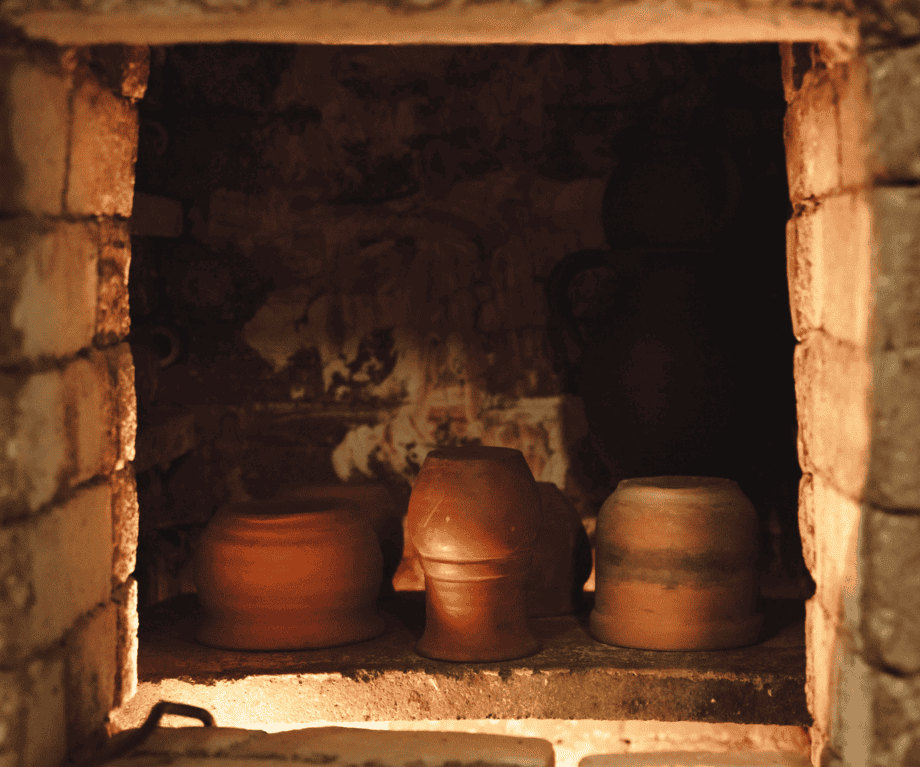
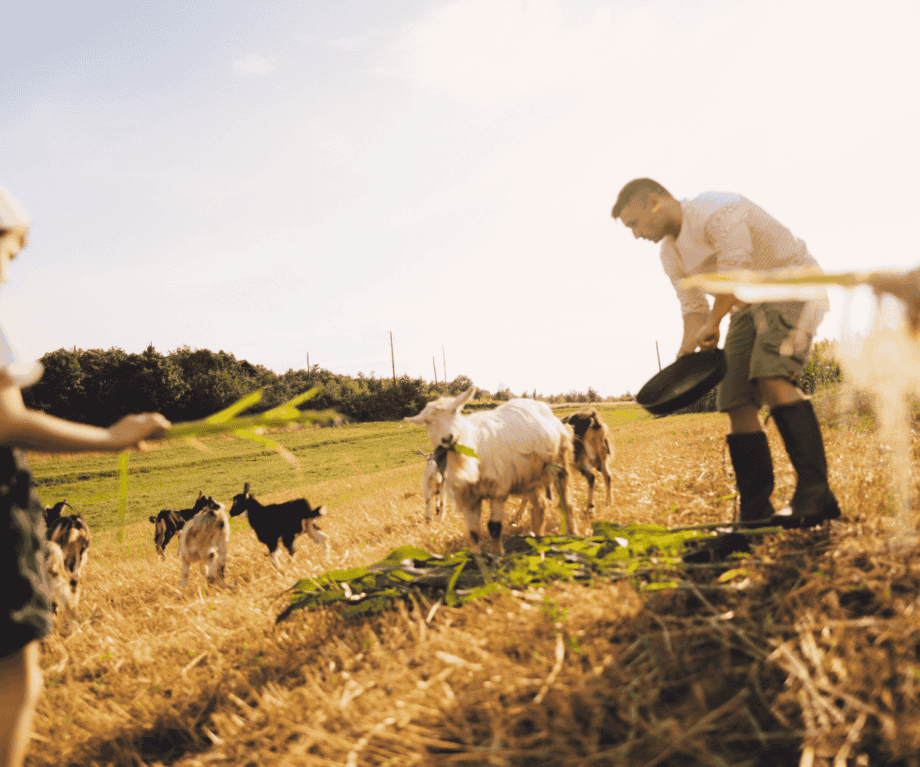
A seasoned guide in Central Otago, possessing deep familial ties to the region, exemplifies this philosophy. When he speaks of a particular sheep station, a secluded valley, an historic homestead, or even a solitary stand of trees, his words carry the weight of intimate familiarity, not rote recitation. This authenticity profoundly alters the group’s attentiveness; people listen differently when they sense they are receiving something genuine and heartfelt.
The same principle applies to a well-executed studio visit, an extended conversation with a winemaker, or a meal at an establishment where the owner can articulate the provenance of every ingredient, knowing precisely which local grower supplied the fruit that morning. Individually, these moments might not appear dramatic or photogenic in a grand sense. They do not typically translate into the sweeping, iconic travel shots that define conventional tourism. Yet, it is precisely these nuanced, textured experiences that often linger most vividly in the memories of travelers once they have returned home.
The Enduring Power of Texture and Connection
It is important to acknowledge that not all travelers seek this specific mode of exploration, and that is entirely valid. New Zealand offers an unparalleled wealth of experiences for those drawn to its vast landscapes, its challenging hikes, its exhilarating helicopter tours, its world-class fishing, and the sheer exhilaration of its natural grandeur. The country excels at delivering these grand, awe-inspiring moments.
However, even within these experiences, there exists an opportunity for enhanced texture and a deeper human connection. New Zealand provides a remarkable canvas for this, but discovering its richer layers requires intentionality – knowing where to look and, crucially, resisting the urge to overschedule the day.
A poignant illustration of this impact was a photograph sent months after a tour, depicting a piece of glass art from the Whanganui studio. The artwork, delivered long after the couple’s return, was positioned on a shelf in their living room, catching the afternoon light. This gesture was deeply appreciated, not for the commercial transaction it represented, but because it signified that the hour spent with the artist had left a lasting impression. The experience had transcended the trip itself, becoming integrated into their daily lives. This is a form of souvenir as powerful, if not more so, than a photograph capturing a perfect moment in time. It speaks to a genuine connection forged, a piece of the place that has followed them home, becoming a tangible reminder of an authentic encounter. Planning such meaningful travel experiences can be facilitated through dedicated luxury tour operators who understand and cater to this evolving desire for immersion.