The Continental Divide Trail’s Southern Terminus Transforms Amid Border Wall Construction and Relocation Plans

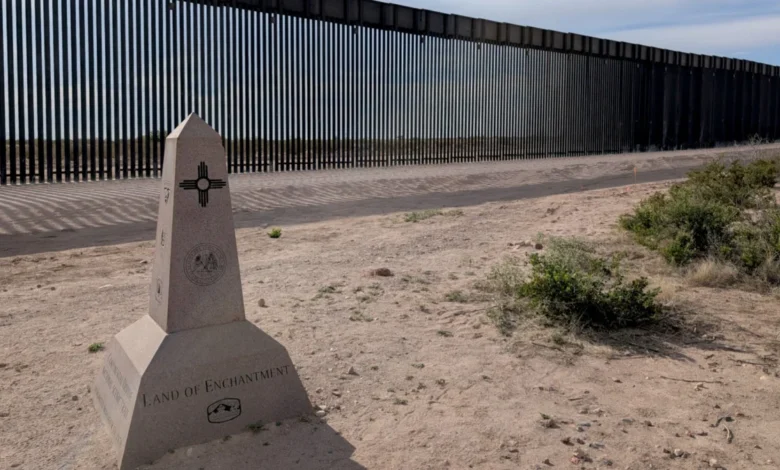
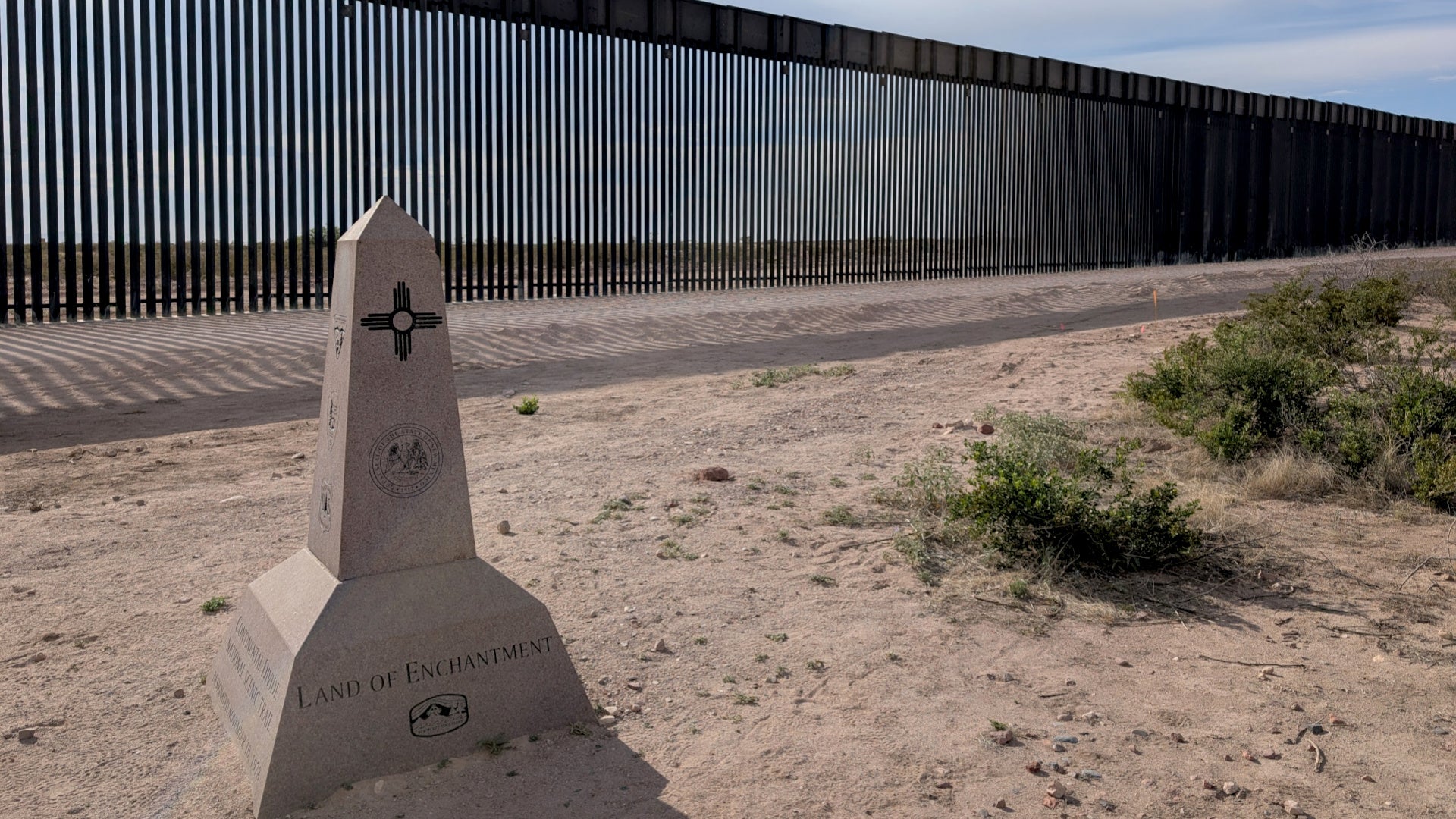
The remote Chihuahuan Desert landscape that has long served as the starting and ending point for thousands of long-distance backpackers has undergone a dramatic transformation. The southern terminus of the Continental Divide Trail (CDT), historically marked by a solitary granite obelisk situated in a quiet, isolated stretch of the American Southwest, now stands wedged between two imposing 30-foot-tall border walls. This striking visual and physical alteration is the result of major infrastructure projects initiated in early 2026, which have fundamentally reshaped the environment, accessibility, and emotional experience of completing one of the nation’s premier National Scenic Trails.
For decades, reaching the southern terminus required navigating the notoriously rugged, unmaintained Commodore Road. Accessible primarily to high-clearance vehicles, the remote approach kept casual traffic to a minimum, preserving the austere, solitary nature of the Chihuahuan Desert. Today, that isolation has been pierced by heavy machinery, grading crews, and active construction zones. Government contractors have widened the once-narrow 8-foot dirt track into a sprawling 24-foot thoroughfare designed to accommodate heavy industrial and construction traffic.
Amidst this heavy-duty industrial backdrop, the historic granite monument currently remains accessible, though under strict federal oversight. Situated inside a designated National Defense Area (NDA), hikers navigating the final or initial miles of their 3,100-mile journey must coordinate access through the active construction zone. While security personnel currently permit hikers to approach and physically touch the monument, officials warn that this access is temporary. As construction progresses, security protocols are expected to tighten, eventually steering visitors entirely away from the immediate construction footprint.
A Surreal Reality for Trail Leadership
The extent of these changes was brought into sharp focus in November 2026, when leadership from the Continental Divide Trail Coalition (CDTC)—including Executive Director Teresa Martinez and Director of Communications Audra Labert—traveled to the southern terminus. For Martinez, who has visited the site hundreds of times throughout her tenure advocating for and maintaining the trail, the visit marked her first return since construction began earlier in the year.
Describing the scene as "surreal," Martinez and Labert observed firsthand the juxtaposition of monumental federal infrastructure against the rugged wilderness trail. During their visit, the stark reality of the site’s new environment played out in real time as two northbound thru-hikers, trail-named Geisha Girl and Fearless, approached the terminus. Despite the surrounding machinery and towering steel walls, the emotional impact of reaching the end—or beginning—of their epic journey remained undiminished. Teary-eyed, the hikers walked directly up to the obelisk to touch the stone.
Reflecting on the encounter, Martinez emphasized the psychological importance of that physical connection. Had the construction prevented hikers from reaching the monument entirely, she noted, the disappointment would have been devastating. While the industrial surroundings alter the traditional atmosphere of solitude, preserving access during this turbulent transition phase remains a critical priority for trail advocates.
A Timeline of Transformation: From Wilderness Outpost to Industrial Corridor
The evolution of the CDT’s southern terminus is part of a broader chronology of border security enhancements and federal land management shifts that have accelerated over the past several years.
Historically, the CDT—along with the Pacific Crest Trail and the Appalachian Trail—was conceived as a continuous backcountry corridor connecting Canada to Mexico. Established by Congress under the National Trails System Act of 1968, the CDT officially spans approximately 3,100 miles along the Continental Divide, crossing through New Mexico, Colorado, Wyoming, Idaho, and Montana. The southern terminus, located near the Crazy Cook monument in New Mexico, traditionally symbolized an untamed wilderness entry point.
By late 2025 and early 2026, however, federal initiatives prioritized the rapid expansion of border infrastructure across remote sections of the Southwest. This initiative directly impacted the public lands surrounding the Crazy Cook area. In early 2026, heavy construction equipment moved into the Chihuahuan Desert, initiating the erection of parallel 30-foot border barriers. Concurrently, federal contractors began extensive road-widening operations along Commodore Road to facilitate the movement of construction materials and personnel, effectively transforming a primitive backcountry route into an industrial access highway.
By late 2026, the physical footprint of the project enveloped the original granite monument. Recognizing the long-term unsustainability of maintaining a public trail terminus within an active National Defense Area, federal agencies and trail organizations initiated discussions regarding the eventual relocation of the monument itself.
Weighing the Bittersweet Paradox of Improved Access
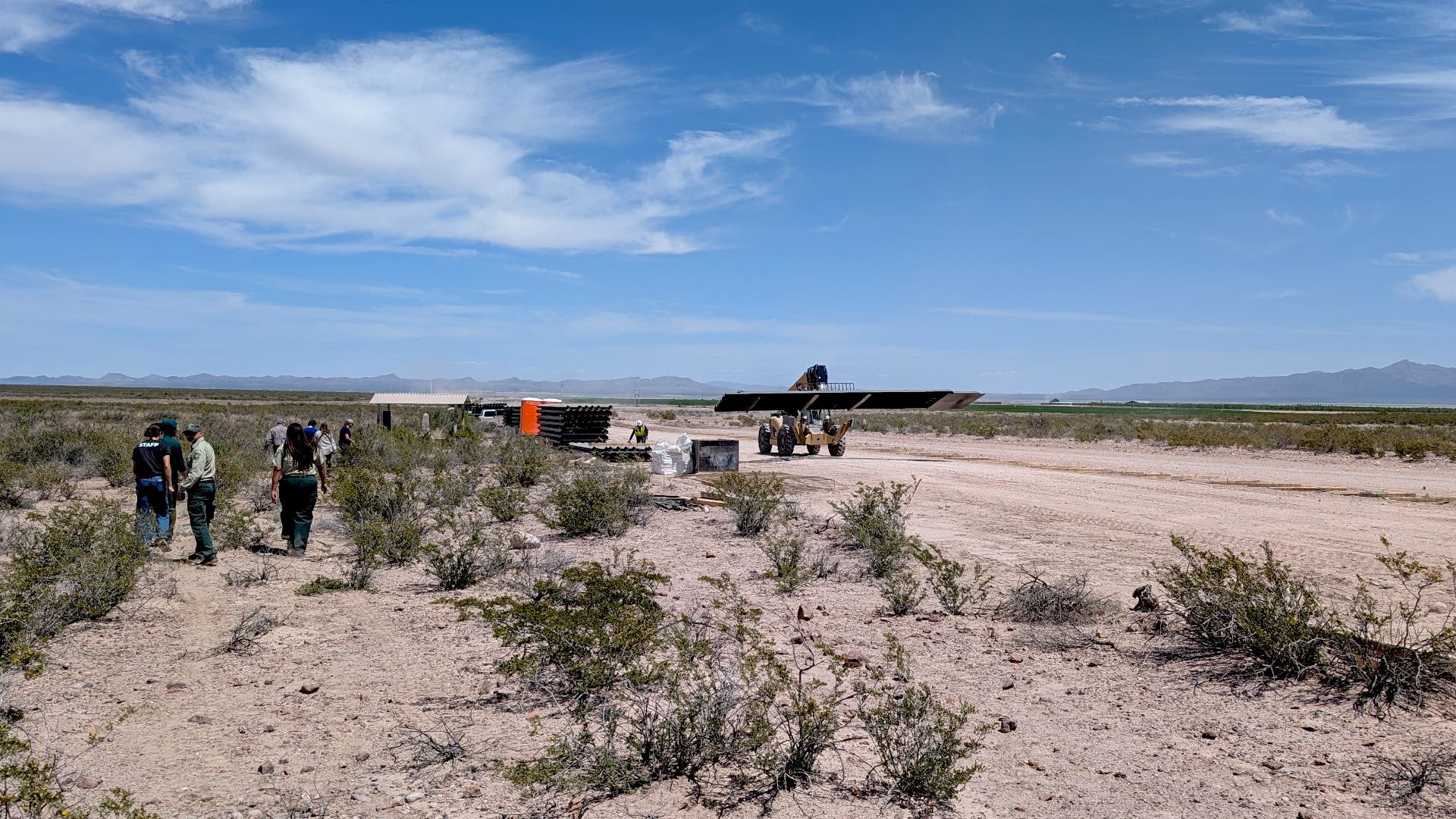
For trail organizations like the CDTC, the ongoing construction presents a complex mix of logistical challenges and unexpected opportunities. On one hand, the disruption, noise, and visual intrusion of dual 30-foot walls fundamentally alter the wilderness ethos that hikers seek when embarking on a cross-country trek. The pristine silence of the Chihuahuan Desert has been temporarily replaced by the hum of diesel engines and construction activity.
Conversely, the massive overhaul of Commodore Road has introduced an unprecedented silver lining: improved accessibility. For years, the treacherous nature of the unmaintained access road posed significant safety and logistical hurdles for support crews, family members, and emergency services. Vehicles frequently became stuck in sand or suffered mechanical damage on the rough terrain.
The widening and grading of the roadway drastically reduce these barriers. While the trade-off diminishes the remote, hard-earned isolation that defined the terminus for decades, it simultaneously opens the door for loved ones to safely drive in, celebrate milestones, and provide logistical support for hikers starting or finishing their journeys. Acknowledging this duality, trail leadership has characterized the current era as inherently bittersweet—trading rugged authenticity for modern convenience and broader physical access.
The Future: Monument Relocation and Indigenous Inclusion
Looking ahead, the current placement of the granite obelisk is temporary. Plans are already underway to relocate the CDT southern terminus monument entirely out of the National Defense Area in the near future.
Once the relocation process is finalized, the CDTC plans to construct a brand-new monument equipped with updated and precise longitude and latitude markers, ensuring long-term stability and accurate geographical designation. Furthermore, trail officials view this upcoming relocation not merely as a logistical necessity, but as a historic opportunity to course-correct past oversights.
When the original monument was dedicated in 1974, the planning and execution process largely bypassed the perspectives and heritage of Indigenous communities native to the region. The upcoming redesign provides a deliberate platform to incorporate Indigenous voices, traditional ecological knowledge, and cultural stewardship into the very fabric of the new terminus. By weaving these perspectives into the monument’s new dedication, the CDTC hopes to foster a more inclusive narrative that honors the true historical depth of the landscape.

Navigating the New Terminus: Advice for Future Thru-Hikers
As thousands of backpackers prepare for future trekking seasons, trail advocates emphasize the importance of mental preparedness when approaching the southern terminus. The physical reality of the trail has permanently shifted, and prospective thru-hikers must adjust their expectations accordingly.
When asked what advice she would offer to hikers finishing or launching their CDT expeditions, Martinez encouraged adventurers to embrace the dichotomy of the modern landscape. She noted that while the infrastructure is undeniably imposing and vastly different from historical accounts, the core journey remains intact. She urged hikers to focus on the transformative power of the wilderness experience itself, using the juxtaposition of modern border infrastructure as an opportunity for reflection on the changing American landscape.
Ultimately, while the granite obelisk stands in a radically altered environment today, the enduring spirit of the Continental Divide Trail persists. As the trail transitions toward its next chapter through relocation and collaborative design, the route continues to draw resilient adventurers ready to face the elements, the infrastructure, and the evolving story of America’s public lands.