Waldorf Astoria Hotels & Resorts officially expands into Malaysia with the grand opening of its inaugural property in Kuala Lumpur

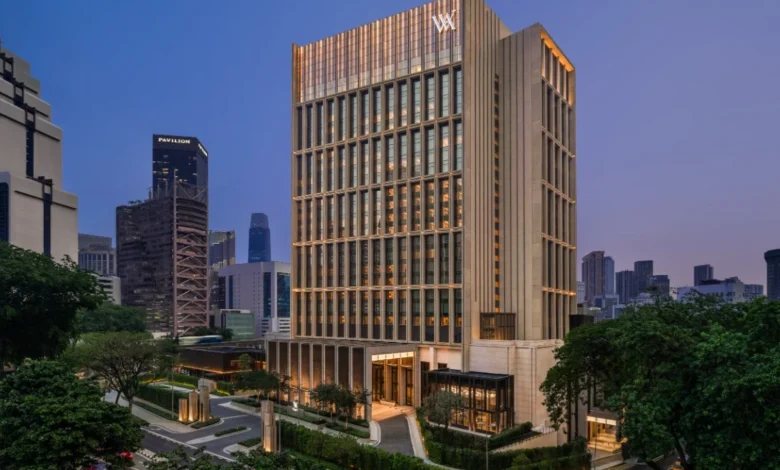
The debut of the Waldorf Astoria Kuala Lumpur marks a significant milestone in the luxury hospitality landscape of Southeast Asia, signaling Hilton Worldwide’s aggressive expansion strategy within the region’s primary commercial hubs. Located in the heart of Malaysia’s capital, the property represents the brand’s first foray into the Malaysian market, reinforcing the nation’s growing status as a premier destination for high-net-worth travelers and international business delegates. The hotel, which officially opened its doors in November 2026, occupies a strategic position within the city’s “Golden Triangle,” placing it at the epicenter of Kuala Lumpur’s financial, retail, and entertainment districts.

A Strategic Addition to the Skyline
The Waldorf Astoria Kuala Lumpur is not merely a new hotel; it is an architectural and service-oriented statement designed to capture the top tier of the luxury lodging segment. The property features an extensive inventory of suites, each reflecting the brand’s commitment to “True Waldorf Service”—a personalized concierge approach that has defined the brand since its inception at the original Waldorf Astoria in New York City.
The hotel’s design ethos draws heavily from Malaysia’s rich cultural heritage, blended seamlessly with the contemporary opulence synonymous with the Waldorf Astoria name. The interior architecture prioritizes expansive layouts, high-end materials such as local marble and sustainably sourced hardwoods, and bespoke artistic installations that narrate the story of Kuala Lumpur’s rapid evolution from a tin-mining outpost to a global financial center.

Chronology of Development
The path to the Waldorf Astoria Kuala Lumpur’s inauguration was a multi-year project characterized by meticulous planning and site selection.
- 2021: Hilton Worldwide first announced its intent to bring the Waldorf Astoria brand to Malaysia, citing the country’s robust tourism recovery plans and its appeal to affluent travelers from the Middle East and the Asia-Pacific region.
- 2022-2023: Construction and interior fit-out phases commenced, with a focus on integrating modern green building technologies to meet international sustainability benchmarks.
- 2024: The property reached its “topping out” phase, marking the completion of the structural exterior and the beginning of the intensive interior design and technology installation phase.
- 2025: Operational teams began soft-launch preparations, including the recruitment of local talent and the establishment of partnerships with local culinary artisans and luxury service providers.
- November 2026: The official public opening ceremony was held, attended by industry stakeholders and government representatives, marking the brand’s official entry into the market.
Economic Context and Market Data
The timing of the Waldorf Astoria’s arrival in Kuala Lumpur is deliberate. According to data from the Malaysian Ministry of Tourism, Arts and Culture, the luxury hotel segment in Malaysia has seen a 14% year-over-year growth in revenue per available room (RevPAR) as of the third quarter of 2026. The influx of business travelers attending regional conventions and trade expos, combined with a post-pandemic surge in “bleisure” (business and leisure) travel, has created an environment where ultra-luxury supply is struggling to meet demand.

Analysts at global hospitality research firms have noted that Kuala Lumpur has historically been underserved in the “Ultra-Luxury” tier compared to neighbors like Bangkok or Singapore. The Waldorf Astoria fills this gap by offering a level of service and facilities—such as high-security suites for visiting dignitaries and specialized boardrooms—that are essential for the city’s ambition to serve as a primary hub for ASEAN corporate activity.
Official Perspectives and Corporate Strategy
In statements released during the lead-up to the opening, representatives from Hilton Worldwide emphasized the strategic importance of the Malaysian capital. "Kuala Lumpur is a vibrant metropolis that perfectly complements the Waldorf Astoria portfolio," stated a spokesperson for the hospitality group. "Our goal is to create a landmark that not only serves as a hotel but as a focal point for the city’s social and professional life. By integrating the local culture with our global service standards, we aim to redefine the luxury hospitality experience in Malaysia."

Industry experts suggest that this move is part of Hilton’s broader “Asia-Pacific Growth Initiative,” which aims to double the group’s luxury footprint in the region by 2030. By planting a flagship property in Kuala Lumpur, Hilton secures a prominent position in a market that serves as a bridge between the economies of the Middle East and the emerging markets of the Asia-Pacific.
Culinary and Lifestyle Amenities
A cornerstone of the Waldorf Astoria brand is its culinary program, and the Kuala Lumpur property is no exception. The hotel features an array of high-concept dining venues, ranging from fine-dining establishments featuring world-renowned chefs to the signature Peacock Alley lounge, a staple of Waldorf Astoria properties globally.

The hotel’s focus on the “lifestyle” aspect of hospitality includes a world-class wellness center, incorporating spa therapies that utilize traditional Malaysian botanical ingredients. This holistic approach is designed to attract both the high-powered business traveler, who requires efficient and restorative facilities, and the leisure traveler, who seeks an immersive cultural experience.
Broader Impact on the Hospitality Industry
The arrival of the Waldorf Astoria is expected to trigger a “halo effect” on the surrounding hospitality sector. The presence of a global ultra-luxury brand often elevates the standards of service and operational efficiency for local competitors. It also acts as a magnet for high-spending tourists who might otherwise bypass Kuala Lumpur in favor of other regional capitals.

Furthermore, the project’s emphasis on local labor development—through training programs in partnership with Malaysian hospitality institutes—underscores the positive economic impact of such investments. By training a new generation of service professionals, the hotel is contributing to the professionalization of the Malaysian tourism sector.
Implications for Future Development
The success of the Waldorf Astoria Kuala Lumpur will likely serve as a litmus test for further luxury investment in the city. If occupancy rates continue to mirror the positive trends observed in the luxury sector throughout 2026, it is probable that other international brands will look to follow suit, potentially leading to a “luxury renaissance” in the Golden Triangle.

Moreover, the hotel’s focus on sustainable luxury—incorporating energy-efficient climate control, waste reduction programs, and locally sourced food chains—aligns with the Malaysian government’s “Green Tourism” initiatives. This compatibility ensures that the property is well-positioned to benefit from government incentives and align with the increasing consumer preference for environmentally responsible travel.
Conclusion
The Waldorf Astoria Kuala Lumpur is more than a new destination for overnight stays; it is a manifestation of Malaysia’s growing economic confidence and its attractiveness to the global elite. As the hotel settles into its role as a premier hospitality landmark, it stands to set a new benchmark for luxury in the region. Through a combination of strategic location, a commitment to global service excellence, and a deep respect for local heritage, the property is poised to play a central role in the future narrative of Malaysian tourism. For the traveler, it offers a sophisticated sanctuary in the heart of a bustling city; for the industry, it provides a compelling case study in the successful expansion of high-end international brands into emerging luxury markets.