Beyond the Neon: A Comprehensive Guide to the Evolution of Luxury Tourism in Las Vegas

The historical narrative of Las Vegas has long been dominated by the imagery of high-stakes gambling and nocturnal revelry, yet the desert metropolis is currently undergoing a structural transformation into a global epicenter for immersive luxury, high-culture entertainment, and sophisticated hospitality. While the city remains synonymous with the "Sin City" moniker, its current economic trajectory indicates a strategic pivot toward non-gaming revenue streams, including world-class culinary experiences, high-performance automotive events, and institutional-grade cultural preservation. This shift is not merely aesthetic; it is a calculated effort to reposition the city as an essential destination for the ultra-high-net-worth traveler.
A Chronology of Transformation

The metamorphosis of Las Vegas from a regional gambling hub to a multi-faceted luxury destination has been a decades-long process. In the late 20th century, the city transitioned from the mob-controlled era of downtown casinos to the "Mega-Resort" boom of the 1990s, initiated by the opening of The Mirage. The 2010s marked a further pivot toward the integration of celebrity-chef dining and experiential retail.
By 2026, the city entered a new phase of expansion. The introduction of the Sphere—a technological marvel featuring a 160,000-square-foot wraparound LED display—redefined the standards for live performance venues. Similarly, the establishment of the Vanderpump Hotel on the Strip signals a shift toward celebrity-branded, lifestyle-focused hospitality, blending residential comfort with the theatricality for which the city is famous. These developments, when viewed in tandem with the ongoing expansion of the Las Vegas Convention Center, illustrate a deliberate move to diversify the city’s appeal beyond the casino floor.
Data-Driven Growth and Economic Implications

The economic data supports the necessity of this diversification. According to recent reports from the Las Vegas Convention and Visitors Authority (LVCVA), non-gaming revenue currently accounts for a significant majority of total resort income. This trend is bolstered by the influx of premium events such as the Formula 1 Las Vegas Grand Prix.
The economic impact of the Grand Prix has been profound, with local analysts estimating an annual influx of hundreds of millions of dollars in visitor spending. The strategic implementation of VIP hospitality packages, such as the Gordon Ramsay at F1 Garage—priced in excess of $30,000—demonstrates a market appetite for ultra-luxury experiences that were largely absent from the city’s portfolio a decade ago. These high-barrier-to-entry experiences serve as a hedge against the volatility of gaming revenue, providing a stable financial foundation built on experiential consumption.
Cultural Preservation and Historical Context

While the city is frequently criticized for its rapid turnover of infrastructure, there has been a notable movement toward preserving its architectural and cultural history. Institutions like The Neon Museum serve as open-air archives, cataloging the physical remnants of the city’s mid-century aesthetic. This preservation effort provides a critical, academic layer to the tourism experience, allowing visitors to contextualize the city’s rapid evolution.
Furthermore, the integration of institutions like The Mob Museum and The Smith Center for the Performing Arts demonstrates a desire to engage with the city’s complex, often illicit, origins while simultaneously fostering a legitimate arts scene. The Mob Museum’s location in the former federal courthouse—where the Kefauver Committee once held hearings on organized crime—provides an authentic anchor for historical inquiry, while The Smith Center offers a permanent venue for Broadway-caliber performances and jazz, establishing a legitimate cultural footprint in a city previously characterized by ephemeral entertainment.
Strategic Recommendations for the Modern Traveler

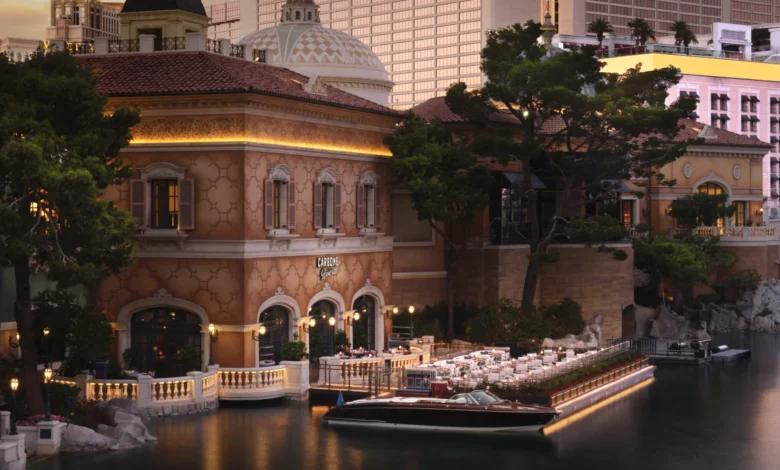
For the discerning traveler, navigating this landscape requires a strategic approach. Industry insiders suggest that the modern luxury experience in Las Vegas is best curated through direct engagement with hotel concierge teams. For example, the concierge departments at properties like the Fontainebleau and the Bellagio act as gateways to exclusive inventory, such as private gaming salons like The Vault or invitation-only enclaves like The Venetian’s Paiza Club.
Beyond the curated hotel experience, private aviation and luxury transport have become essential components of the Las Vegas itinerary. The ability to charter a private helicopter for a excursion to the Grand Canyon, including a private champagne landing, represents the pinnacle of the city’s current offering: the ability to seamlessly transition from the hyper-dense, electric environment of the Strip to the profound silence of the natural desert landscape within minutes.
Official Perspectives and Future Outlook

The leadership of major gaming and hospitality groups emphasizes that the "new" Las Vegas is fundamentally about customization. Ari Kastrati, an executive at MGM Resorts, notes that every touchpoint—from the rare spirit programs in private lounges to the design of terrace dining—is curated to provide a sense of intimacy that contrasts with the scale of the public casino floor. This focus on "understated luxury" represents a significant departure from the maximalist design philosophies of the late 20th century.
Similarly, the professionalization of sporting hospitality has reached new heights. Sean McBurney of Caesars Entertainment highlights that the culinary landscape is now anchored by global culinary masters. The presence of international icons like Guy Savoy, who maintains a Krug Chef’s Table in Las Vegas, serves as a testament to the city’s ability to attract and sustain high-end gastronomic talent that would traditionally only reside in cities like Paris or Tokyo.
The Implications of an Evolving Metropolis

The broader implication of this shift is the creation of a "resort-city" model that functions as a self-contained ecosystem. As Las Vegas continues to integrate high-end automotive testing facilities, such as the Exotics Racing center, and world-class performing arts venues, it is increasingly competing with global cities rather than just regional vacation spots.
The sustainability of this growth depends on the city’s ability to balance its historical "Sin City" identity with the expectations of a more refined, experience-seeking demographic. The current evidence suggests a successful integration: the city is not discarding its past, but rather leveraging it to add depth to a contemporary luxury offering.
Whether one is exploring the mechanical history of the city at the Showgirl Museum or participating in a high-limit gaming session in a private suite, the modern iteration of Las Vegas is designed to be highly stratified. The "one strict rule" remains, as always, the pursuit of a superior experience; however, the definition of that experience has moved decisively toward exclusivity, historical recognition, and technological immersion.

In conclusion, the current landscape of Las Vegas offers a comprehensive study in successful urban rebranding. By investing in the physical infrastructure of culture and the intangible value of VIP access, the city has secured its position as a premier destination. For the visitor, this means that the experience is no longer limited to the floor of a casino, but extends to the sky above the Grand Canyon, the trackside garages of Formula 1, and the quiet, curated corners of the city’s most exclusive private clubs. The evolution of Las Vegas is far from complete, but the trajectory is clear: the city is committed to remaining the undisputed global leader in the business of the spectacular.