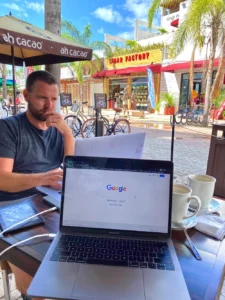
The modern workforce has undergone a profound decentralization over the past decade, giving rise to an estimated 35 million digital nomads worldwide. These location-independent entrepreneurs, freelancers, and remote business owners enjoy unprecedented personal and professional freedom, trading traditional office cubicles for workspaces across Southeast Asia, Latin America, and Europe. However, this lifestyle comes with a distinct structural vulnerability: the complete absence of a social safety net. While traditional corporate employees benefit from employer-sponsored health insurance, disability protections, paid parental leave, and state-backed social security, independent global workers are routinely forced to navigate a fragmented landscape of short-term travel policies and inadequate localized health plans. Recognizing this systemic gap in the global gig economy, travel insurance provider SafetyWing has officially launched Nomad Citizen, an ambitious all-in-one annual membership designed to replicate a comprehensive corporate safety net for borderless professionals.
The Structural Vulnerability of the Location-Independent Workforce
For decades, the global mobility movement outpaced the financial and insurance products designed to support it. Solopreneurs and remote business owners operating outside their home countries face a precarious reality when unexpected crises strike. Traditional travel insurance is strictly engineered for short-term emergencies—such as acute illnesses or sudden trip interruptions—and routinely excludes long-term care, routine preventive wellness, and income protection. Meanwhile, local public health systems in popular nomad hubs like Thailand, Indonesia, and Mexico are either legally inaccessible to non-citizens or overwhelmed, leaving expatriates dependent on expensive private clinics.
The consequences of this coverage vacuum are frequently severe. Freelancers who suffer disabling injuries or extended illnesses face immediate income termination. Without access to government-backed disability benefits or sick leave, injured nomads have increasingly relied on public crowdfunding campaigns to cover medical debt and rehabilitation costs. Industry analysts have long pointed to this protection gap as the single greatest deterrent to sustainable long-term digital nomadism, particularly for individuals supporting families or scaling micro-businesses across international borders.
Evolution of the Product and Market Response
SafetyWing’s introduction of Nomad Citizen marks a significant evolution from its origins as a basic travel medical insurance provider. Founded with the mission to build a global social safety net for remote workers, the company previously offered modular products such as Nomad Insurance and remote team health benefits. However, feedback from high-earning digital entrepreneurs highlighted a persistent demand for a unified product that bridged the divide between standard travel insurance and elite corporate executive benefits.
Development of the Nomad Citizen framework began in response to rising demographic shifts within the remote work sector, where self-employed professionals are increasingly aging into demographics that require robust medical, family, and long-term financial security. By consolidating multiple risk categories into a single regulatory and technological umbrella, SafetyWing aims to position Nomad Citizen as the default infrastructure for the borderless economy. Industry observers note that while several traditional insurers offer international private medical insurance (IPMI), few have attempted to integrate income replacement, long-term disability, and visa facilitation into a single consumer-facing application.
Eligibility Criteria and Coverage Architecture
To maintain financial sustainability and risk mitigation, Nomad Citizen implements strict eligibility parameters. The annual membership is tailored exclusively for location-independent entrepreneurs and business owners under the age of 56 who earn a minimum of $4,000 USD per month and spend more than half of each calendar year outside their passport-issued home country. Applicants must complete an online underwriting health declaration and confirm their nomadic residency status. Plans are flexible, allowing primary members to seamlessly add legal spouses and dependent children under the age of 18.
The architecture of the Nomad Citizen package is comprehensive, divided into several distinct pillars designed to replace traditional employment benefits:

Income Protection and Parental Leave
Addressing the most critical pain point for self-employed professionals, the plan offers income replacement of up to $4,000 per month for a duration of three to six months if a member is unable to work due to laid-off contracts, business drying up, or qualifying medical conditions. Additionally, after a three-year waiting period, members who experience the birth or legal adoption of a child receive equivalent monthly financial support during parental leave, enabling them to step away from active client work without facing financial insolvency.
Global Health Insurance and Long-Term Disability
The health component provides up to $1.5 million in annual coverage, spanning inpatient and outpatient care, prescription drugs, dental, vision, mental health services, maternity care, and preventive wellness therapies. For catastrophic events, the long-term disability benefit provides a sustained monthly payout of $4,000 up to age 75 if a member suffers permanent, career-ending disabilities—such as the loss of sight, major neurological events, or the inability to perform basic activities of daily living independently.
Travel Protection and Visa Support
Standard travel contingencies—including trip delays, cancellations, lost or stolen luggage, electronic theft, and emergency medical evacuations—are fully integrated into the policy. Furthermore, the membership incorporates a specialized visa assistance feature. Members can browse, prepare, and apply for digital nomad visas offered by various sovereign governments directly through the SafetyWing interface. Company specialists review applications prior to official submission to minimize errors and maximize approval rates.
Financial Structure, Pricing, and Regional Realities
Effective for enrollments on or after July 1, 2026, the pricing structure for Nomad Citizen reflects the comprehensive nature of its underwriting. Membership tiers are divided by age brackets:
- Ages 18 to 39: $443 per month
- Ages 40 to 49: $665 per month
- Ages 50 to 55: $875 per month
- Dependent children: $143 per month (with the first child under 10 added at no additional cost for eligible couples)
Members can opt for monthly or annual billing cycles. Geographically, the plan offers worldwide coverage, including the United States. However, company executives explicitly caution that while US care is accessible, policy limits were not structured for extensive utilization within the American healthcare system due to its disproportionately high costs.
To streamline the claims process and eliminate out-of-pocket friction, SafetyWing issues a proprietary worldwide prepaid debit card to every Nomad Citizen member. This card can be utilized directly at point-of-sale terminals for covered medical services up to $500, automatically generating pre-approved claims and bypassing traditional reimbursement delays. For larger medical expenses, members can leverage the Nomad Care Map—a curated, community-vetted database of over 4,000 international healthcare providers rated for service quality and English proficiency—or coordinate direct institutional payment through a 24/7 digital support infrastructure managed entirely within a single application.
Broader Economic Implications for the Global Workforce
The introduction of products like Nomad Citizen signals a mature phase in the globalization of labor. As national governments increasingly formalize the digital nomad ecosystem through dedicated long-term visa frameworks, the private sector is rapidly innovating to match the legal and financial infrastructure traditionally provided by nation-states.
Economic analysts suggest that comprehensive cross-border insurance models could fundamentally alter the risk calculus of leaving traditional employment. By dismantling the fear of medical insolvency and income volatility abroad, such safety nets may accelerate the brain drain from corporate employment toward independent entrepreneurship. However, market experts also caution that the high monthly premium threshold—set at baseline earnings of $4,000 monthly and rates exceeding $400 to $800 per month—positions Nomad Citizen as a luxury or upper-tier product, primarily accessible to successful founders, high-earning software engineers, and established digital consultants rather than entry-level freelancers.
Ultimately, SafetyWing’s initiative highlights a permanent structural shift in how modern professionals view security, citizenship, and employment. As the boundaries of the traditional workplace continue to dissolve, the development of borderless institutional protections will likely become a foundational pillar of the global knowledge economy, establishing new benchmarks for how independent workers sustain their lives and enterprises across the globe.