The Ultimate Modern Traveler’s Handbook: Navigating Europe’s Rail Networks with Precision and Ease

The landscape of European cross-border mobility has undergone a profound transformation over the past several decades, evolving from a fragmented collection of national steam networks into one of the most sophisticated, interconnected high-speed rail systems in the world. For both the novice voyager and the seasoned globetrotter, traversing the European continent by train remains the quintessential method of transit—offering a unique blend of efficiency, comfort, and scenic inspiration. However, despite its widespread acclaim, mastering the mechanics of European rail travel can occasionally present a logistical labyrinth. Navigating variable pricing structures, understanding validation requirements, and decoding sprawling metropolitan terminal boards require careful planning and a strategic approach.
Strategic Pre-Trip Planning and Route Mapping
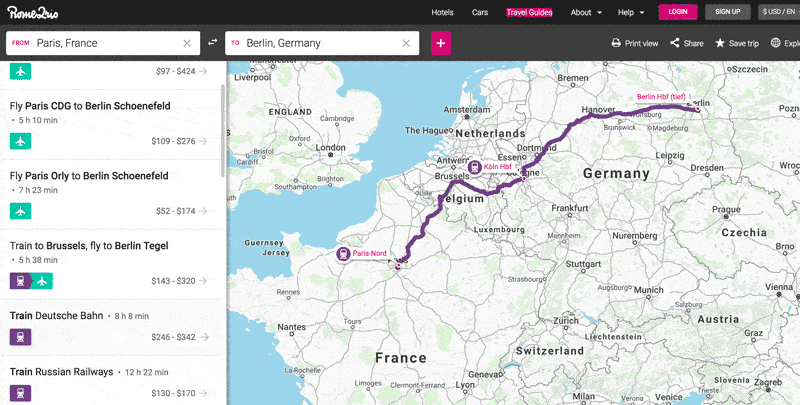
The foundation of any successful European rail itinerary is comprehensive pre-trip planning. Modern travelers have access to a suite of digital tools designed to simplify the process of comparing routes, travel times, and costs across different modes of transportation. Platforms like Rome2Rio serve as valuable starting points for visualizing multi-modal journeys, allowing users to evaluate trains, buses, flights, and rental cars side by side.
For purely rail-focused logistics, specialized aggregators such as Omio and Trainline provide comprehensive ticket listings and streamlined booking interfaces. Meanwhile, transport experts frequently point to the comprehensive database maintained by German Railways via Bahn.de. While ticket purchases through the German portal are generally restricted to domestic or connecting itineraries originating in Germany, the site’s timetable engine is widely regarded as the gold standard for mapping out complex, multi-leg international journeys across the continent, detailing precise connection windows, mandatory seat reservations, and operating anomalies.
Demystifying Train Ticket Pricing Models
Understanding how European rail operators price their inventory is critical to managing travel expenditures effectively. Generally speaking, train fares across the continent fall into two distinct categories: variable pricing and fixed pricing.
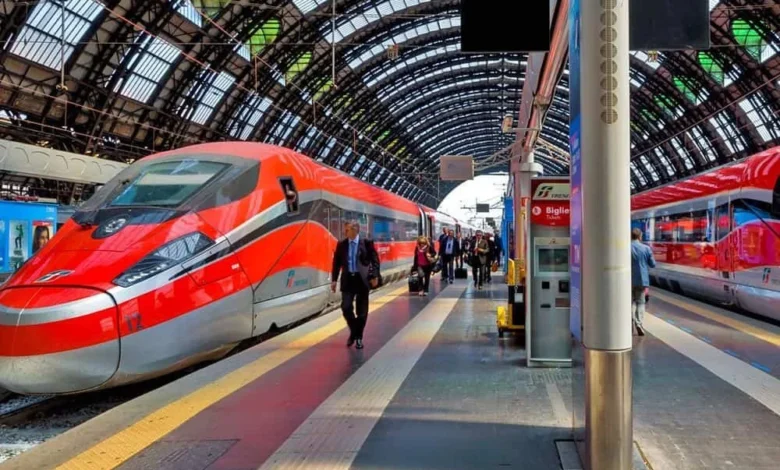
Variable-price fares are closely aligned with airline pricing models. Costs fluctuate dynamically based on overall demand, the specific day of the week, seasonality, and how far in advance the ticket is purchased. High-speed corridors—such as Eurostar, France’s TGV, Germany’s ICE, and Italy’s Frecciarossa—operate almost exclusively on this model. Consequently, booking weeks or even months ahead can yield substantial financial savings, often reducing ticket costs by fifty percent or more compared to last-minute purchases.
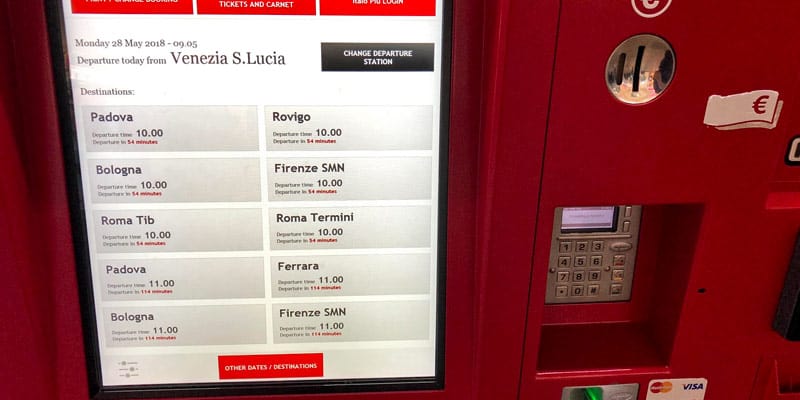
Conversely, regional, local, and domestic commuter trains typically utilize fixed-price fares. Under this structure, the ticket cost is determined solely by the distance traveled. Because prices remain constant regardless of when the ticket is acquired, advance booking offers no financial advantage, providing travelers with maximum schedule flexibility.
Booking Channels: Third-Party Aggregators Versus National Railways
When purchasing tickets, travelers generally choose between third-party booking platforms and official national railway websites. Third-party aggregators have gained immense popularity due to their user-friendly interfaces, English-language support, and the ability to compare multiple carriers within a single transaction. Furthermore, these platforms consolidate customer service communication and centralize digital tickets into unified mobile applications.
Nevertheless, transport analysts advise checking official national railway portals—such as Trenitalia in Italy, SNCF in France, or Renfe in Spain—before finalizing purchases. National operators occasionally release exclusive flash sales, promotional discounts, or regional passes that may not appear on third-party distribution channels.
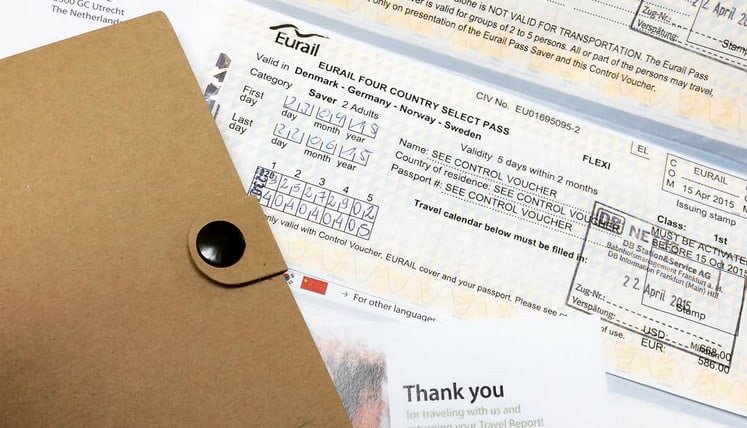
For travelers prioritizing absolute flexibility, the Eurail Pass remains a prominent alternative. Operating as a standardized multi-country or single-country ticket, the pass permits holders to board a vast majority of participating national rail networks without purchasing individual point-to-point fares. While pass-holders enjoy the freedom of spontaneous travel, industry experts caution that high-speed and international routes often require mandatory, paid seat reservations, adding an extra layer of administrative overhead that must be factored into the overall budget.
Navigating Metropolitan Train Stations
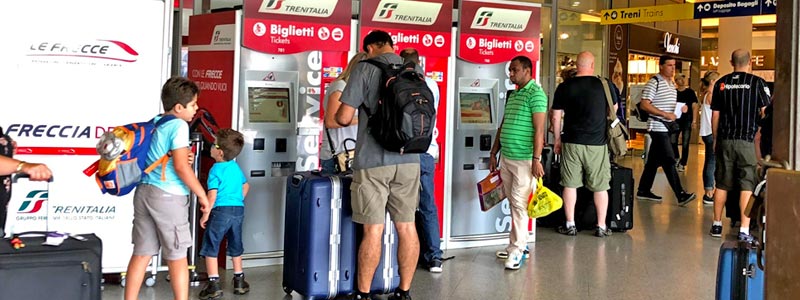
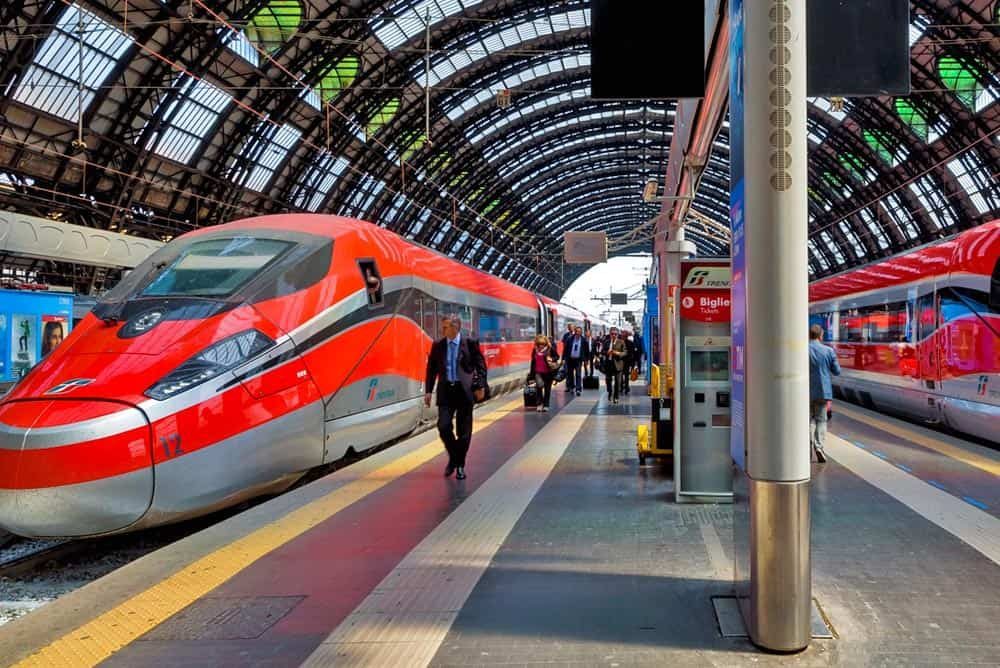
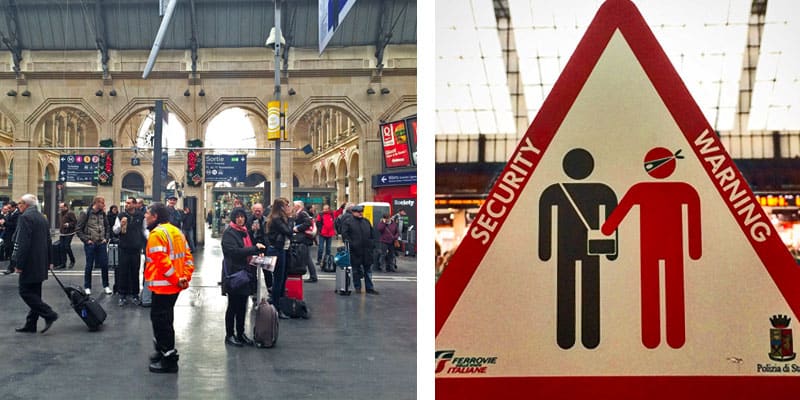
Upon arrival at a European rail hub, travelers are immediately met with the vibrant, fast-paced atmosphere characteristic of major continental transit centers. Major European cities frequently house multiple terminals—Paris, for example, operates six distinct major stations—making it imperative to confirm the exact departure point prior to arrival.
Modern stations are typically well-equipped with amenities, including luggage storage lockers, currency exchange services, retail outlets, and dining establishments. However, the sheer volume of daily commuters also makes these locations prime targets for opportunistic pickpockets and unauthorized individuals posing as helpful station guides near automated ticket kiosks. Security consultants consistently advise maintaining strict physical awareness of personal belongings and utilizing official station infrastructure rather than accepting unsolicited assistance.
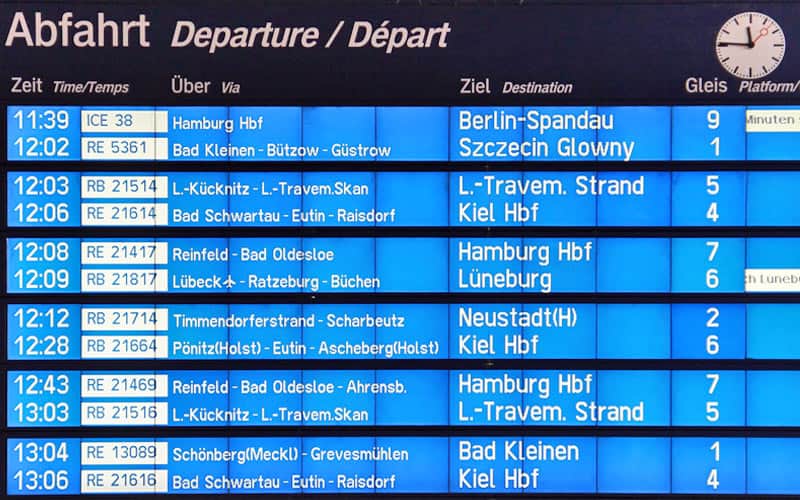
Decoding Departure Boards and Platform Logistics
The central departure board serves as the nerve center for any station. These digital displays continuously update arrival, departure, and platform information for all scheduled services. Because platform assignments are frequently withheld until 10 to 15 minutes before departure, passengers must monitor the boards closely.
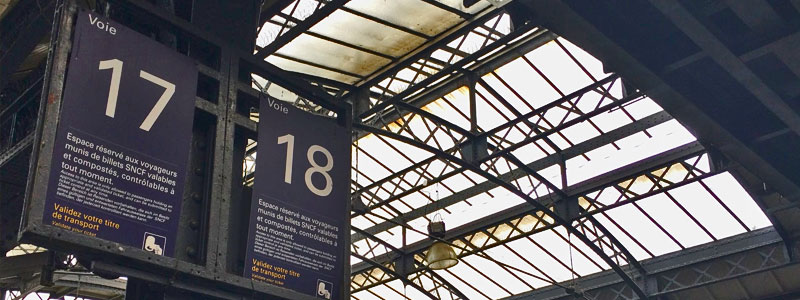
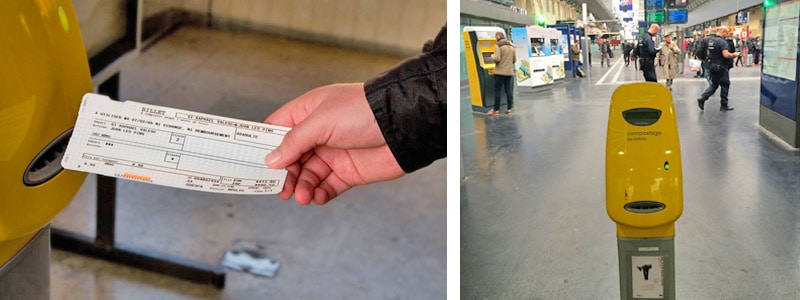
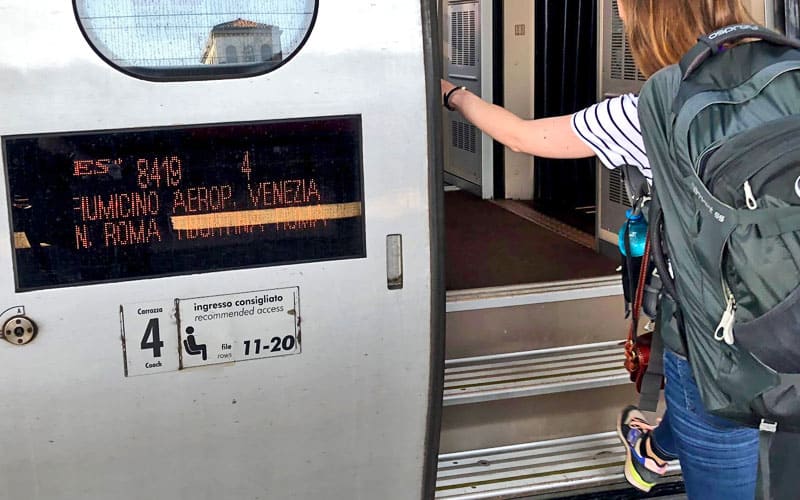
Once a platform is announced, travelers must navigate to the correct track and locate their assigned coach. High-speed trains often feature strict seating configurations, with specific car and seat numbers clearly marked on both the physical ticket and the exterior of the railcar. For paper tickets issued by certain national networks, validation prior to boarding is legally required. Stamping physical tickets in the yellow or orange validation boxes located at platform entrances confirms the time and date of travel; failing to validate can result in steep on-board fines from ticket inspectors who enforce strict anti-fraud measures.
Onboard Experience and Operational Implications
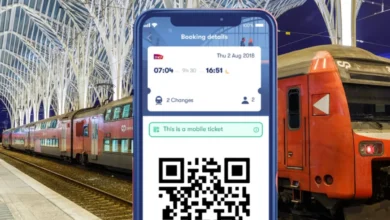
Once aboard, storing luggage securely is the immediate priority. Overhead racks accommodate smaller backpacks and cabin-sized bags, while larger suitcases are typically stowed in designated luggage bays located near the vestibule at the end of each car. Within 15 to 20 minutes of departure, a conductor will systematically inspect tickets or digital barcodes.
Broader economic and environmental implications continue to drive heavy investment in European rail infrastructure. With the European Union pushing ambitious climate targets under the European Green Deal, rail travel is increasingly viewed as a vital instrument for reducing carbon emissions associated with intra-continental aviation. Ongoing infrastructure projects, such as the expansion of high-speed rail corridors and cross-border night train revivals, underscore a continental commitment to modernizing rail networks.
Ultimately, while the intricacies of European rail travel demand a degree of preparation, the rewards—unmatched geographic access, comfort, and a front-row seat to the changing European landscape—ensure that the train remains an enduring cornerstone of global tourism and transit.