The landscape of international travel connectivity has undergone a seismic shift in the last five years, moving away from the cumbersome reliance on physical SIM cards toward the streamlined efficiency of embedded SIM (eSIM) technology. For travelers arriving in the United States, this transition has effectively eliminated the once-standard logistical hurdle of navigating local telecommunications storefronts upon landing. As international roaming charges—which have historically reached as high as hundreds of euros for a single trip—become increasingly avoidable, the adoption of digital-first connectivity solutions has become a critical component of modern travel planning.

The Historical Context of Mobile Roaming
Prior to the widespread adoption of eSIMs, the international traveler’s experience was defined by the "SIM card hunt." Upon arrival in a foreign country, individuals were often required to locate a mobile carrier’s retail outlet, present identification, and purchase a physical card that required physical installation. This process was not only time-consuming but also prone to failure, as activation times varied and compatibility issues with locked handsets were rampant.
The financial risk associated with traditional roaming remains a significant deterrent for global travelers. According to industry data, consumers who fail to disable cellular roaming on their primary devices can incur costs that escalate exponentially within hours of arrival. Cases of travelers returning home to find bills exceeding 800 euros are not merely anecdotal; they represent a systemic failure of traditional roaming models to account for the data-heavy demands of modern navigation, ride-sharing, and professional work requirements.
Technological Advancements and the eSIM Shift
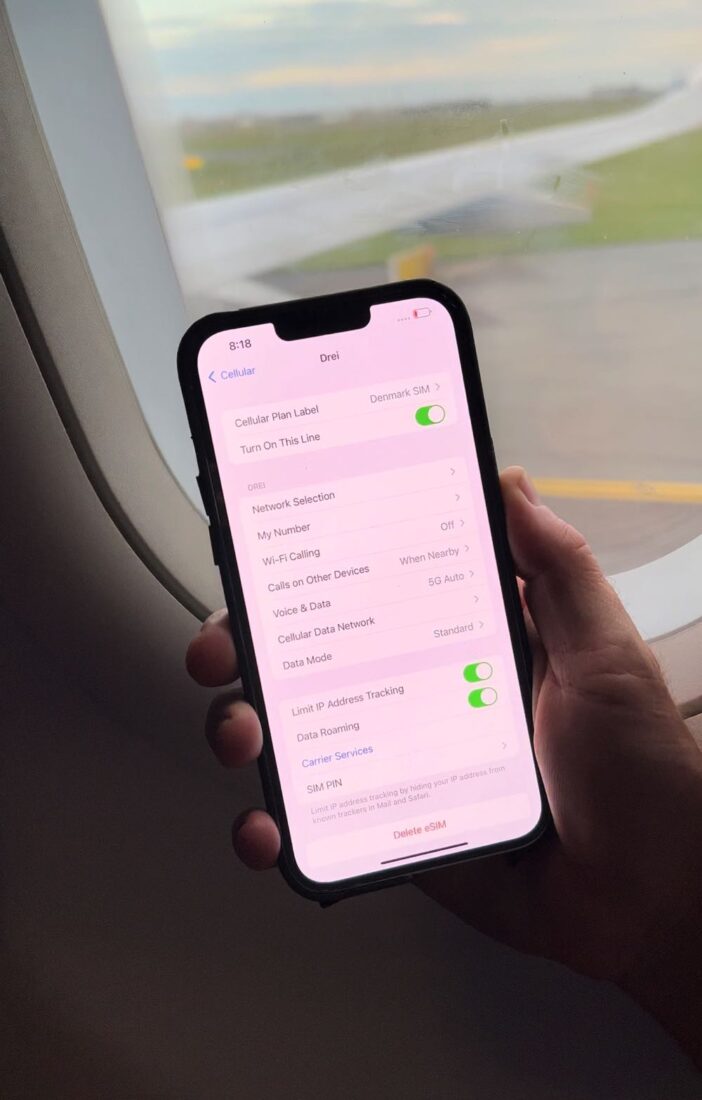
The introduction of the eSIM—a digital version of the traditional SIM card embedded directly into the smartphone’s hardware—has fundamentally altered this dynamic. By allowing users to download a carrier’s profile over a Wi-Fi connection, eSIMs enable near-instantaneous connectivity.
The timeline of this transition reflects a broader trend in mobile technology:

- 2017–2018: Early implementation of eSIM technology in high-end smartphones (e.g., Google Pixel 2, iPhone XS).
- 2019–2021: Mainstream adoption by major global carriers and the emergence of specialized "Travel eSIM" providers.
- 2022–Present: The proliferation of 5G-ready eSIM plans, offering data speeds that rival domestic home broadband connections.
Comparative Analysis of Leading Providers
As the market for US-based travel connectivity matures, three primary providers have established themselves as dominant forces: Yesim, Holafly, and Airalo. Each offers distinct approaches to the "unlimited" data model, which requires careful scrutiny by the end-user.
Yesim: The Flexible Modular Approach
Yesim distinguishes itself through its modular plan structure. Unlike providers that rely solely on fixed-term contracts, Yesim offers a hybrid model of fixed-data packages and unlimited options. This is particularly advantageous for digital nomads whose length of stay in the US may fluctuate. From a technical standpoint, Yesim utilizes regional partner networks to ensure 4G/LTE and 5G coverage, providing a consistent user experience that is largely dependent on the underlying infrastructure of the partner carrier.
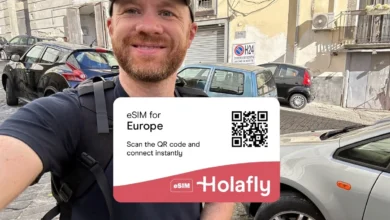
Holafly: Streamlined Unlimited Access
Holafly has focused its value proposition on the simplicity of "unlimited" access for the average consumer. However, the term "unlimited" warrants a detailed technical caveat. Holafly’s current US-based offering includes a 1 GB per day limit for mobile hotspot tethering. This makes the service highly effective for primary device usage—such as maps, social media, and communication—but potentially restrictive for users who intend to tether a laptop for intensive professional tasks.
Airalo: Transparency and Data Thresholds
Airalo has taken a different approach by emphasizing transparency in its fair-use policies. Its unlimited plans generally feature a 3 GB daily high-speed allowance. Once this threshold is reached, the speed is throttled to 1 Mbps for the remainder of the 24-hour cycle. This provides a predictable performance expectation, allowing users to budget their data-heavy activities, such as video conferencing or large file transfers, within the high-speed window.

Implications for the Digital Nomad Economy
The rise of the "digital nomad"—professionals who integrate remote work with global travel—has necessitated higher standards for mobile connectivity. For these users, an eSIM is not a luxury; it is a vital utility.
The economic implications are significant:

- Security: Relying on public Wi-Fi networks in airports or cafes presents significant cybersecurity risks. Mobile data tethering via a secure eSIM provides a closed-loop connection, which is essential for accessing sensitive corporate data.
- Productivity: The ability to maintain a consistent connection while in transit allows for "invisible" productivity, where travel time is converted into billable hours.
- Cost Predictability: By prepaying for data, travelers can eliminate the volatility of roaming charges, allowing for better budget management.
Operational Challenges and Best Practices
While the technology is advanced, it is not infallible. Several factors must be considered to ensure a seamless experience:
- Device Compatibility: While most smartphones released after 2018 support eSIMs, users must verify that their device is carrier-unlocked. A phone tied to a specific domestic contract will typically not allow the installation of a secondary, foreign eSIM profile.
- Coverage Realities: No eSIM provider can overcome the geographical limitations of US mobile infrastructure. Large portions of the American West, including vast stretches of the National Park system, remain "dead zones" for cellular service. Consequently, the use of offline map services, such as Google Maps’ offline cache, remains an essential best practice.
- Fair-Use Policies: It is a common misconception that "unlimited" implies constant, maximum-speed bandwidth. In practice, all major providers operate under fair-use agreements with network carriers. Users should expect a reduction in speeds after reaching certain consumption thresholds, a common practice in the telecommunications industry to prevent network congestion.
Future Outlook
The trajectory of the eSIM market suggests a move toward further integration and automation. We are likely to see the emergence of "Regional eSIMs" that cover the entire North American continent—Canada, the United States, and Mexico—under a single subscription. This would mitigate the current fragmentation where travelers must purchase separate plans for each nation.

As connectivity becomes more fluid, the distinction between a "local" and "international" user will continue to blur. For the traveler, the primary objective remains unchanged: the need for reliable, affordable, and secure access to the digital world. The shift toward eSIM technology, while complex in its pricing and policy structure, represents a definitive step toward achieving that objective with greater efficiency than ever before.