The month of May has solidified its reputation as a premier period for European travel, characterized by mild climates, a burgeoning calendar of regional festivals, and the peak of seasonal outdoor activities. For travelers based in Central Europe, the transition from late spring to early summer provides a unique window for both urban exploration and rural excursions. This month, travel patterns were marked by a balanced itinerary between the established cultural hub of Prague and a targeted cultural exploration of the United Kingdom, specifically focusing on traditional British customs and the contemporary culinary scene.

The Dynamics of Regional Travel: Prague and the United Kingdom
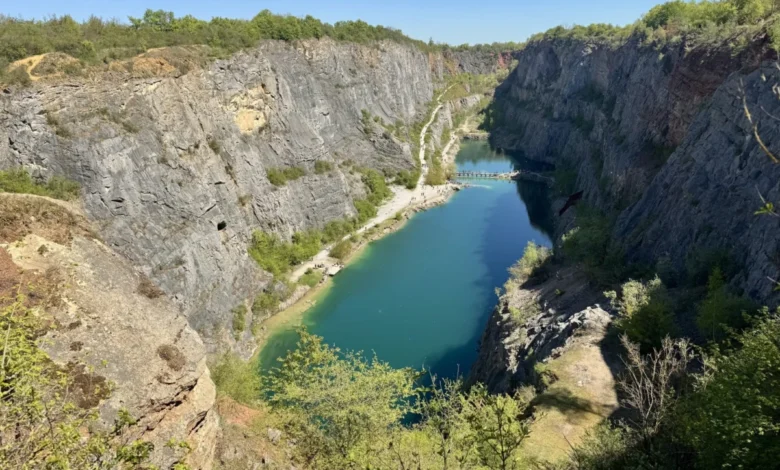
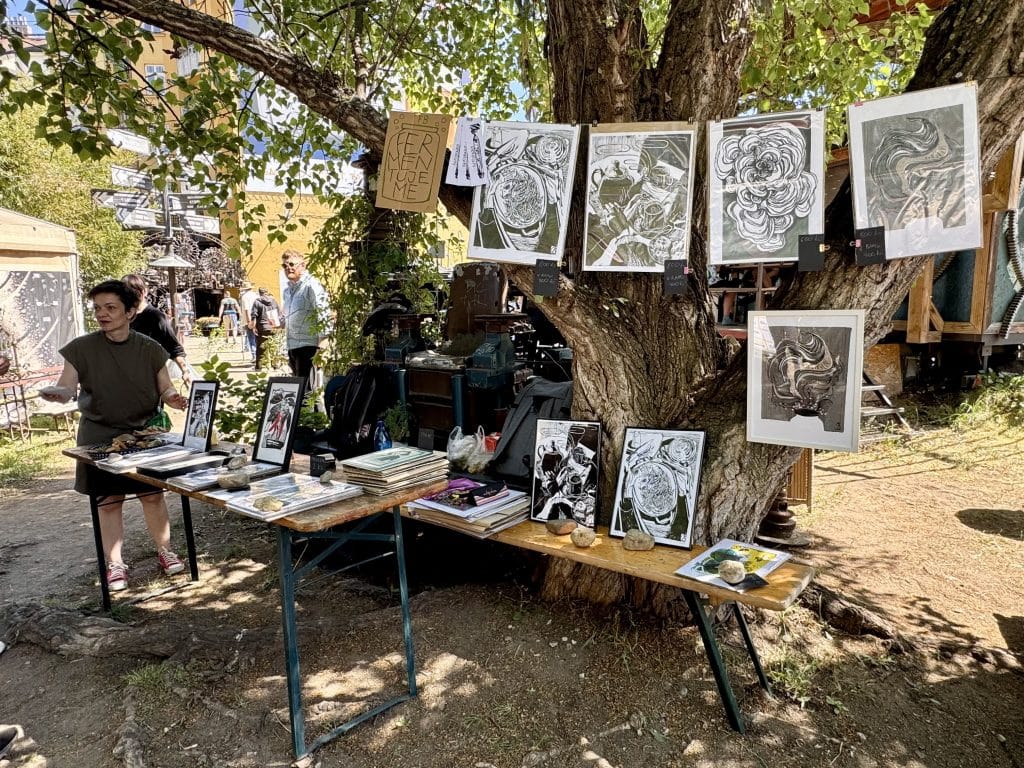
Prague remains a focal point for European tourism, offering a dense concentration of historical architecture, culinary innovation, and accessible hiking terrain. Throughout May, the city hosted a series of specialized food festivals, notably in the Holešovice district, which emphasized the growing trend of fermented and spicy food consumption within the local gastronomic scene. These events serve as a barometer for shifting consumer tastes, moving away from traditional staples toward international influences and artisanal production.
Simultaneously, travel to the United Kingdom offered a departure from routine metropolitan visits. The itinerary focused on the Cotswolds and Bristol, regions that provide a significant contrast to the dense urban environment of London. The Cotswolds, an area of outstanding natural beauty, remains a critical component of England’s heritage tourism, defined by its limestone architecture and historical village preservation.

Chronology of the Cooper’s Hill Cheese-Rolling
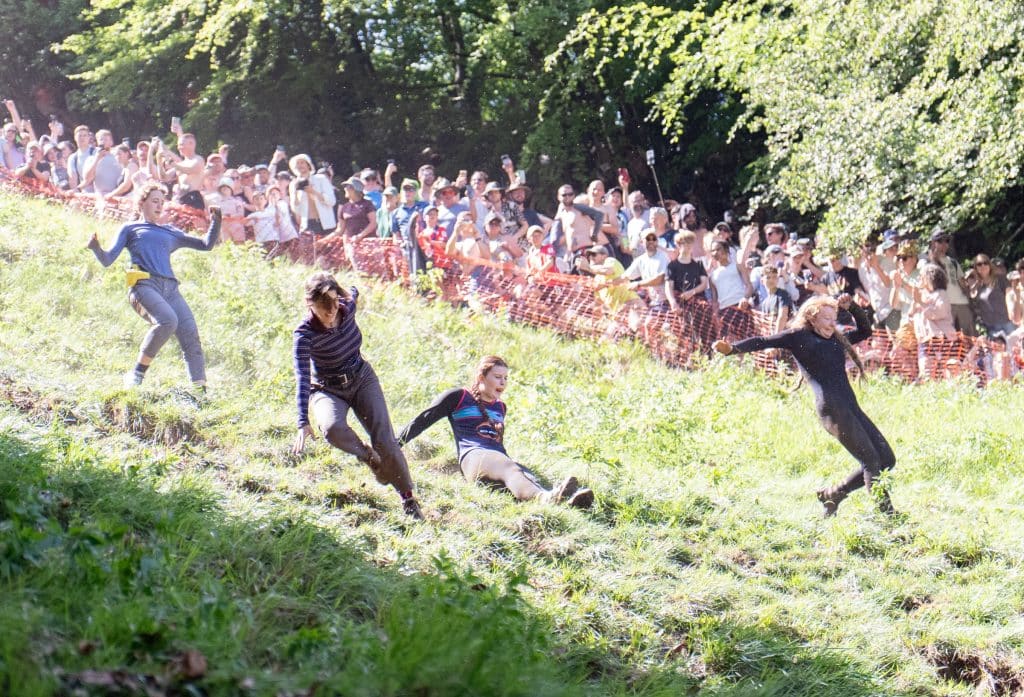
A significant highlight of the UK excursion was attendance at the Cooper’s Hill Cheese-Rolling and Wake. This event, which takes place annually near Gloucester, is a world-renowned tradition that dates back to at least the early 19th century, though its origins are believed to be much older, potentially rooted in pagan fertility rituals.
The event consists of participants chasing a nine-pound wheel of Double Gloucester cheese down a steep, uneven incline. Due to the high velocity of the cheese and the treacherous nature of the hill, the event frequently results in injuries, which has prompted intense debate regarding public safety and institutional oversight. Despite these concerns, the event persists as a manifestation of local folk culture, drawing international spectators and participants who seek to witness one of the last remaining examples of traditional, high-risk community sports.

Culinary Excellence and Economic Value
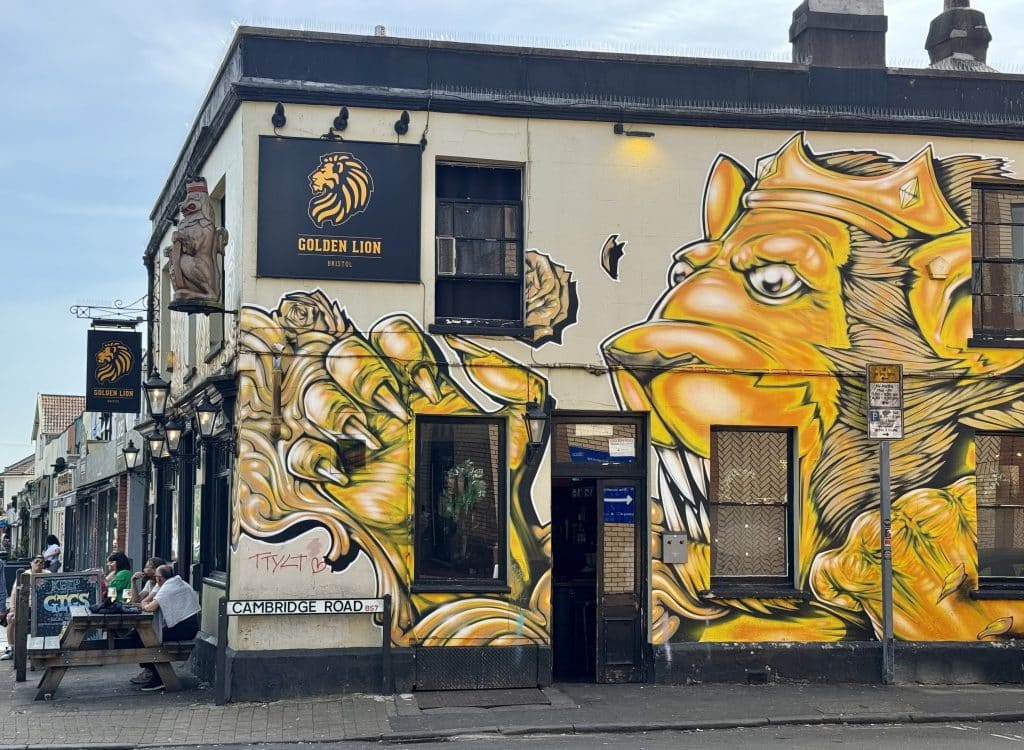
Beyond traditional sports, the trip included a high-profile visit to Bristol, a city increasingly recognized for its contribution to the United Kingdom’s culinary landscape. A notable inclusion was a dining experience at Wilson’s, a Michelin-starred establishment. The restaurant has garnered attention for its commitment to sustainable, farm-to-table practices and its high-quality, multi-course tasting menus.
From a macroeconomic perspective, the accessibility of such high-end dining experiences at a mid-range price point (approximately 78 GBP for a seven-course meal) highlights a trend in the UK hospitality sector: the democratization of fine dining. By utilizing seasonal, locally sourced ingredients, establishments like Wilson’s are able to maintain a price-to-quality ratio that attracts both domestic and international tourism, thereby bolstering the local service economy.
Healthcare Infrastructure and Expats in the Czech Republic
A critical component of expatriate life involves the navigation of local healthcare systems. An incident involving a domestic pet highlighted the evolution of medical infrastructure in Prague. Historically, expatriates faced a bifurcated system: local, non-English-speaking clinics that were geographically convenient, and specialized, more expensive facilities that required significant travel.
The emergence of 24/7, English-speaking veterinary facilities in the city represents a significant improvement in the quality of life for the growing international community. This shift is reflective of a broader urban trend in Prague, where city planners and private enterprises are increasingly catering to the specific needs of a multinational demographic, ensuring that essential services are not only high-quality but also linguistically accessible.
Cultural and Literary Analysis: The Financial Vulnerability of Spouses
In the sphere of contemporary literature and social commentary, the memoir Strangers: A Memoir of Marriage by Belle Burden has prompted significant public discourse. The book chronicles a high-net-worth divorce and the subsequent discovery of financial manipulation by the author’s spouse.
The work has served as a catalyst for broader discussions on the necessity of financial literacy among spouses, particularly in households where one partner manages the entirety of the financial portfolio. Experts in marital law and financial planning have long advocated for transparency, yet the public interest in this memoir underscores a persistent gap in awareness. The discourse surrounding the book highlights a socioeconomic reality: financial vulnerability is not solely the province of the economically disadvantaged. The case study provided by the author emphasizes that legal and financial protections are essential for all parties, regardless of their net worth.

Musicological Projects and Archive Consumption
A secondary focus of the month involved an ongoing academic-style engagement with the Rolling Stone 500 Greatest Albums of All Time list. This project serves as an exercise in cultural consumption and historical analysis. By listening to these records chronologically and thematically, one gains a clearer understanding of the evolution of 20th-century music, particularly the interplay between rock, disco, and early hip-hop.
The re-evaluation of works such as Pink Floyd’s Dark Side of the Moon and David Bowie’s Station to Station provides a necessary framework for understanding the transition of music from pure entertainment to thematic, cohesive art forms. However, the inclusion of lengthy compilation albums—such as James Brown’s Star Time—raises questions about the methodology of such "greatest of" lists. When a list prioritizes length over thematic focus, it risks obscuring the specific albums that defined an artist’s career. Furthermore, the notable absence of female representation in certain segments of the list points to the historical biases present in music criticism and the need for more inclusive, modernized evaluations of music history.

Future Projections: New England and Urban Planning
As the calendar turns to June, the focus shifts to the United States, specifically the New England region. This period is historically significant for regional tourism, with an emphasis on coastal infrastructure and urban park systems.
The plan to traverse the "Emerald Necklace" in Boston—a 1,100-acre chain of parks linked by parkways and waterways—highlights the importance of urban landscape architecture. Designed by Frederick Law Olmsted, the system remains a model for modern urban planning. Similarly, the intention to walk the entirety of Broadway in Manhattan serves as an exploration of the city’s linear urban development. These activities underscore a growing trend in urban tourism: the move away from passive sightseeing toward active, immersive engagement with city infrastructure and public space.
Conclusion and Broader Implications
The events of May provide a snapshot of a mobile, culturally engaged lifestyle that balances local community integration with international travel. Whether it is navigating the risks of traditional folk festivals in the English countryside, supporting the burgeoning culinary scene in Bristol, or analyzing the systemic failures of financial protection in high-net-worth marriages, the activities of the past month reflect a commitment to continuous learning and engagement.
The implications for future travel are clear: there is a sustained interest in "authentic" experiences that prioritize cultural immersion over mere consumption. As the global travel industry continues to recover and evolve, these personal and analytical perspectives serve as a vital guide for travelers seeking to understand the nuanced landscapes—both geographical and social—that define the modern world. Through critical observation and active participation, the goal remains to synthesize these disparate experiences into a broader understanding of contemporary global culture.