Kodak SlideTag Review: A Surprisingly Robust Intersection of Nostalgia and Modern Utility

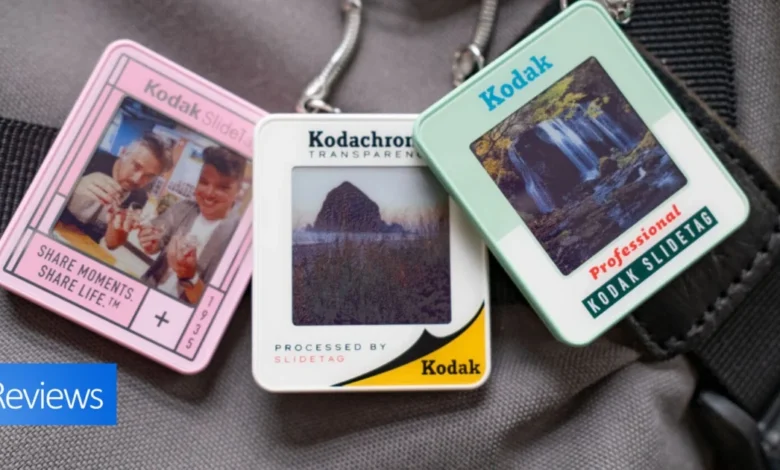
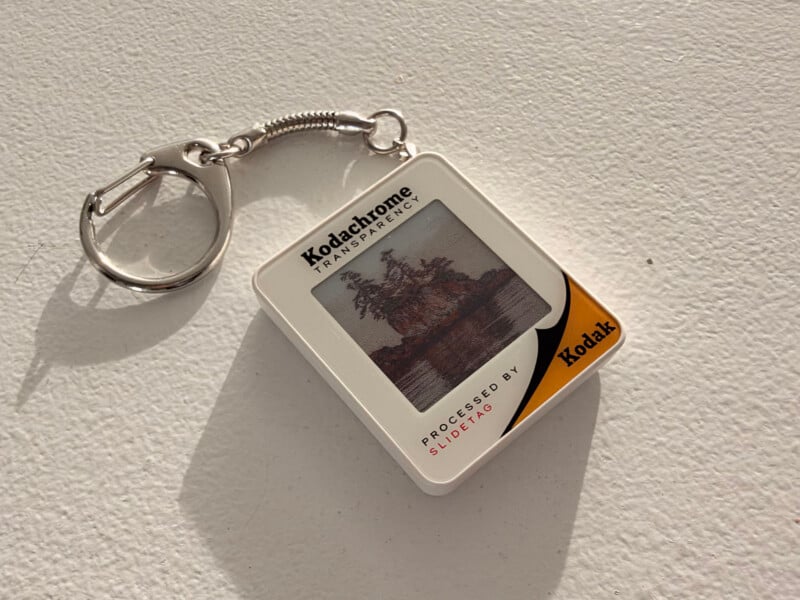
Reto, a company frequently associated with short-lived, trend-focused photography gadgets, has shifted its market trajectory with the release of the Kodak SlideTag. This device represents a departure from the manufacturer’s history of producing disposable-style consumer goods, such as the Charmera, which faced widespread criticism for its limited lifespan and contribution to electronic waste. The SlideTag, by contrast, integrates a color E-Ink display with Bluetooth tracking capabilities, positioning itself as a legitimate multifunctional tool for photographers and everyday users alike.
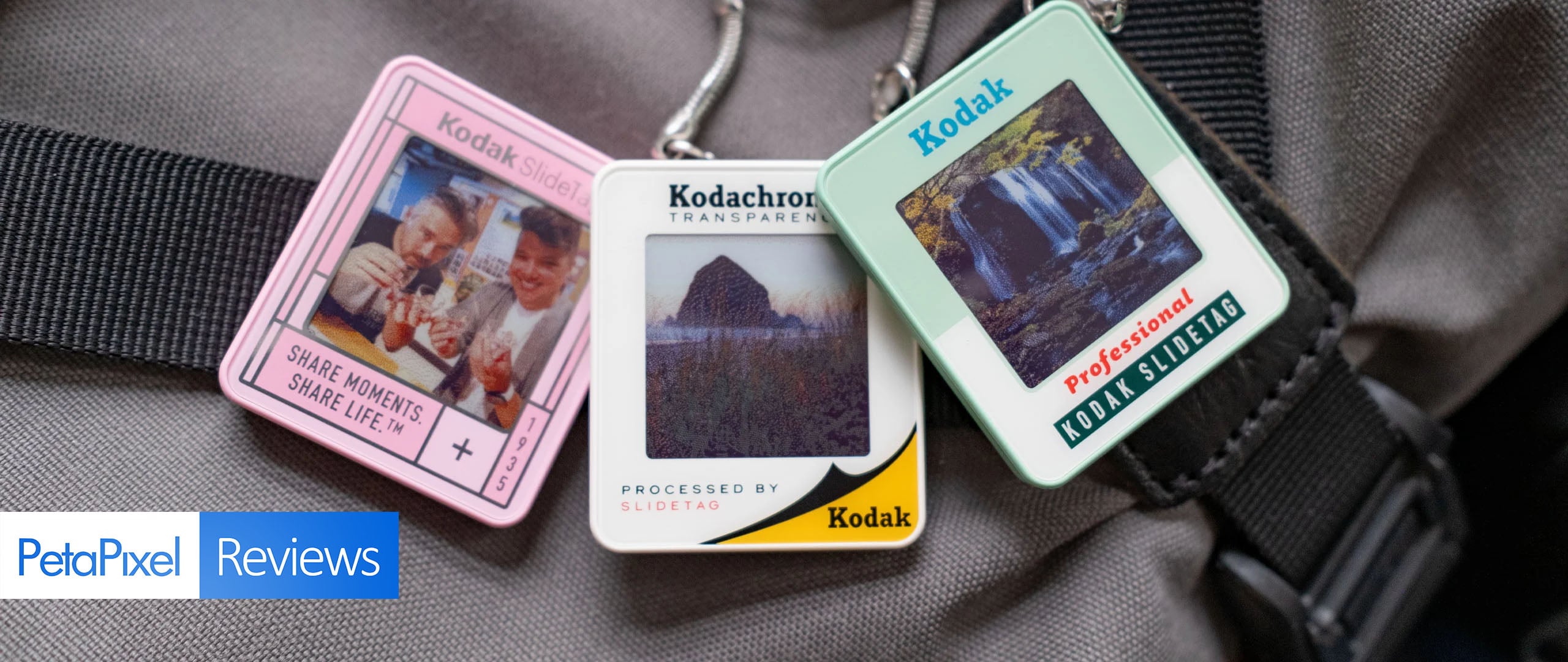
The device is marketed through a blind-box sales model, a strategic choice that taps into the growing "collectible tech" market. Despite this unconventional retail approach, the underlying hardware offers a level of durability and utility that differentiates it from Reto’s previous catalog. By combining the aesthetic of vintage 35mm slide mounts with modern tracking technology compatible with both Apple Find My and Android Find Hub, the SlideTag addresses a niche demand for high-end, style-conscious accessories in the portable electronics sector.
Historical Context and Product Evolution
Reto has historically operated in the lower-cost segment of the photography accessory market. Its previous offerings, such as the Snapic A1 and the Charmera, were often categorized by industry analysts as "fast-fashion" photography products. These items frequently utilized plastic-heavy construction and fixed, non-replaceable components, which led to high rates of early-life failure. Industry observers, including prominent voices in the photography community, have long pointed to this trend as a driver of unnecessary e-waste.

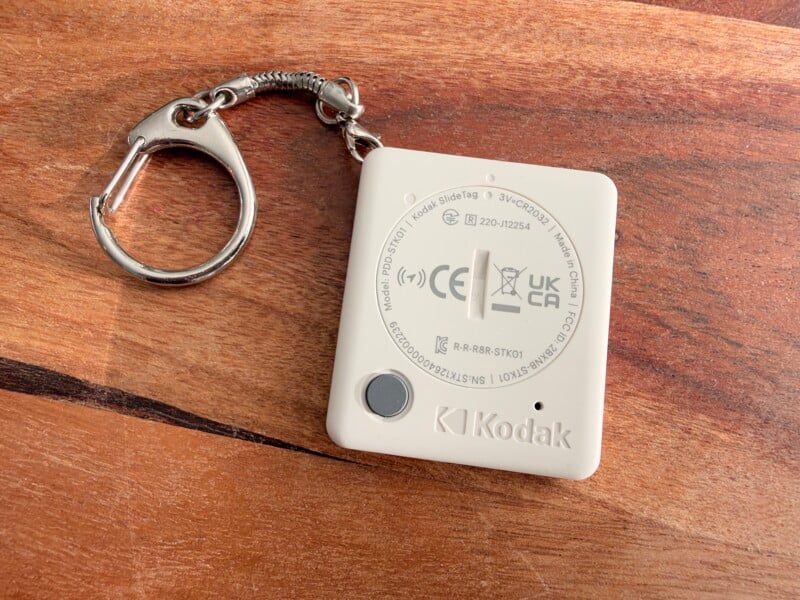
The development of the SlideTag marks a significant pivot in Reto’s product philosophy. Internally, the company appears to have prioritized longevity; for instance, unlike its predecessors, the SlideTag features a user-replaceable CR2025 lithium battery. This design choice suggests a move toward more sustainable consumer electronics, aligning with broader industry shifts toward "right to repair" and extended product life cycles. The transition from disposable novelties to durable, multi-purpose hardware suggests a maturation of Reto’s manufacturing processes.
Technical Specifications and Functional Capabilities
The core of the SlideTag is its color E-Ink screen. E-Ink technology is known for its extreme power efficiency, as it only requires energy when the display image is updated. Once an image is rendered, it remains visible without further power consumption. This allows the device to function for extended periods, far exceeding the battery life of traditional active-display keychains.
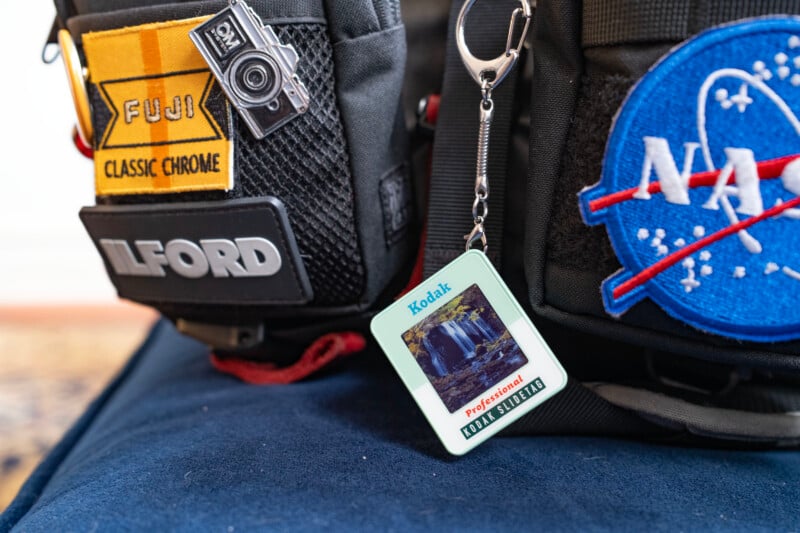
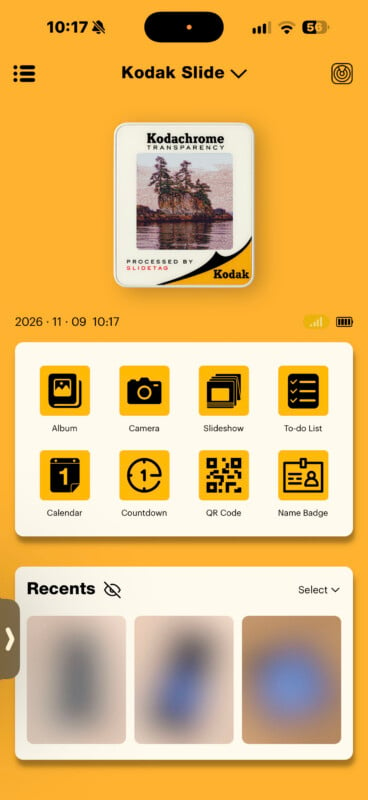
Users manage the device through the Kodak Memory Link application. The software suite allows for the following functionalities:
- Photo Gallery: Users can upload up to 12 images, which can be cycled manually via a double-click on the device’s rear button or set to rotate automatically.
- Utility Displays: Beyond photography, the screen can display static information, including to-do lists, calendar reminders, and countdowns for specific events.
- Identity and Connectivity: The device can generate and display QR codes, which function as digital business cards or social media links, facilitating networking at events. It also serves as a programmable name tag for luggage or equipment bags.
- Location Tracking: The integration with Apple Find My and Android Find Hub allows the SlideTag to function as a high-precision tracker, providing location data in real-time.
The inclusion of these features creates a unique value proposition. While standalone trackers from Apple, Google, or third-party manufacturers are often cheaper, they lack the personalization and secondary display functions that the SlideTag offers.
The Blind Box Marketing Strategy
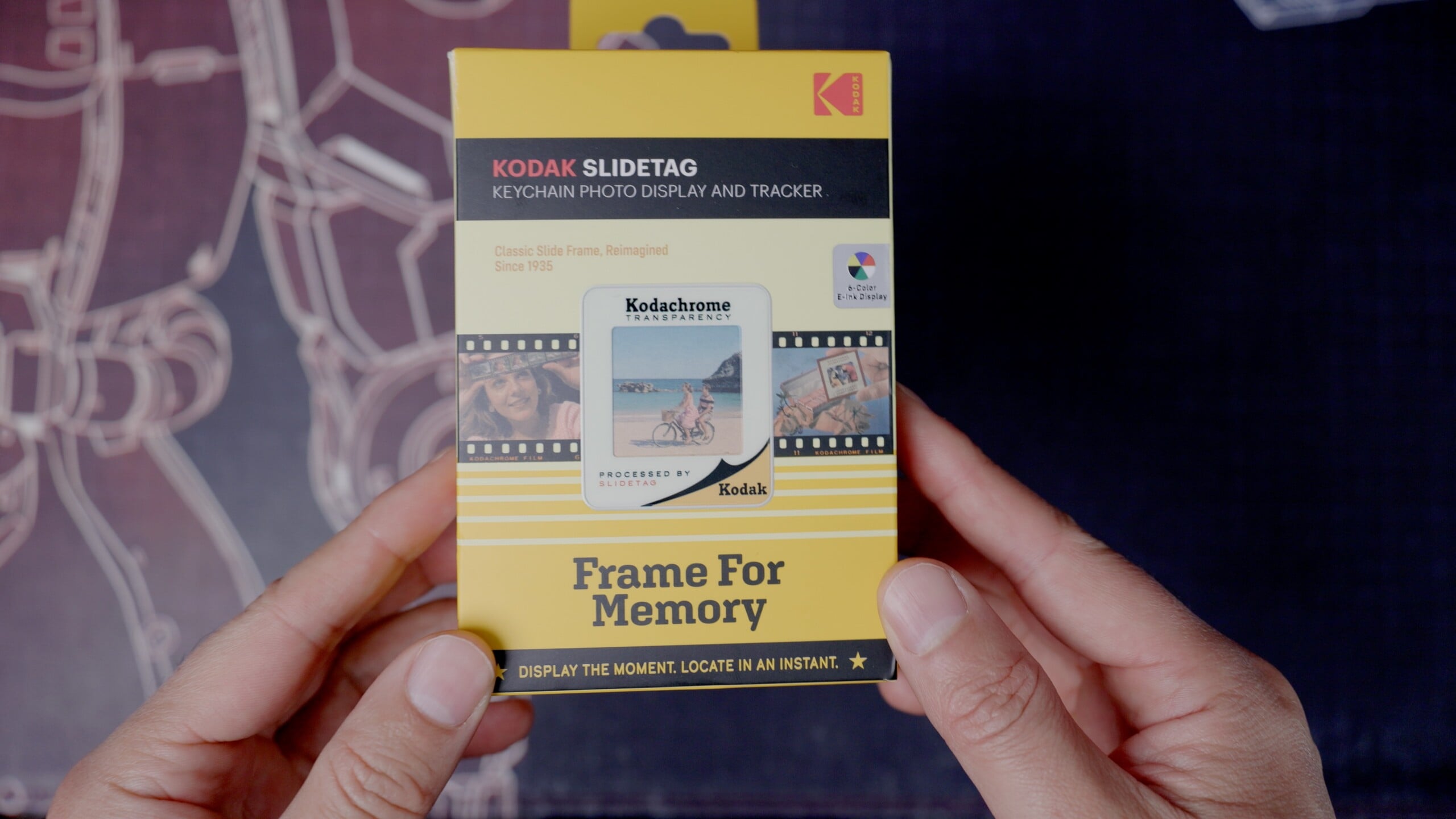
Reto’s decision to distribute the SlideTag via blind boxes—where the consumer does not know which design they are purchasing—is a calculated marketing maneuver. This "socially acceptable gambling" mechanic has become increasingly prevalent in the toy and collectible sectors. However, Reto has attempted to mitigate the potential frustration of this model by ensuring that each box includes high-quality supplemental materials, such as a physical 35mm slide holder and a detailed pamphlet explaining the various design options.
There are nine distinct designs available, including eight standard models and one "secret" variant. The unboxing experience is designed to be an extension of the product’s identity, emphasizing the nostalgia of the Kodak brand. By turning the acquisition of the device into an event, Reto aims to drive social media engagement and word-of-mouth marketing, which has historically been the company’s strongest asset.
Comparative Market Analysis
When evaluated against current market leaders in the tracking category, the Kodak SlideTag occupies a unique middle ground.
| Feature | Apple AirTag | Google Pixel Tag | Kodak SlideTag |
|---|---|---|---|
| Primary Use | Tracking | Tracking | Tracking & Display |
| Battery | Replaceable | Replaceable | Replaceable |
| Display | None | None | Color E-Ink |
| Customization | Basic Engraving | None | 9 Collectible Skins |
| Retail Price | ~$29 | ~$25 | ~$35 |
The SlideTag’s price point of $35 places it at a premium compared to basic trackers. However, the added functionality of the display and the aesthetic value of the device provide a justification for this markup. The device is not intended to replace professional-grade security hardware, but rather to serve as an "accessory for accessories," particularly for photographers who carry expensive gear and desire a personalized identification method.
Broader Industry Implications
The success of the SlideTag could signal a trend toward "functional nostalgia." As digital fatigue grows, many consumers are seeking hardware that mimics the tactile, manual experience of analog photography while retaining the convenience of modern connectivity. By leveraging the Kodak brand—a name synonymous with the history of film—Reto is tapping into a demographic that values the aesthetic of the 20th century but lives in a 21st-century digital ecosystem.
Furthermore, the shift toward user-replaceable batteries is a critical development. If Reto continues to move away from disposable designs, it could influence other manufacturers in the budget electronics space to adopt more sustainable practices. While it remains to be seen if the SlideTag will withstand long-term field use as effectively as established tech giants’ trackers, the initial build quality represents a marked improvement over the company’s past portfolio.
Conclusion and Outlook
The Kodak SlideTag is a multifunctional device that successfully bridges the gap between retro-inspired photography accessories and modern utility. While the blind-box sales model may polarize some consumers, the technical integration of E-Ink display technology and robust location-tracking software makes it a compelling option for those who prioritize both form and function.
As Reto continues to iterate on its hardware, the SlideTag stands as its most significant product to date. It suggests that the company has transitioned from a manufacturer of novelty items to a brand capable of creating sustainable, useful, and aesthetically relevant consumer electronics. For photographers and tech enthusiasts alike, the SlideTag offers a practical way to safeguard equipment while paying homage to the heritage of the medium. Given its current performance and feature set, it is likely that the SlideTag will maintain its relevance in the market, provided the company continues to support the accompanying software and maintains the build standards demonstrated in this initial release.