Three Hikers Rescued After Being Trapped by Severe Winter Weather on the Continental Divide Trail Near Rollins Pass

Sub-Zero Temperatures and Heavy Snow Trigger High-Altitude Rescue Operation in Colorado
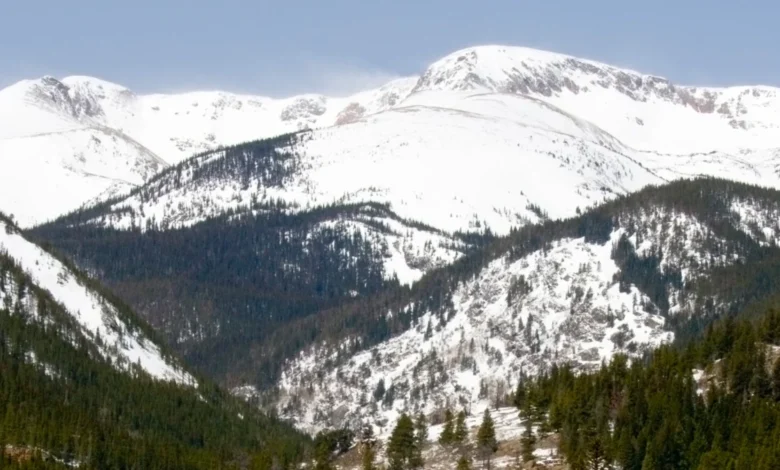
A late-season fall hiking expedition along the Colorado section of the Continental Divide Trail (CDT) turned perilous on November 14, culminating in an overnight emergency rescue operation at an elevation of 11,600 feet near Rollins Pass. Three hikers, caught unawares by rapidly deteriorating weather conditions, were forced to call for assistance after battling sub-freezing temperatures, heavy snow accumulation, and severe navigational challenges.
Grand County Search and Rescue (GCSAR) spearheaded the mission, which unfolded under punishing meteorological conditions characterized by gale-force winds and plummeting nighttime temperatures. The incident underscores the severe and often underestimated hazards of recreating in Colorado’s high-country environments during the transitional late-fall and early-winter months.
Chronology of the Incident: From Trailhead to Midnight Extraction
The sequence of events began when the trio of hikers embarked on their journey along a high-elevation route that merges with the Continental Divide Trail roughly an hour and a half drive from the Denver metropolitan area. While initial conditions at lower elevations may have appeared manageable, the environment along the ridgelines and high passes deteriorated rapidly as a powerful cold front moved through the region.
By late afternoon, the hikers found themselves struggling against blinding snow and compounding navigational obstacles. Recognizing that they could not safely complete their route or withstand the elements without intervention, the group initiated a call for help.
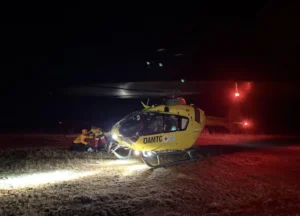
Grand County Search and Rescue received the distress call and immediately mobilized a response team. Given the rugged terrain and blocked pathways, rescuers utilized all-terrain vehicles (ATVs) to navigate as far up Rollins Pass Road as conditions permitted. Upon reaching the limit of vehicular travel, the rescue personnel dismounted and completed the remaining distance on foot through deepening snow and punishing winds.
When the first team made contact with the stranded hikers, the subjects were found to be wet, profoundly fatigued, and suffering from the early stages of cold-stress. Although the hikers had managed to pitch a tent, they lacked essential survival gear—most critically, reliable fire-making supplies—needed to generate body heat and dry their garments during an extended stay in sub-zero alpine weather.
Recognizing the severity of the situation and the vulnerability of the subjects, GCSAR dispatched a second support team later in the evening to bolster the operation. Once the combined rescue personnel stabilized the hikers and provided them with warm layers and nourishment, the unified party navigated the arduous return trek back to the staged ATVs. The operation concluded successfully in the early morning hours, with the exhausted hikers safely transported down to the trailhead, avoiding what could easily have become a tragic outcome.
High-Altitude Hazards: Environmental Data and Trail Conditions
The area where the rescue took place is among the most demanding stretches of the American trail system. The High Lonesome Trail, which runs concurrent with portions of the CDT near Rollins Pass, demands significant physical endurance. When hiked in its entirety, the route spans approximately 18 miles and entails an elevation gain of 3,742 feet, culminating at a high point of 12,111 feet.
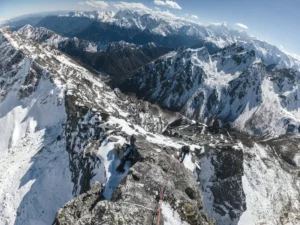
Meteorological data recorded around the time of the incident highlight the extreme nature of the environment. Daytime temperature highs in the vicinity hovered between a meager 26 and 37 degrees Fahrenheit. However, once the sun dipped below the horizon, temperatures plummeted dramatically, with nighttime lows bottoming out between 5 and 9 degrees Fahrenheit. Compounding the thermal stress, relentless wind gusts reaching speeds of up to 50 miles per hour swept across the exposed ridgelines, creating windchill values well below zero.
These harsh atmospheric conditions are characteristic of the Continental Divide Trail, which holds the distinction of being the highest-elevation long trail in the United States. According to the United States Forest Service (USFS), the CDT reaches its ultimate zenith at the summit of Grays Peak, towering at 14,278 feet above sea level. Within the state of Colorado alone, the trail maintains an average elevation of approximately 10,000 feet, exposing travelers to rapid weather shifts, thin air, and alpine hazards that can materialize with little to no warning.
Official Responses and Search and Rescue Insights
Search and rescue organizations across Colorado frequently issue warnings regarding the deceptive nature of shoulder-season recreation. While urban areas and lower mountain valleys may experience mild autumn weather, conditions above 10,000 feet often mirror deep-winter environments.
In statements released following the Rollins Pass operation, GCSAR highlighted the critical gap in preparation that frequently places backcountry visitors at risk. Officials emphasized that although significant snow accumulation may not yet have blanketed the lower valleys of Grand County, the high country is governed by entirely different meteorological rules.
"The subjects had set up camp but lacked appropriate gear, including fire-making supplies, to spend the night in the deteriorating weather," rescue officials noted in an incident summary. This specific vulnerability—relying on standard three-season camping equipment during a late-fall storm—is a recurring theme in mountain rescue statistics. Without dependable methods to start a fire, boil water, or retain body heat when equipment fails or gets wet, hypothermia can set in rapidly, impairing cognitive function and decision-making capabilities within a matter of hours.
Search and rescue professionals continually urge outdoor enthusiasts to carry the "Ten Essentials," a foundational set of survival items that includes navigation tools, sun protection, insulation, illumination, first-aid supplies, repair kits, fire starters, nutrition, hydration, and emergency shelter. In shoulder-season alpine environments, the margin for error narrows drastically, transforming minor navigational delays or gear failures into life-threatening emergencies.
Broader Implications for Shoulder-Season Recreation
The November 14 rescue serves as a stark reminder of the responsibilities inherent in high-altitude wilderness travel. As outdoor recreation continues to surge in popularity year-round, search and rescue teams across the American West are increasingly deployed to assist individuals who underestimate the transition from autumn to winter in the mountains.
The economic and operational impacts of these rescues are substantial. Volunteer-driven organizations like Grand County Search and Rescue rely heavily on community support, specialized training, and grueling physical labor to execute missions in treacherous terrain during the dead of night. Every deployment exposes rescue personnel to significant risk from avalanches, extreme cold, and mechanical failures on snow-choked mountain roads.
Furthermore, incidents of this nature often spark broader conversations among land managers, conservationists, and outdoor advocacy groups regarding public education and trail regulation. While public lands remain accessible to all, the increasing frequency of late-season rescues has prompted renewed calls for enhanced messaging at trailheads, emphasizing that mountain weather is volatile and unforgiving.
Ultimately, the successful extraction of the three hikers from Rollins Pass stands as a testament to the dedication and preparedness of Colorado’s volunteer search and rescue community. At the same time, it serves as a cautionary tale for the outdoor community at large: as winter claims the high country, thorough preparation, appropriate heavy-weather gear, and an acute awareness of regional climate patterns are not merely recommendations—they are absolute prerequisites for survival.