Curacao: A Comprehensive Guide to the Southern Caribbean’s Premier Cultural and Coastal Destination

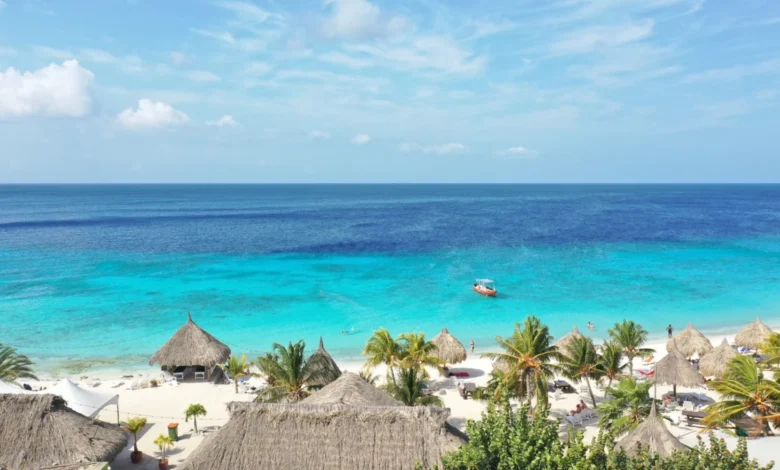
The island of Curaçao, a constituent country within the Kingdom of the Netherlands, has emerged as a cornerstone of Southern Caribbean tourism. Located approximately 40 miles north of the Venezuelan coast, the island’s unique geographic position outside the traditional hurricane belt has long provided a stable environment for tourism development. With a land area of roughly 171 square miles and a population of approximately 150,000, the island offers a distinct blend of European colonial history and Afro-Caribbean cultural heritage. As the travel industry continues to evolve post-pandemic, Curaçao has positioned itself as a destination that balances accessible urban exploration with protected natural landscapes.
Historical Context and Urban Development
The capital city, Willemstad, serves as the economic and cultural engine of the island. Its historic core, a UNESCO World Heritage site, is defined by its vibrant Dutch colonial architecture. The city’s development, which began in the mid-17th century under the Dutch West India Company, remains visible in the multi-colored facades of the Punda and Otrobanda districts.
Recent urban planning initiatives have prioritized non-motorized transport, particularly within the historic city center. Cycling has become a primary method for visitors to engage with the city’s complex infrastructure. For those seeking to navigate these districts, local establishments such as Van Gogh Specialty Coffee have integrated logistics support into their operations. By facilitating bicycle rentals alongside traditional hospitality services, these local businesses have streamlined the visitor experience. A typical route for a cycling tour includes the districts of Pietermaai, Punda, Otrobanda, and Scharloo, where the architectural restoration of 19th-century mansions has been a point of focus for the Curaçao Heritage Foundation.
Coastal Geography and Marine Biodiversity
The island’s topography is characterized by limestone plateaus and a jagged southern coastline, which creates a series of protected bays, or "bocas," that are essential to the island’s biodiversity. These coastal formations are the result of geological shifts and sea-level changes occurring over millennia.
The marine environment surrounding Curaçao is governed by the Curaçao Marine Park, which encompasses approximately 15 kilometers of the coastline. The preservation of these reefs is critical to the island’s tourism economy. According to data from the Curaçao Tourist Board, over 60% of visitors engage in water-based activities, including snorkeling and scuba diving.
Key coastal zones include:
- Jan Thiel and Mambo Beach: Located on the eastern side, these areas represent the high-density tourism corridor. They have been subject to significant private investment in infrastructure, including beach clubs and high-end resorts.
- Kenepa Beach (Knip Beach): Located on the western periphery, this area serves as a primary example of public-access natural heritage. The site is a focal point for the preservation of indigenous coastal flora.
- Playa Porto Mari: Recognized for its unique double reef system, this site provides a controlled environment for marine research and recreational diving. The site’s management team utilizes a "pay-to-access" model that directly funds the maintenance of the reef and the surrounding facilities.
- Grote Knip: Widely cited as the most iconic beach on the island, its geological formation—deep, clear water flanked by towering limestone cliffs—provides a natural windbreak, making it a stable destination for swimmers throughout the year.
The Klein Curaçao Expansion
Approximately 15 miles off the southeastern coast lies the uninhabited island of Klein Curaçao. This small, low-lying coral island has become a vital component of the local tourism ecosystem. Historically used as a quarantine station and for phosphate mining in the 19th century, the island is now managed as a nature reserve.
The logistical challenges of accessing an uninhabited island have led to a concentrated market for marine operators. Companies such as Mermaid Boat Trips and Miss Ann Boat Trips maintain the only permanent infrastructure on the island. This development has been a subject of discussion among environmental groups, who advocate for strict monitoring of waste management and visitor capacity to prevent degradation of the island’s delicate ecosystem. Data from the maritime authority indicates that an average of 300 to 500 visitors travel to the island daily during peak season, a figure that stakeholders argue must be strictly capped to maintain the integrity of the abandoned lighthouse and the surrounding wildlife habitats.
Economic Impact and Tourism Data
The tourism sector accounts for approximately 20% of Curaçao’s Gross Domestic Product (GDP). Following a contraction in the global travel market between 2020 and 2021, the island saw a significant rebound in 2022 and 2023. Recent statistics suggest that stay-over arrivals have returned to, and in some months exceeded, pre-pandemic levels.
The shift in tourism strategy has been toward "quality over quantity," with the Curaçao Tourist Board focusing on the North American and European markets. This strategy involves promoting the island’s distinct cultural assets—such as the Papiamentu language, the culinary fusion of Caribbean and Dutch influences, and the year-round temperate climate—rather than relying solely on the mass-market cruise industry.
Analysis of Future Implications
As Curaçao moves forward, the primary challenge remains the balance between economic expansion and environmental conservation. The rapid development of coastal property in the western regions has prompted the government to reassess zoning laws. Furthermore, climate change poses a long-term threat to the island’s low-lying coastal areas and its coral reefs.
Experts in sustainable tourism note that the island’s resilience will depend on the continued integration of local communities into the tourism value chain. Initiatives like the "Curaçao Cares" program encourage tourists to support local businesses, such as the bike-friendly cafes in Willemstad, ensuring that the economic benefits of tourism are distributed beyond large hotel chains.
The successful management of the island’s natural resources—specifically the marine protected areas—will dictate the long-term viability of the diving and snorkeling industry. If the current trajectory of rigorous site management continues, particularly regarding the protection of the double reef systems and the fragile landscape of Klein Curaçao, the island is expected to maintain its status as a premium destination. However, failure to address potential over-tourism at the most popular coastal sites could lead to a decline in the very natural assets that drive the island’s appeal.
In summary, Curaçao offers a multifaceted experience that caters to both the history-focused traveler and the outdoor enthusiast. Through a combination of heritage preservation, strategic tourism infrastructure, and environmental stewardship, the island continues to define itself as a mature, sophisticated destination in the Caribbean basin. Future developments will likely focus on enhancing the digital infrastructure for travelers and strengthening the protection of the island’s geological and marine legacy.