When travelers envision Italian gastronomy, the immediate mental imagery typically gravitates toward steaming plates of pasta, wood-fired pizza, and the refreshing indulgence of artisanal gelato. However, a deeper exploration of Rome’s culinary landscape reveals a tradition deeply embedded in centuries of history, socioeconomic shifts, and cultural evolution. Gastronomy in the Italian capital transcends basic sustenance; it serves as a living archive of the city’s complex past, reflecting centuries of local agriculture, neighborhood identity, and multi-generational craftsmanship.
To understand the full scope of Roman cuisine, an increasing number of visitors and culinary historians are turning to specialized guided walking tours. These excursions extend far beyond standard dining, offering immersive educational experiences that connect historical landmarks, local markets, and family-run establishments.

The Evolution of Roman Food Culture and the Rise of Culinary Tourism
Rome’s culinary roots stretch back to antiquity, influenced by the Tiber River trade routes, the agricultural output of the surrounding Lazio region, and historical dietary restrictions and innovations from diverse communities, including the city’s ancient Jewish population. Historically, working-class neighborhoods relied heavily on "quinto quarto" (the fifth quarter)—the offal and discarded cuts of meat left over after portions were distributed to the nobility and clergy. This resourcefulness birthed iconic dishes such as coda alla vaccinara (oxtail stew) and tripe, which remain foundational staples of traditional Roman trattorias today.
In recent decades, the demand for authentic, localized travel experiences has driven a massive surge in culinary tourism. Data from tourism boards and hospitality analysts indicate that food-focused excursions have become one of the fastest-growing sectors in the European travel market. Travelers increasingly reject generic tourist traps in favor of neighborhood-specific immersions, seeking direct engagement with local vendors, cheesemongers, and generational artisans

.
An Overview of Rome’s Premier Culinary Walking Tours
Navigating Rome’s vast gastronomic offerings can prove overwhelming for first-time visitors. To address this, local experts and tour operators have curated specialized itineraries targeting distinct neighborhoods, dietary preferences, and historical themes.

The Rome Street Food Tour: Essential Introductions
Designed primarily for newcomers, the Rome Street Food Tour focuses on the vibrant street-level commerce that sustains daily life in the capital. Led by knowledgeable local guides, these excursions navigate traditional open-air markets and narrow backstreets, introducing participants to portable delicacies such as pizza bianca (crispy flatbread brushed with olive oil and salt), supplì (deep-fried rice balls stuffed with mozzarella and ragù), and classic Roman-style fried cod (filetto di baccalà). Beyond the food, guides provide critical context regarding the socio-economic factors that shaped these convenient, high-calorie staples designed for laborers on the go.
The Taste of Testaccio Food Tour: A Working-Class Epicenter

For travelers seeking an authentic immersion away from the heavily congested historical center, the Testaccio neighborhood offers an unparalleled window into Roman culinary identity. Historically centered around the Port of Emporium and the massive artificial mound of discarded ancient amphorae (Monte Testaccio), this district has long served as the working-class kitchen of Rome.
A typical morning tour in Testaccio frequently commences at the neighborhood’s bustling indoor food market. Here, visitors encounter long-standing vendors, such as local produce merchants renowned for their specialized knowledge of seasonal ingredients. Tastings extend from traditional morning pastries like the cornetto—Rome’s local variation of the croissant—to artisanal tiramisu served in inventive formats.
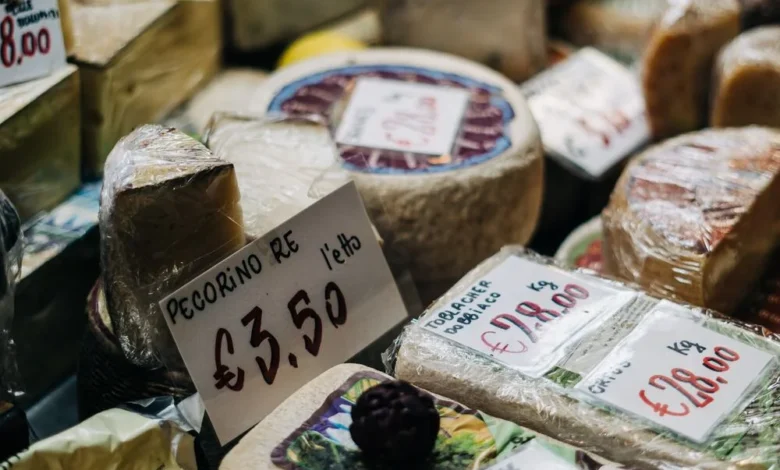
A staple stop on many Testaccio itineraries is E. Volpetti, a legendary gourmet specialty shop offering over 140 varieties of regional cheeses and cured meats. Visitors are routinely guided through structured tastings of aged balsamic vinegars, pecorino romano, and regional cold cuts, gaining technical insight into aging processes, Protected Designation of Origin (PDO) regulations, and artisanal production methods.

Beyond the stalls and storefronts, the Testaccio tour integrates broader historical milestones. Itineraries often feature visits to the Non-Catholic Cemetery, the final resting place of Romantic poet John Keats, contextualizing the area’s multicultural history alongside discussions of local sports culture and industrial heritage. The journey typically concludes with a masterclass in distinguishing authentic artisan gelato from commercial, mass-produced alternatives—a critical consumer skill in a city saturated with tourist-oriented gelaterias.
The Hidden Rome Trastevere Food Tour: Evening Ambiance
As the sun sets, the focus shifts across the Tiber River to the medieval labyrinth of Trastevere. Known for its ivy-clad townhouses, cobblestone alleys, and lively nocturnal energy, this district offers an evening excursion centered on artisanal dairy and local wine culture. Participants sample freshly stretched mozzarella di bufala, truffle-infused cheeses, and cured meats, accompanied by expert commentary on the shifts in Roman nightlife and neighborhood demographics over the past century.

Flavors of Rome Campo Marzo and Historic Center Tours
For visitors wishing to merge architectural sightseeing with culinary exploration, tours operating through Campo Marzio and the historic center bridge the gap between antiquity and gastronomy. These routes guide participants past iconic monuments while embedding hidden-gem food vendors and historic bakeries into the itinerary. The dual focus ensures that travelers receive a comprehensive education regarding both the urban planning of Renaissance and Baroque Rome and the culinary traditions preserved within its historic core.
Specialized Itineraries: Vegan, Wine-Focused, and Multi-Neighborhood Experiences

Recognizing shifting dietary patterns and consumer demands, the Roman tourism market has expanded to include specialized excursions.
-
Vegan Food Tours: Addressing the rise in plant-based diets, these itineraries guide participants through modern vegan eateries and traditional markets that naturally accommodate plant-based eating, proving that Italian cuisine extends far beyond dairy and meat.
-
Jewish Ghetto and Navona Food and Wine Tours: Concentrating on the historic Jewish Ghetto, these tours highlight a centuries-old culinary tradition distinct from standard Roman fare. Key specialties include carciofi alla giudia (Jewish-style deep-fried artichokes), alongside pairings of regional Lazio wines such as Frascati and classic Tuscans like Chianti.

-
Comprehensive Multi-Neighborhood Walks: Combining Trastevere, Campo de’ Fiori, and the Jewish Quarter, these small-group tours offer an intensive, high-yield overview of the city’s most famous culinary hubs within a single afternoon, balancing sit-down trattoria meals with market visits.
Economic and Cultural Implications of Culinary Tourism
The proliferation of structured food tours has generated significant economic impacts for small, family-owned businesses in Rome. By funneling international travelers directly into independent bakeries, cheese shops, and market stalls, these tours provide a vital revenue stream that counters the pressures of commercial gentrification and rising inner-city operational costs.

Furthermore, culinary historians note that these tours play a crucial preservationist role. By educating consumers on the meticulous processes required to produce authentic goods—such as true artisan gelato, traditional pasta dough, and regionally certified olive oils—tours empower travelers to reject industrial counterfeits. This heightened consumer awareness reinforces global demand for authentic, sustainable agricultural practices across Italy.
Conclusion: Integrating Food and History in the Eternal City
Ultimately, navigating Rome via its culinary traditions offers a holistic understanding of a city that constantly negotiates the tension between its ancient legacy and modern identity. Whether sampling fried cod in a bustling market or analyzing the acidity of aged balsamic vinegar in a generations-old specialty shop, culinary tours transform a standard vacation into an educational and culturally immersive experience. As Rome continues to evolve as a global metropolis, its kitchens and street corners remain the ultimate testament to its enduring history and cultural resilience.