Arizona stands as a centerpiece of the American Southwest, defined by a geological and cultural diversity that attracts millions of domestic and international visitors annually. From the deep, ancient incisions of the Colorado River to the high-desert plateaus and the bustling metropolitan corridors of the Phoenix-Tucson axis, the state offers a unique confluence of natural wonders, historical significance, and modern urban development. As of 2026, the state’s tourism infrastructure continues to evolve, balancing preservation with the demands of an expanding visitor economy.
The Grand Canyon: A Geological and Tourism Benchmark
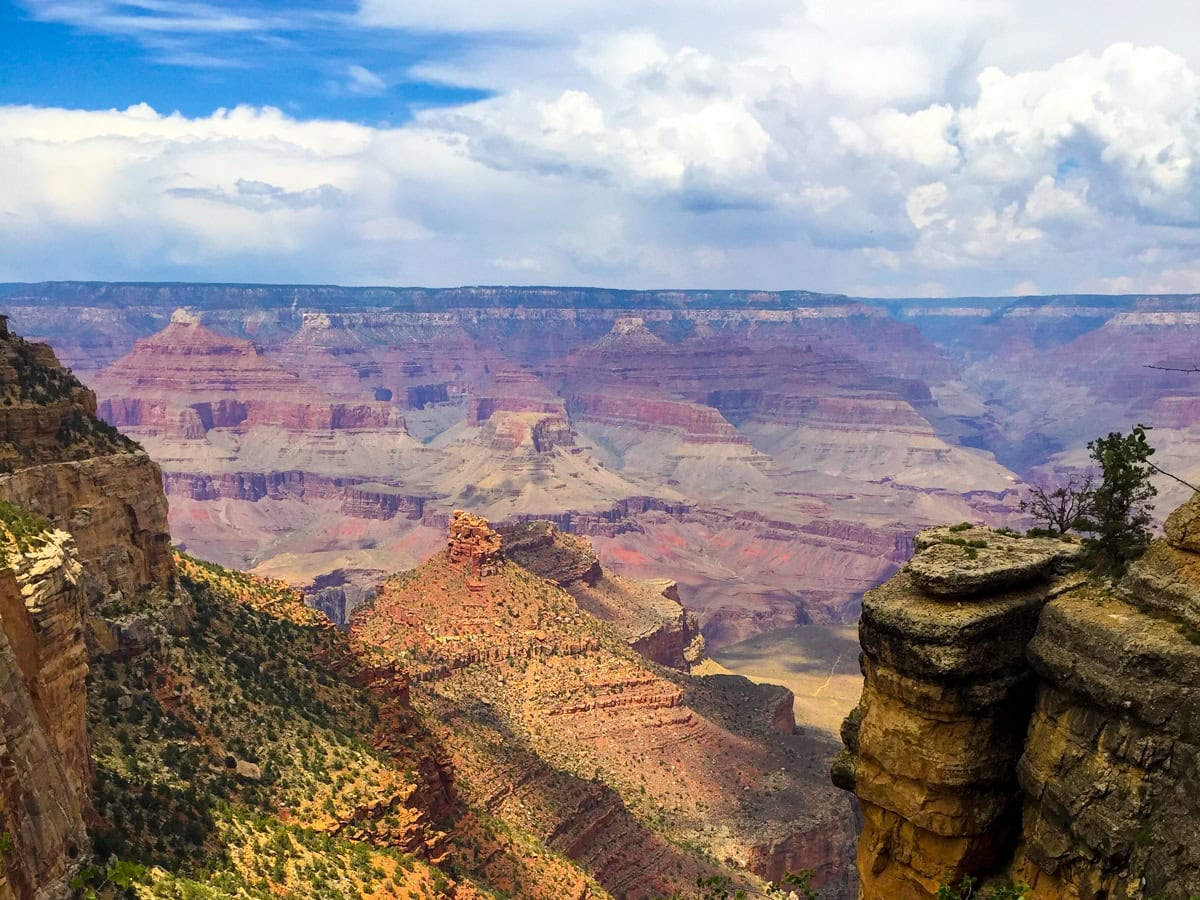
Grand Canyon National Park remains the state’s primary economic and cultural anchor. Carved over an estimated six million years by the relentless flow of the Colorado River, the canyon exposes nearly two billion years of Earth’s geological history. The South Rim, accessible primarily through the gateway towns of Tusayan and Williams, records the highest visitor volume, with annual attendance figures often exceeding five million.
The park’s management, overseen by the National Park Service, has recently emphasized sustainable access, promoting shuttle services and off-peak visitation to mitigate traffic congestion. Beyond the traditional overlooks, the West Rim—located on Hualapai tribal land—offers the Grand Canyon Skywalk, a horseshoe-shaped cantilever bridge that provides a unique vantage point of the canyon floor. For those seeking extreme seclusion, the Havasupai Reservation, situated within the greater Grand Canyon complex, remains a highly regulated destination, requiring advance permits for entry to view the iconic Havasu Falls.
The Red Rocks of Sedona: Energy and Environment
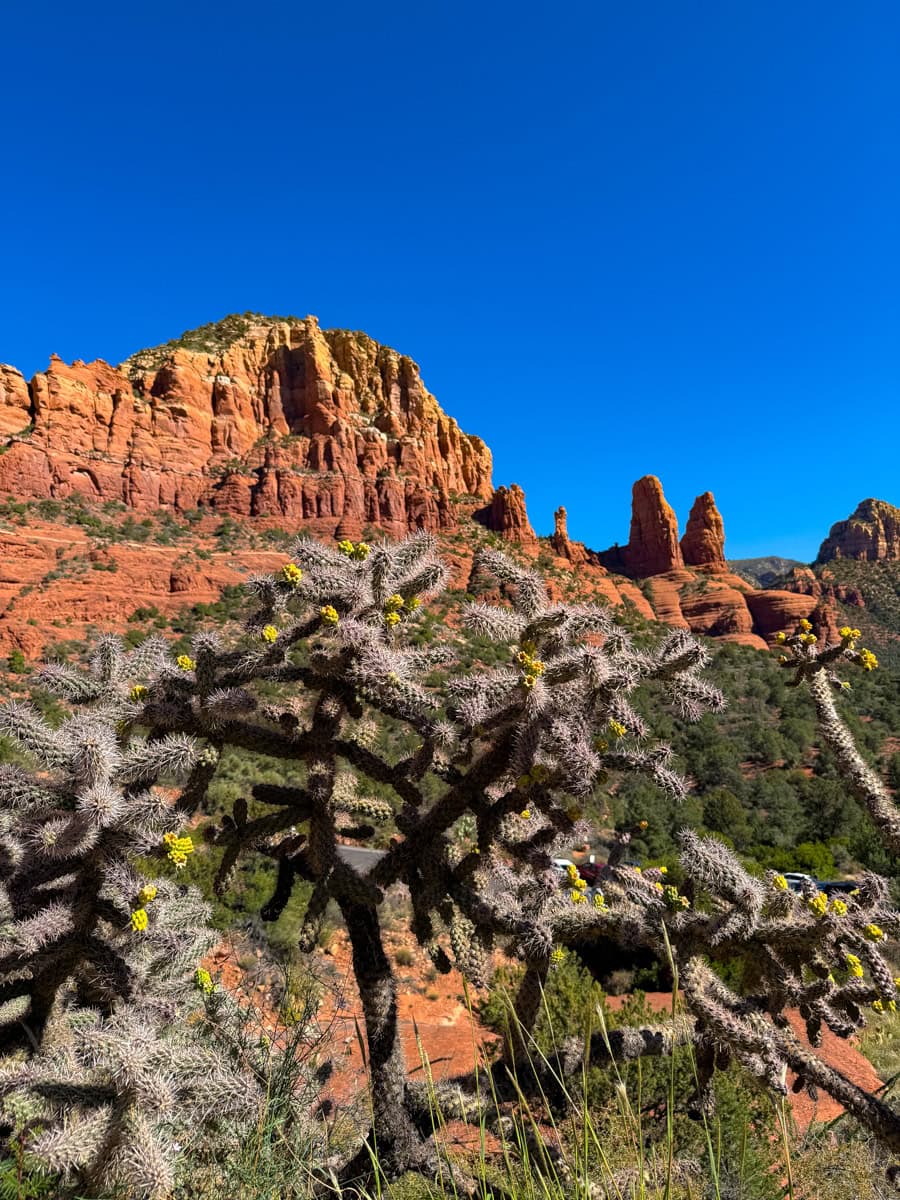
Sedona serves as a critical transition zone between the arid Sonoran Desert and the cooler, forested plateaus of the Coconino National Forest. Geologically, the region is famed for its Permian-era Supai sandstone, which creates the distinctive red rock formations of Cathedral Rock, Bell Rock, and Courthouse Butte.
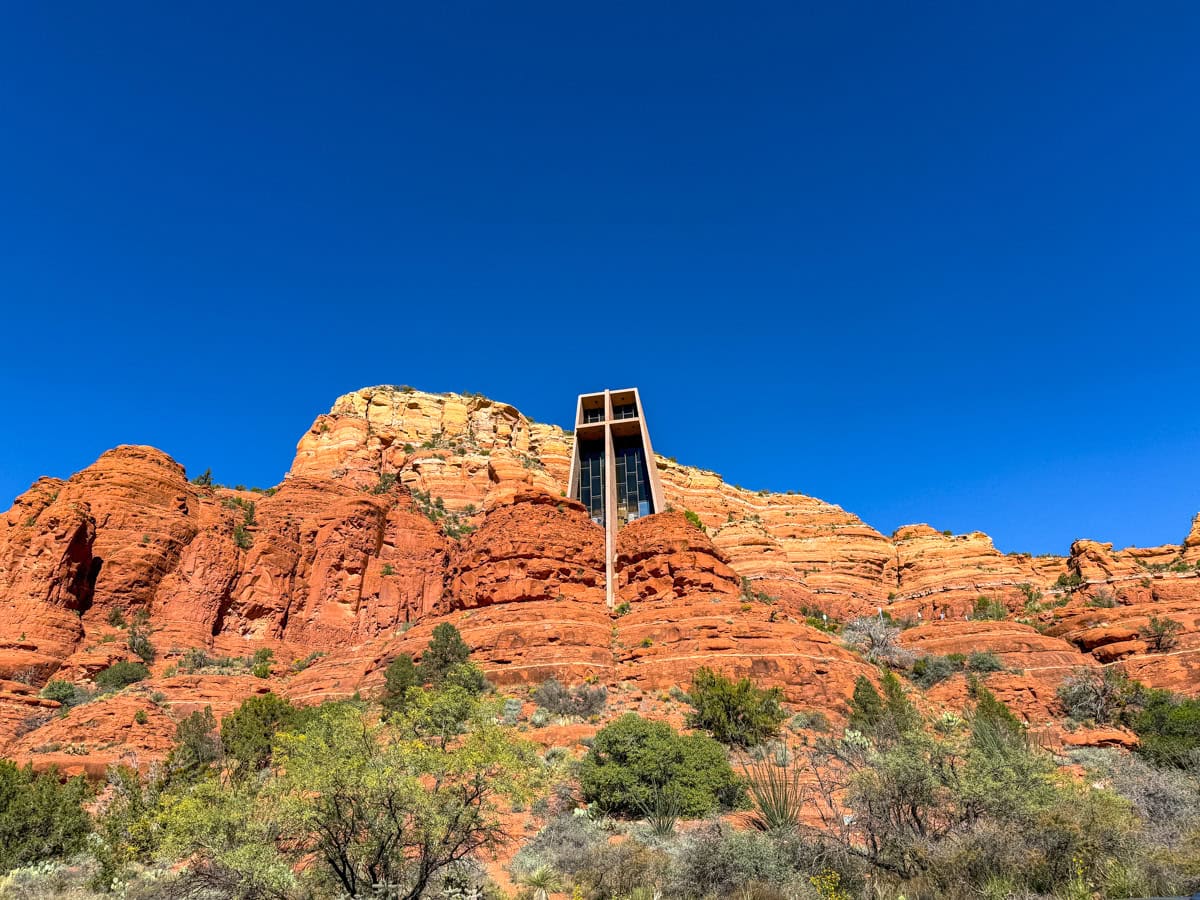
In recent years, Sedona has shifted its tourism strategy toward "responsible recreation." The city has implemented shuttle systems to alleviate pressure on high-traffic trailheads like Devil’s Bridge. Beyond its aesthetic appeal, Sedona is recognized for its unique high-desert ecology. The transition from pinyon-juniper woodlands to riparian habitats in Oak Creek Canyon provides a vital corridor for biodiversity, drawing both outdoor enthusiasts and researchers. The Chapel of the Holy Cross, a structure integrated directly into the red rock cliffs, stands as a testament to the mid-century modern architectural movement in the Southwest, attracting hundreds of thousands of visitors annually for its cultural and historical significance.
Metropolitan Growth: The Phoenix-Scottsdale Corridor
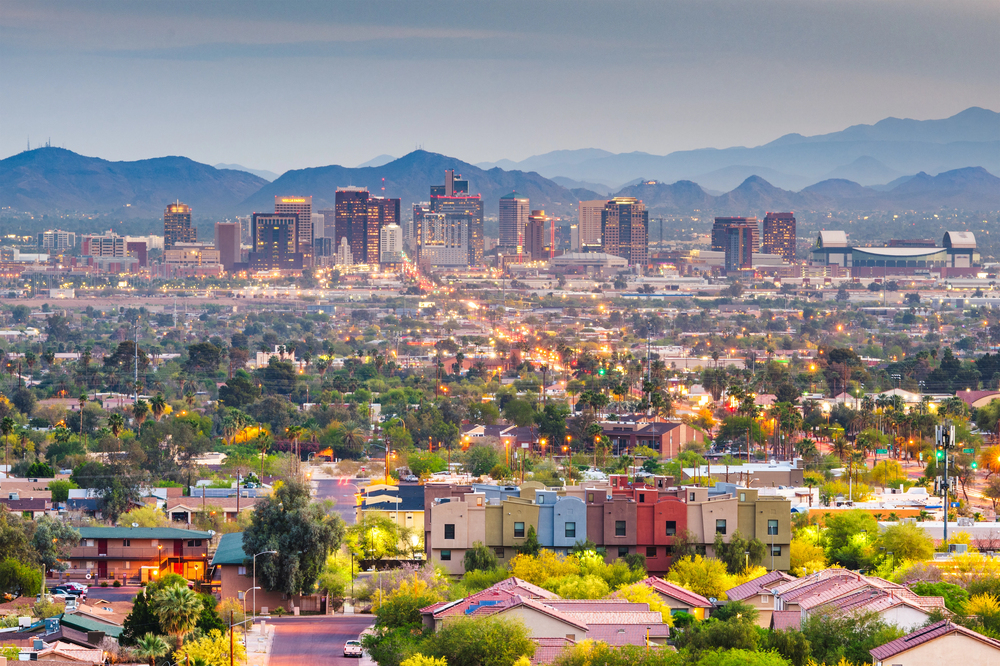
The Phoenix metropolitan area, comprising the state capital and surrounding suburbs like Scottsdale and Tempe, represents the primary urban engine of Arizona. Phoenix, as the fifth-largest city in the United States, acts as a hub for cultural institutions, including the Heard Museum—internationally recognized for its collection of Native American art—and the Musical Instrument Museum.
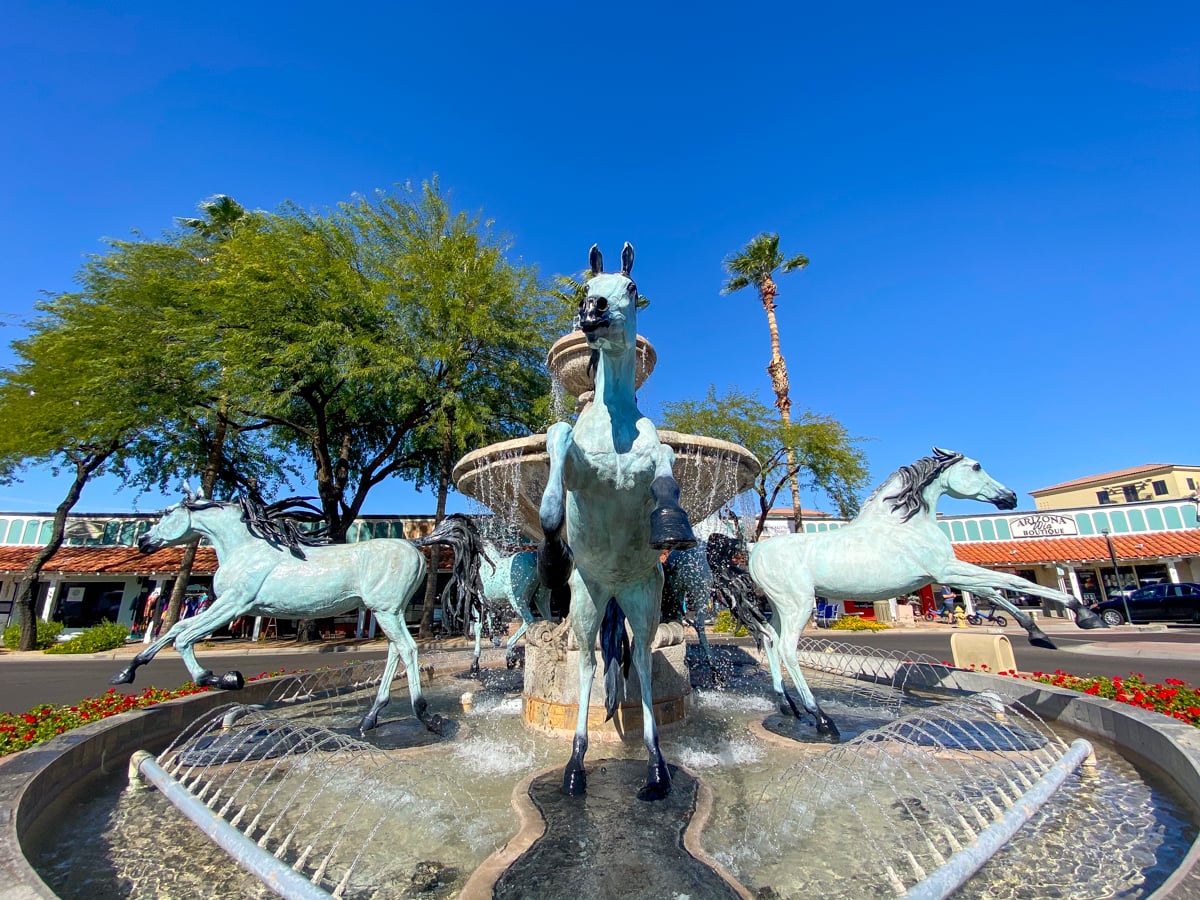
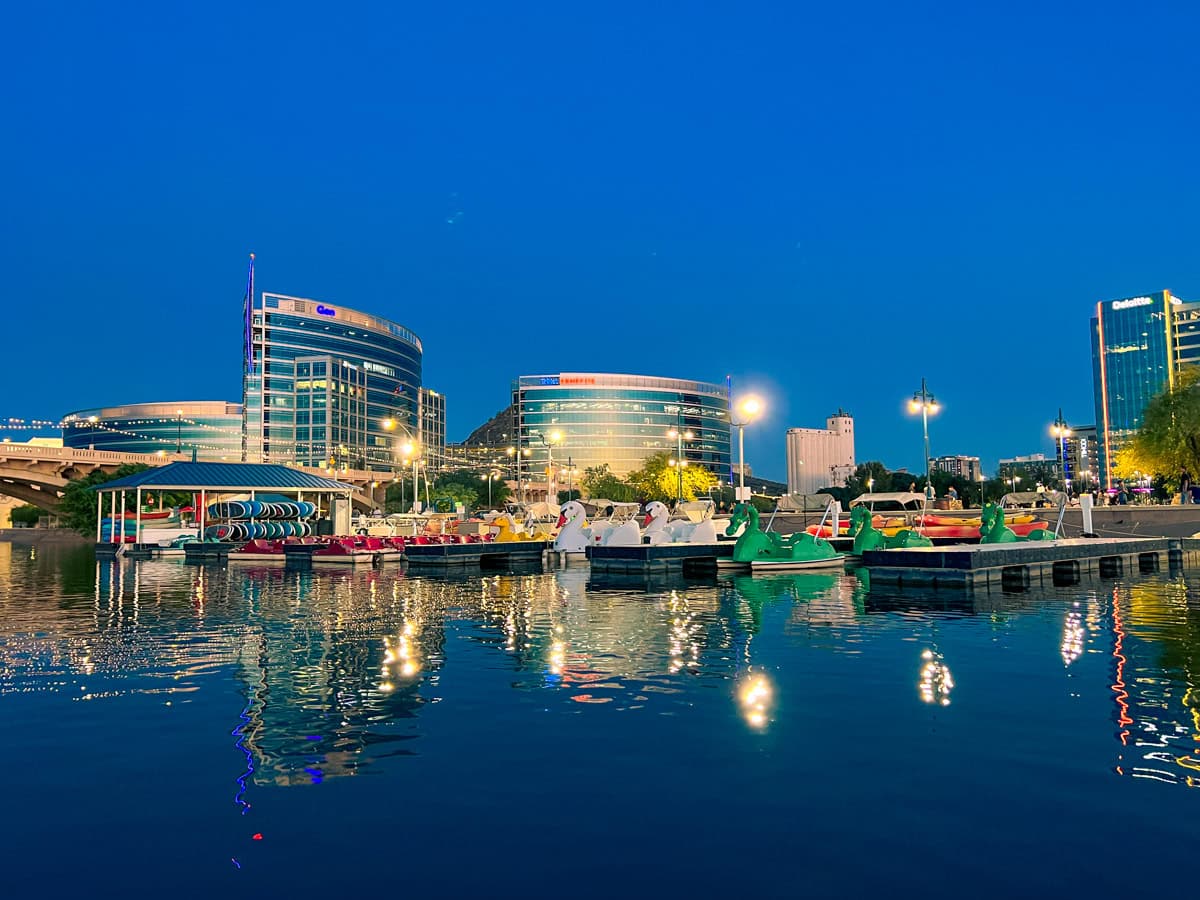
Scottsdale has carved a distinct niche in the luxury travel market. Data from the city’s tourism bureau indicates that the hospitality sector is the backbone of the local economy, supported by a concentration of high-end resorts, golf courses, and the revitalization of the Old Town district. Tempe, meanwhile, maintains a distinct identity tied to the presence of Arizona State University. The development of Tempe Town Lake has been a landmark project in urban planning, converting a dry riverbed into a multi-purpose recreational and economic development zone that now hosts rowing competitions and community festivals.
Southern Arizona: Tucson and the Borderlands
Tucson, often characterized by its UNESCO City of Gastronomy designation, offers a starkly different experience from the northern part of the state. The city is defined by the Saguaro National Park, which protects the largest concentration of Carnegiea gigantea (saguaro) cacti in the world.
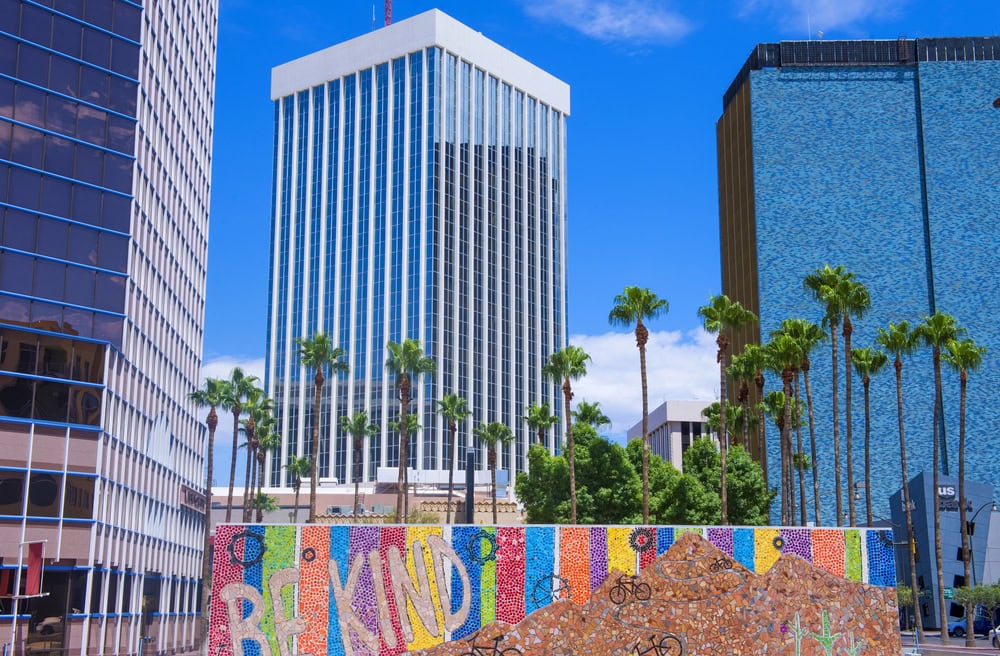
The region’s history is anchored by the Mission San Xavier del Bac, founded in 1692, which remains a primary example of Spanish Colonial architecture. The presence of Biosphere 2—a monumental experiment in closed ecological systems—continues to attract interest from the global scientific community. Furthermore, the economic impact of the University of Arizona, a tier-one research institution, ensures that Tucson remains a hub for astronomical and environmental sciences, influencing the local tourism landscape through dark-sky initiatives and observatory tours.

Historical Legacy: Mining Towns and Territorial Roots
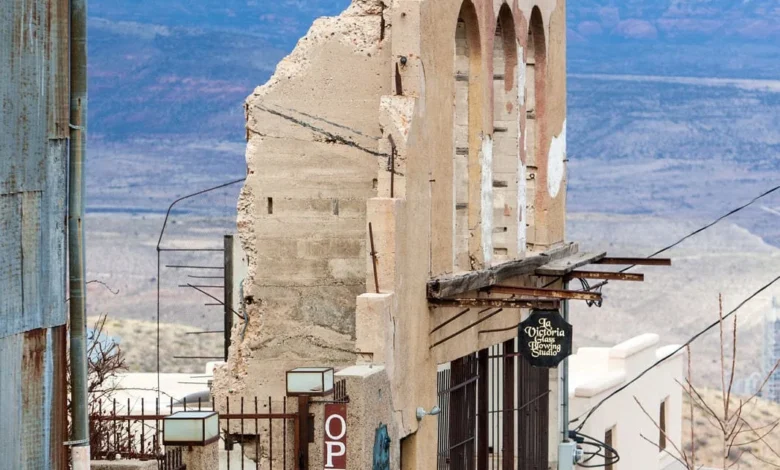
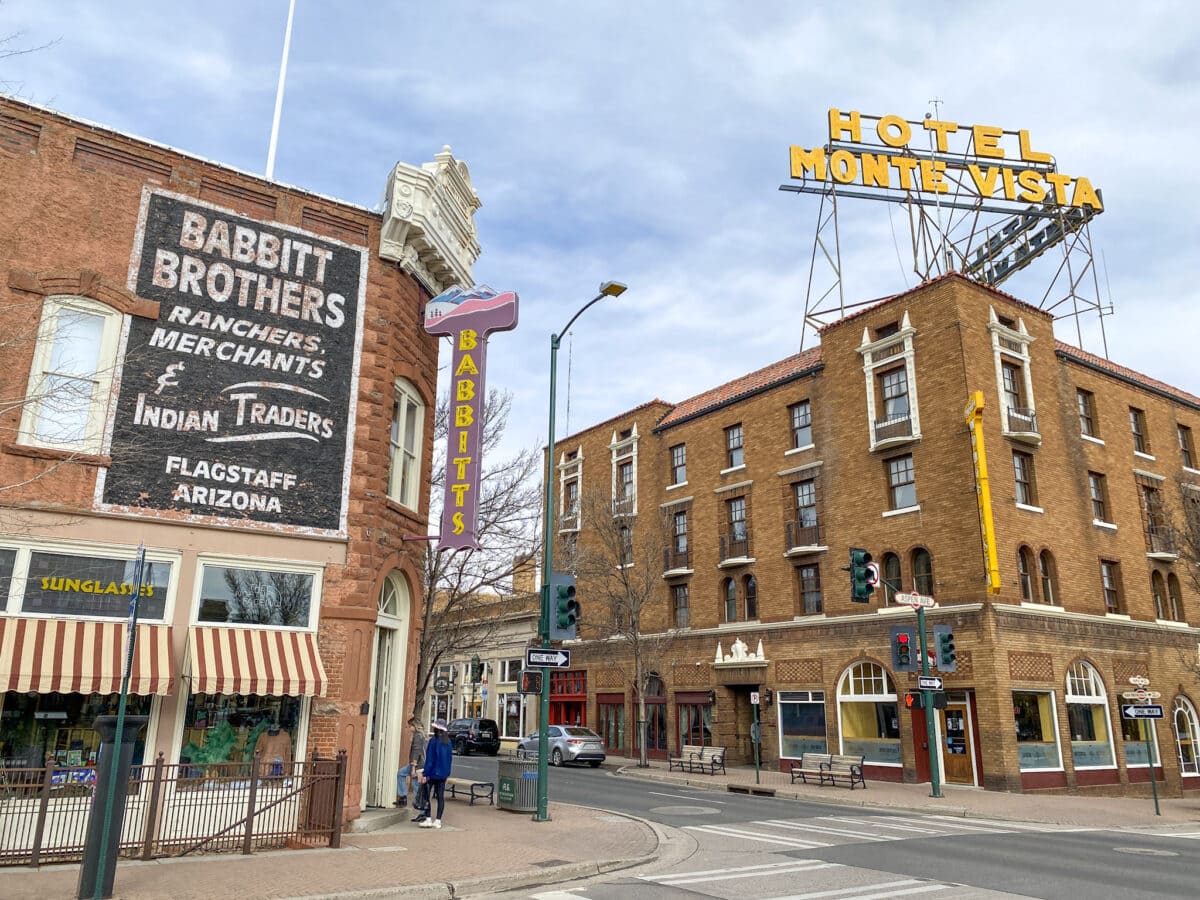
Arizona’s historical narrative is deeply rooted in the 19th-century mining boom, a legacy preserved in towns such as Jerome and Bisbee. Jerome, once a thriving copper-mining center, faced near-total abandonment after the closure of the United Verde Mine in 1953. Its subsequent rebirth as a center for arts and tourism serves as a case study in historic preservation and adaptive reuse.
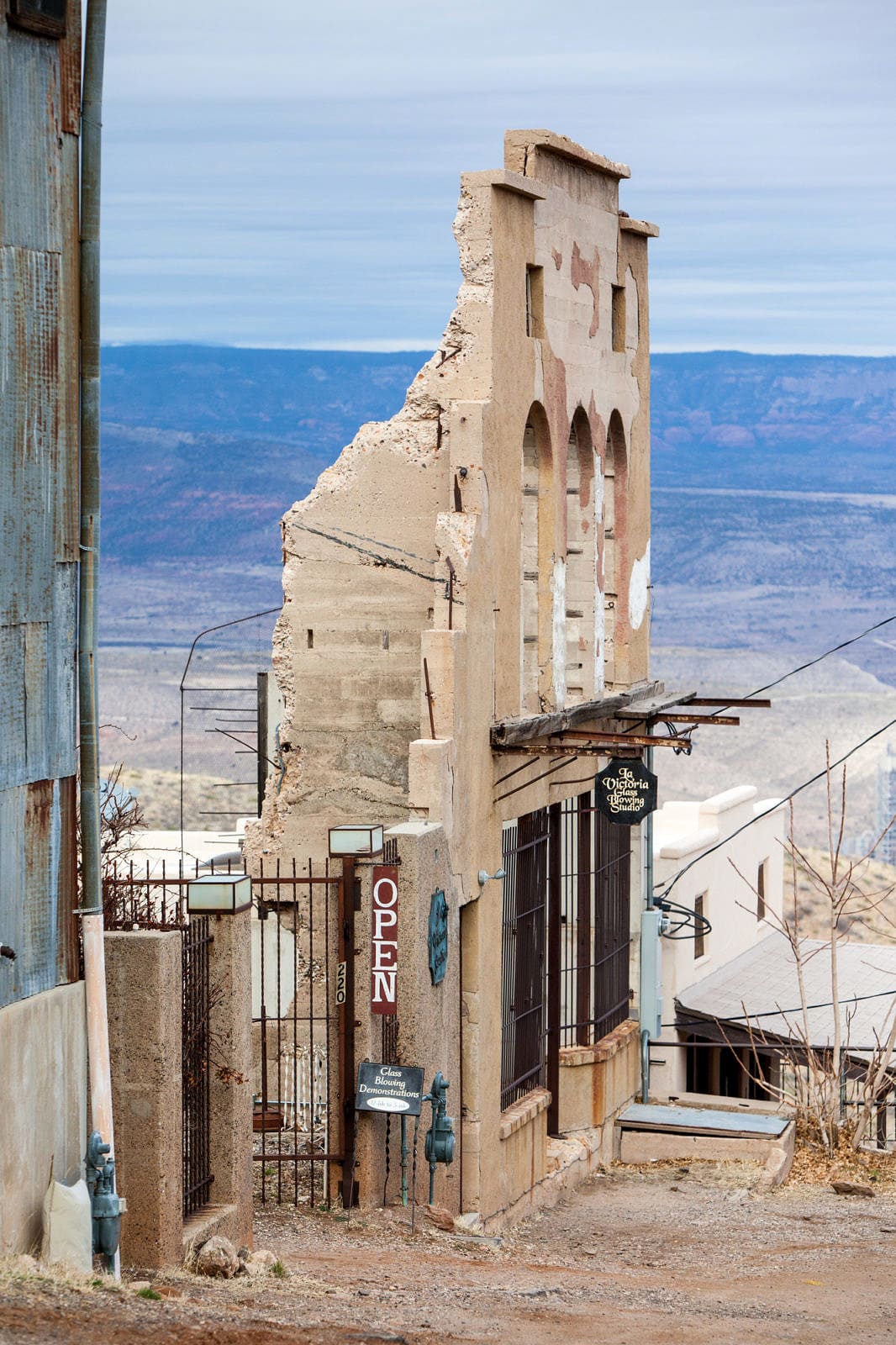
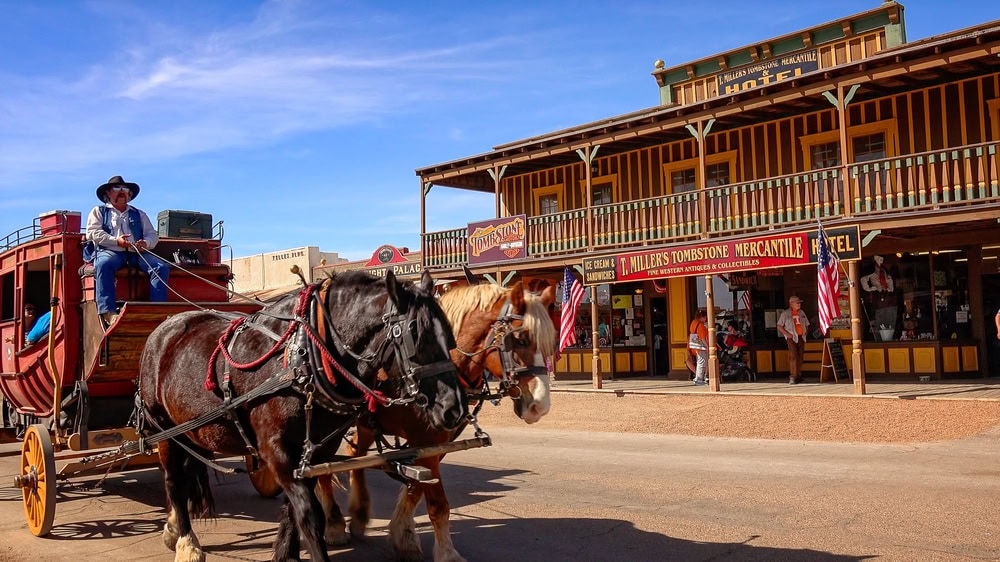
Similarly, Bisbee, situated near the Mexican border, reflects a unique bohemian culture developed within the infrastructure of a former mining camp. The town’s elevation of 5,300 feet provides a temperate climate that has drawn retirees and artists alike. Tombstone, while often stylized for entertainment, remains a significant historical site for understanding the complexities of frontier justice and law enforcement in the Old West. The O.K. Corral remains a focal point for visitors, though historians often note that the town’s primary value lies in its remarkably preserved Victorian-era architecture and archival collections.
Northern Treasures: Page and Monument Valley
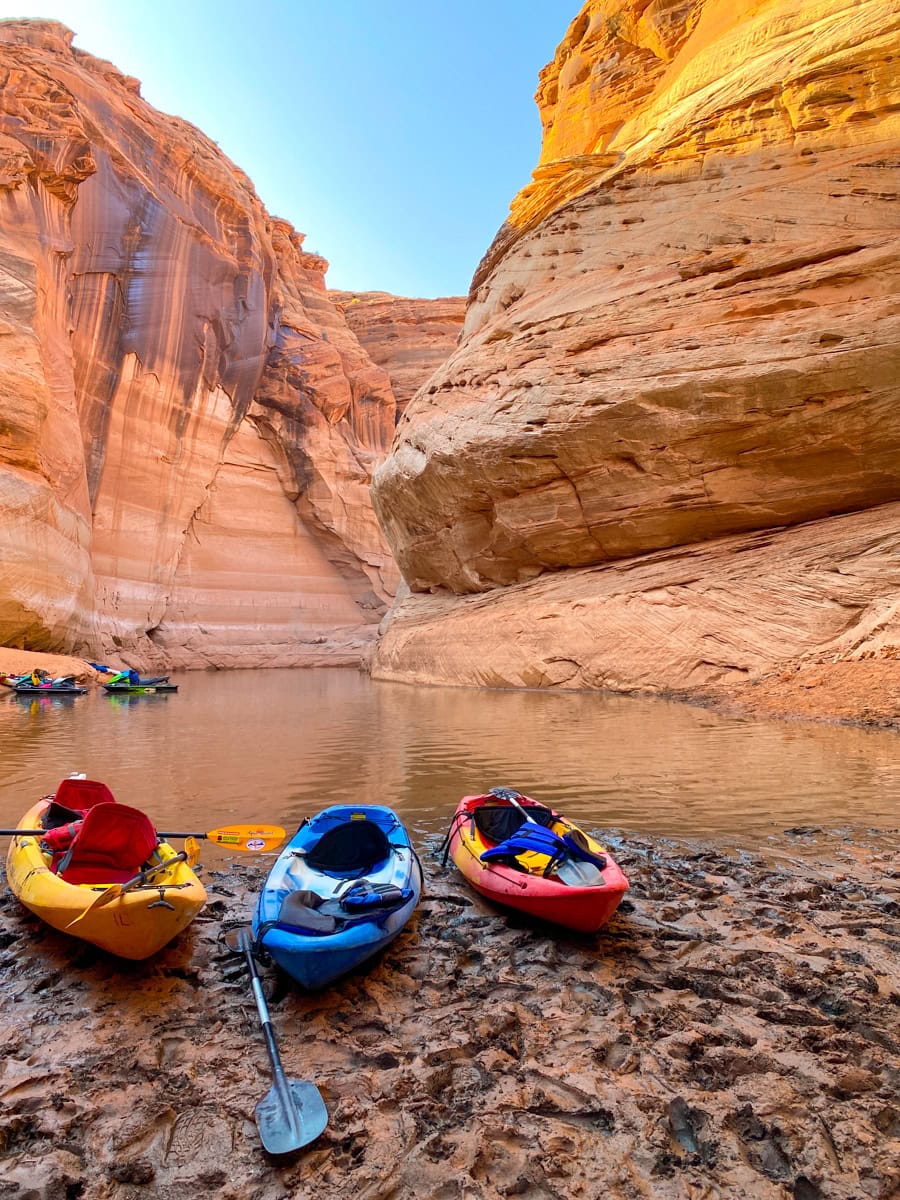
Page, located in the far northern reaches of the state, has seen a significant rise in international interest due to the accessibility of slot canyons, specifically Antelope Canyon. The Navajo Nation, which manages these lands, has implemented strict entry requirements to protect the geological integrity of the sites. Horseshoe Bend, a dramatic meander of the Colorado River, has similarly transitioned from a local secret to a global destination, necessitating substantial infrastructure investment in parking and pedestrian safety.
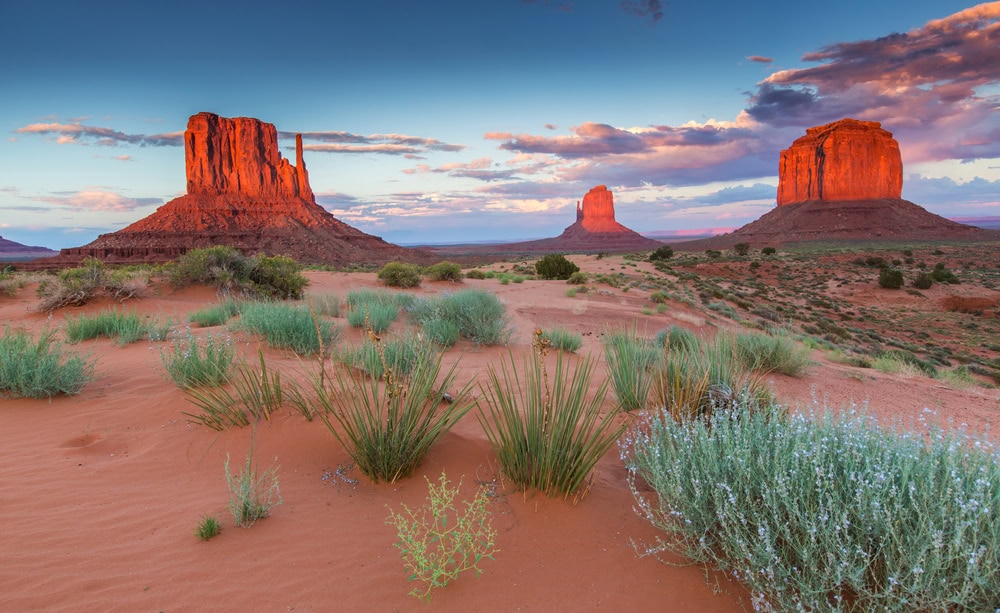
Monument Valley, an iconic symbol of the American West, occupies a unique position on the Arizona-Utah border. The Navajo Nation’s stewardship of this landscape ensures that development remains limited, preserving the visual character of the sandstone buttes that have served as backdrops for countless motion pictures. The shift toward Navajo-guided tours has increased, providing a more comprehensive educational experience for visitors while ensuring that revenue remains within the local indigenous economy.
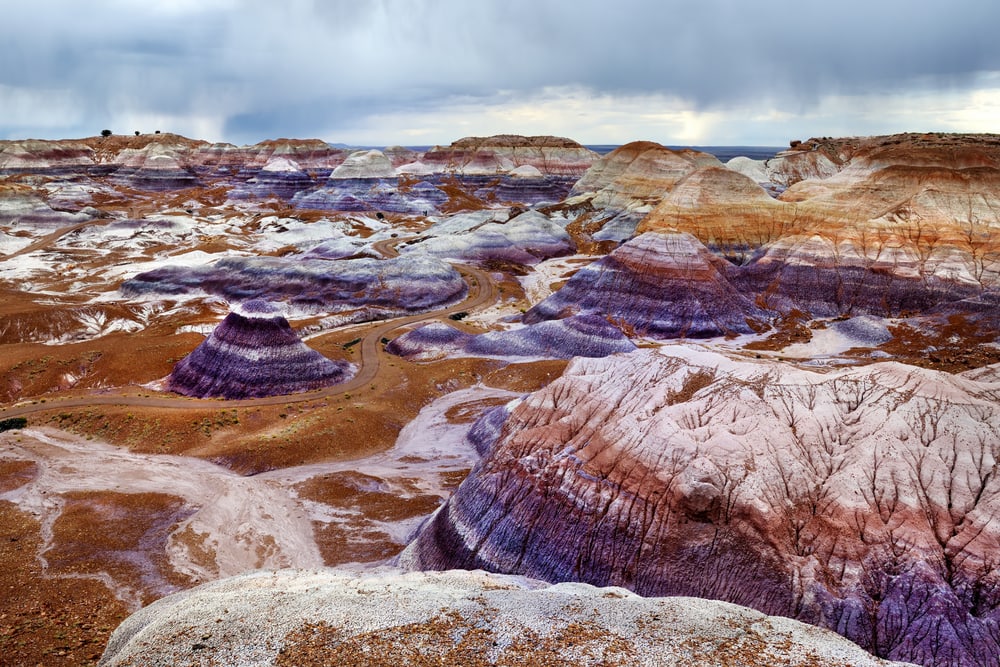
Petrified Forest and the Painted Desert
The Petrified Forest National Park offers a chronological look at the Triassic Period, approximately 225 million years ago. The park is distinct for being one of the few national parks that includes both geological and paleontological resources, alongside a section of the historic Route 66. The preservation of this landscape, characterized by the vibrant colors of the Painted Desert, is vital for the ongoing study of ancient environmental changes. Access to the park via the 28-mile main road allows for a manageable, educational experience that is often prioritized by road-trip travelers moving between the Grand Canyon and the border with New Mexico.
Economic and Environmental Implications
The tourism industry in Arizona is not without its challenges. The state’s reliance on water-intensive activities in desert environments requires ongoing management of the Colorado River basin and local aquifers. As the population of the Southwest continues to grow, the balance between accommodating the tourism sector and maintaining environmental sustainability remains a critical point of public policy.
Recent data suggests that visitor behavior is shifting toward longer stays and deeper exploration of secondary, less-congested locations. This trend is beneficial for the state’s smaller municipalities, which are increasingly investing in infrastructure to handle the influx of travelers. As Arizona moves forward, the integration of technology in park management, the commitment to preserving cultural heritage sites, and the promotion of diverse, year-round activities will define the future of the state as a premier destination in the North American travel market.