Portugal has experienced an unprecedented surge in tourism over recent years, cementing its status as one of Western Europe’s most sought-after destinations. To accommodate millions of international visitors and domestic commuters alike, the nation has heavily invested in modernizing its railway infrastructure. Operated primarily by the state-owned enterprise Comboios de Portugal (CP), the national rail network seamlessly connects major urban centers, coastal retreats, and historic interior regions. While train travel remains remarkably affordable compared to neighboring Spain or France, navigating the booking ecosystem requires a strategic approach to secure the best routes at the lowest possible fares.
Understanding the Booking Channels and Official Rail Services
For travelers planning a journey through Portugal, the primary avenue for securing reservations has traditionally been the official Comboios de Portugal portal. However, international travelers frequently encounter operational hurdles on the official platform, including persistent translation glitches, regional payment gateway restrictions, and the occasional rejection of non-European credit cards. Furthermore, the national rail site lacks the capability to process international itineraries, such as cross-border connections to Madrid.
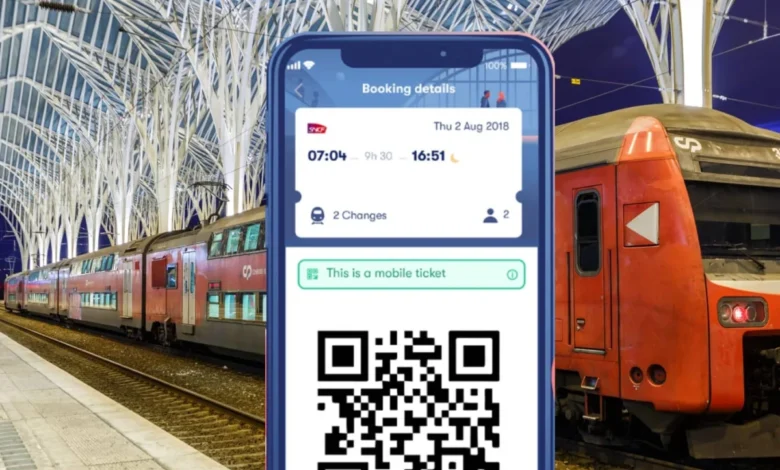
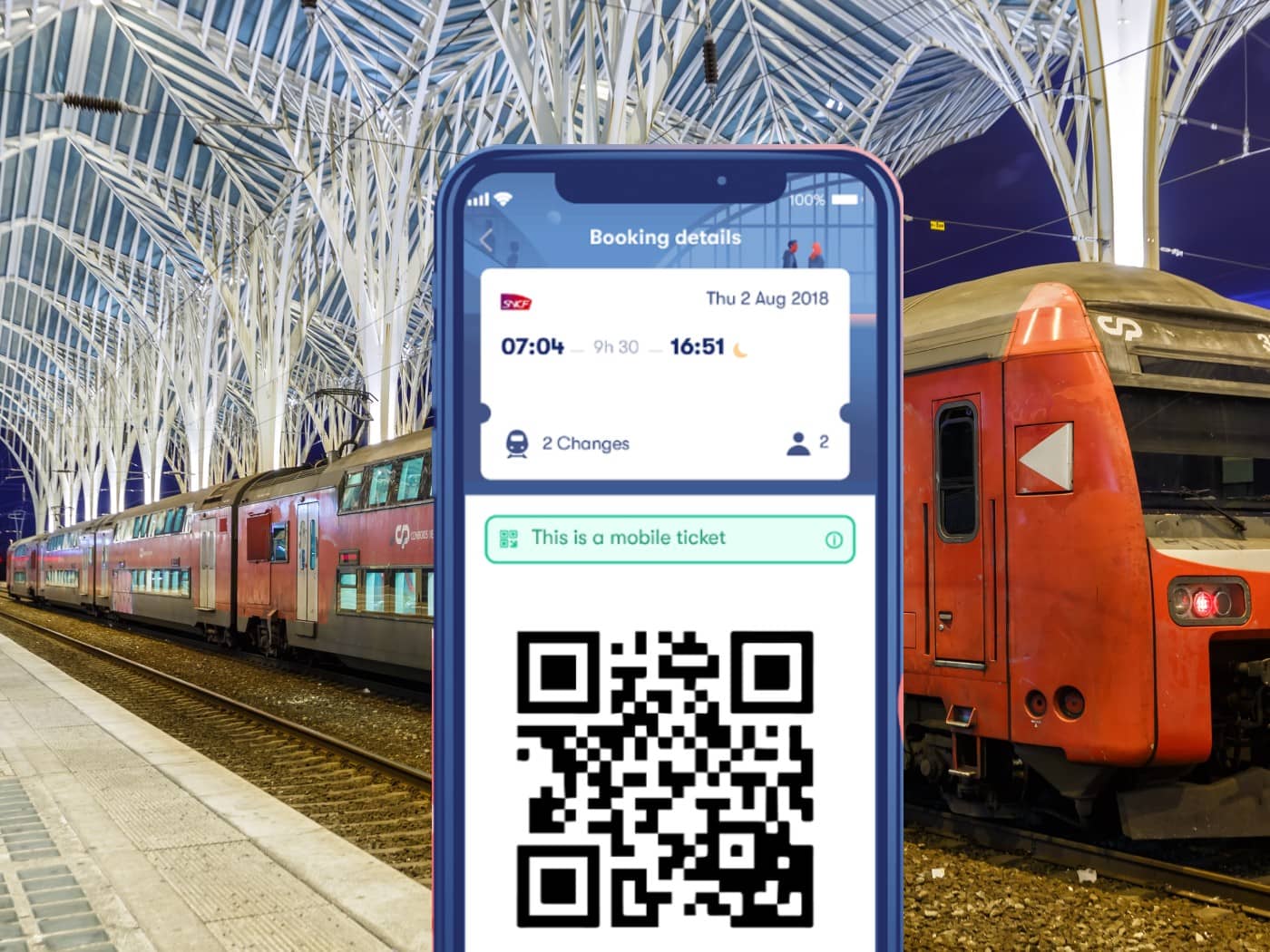
To circumvent these technical barriers, industry experts and frequent travelers increasingly rely on accredited third-party aggregators such as Omio and Trainline. These digital platforms successfully mirror the inventory of Comboios de Portugal while offering streamlined, multilingual interfaces capable of processing global payment methods without friction. Although these services typically levy a modest administrative fee ranging from one to three dollars per transaction, the convenience, reliability, and user-friendly design outweigh the nominal cost. Most third-party tickets are issued as electronic passes, allowing passengers simply to display the dynamic QR code on their mobile devices to onboard conductors.
For those who prefer purchasing tickets on-site, Portugal’s railway stations are equipped with automated kiosks featuring comprehensive English-language menus. However, these machines occasionally experience compatibility issues with foreign microchip credit cards. Alternatively, ticket windows are staffed by personnel who generally converse in passable English, though queue times during peak travel seasons can be extensive. Commuters must also account for the restricted operating hours of ticket counters at smaller regional stations, which frequently remain closed during early morning departures and weekends, making advance online booking the preferred preventative measure.
Chronological Breakdown of Ticket Pricing and Fare Structures
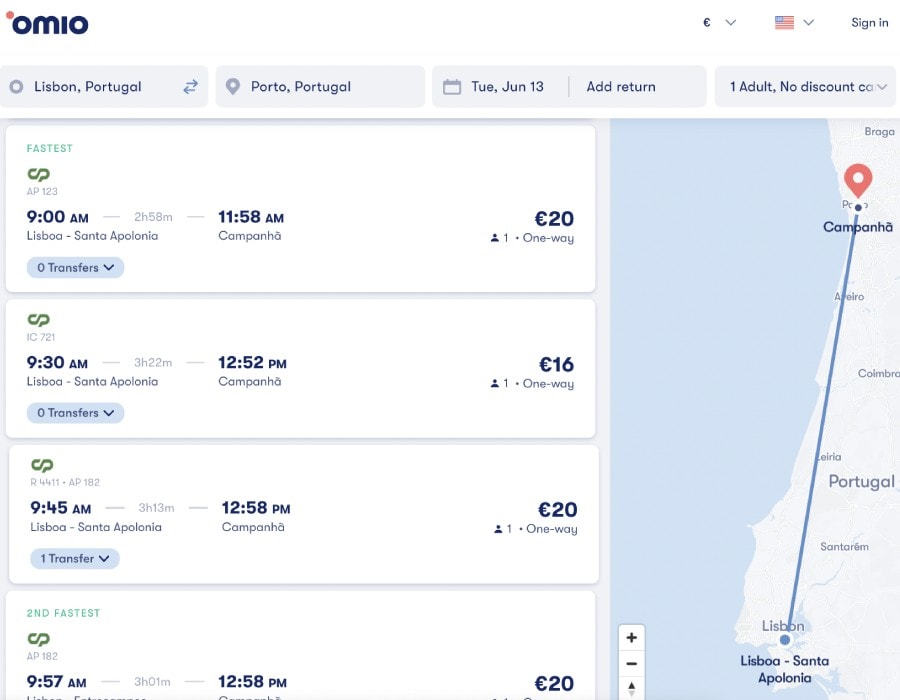
Portugal’s national rail operator implements a dynamic pricing model heavily influenced by booking windows, train classifications, and temporal demand. Understanding this chronology is essential for maximizing travel budgets. Long-distance tickets typically become available for purchase exactly 60 days prior to the scheduled departure date.
The pricing architecture rewards early planning significantly. Tickets purchased several weeks in advance are frequently discounted by up to 50 or 60 percent compared to standard same-day walk-up rates. For instance, a high-speed intercity journey booked a month ahead may cost a fraction of its last-minute equivalent. Consequently, travel analysts strongly advise finalizing itineraries at least two weeks before departure, particularly for high-demand corridors during the peak summer tourism months.
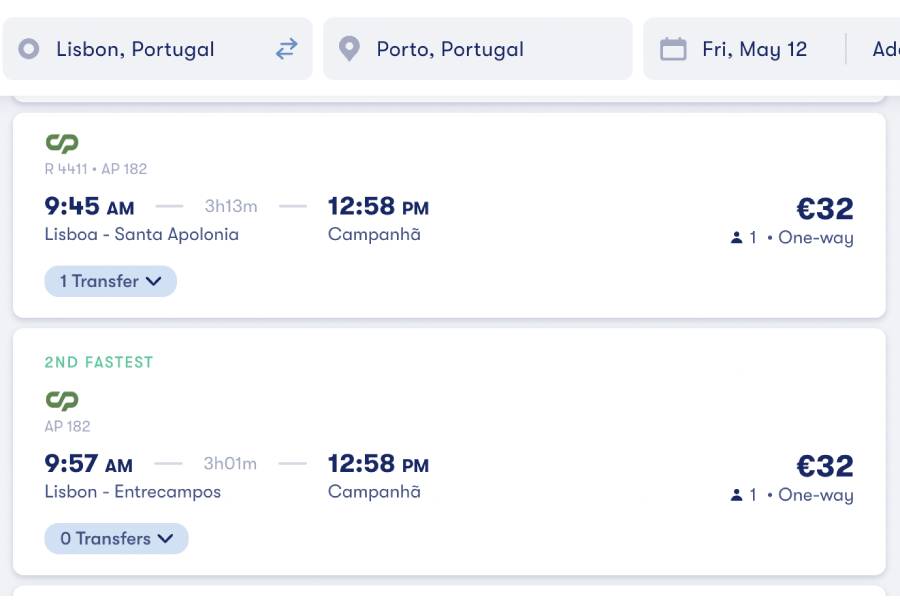
When evaluating fare classes, passengers encounter two primary categories: promotional fares and standard fares. Promotional tickets offer the lowest possible rates but are strictly non-refundable and non-exchangeable, requiring absolute rigidity in travel schedules. Conversely, standard tickets permit cancellations and modifications up to 15 minutes before departure for a nominal administrative fee, albeit at a substantially higher initial purchase price. Second-class accommodations on Portuguese trains are widely regarded as exceptionally clean, spacious, and comfortable, rendering first-class upgrades—which generally cost 50 percent more—largely unnecessary for the average traveler.
Categorization of Portuguese Rail Services
The operational efficiency of Portugal’s rail network relies on a distinct hierarchy of train categories, each serving specific transit needs and geographical distances.
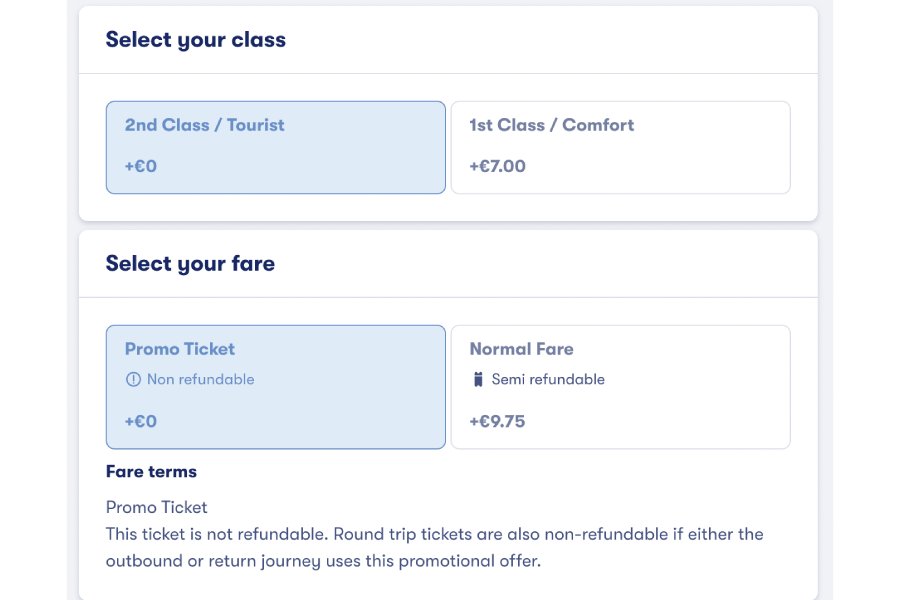
The Alfa Pendular (AP) represents the pinnacle of Portuguese rail engineering. As the country’s premier high-speed service, these modern trains achieve operational speeds of up to 125 miles per hour, dramatically reducing transit times between major hubs like Lisbon, Coimbra, and Porto while making minimal intermediate stops.
Operating alongside the high-speed network are the Intercidades (IC) intercity trains. While slightly older and operating at reduced speeds compared to the Alfa Pendular, the Intercidades fleet covers extensive north-to-south corridors, offering a reliable and cost-effective alternative for long-distance transit. Both AP and IC services require mandatory seat reservations, which are automatically bundled into the ticket purchase.
For shorter journeys, commuters utilize Regional (R), Interregional (IR), and Urban (U) networks. These localized services connect suburban districts, smaller municipalities, and rural communities. Operating on fixed-price structures, these tickets cannot be reserved online and must be purchased locally at stations. Crucially, physical paper tickets acquired at station counters or kiosks for regional routes must be physically or electronically validated at platform scanning machines prior to boarding to avoid severe financial penalties.
Key Corridors and Route Logistics
The Portuguese railway map is anchored by several high-volume corridors that facilitate the bulk of domestic and international tourism transit.
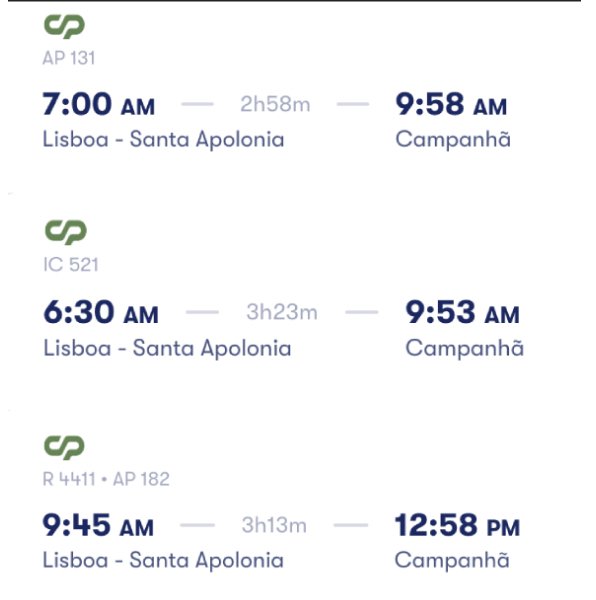
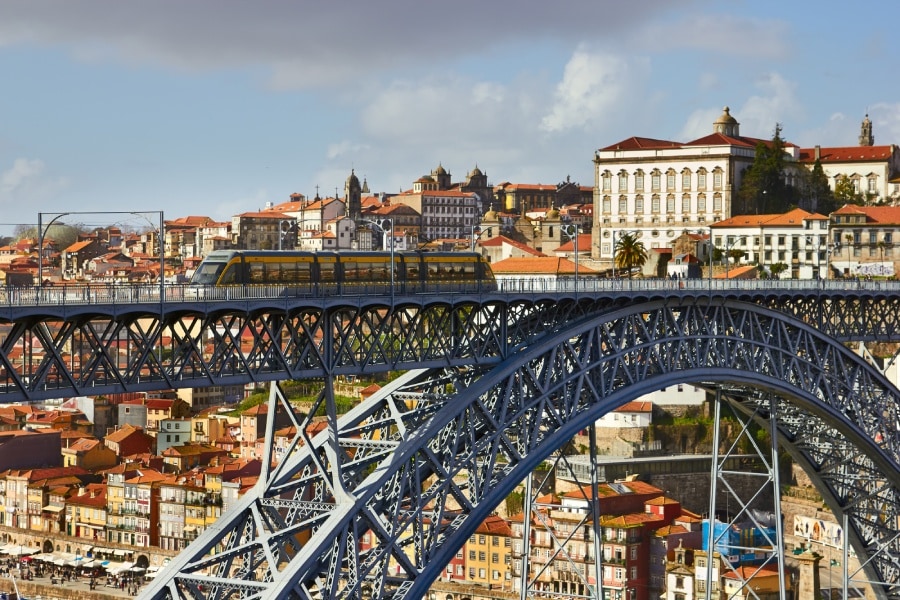
The Lisbon to Porto route remains the backbone of the national network. Connecting Lisbon’s Oriente or Santa Apolónia stations to Porto’s Campanhã station, the Alfa Pendular completes the journey in approximately two hours and forty minutes, while the Intercidades takes roughly three hours and ten minutes. Daily departures are frequent, providing seamless connectivity between the nation’s two largest economic and cultural centers.
For travelers journeying northward, the Lisbon to Braga route extends the high-speed network into the historic Minho region, with a total transit time of approximately three hours and fifteen minutes. While direct connections are available, certain schedules require a brief transfer in Porto, underscoring the importance of verifying direct routing during the booking process.
Intermediate cultural hubs such as Coimbra are situated ideally along the central corridor, allowing passengers traveling between Lisbon and Porto to incorporate a seamless stopover. Direct regional and intercity services reach Coimbra from the capital in roughly one and a half to two hours.
In the south, the Lisbon to Faro route links the capital to the sun-drenched Algarve coastline. High-speed and intercity services complete this journey in three to three and a half hours, making rail transit a viable, scenic alternative to regional domestic flights. Additionally, suburban commuter lines, such as the historic 45-minute route from Lisbon to the palace-strewn hills of Sintra, operate continuously throughout the day, accommodating massive volumes of day-trippers with fixed-price local transit tickets.
Operational Guidelines and Travel Recommendations
To ensure a smooth transit experience across the Portuguese rail network, transportation authorities and experienced travelers recommend adhering to several foundational operational guidelines.
Travelers must meticulously verify their departure station prior to arrival, as major metropolitan areas like Lisbon and Porto feature multiple distinct terminals handling separate regional and national lines. Regarding baggage policies, official guidelines suggest a standard allowance of personal items and luggage, though enforcement is generally relaxed unless volume becomes obstructive. Dedicated luggage compartments are strategically positioned between passenger carriages, supplemented by overhead racks for smaller bags.

On-board amenities on long-distance Alfa Pendular and Intercidades trains typically include dedicated café or restaurant carriages offering a selection of beverages, snacks, and light meals. Furthermore, passengers are legally and culturally permitted to bring their own food and beverages onboard, including alcoholic drinks, provided consumption remains respectful of fellow commuters.
While international rail connectivity to the rest of Europe remains severely limited—exemplified by the lengthy fourteen-hour rail journey between Lisbon and Madrid that drives most travelers toward aviation alternatives—the domestic rail network stands as a triumph of modern infrastructure. Through careful advance planning, utilization of accredited digital booking platforms, and adherence to validation protocols, visitors can efficiently traverse Portugal’s diverse geographical landscape safely, sustainably, and economically.