Beyond the Beach: A Comprehensive Guide to Exploring the Cultural and Natural Diversity of St. Maarten and St. Martin

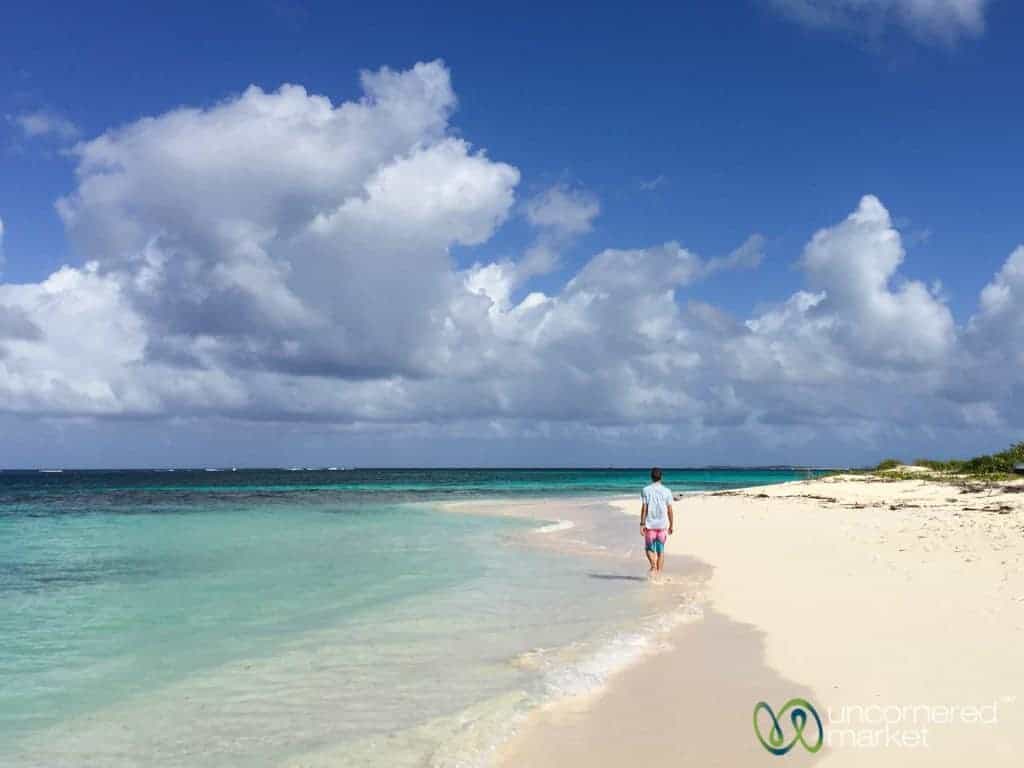
While the Caribbean island of St. Maarten and St. Martin is globally recognized for its pristine white-sand beaches and turquoise waters, a growing segment of international travelers is seeking experiences that extend beyond the coastline. Spanning only 34 square miles, this unique landmass—divided for over 350 years between the Dutch side (St. Maarten) and the French side (St. Martin)—offers a complex blend of colonial history, rugged topography, and diverse cultural influences. Despite hosting approximately 3.7 million visitors annually, the island retains pockets of wilderness and local charm for those willing to venture off the primary tourist corridors.

A Brief Historical Context and Governance
The political structure of the island is a testament to its colonial past. The Dutch side, St. Maarten, is an autonomous country within the Kingdom of the Netherlands, while the northern French territory of St. Martin is an overseas collectivity of France. This dual-nation status has created a rare environment where there are no formal border controls, allowing for seamless travel between two distinct legal and cultural frameworks.
The island’s infrastructure was significantly altered following the devastation of Hurricane Luis in 1995, which destroyed roughly 90% of the island’s structures. This event triggered a massive reconstruction phase, leading to the current landscape of modern resorts and modernized ports. The historical remnants, such as the 17th-century Fort Amsterdam, serve as anchors for understanding the strategic importance the island held for European powers vying for dominance in the Caribbean trade routes.

Navigating the Island: Logistics and Best Practices
For travelers, the logistical reality of the island requires careful planning. The Dutch side houses the Princess Juliana International Airport (SXM), the primary gateway for international arrivals. While public transport in the form of minivans is available, the high volume of traffic often necessitates the rental of a private vehicle to access remote trailheads and secondary beaches.

Economically, the island is highly adaptable. While the Euro is the official currency on the French side and the Netherlands Antillean Florin (NAF) is the official currency on the Dutch side, the United States Dollar is the de facto standard, accepted island-wide. This ease of currency exchange contributes to the island’s status as a top-tier destination for both cruise ship passengers and long-stay vacationers.
Adventure and Nature: Beyond the Shoreline
For the active traveler, the island offers a surprisingly diverse array of outdoor activities that highlight its volcanic origins and coastal ecology.
- Maritime Challenges: The 12-Metre Challenge provides a rare opportunity to engage with competitive sailing, utilizing authentic America’s Cup yachts. This experience offers insight into the technical precision required for professional regatta racing, moving well beyond recreational boating.
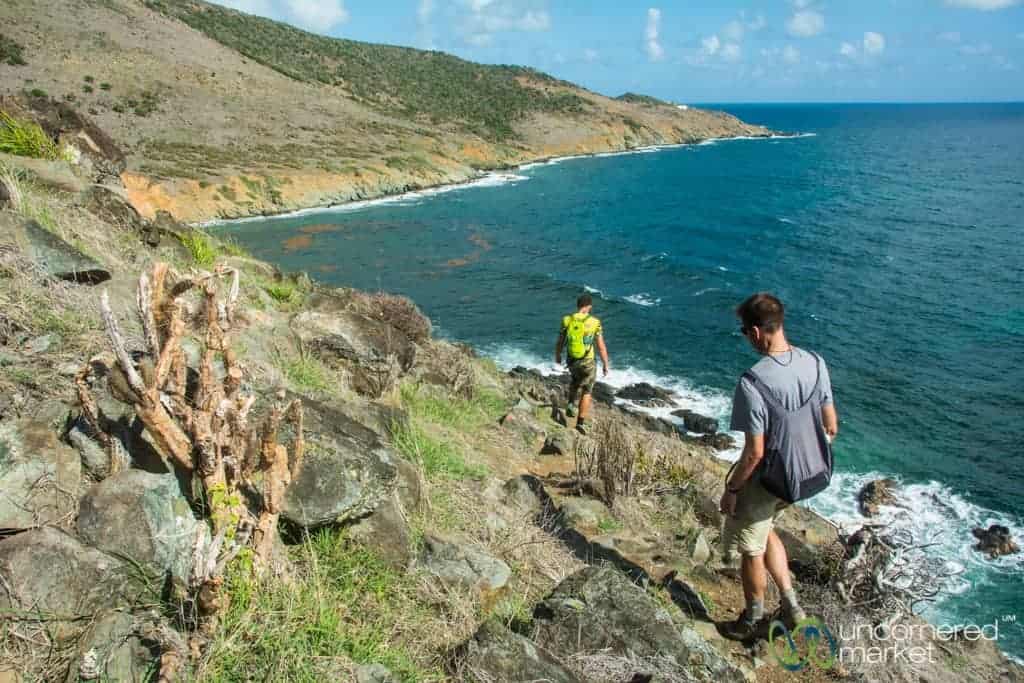
- Coastal Hiking: The Sentier des Froussards, a three-mile footpath along the northern coastline of St. Martin, offers a stark contrast to the developed resort areas. This trail provides access to secluded coves and rugged terrain, showcasing the island’s natural biodiversity.
- Marine Exploration: The Simpson Bay lagoon serves as a hub for both the "mega-yacht" industry and environmental conservation. Kayaking through the surrounding mangroves allows visitors to observe the critical role these ecosystems play in protecting the island’s coastline while contrasting the luxury yachting culture with natural habitat preservation.
- Aviation Tourism: Maho Bay has gained global notoriety for its proximity to the Princess Juliana airport runway. The sight of large commercial jets descending over beachgoers is a unique phenomenon, often monitored by aviation enthusiasts using flight schedules provided by local establishments like the Sunset Bar.
Day Trips and Regional Integration
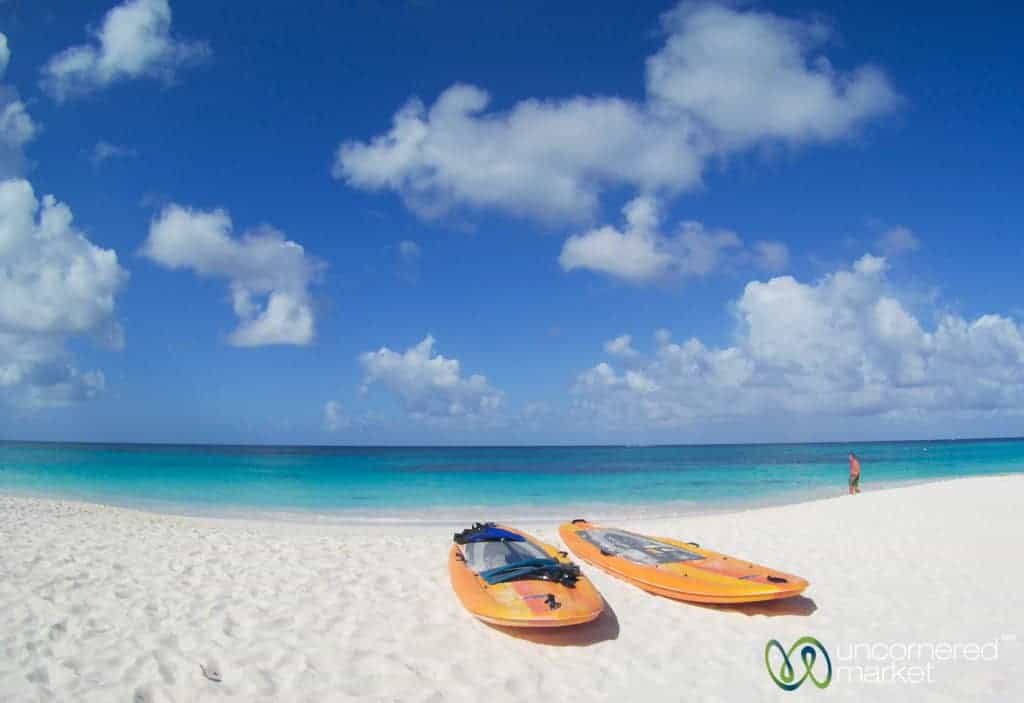
The geographical location of St. Maarten serves as a gateway to the broader Leeward Islands. Day trips to neighboring territories are common, with Anguilla, located just a short boat ride away, frequently cited for its superior beach quality at Shoal Bay. Similarly, the island of Saba—a volcanic outcrop known for its world-class scuba diving—can be reached via ferry. These excursions are essential for travelers looking to understand the regional ecosystem of the Caribbean, as they provide access to protected coral gardens and marine life that remain largely undisturbed.
Cultural and Culinary Landscape
The island’s culinary scene is a direct reflection of its dual heritage. In St. Martin, particularly in the village of Grand Case, the emphasis is on traditional French gastronomy. "Restaurant Row" features establishments that adhere to the culinary standards found in mainland France. Conversely, the Dutch side, particularly in Simpson Bay, offers an international fusion of Caribbean, North American, and European influences.

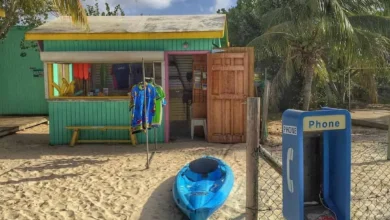
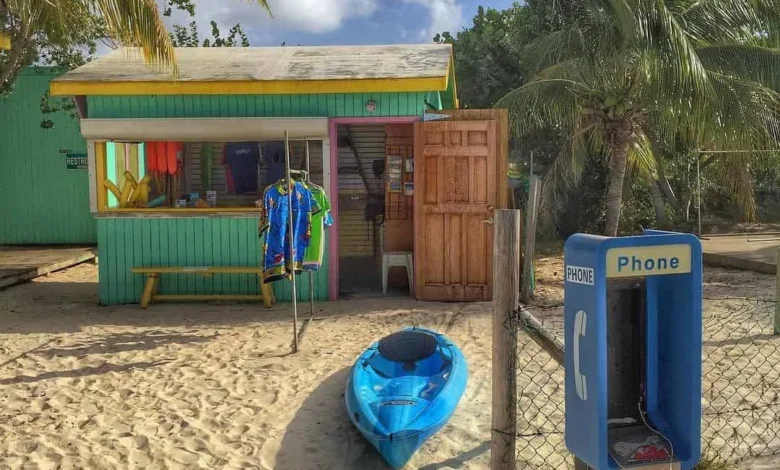
Local establishments play a vital role in maintaining the island’s identity. The persistence of small-scale, locally-owned food stands—often operating in the same location for decades—provides a counter-narrative to the rapid commercialization of the island. These vendors often serve as keepers of local history, offering insights into the evolution of the island’s socio-economic landscape.

Economic and Social Implications of Tourism
The reliance on tourism presents both opportunities and challenges for the island’s 80,000 residents. The influx of nearly 4 million people per year drives the local economy but also puts significant pressure on infrastructure and waste management. Sustainable tourism initiatives are becoming a focal point for local authorities, who are increasingly encouraging visitors to explore less-trafficked areas, such as the eastern coast near Guana Bay, to mitigate the environmental impact on popular sites.

For those planning a visit, the period between April and June is frequently recommended by local experts as an ideal window. During these months, the peak winter season crowds have dissipated, and the climate remains temperate, avoiding the intense heat and the higher risk of tropical storms associated with the late-summer hurricane season.

Conclusion
St. Maarten and St. Martin represent a paradox of the modern Caribbean: a highly developed tourist destination that, upon closer inspection, reveals a depth of history and natural beauty. By looking past the immediate allure of the beach resorts, travelers can engage with a complex, multi-national territory that continues to balance its colonial history with the demands of a globalized economy. Whether through the lens of maritime adventure, historical exploration, or culinary discovery, the island offers a multi-dimensional experience for those willing to look beyond the shore.