An Insider Guide to Via Ferrata Climbing in Mostar and Sarajevo Bosnia and Herzegovina

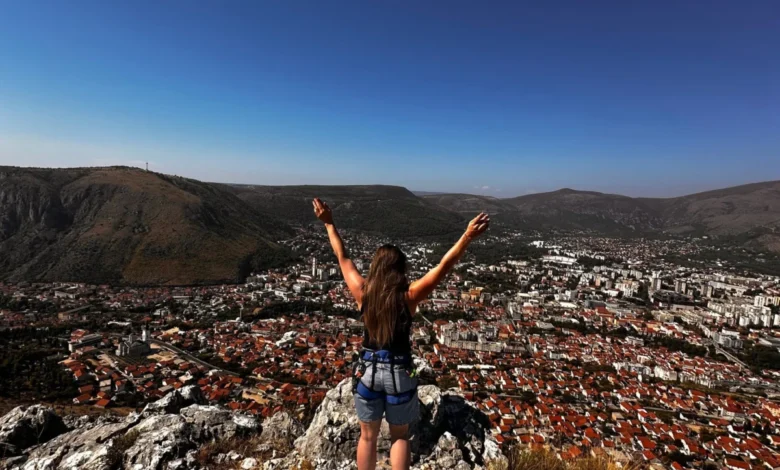
The burgeoning adventure tourism sector in Bosnia and Herzegovina has introduced a compelling dimension to regional travel through the establishment of modern via ferrata routes in Mostar and Sarajevo. Historically celebrated for their rich Ottoman architecture, post-industrial resilience, and tragic wartime heritage, these urban centers are increasingly recognized as primary hubs for vertical exploration. Traditional tourism in Bosnia and Herzegovina has long centered on ground-level exploration, such as observing the iconic Stari Most (Old Bridge) in Mostar or riding the historical cable car up Mount Trebević in Sarajevo. However, a network of steel-cable climbing routes established over the past decade has fundamentally altered how visitors interact with the dramatic Dinaric limestone topography framing these cities.
Managed and maintained by local outdoor specialists such as Bosnia Outdoor Adventures (BOA), these protected climbing paths—known as via ferrata, or "iron paths"—allow individuals with moderate physical fitness and no prior technical rock-climbing experience to ascend sheer cliff faces safely. This journalistic overview examines the technical specifications, historical context, safety protocols, and socio-economic implications of the five primary via ferrata routes operating in the Mostar and Sarajevo regions.
Evolution of Adventure Tourism and the Concept of Via Ferrata
The via ferrata system originated in the Dolomite mountains of Italy during World War I, engineered to safely transport troops and supplies across seemingly impassable vertical terrain. Modern recreational via ferratas adapt this military concept for civilian recreation, utilizing a permanent steel cable anchored directly into the rock face, supplemented by iron rungs, pegs, suspension bridges, and ladders. Climbers wear a standardized safety harness attached to the continuous cable via a specialized energy-absorbing lanyard system, ensuring that at least one carabiner remains secured to the line at all times.
In Bosnia and Herzegovina, the integration of via ferrata infrastructure into urban-adjacent mountainsides represents a strategic diversification of the tourism economy. Rather than merely viewing the landscape from historical lookouts, travelers are provided with an active means of engagement. Emir RibiÄ, lead guide and founder of BOA, notes that these routes bridge the gap between traditional hiking and technical mountaineering, democratizing access to high-altitude panoramic vistas that were previously restricted to experienced alpinists.

The Mostar Sector: Hum and Fortica
Mostar’s topography is dominated by the steep canyon of the Neretva River and the surrounding arid limestone hills. The city features two distinct via ferrata options, each offering contrasting technical demands and visual rewards.
Via Ferrata Hum
Mount Hum, instantly recognizable in tourist photographs by the large white cross perched on its summit, hosts the more challenging of Mostar’s two routes. This installation features approximately 600 meters of steel cable and accounts for a vertical height gain of roughly 350 meters. The ascent is systematically broken into manageable segments by three suspension bridges that span rocky gaps, introducing a dynamic element as they sway slightly over the Neretva valley.
From a logistical standpoint, Hum is situated directly above the city, with the starting point located just a short drive or an ambitious walk from the historic center. Because Hum is an exposed limestone wall facing direct sunlight, regional climatological conditions dictate optimal climbing windows. During peak summer months—specifically July and August—temperatures in Mostar routinely exceed 40 degrees Celsius (104 degrees Fahrenheit), rendering midday ascents hazardous. Consequently, local operators mandate early morning or late afternoon climbs during the summer season. Conversely, spring and autumn offer optimal meteorological conditions, while winter ascents remain viable contingent on favorable weather.
Via Ferrata Fortica
For travelers seeking a less demanding vertical experience, Via Ferrata Fortica provides a shorter, gentler alternative on the same hillside. Graded A/B on the international difficulty scale, this route incorporates approximately 200 meters of cable and an 80-meter vertical gain, translating to an average climbing duration of 30 minutes.
Fortica is particularly noted for its family-friendly design, featuring a swinging suspension bridge that links the climbing segments. The route terminates adjacent to the Fortica Skywalk, a glass-floored observation deck that provides panoramic views of the city below and serves as a recreational hub where participants can transition from technical climbing to leisure.

The Sarajevo Sector: Trebević, Bukovik, and Romanija
Sarajevo, situated within a high-altitude valley surrounded by the Dinaric Alps, offers three distinct via ferrata experiences characterized by alpine forests, dramatic limestone ridges, and historical proximity.
Via Ferrata Trebević (Bijele Stijene)
Mount Trebević rises immediately south of Sarajevo’s historic Baščaršija district. The local via ferrata scales the white limestone cliffs known locally as Bijele Stijene. Spanning approximately 180 meters of cable with a 90-meter height gain, the route is graded B/C.
The logistical convenience of Trebević makes it exceptionally popular for urban travelers. The approach involves a brief 15-minute hike through a dense beech forest, followed by a 45-minute technical climb. The route’s lower section is heavily shaded by canopy, while the upper section breaks out onto exposed white limestone. Climbers frequently combine this excursion with a descent along the abandoned concrete bobsled track from the 1984 Winter Olympics, creating an itinerary that merges contemporary history with outdoor recreation.
Via Ferrata Bukovik (Skakavac Nature Park)
Located north of Sarajevo within the Skakavac Nature Park, Via Ferrata Bukovik is designed primarily for novices and those seeking a sheltered environment. Graded B, the route features 105 meters of cable and a 70-meter vertical gain, requiring roughly 30 minutes on the steel.
The primary advantage of Bukovik is its controlled, shaded setting, which allows beginners to master the mechanics of clipping and unclipping without the psychological pressure of exposure or downstream congestion. The site is frequently paired with a trek to the nearby 98-meter Skakavac waterfall, though reaching the trailhead necessitates personal transport or an organized transfer from the city center.

Via Ferrata Sokolov Put (Romanija Mountain)
Representing the apex of technical difficulty and commitment among Bosnian via ferratas, Sokolov Put is located on Romanija Mountain, approximately 28 kilometers east of Sarajevo. This extensive route boasts 350 meters of cable and a 160-meter height gain.
Sokolov Put is characterized by exposed traverses and suspension bridges spanning deep chasms. Graded B/C, it demands significantly higher endurance and psychological resilience than the urban-adjacent routes. Industry experts strongly recommend that inexperienced climbers undertake routes like Bukovik or Trebević before attempting Romanija, and advise hiring a certified guide due to the remote, committing nature of the terrain.
Safety Protocols and Equipment Standards
While via ferrata routes provide a secure infrastructure, governing bodies and local rescue services emphasize that climbing remains an inherently risky adventure activity. The implementation of standardized safety equipment is mandatory to mitigate the risk of severe falls.
- Certified Equipment: Climbers must utilize a dedicated via ferrata kit consisting of a harness, a helmet, and an energy-absorbing lanyard system equipped with two carabiners. Makeshift lanyards or standard climbing ropes are strictly prohibited due to their inability to absorb the high impact forces generated by a factor-two fall on a steel cable.
- The Clipping Discipline: The core safety mechanism relies on maintaining at least one carabiner attached to the steel cable at all times during transitions past anchor points.
- Weather Monitoring: Limestone surfaces become extremely slick when wet, and metallic cables act as lightning conductors during electrical storms. Local guides enforce strict cancellations or postponements during adverse meteorological events.
- Age and Fitness Parameters: Children as young as seven years old frequently participate, provided they fit into an appropriately sized harness and are accompanied by an adult or guide at a strict ratio of one adult per child. Basic cardiovascular endurance and an absence of severe vertigo are the primary physical prerequisites.
Economic and Sociological Implications
The expansion of via ferrata networks in Mostar and Sarajevo has catalyzed positive economic shifts within local communities. Small adventure tourism enterprises, equipment rental agencies, and transport providers have reported sustained growth in seasonal revenue. Furthermore, these activities have successfully lengthened the average tourist stay in both cities, transforming brief sightseeing stops into multi-day adventure itineraries.
From a sociological perspective, these installations have repurposed peripheral mountain zones that previously held little economic or recreational value. By integrating post-conflict landscapes—such as the battle-scarred ridges of Mount Hum and the Olympic heritage sites of Trebević—with modern sporting infrastructure, local communities have created sustainable recreational assets that appeal to domestic enthusiasts and international travelers alike.

Summary of Route Specifications
| Route Name | Location | Cable Length | Height Gain | Difficulty Grade | Average Ascent Time |
|---|---|---|---|---|---|
| Hum | Mostar | ~600 meters | ~350 meters | B/C | 90 minutes |
| Fortica | Mostar | ~200 meters | ~80 meters | A/B | 30 minutes |
| Trebević | Sarajevo | ~180 meters | ~90 meters | B/C | 45 minutes |
| Bukovik | Sarajevo | ~105 meters | ~70 meters | B | 30 minutes |
| Sokolov Put | Romanija | ~350 meters | ~160 meters | B/C | 90 minutes |
Ultimately, via ferrata climbing in Bosnia and Herzegovina offers a rigorous yet accessible methodology for experiencing the country’s rugged geography. By adhering to established safety protocols and selecting routes appropriate to individual skill levels, visitors can access unprecedented vertical perspectives of the nation’s historical and natural landmarks.
Related posts: