Madrid, the sprawling capital of Spain, serves as the political, economic, and cultural heart of a nation with a rich historical tapestry. Home to approximately 3.5 million residents within the city proper and drawing upward of 10 million international and domestic visitors annually, the municipality stands as one of the premier urban destinations in Europe. Characterized by striking architecture, world-renowned artistic institutions, and a dynamic culinary ecosystem, Madrid balances the grandeur of its imperial legacy with the vibrant, unhurried pace of contemporary Mediterranean life.
Despite its metropolitan scale, the city functions on a distinct schedule, renowned for its late dining hours and nocturnal energy that frequently extends until dawn. For travelers seeking to comprehend the true cultural cadence of the capital, embracing this relaxed diurnal rhythm provides an authentic gateway into local traditions. To navigate this sprawling metropolis effectively, urban planners, tourism boards, and seasoned travel experts have structured comprehensive itineraries that distill Madrid’s vast offerings into manageable, immersive segments.
Day 1: Immersion in the UNESCO-Designated Art Walk
The inaugural day of exploration centers on the Paseo del Prado and Buen Retiro district, an urban landscape formally inscribed as a UNESCO World Heritage site in July 2021. This prestigious corridor encompasses more than 40 architectural monuments and historic buildings, establishing it as one of the most visually and culturally significant zones in Southern Europe.
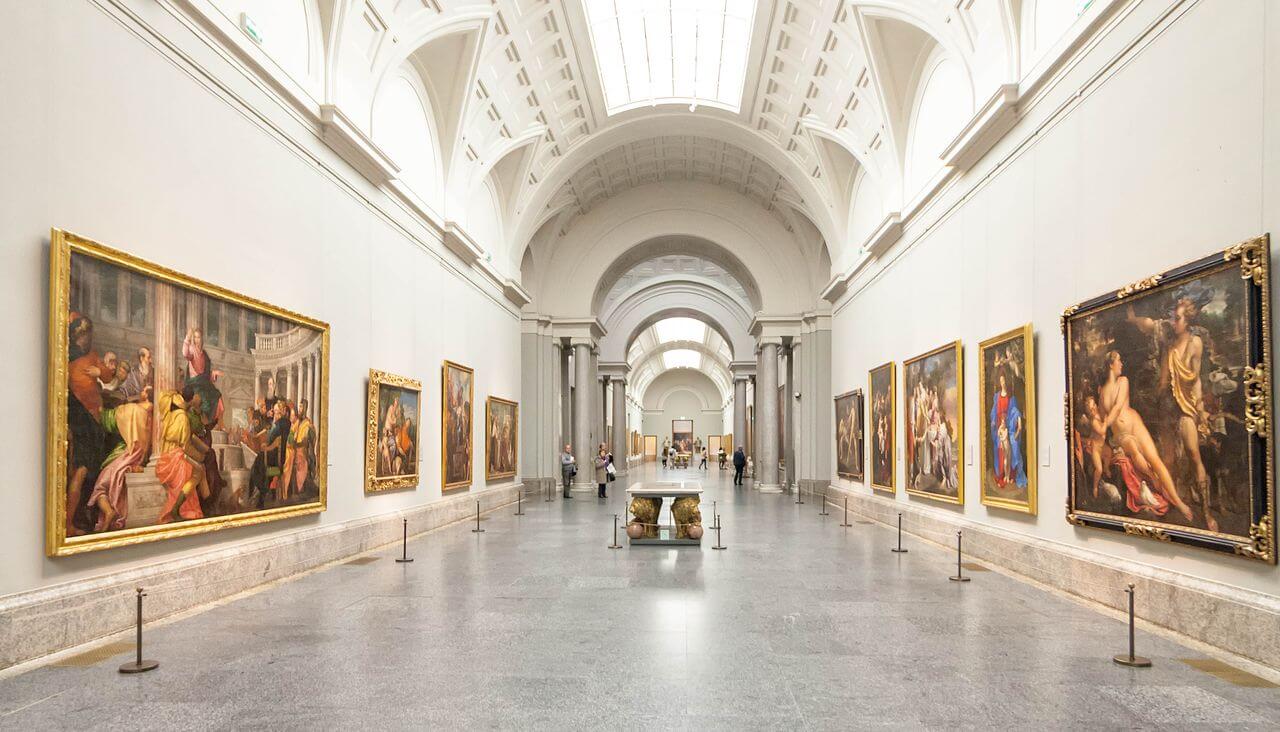
The cultural immersion begins at the Prado Museum, widely recognized as one of the preeminent fine art repositories on the globe. Inaugurated in 1819, the institution houses extensive collections of European art dating from the 12th century to the early 20th century, anchored by masterworks from Spanish icons such as Francisco Goya, Diego Velázquez, and El Greco, alongside international luminaries like Peter Paul Rubens, Sandro Botticelli, and Caravaggio. Cultural authorities recommend allocating a minimum of three hours to navigate the vast halls of this monumental structure adequately.
A brief ten-minute walk along the tree-lined Paseo del Prado leads to the Thyssen-Bornemisza Museum, which bridges historical gaps by housing a vast private collection spanning the Renaissance through Pop Art. The day’s formal artistic circuit culminates at the Reina Sofía National Art Center, Madrid’s premier contemporary art museum. Housed in a former 18th-century hospital, the Reina Sofía features seminal modern works by Pablo Picasso, Joan Miró, Salvador Dalí, and Wassily Kandinsky. Its undisputed centerpiece is Picasso’s monumental 1937 oil painting, Guernica, universally regarded as one of the most powerful anti-war expressions in the history of visual arts.
Following the morning’s museum excursions, visitors transition to Madrid’s culinary sector. Options range from the rustic ambiance of Taberna La Fragua de Vulcano—ideal for sampling traditional cocido madrileño, a hearty regional stew—to the sophisticated garden terrace at Arzábal near the Reina Sofía, celebrated for its gourmet croquettes. Alternatively, diners seeking atmospheric uniqueness can patronize the Bodega de los Secretos, where meals are served within meticulously restored 17th-century wine caves.
The afternoon introduces travelers to Madrid’s distinctive "House Museums," former private aristocratic residences that preserve the domestic and artistic environments of their original patrons. The crown jewel of this network is the Sorolla Museum, dedicated to the luminous canvases of Joaquín Sorolla, often styled as the "painter of light." Following an extensive infrastructural and architectural revitalization, the museum reopens its doors in 2026, offering renewed public access to its sun-drenched residence and tranquil Andalusian-style gardens. Secondary options include the Museum of Romanticism, featuring a secluded courtyard café, and the Lázaro Galdiano Foundation, which exhibits a private compendium of works by Goya, El Greco, and Hieronymus Bosch inside a neo-Renaissance mansion.
Day 2: The Grandeur of the Historic Center and Habsburg Architecture
The second day investigates the medieval and Renaissance foundations of the metropolis, historically designated as Habsburg Madrid (Madrid de los Austrias). The geographical and symbolic starting point is Puerta del Sol, a bustling public square that serves as the nexus for the nation’s infrastructure. Embedded in the pavement outside the historic Post Office building is Kilometer Zero, the official point from which all national highway distances are measured. Adjacent to the plaza stands the iconic statue of the Bear and the Strawberry Tree (El Oso y el Madroño), direct heraldic symbols derived from the city’s official coat of arms.
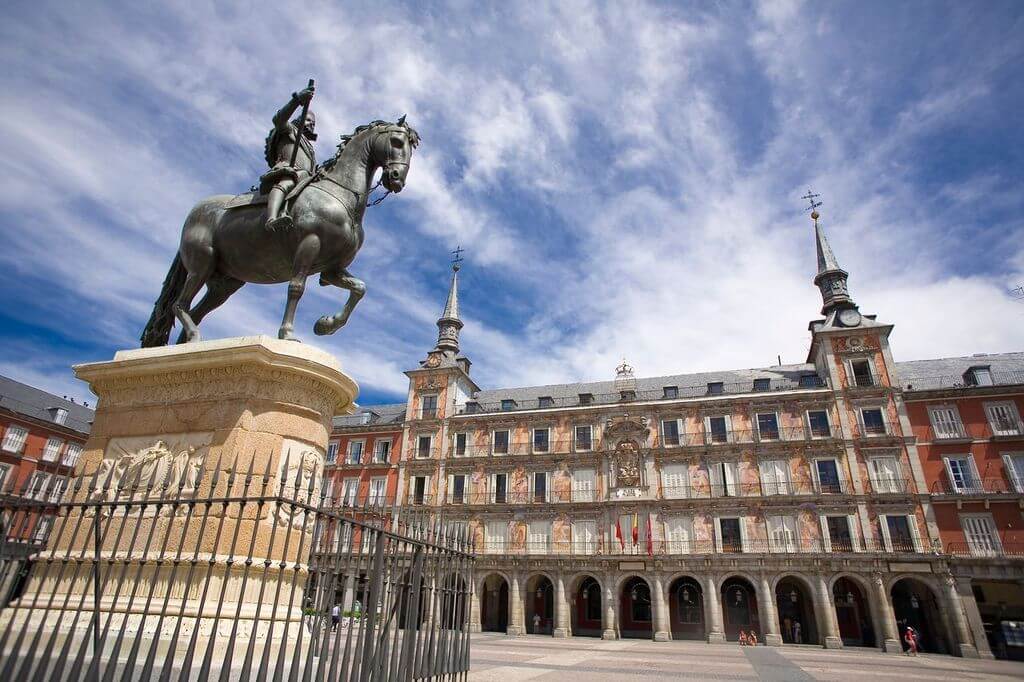
From Puerta del Sol, the pedestrian route proceeds toward the Plaza Mayor, a grand, porticoed square completed during the reign of King Philip III in the early 17th century. Historically utilized for royal ceremonies, public executions, bullfights, and commercial markets, the expansive plaza is presently framed by commercial arcades, cafés, and restaurants. Culinary tradition dictates a stop in the surrounding cobblestone alleys to sample Madrid’s famous deep-fried calamari sandwiches (bocadillo de calamares).
The afternoon transitions to the monumental Royal Palace of Madrid (Palacio Real). Constructed in the 18th century on the foundations of a 9th-century Muslim fortress, the Baroque structure functions as the largest royal palace in Western Europe by floor area, encompassing over 3,400 rooms. While no longer the primary residence of the Spanish royal family—who maintain private quarters elsewhere and utilize the palace exclusively for state ceremonies—the structure operates as an active museum space. Visitors tour the grand staircases, lavish throne rooms, and royal pharmacy, alongside the Royal Armory, which preserves an extensive collection of medieval tournament armor and weaponry.
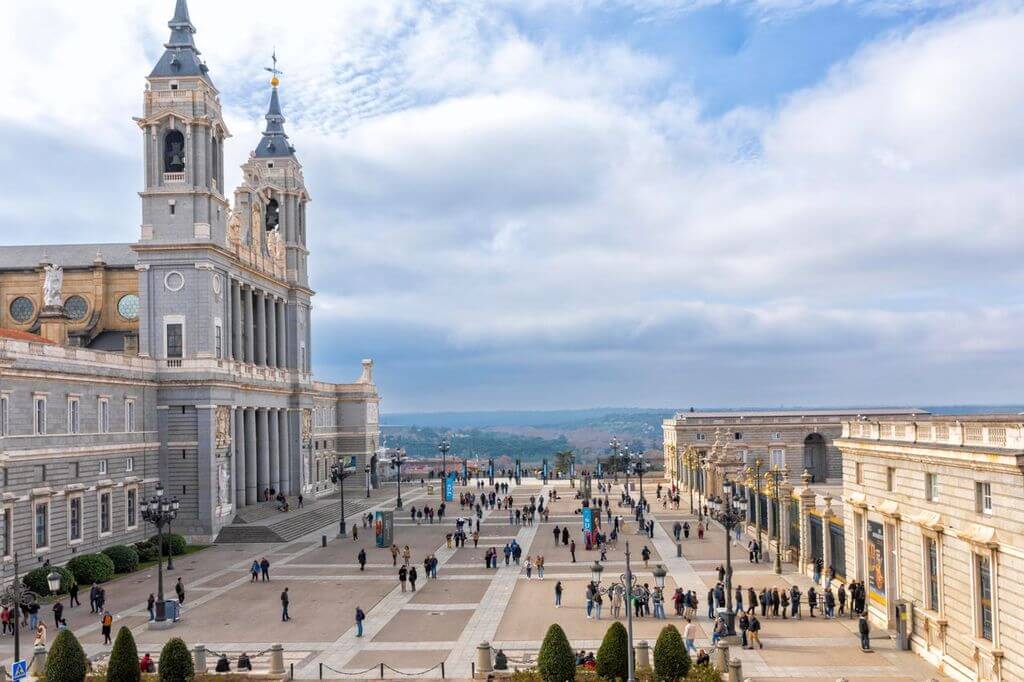
The architectural itinerary concludes at the Almudena Cathedral, situated directly opposite the palace. Consecrated by Pope John Paul II in 1993 after more than a century of intermittent construction, the cathedral juxtaposes a neoclassical exterior designed to harmonize with the palace against a neo-Romanesque crypt supported by over 400 uniquely carved columns. Access to the cathedral’s dome affords panoramic vistas of the historic urban core.
Day 3: Gastronomic Discovery and Rooftop Culture
Recognized internationally as a premier global culinary destination, Madrid offers an expansive array of traditional taverns, innovative dining establishments, and bustling gastronomic markets. The third day is dedicated entirely to exploring the city’s diverse food culture through both independent exploration and structured tasting routes.
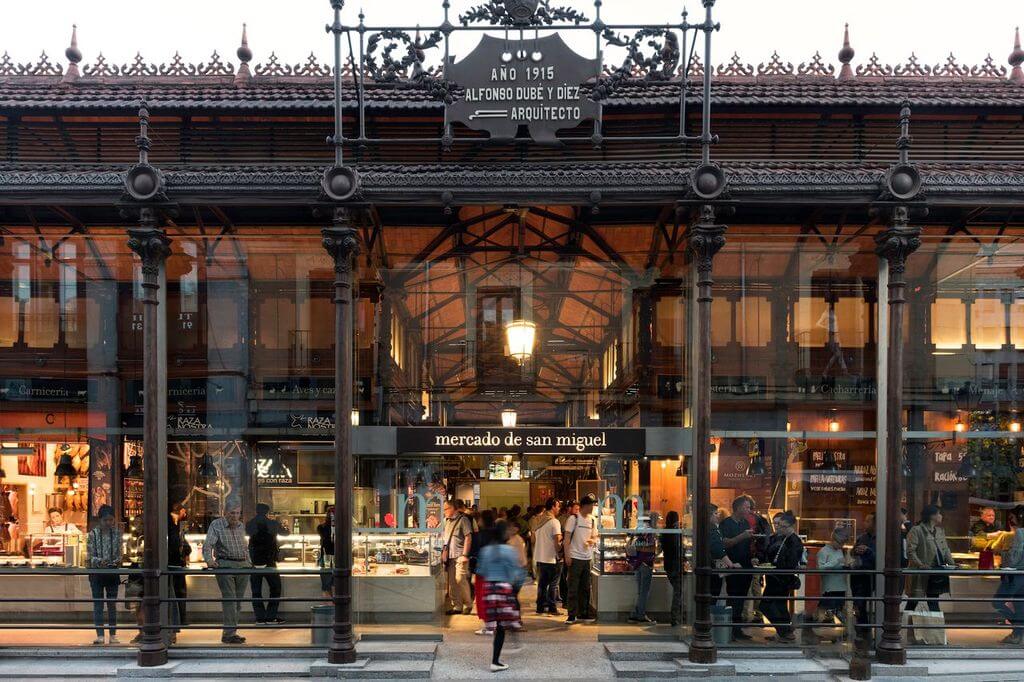
The culinary tour commences at the city’s covered markets. The glass-walled Mercado de San Miguel, situated adjacent to Plaza Mayor, functions as a high-end gourmet tapas hub popular with both locals and international visitors. Secondary community markets, such as the Mercado de San Antón in the Chueca district and the Mercado de Vallehermoso in Chamberí, provide deeper insights into regional Spanish produce, artisanal cheeses, and contemporary fusion cuisine.
For the evening meal, historical resonance meets culinary tradition at Sobrino de Botín. Officially certified by Guinness World Records as the oldest continuously operating restaurant in the world—having opened its doors in 1725—the establishment famously served as a preferred dining haunt for American author Ernest Hemingway during his journalistic assignments in Spain. Diners seeking a more casual atmosphere frequently engage in traditional tapas crawling through the lively alleyways of the La Latina and Barrio de las Letras neighborhoods.
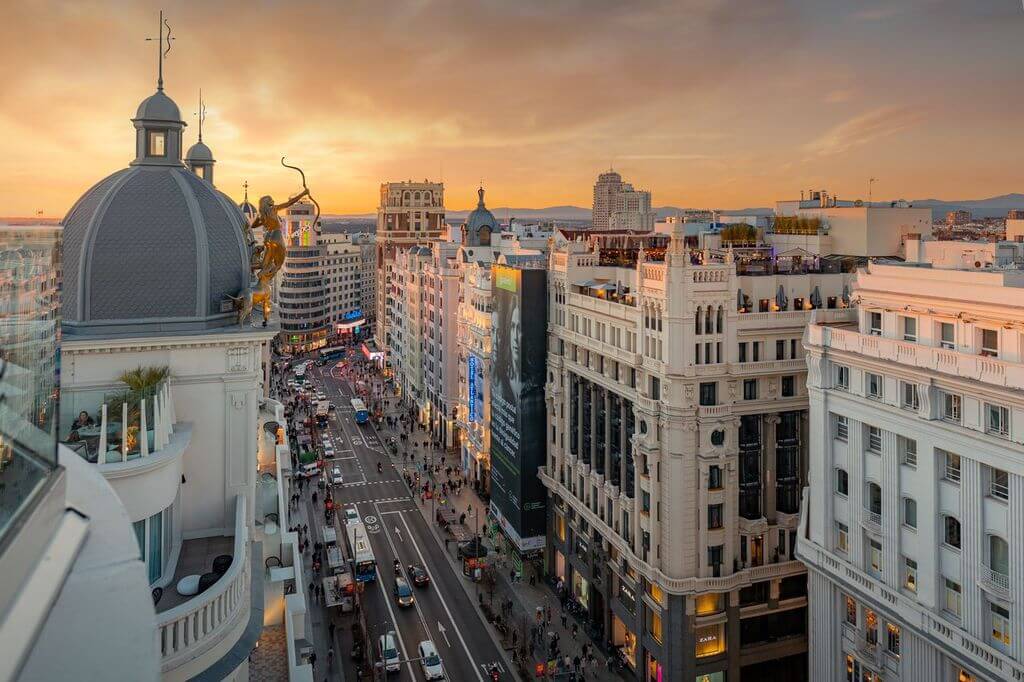
As twilight descends, the focus shifts to the Gran Vía, Madrid’s premier commercial thoroughfare, to experience the city’s thriving rooftop culture. Establishments such as The Roof at Picalagartos and the 360º Sky Bar at the Riu Plaza España provide elevated dining and cocktail experiences accompanied by unobstructed panoramic views of the illuminated urban skyline. Furthermore, municipal data indicates that Madrid has evolved into one of Europe’s leading hubs for plant-based dining, with districts like Malasaña hosting an array of innovative vegetarian and vegan eateries adapting traditional Spanish recipes into contemporary meat-free formats.
Day 4: UNESCO World Heritage Day Trips
While Madrid proper contains significant historical assets, its surrounding region hosts some of the most consequential monumental complexes in Western Europe, all accessible via brief transit connections. Day four is designated for excursions to nearby UNESCO World Heritage sites that illuminate the broader context of the Spanish Empire.
Located approximately one hour northwest of the capital by road or rail lies the Monastery of San Lorenzo de El Escorial. Commissioned in the 16th century by King Philip II, this massive architectural complex served as the political center of the Spanish Empire and functions as a monastery, royal basilica, palace, pantheon, and historical library. Built primarily from gray granite in a strict, symmetrical style known as Herrerian, the complex reflects the austere piety and administrative precision of its royal patron.
Alternatively, travelers may journey one hour south to the Royal Palace and Gardens of Aranjuez. Originally established as a royal hunting lodge in the 16th century and subsequently expanded in the Renaissance and Baroque styles, the site served as the spring residence for the Spanish monarchs. The palace interiors showcase extensive collections of royal tapestries and oriental porcelain, while the surrounding grounds feature elaborate formal gardens irrigated by the Tagus River, earning the landscape formal recognition as a UNESCO Cultural Landscape.
A third viable excursion is the historic university city of Alcalá de Henares, situated 45 minutes east of Madrid. Celebrated as the birthplace of Miguel de Cervantes, author of Don Quixote, the municipality preserves a distinct academic and architectural heritage dating back to its Golden Age (1492–1659), anchored by the historic Colegio Mayor de San Ildefonso.
Day 5: Off-the-Beaten-Path Treasures and Urban Green Spaces
The final day of the itinerary directs attention toward lesser-known cultural repositories and expansive natural reserves located within the municipal boundaries, allowing visitors to experience the city beyond standard tourist corridors.
The morning begins with visits to two cloistered monastic foundations: the Monastery of Las Descalzas Reales and the Royal Monastery of La Encarnación. Founded in 1559 by Joanna of Austria, daughter of Charles V, Las Descalzas Reales occupies a 16th-century palace where aristocratic women historically took religious vows, frequently depositing substantial artistic treasures, tapestries, and relics within the convent walls. Similarly, the Royal Monastery of La Encarnación, established in 1611 by Queen Margaret of Austria, features a restrained exterior concealing an interior rich in polychrome religious sculptures, preserved relics, and vibrant Baroque frescoes. Because both sites remain functioning convents, access is strictly regulated through guided tours, preserving their contemplative atmosphere.
To conclude the five-day journey, travelers can visit the Casa de Campo, the largest public park in Madrid. Spanning approximately 17 square kilometers (6.5 square miles)—roughly five times the size of New York’s Central Park—the park was historically reserved as a royal hunting estate before being opened to the public in 1931. Featuring an artificial lake, extensive pedestrian and cycling paths, and elevated viewpoints, the park’s lakeside terraces offer unobstructed vistas of the Royal Palace and Almudena Cathedral across the Manzanares River valley.
Through this structured approach combining major artistic institutions, architectural landmarks, culinary traditions, and regional excursions, visitors to Madrid gain a comprehensive understanding of the capital’s multifaceted identity, ensuring an informed and efficient travel experience within one of Europe’s most dynamic urban centers.