The Hidden Toll of Tourism: How Animal Welfare Concerns are Reshaping Global Travel Decisions

The intersection of global tourism and animal welfare has increasingly become a focal point of ethical debate, forcing travelers, governments, and international organizations to re-evaluate deeply embedded cultural practices. From elephant rides in Thailand and the handling of sea turtles in the Cayman Islands to the "walking with lions" attractions in South Africa, commercialized animal interaction has long been marketed as a primary draw for international visitors. However, beneath the curated imagery of iconic landmarks and once-in-a-lifetime experiences lies a complex reality characterized by systemic exploitation, inadequate regulatory oversight, and a growing disconnect between modern ethical standards and traditional tourism models.
This tension recently crystallized for travelers planning excursions to historically rich destinations renowned for their ancient heritage. The situation underscores a broader dilemma confronting the global tourism industry: balancing the economic imperative of heritage tourism with the urgent demand for humane treatment of working animals.
The Catalyst for Scrutiny: A Canceled Journey and Digital Revelations
The contemporary conversation surrounding animal welfare in heritage tourism is increasingly driven by independent researchers and conscientious consumers who utilize digital forums to expose operational realities on the ground. A prominent example involves Michiko, a traveler who spent years preparing for a long-anticipated itinerary to explore the UNESCO World Heritage sites of Egypt and Jordan. What began as a meticulous planning process transformed into an ethical reassessment upon closer examination of firsthand accounts detailed on global travel platforms.
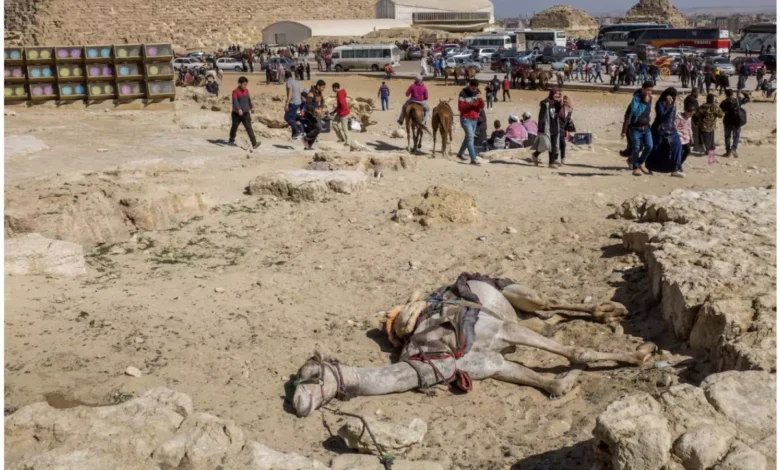
According to traveler reports, visitor forums, and investigative journalism outlets—including documentation by organizations such as People for the Ethical Treatment of Animals (PETA) and local welfare advocates—the immediate vicinity of major archaeological monuments often plays host to severe animal mistreatment. Historical sites such as the Giza Pyramids complex in Egypt rely heavily on horses, camels, and donkeys to transport tourists and goods. Reports lodged by visitors and animal welfare investigators consistently highlight systemic issues: working animals exhibiting severe physical trauma, mutilated and bleeding noses, extreme emaciation where skeletal structures are visible under intense heat, and documented instances of physical abuse.
Furthermore, investigative findings have brought attention to the long-term confinement of exotic creatures in inadequate facilities, as well as informal "animal graveyards" located near major tourist hubs. In these areas, working animals deemed no longer economically viable due to exhaustion or injury are frequently abandoned.
This dynamic touches upon a sensitive socio-economic argument often raised by local handlers: that the reliance on working animals is a direct byproduct of poverty and entrenched tradition. Defenders of these practices frequently cite economic hardship as an unavoidable constraint. However, ethical advocates and industry analysts emphasize that systemic poverty does not preclude humane standards of care, arguing that cruelty is a policy and operational failure rather than an inevitable socioeconomic outcome.
The Evolution of Traveler Advocacy and Institutional Responses
The growing volume of documented abuse has moved beyond individual expressions of concern, evolving into coordinated advocacy and direct institutional pressure. Travelers who encounter these conditions are increasingly taking formal action, shifting from passive disappointment to active intervention.
In response to findings at major tourism sites, advocates have begun lodging formal complaints with national governance bodies. For instance, concerned individuals have corresponded directly with the Egyptian Ministry of Tourism and Antiquities and the Egypt Tourism Promotion Authority, demanding stricter enforcement of animal protection laws and accountability for local operators.
These grassroots efforts align with the broader objectives of established non-governmental organizations (NGOs), such as the Society for the Protection of Animal Rights in Egypt (SPARE) and international welfare networks. These entities provide standardized reporting frameworks, petitions, and letter-writing campaigns designed to bridge the gap between visiting tourists and local regulatory agencies.

Simultaneously, the question of international accountability has gained traction, particularly regarding the responsibilities of bodies like UNESCO. Critics and heritage experts frequently debate how the prestigious UNESCO World Heritage designation coexists with widespread reports of animal abuse in the surrounding buffer zones and immediate visitor areas. While UNESCO status confers international recognition and encourages tourism revenue designed to preserve historical assets, it does not currently mandate strict animal welfare compliance as a prerequisite for maintaining heritage site status, leaving a regulatory vacuum that local authorities are pressured to fill.
Regulatory Shifts and Legislative Milestones
Pressured by mounting international scrutiny, negative publicity, and advocacy from animal rights groups, certain regional authorities have begun implementing legislative and administrative adjustments.
A notable development occurred in April 2026, when Egypt’s Chamber of Tourism Establishments and Restaurants issued an official directive banning the use of animals—both domestic and wild—in artistic and entertainment performances within registered hotel and tourism facilities. This regulatory action represents a tangible acknowledgment of the shifting expectations of international visitors, who increasingly factor ethical considerations into their spending habits.
However, industry analysts note that while such directives mark a positive step, enforcement remains a significant challenge. The ban primarily targets structured performances within hospitality establishments rather than the daily operations of working animals deployed around open-air archaeological sites, such as the carriage horses and riding camels operating near the Giza Pyramids or Luxor. Consequently, advocacy groups continue to push for broader legislative frameworks that encompass all commercial animal use within the tourism sector.
Economic and Practical Implications for the Global Tourism Industry
The cumulative effect of these developments is a measurable shift in consumer behavior. A growing segment of the global travel demographic is actively altering itineraries to bypass jurisdictions or specific attractions associated with animal exploitation. This shift has forced tourism boards and travel agencies to confront the economic risks of neglecting animal welfare. Destinations that fail to modernize their treatment of working animals risk alienating high-value, socially conscious travelers, potentially impacting long-term tourism revenues.
To assist travelers navigating these complex ethical landscapes, various organizations publish evaluative metrics assessing destinations based on comprehensive sustainability criteria. For example, initiatives such as Ethical Traveler’s annual assessment of developing nations evaluate governments on their commitment to human rights, environmental preservation, and social welfare, highlighting destinations that successfully integrate ethical stewardship into their tourism models. These indices provide travelers with alternatives that align with responsible tourism principles, demonstrating that exploration and conservation are not mutually exclusive.
Looking Forward: The Path to Sustainable Heritage Tourism
As the tourism industry continues to recover and evolve, the discourse surrounding animal welfare has transitioned from a niche activist concern to a mainstream operational challenge. The intersection of digital connectivity, rapid information sharing, and heightened consumer awareness ensures that practices previously obscured by distance or cultural rationalization are now subject to immediate global scrutiny.
Addressing the plight of working animals in historic destinations requires a multi-stakeholder approach. This necessitates stricter governmental enforcement of existing animal protection laws, investment in humane infrastructure (such as veterinary clinics near major sites and the gradual replacement of working animals with mechanized transport), and continued economic incentives for local communities to adopt sustainable practices. Ultimately, the future of ethical tourism relies on the recognition that the preservation of human heritage cannot be sustained at the expense of sentient welfare, and that the choices made by individual travelers collectively shape the operational standards of the global tourism economy.