The Ultimate Guide to Hiking Colombia’s Lost City (Ciudad Perdida): A Comprehensive Journey Through the Sierra Nevada

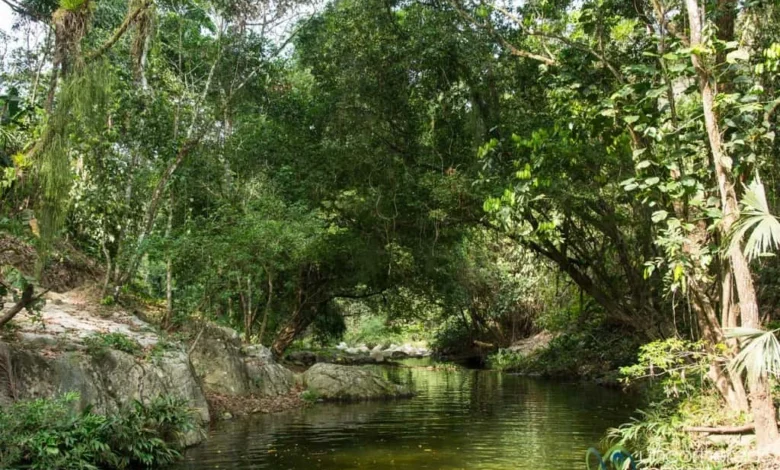
Nestled deep within the dense, emerald rainforests of northern Colombia’s Sierra Nevada de Santa Marta lies Teyuna, internationally renowned as La Ciudad Perdida, or the Lost City. Constructed approximately around 800 A.D. by the ancient Tayrona civilization, this sprawling archaeological wonder predates Peru’s iconic Machu Picchu by some six centuries. Today, traversing the 46-kilometer (28-mile) round-trip trail to reach the sacred site has evolved into one of South America’s premier trekking experiences. This comprehensive guide outlines the historical context, logistical realities, day-by-day itineraries, and cultural imperatives for travelers undertaking this multi-day expedition through Colombia’s rugged northern interior.

Historical Background and Indigenous Stewardship

The origins of the Lost City trace back to the Tayrona culture, a sophisticated pre-Columbian society that flourished across the rugged terrain of the Sierra Nevada. At its zenith, Teyuna served as a major political and economic urban center, housing thousands of inhabitants across a complex network of stone terraces, ceremonial platforms, and drainage channels. However, as Spanish conquistadors advanced into the region during the 16th century, the Tayrona made the strategic decision to abandon their mountain capital rather than submit to colonial subjugation.

For centuries, the jungle reclaimed the site, obscuring the stone staircases and housing rings from the outside world. While the physical structures were enveloped by foliage, the location was never truly lost. Indigenous spiritual leaders—shamans from the contemporary Wiwa, Kogi, Arhuaco, and Kankuamo communities, widely regarded as the direct descendants of the Tayrona—maintained a generational awareness of Teyuna, utilizing it as a sacred space for periodic ceremonies.

The site was formally rediscovered in the early 1970s by local treasure hunters (guaqueros) who unearthed considerable quantities of gold, ceramics, and precious artifacts. The subsequent influx of looters caused significant damage before the Colombian government intervened, securing the area and initiating formal archaeological excavations. Today, access to the region is tightly regulated to preserve both the fragile archaeological integrity of the ruins and the cultural sovereignty of the indigenous populations who inhabit the surrounding biosphere.

The Essential Itinerary: A Day-by-Day Trekking Overview

While trekking durations vary among authorized operators—typically ranging from four to six days—the core route remains consistent. The journey generally departs from the coastal hub of Santa Marta, transitioning via 4×4 vehicles into the foothills of the Sierra Nevada to the trailhead at Machete.

Day One: Trailhead to the First Foothills
The expedition commences following a transfer from Santa Marta and a preliminary briefing. Hikers embark on a moderate trek that quickly establishes the topography of the region: sustained ascents and descents with minimal flat terrain. The first day typically covers roughly 7 to 8 kilometers, offering introductory river crossings, refreshing swimming holes, and sweeping views of the lower river valleys before reaching the initial base camp by late afternoon.

Day Two: Traversing the Tropical Rainforest and Indigenous Communities
Day two represents a rigorous phase of the journey, navigating deeper into the tropical rainforest ecosystem. Trekkers cross the Buritaca River multiple times—occasionally utilizing suspended cable baskets during periods of high water—and pass through traditional Kogi settlements. Guides emphasize cultural immersion, explaining the intricate societal structures, spiritual philosophies, and environmental stewardship practiced by the local indigenous communities, who view themselves as the "elder brothers" tasked with maintaining global ecological equilibrium.

Day Three: Ascent to the Lost City (Teyuna)
The most physically demanding and culturally significant day begins before dawn, usually around 4:30 A.M., to beat the equatorial heat. Hikers confront the legendary climb of approximately 1,200 steep, ancient stone steps leading to the lower terraces of Teyuna. Upon arrival, visitors explore the extensive network of ring-shaped stone platforms that once supported communal and residential structures. Guided commentary contextualizes the architectural layout, the symbolism of the sacred stones, and the historical resilience of the Tayrona civilization. Following the exploration, hikers retrace their steps downward to an intermediate campsite for the night.

Day Four (and Five): The Return Journey
The final leg requires retracing the trail back toward Machete. Because much of the path is exposed to direct sunlight, an early departure is essential. Upon reaching the trailhead, private transport returns participants to Santa Marta, concluding a physically taxing yet deeply rewarding expedition.

Difficulty, Physical Preparation, and Environmental Conditions

The Lost City Trek is classified as a medium-to-high difficulty excursion. While the route does not involve technical mountaineering or climbing equipment, the environmental conditions present significant challenges.

Altitude and Topography
The highest point of the trek reaches approximately 1,500 meters (4,920 feet) above sea level, meaning acute altitude sickness is generally not a factor. However, the sheer volume of steep elevation gains and losses places a heavy burden on the cardiovascular and muscular systems. Maintaining a steady, measured pace is strongly advised over rapid, exhaustive hiking bursts.

Climate, Humidity, and Precipitation
The Sierra Nevada de Santa Marta functions as a high-humidity rainforest ecosystem. Participants should anticipate heavy perspiration, intense daytime heat, and regular afternoon rain showers, particularly during the regional rainy seasons (traditionally spanning May through September, though weather patterns vary). Muddy trails are commonplace, necessitating proper footwear, waterproof gear protection, and resilient physical adaptability.

Fauna and Health Precautions
The tropical environment hosts a high density of insects, including mosquitoes and ticks. Rigorous application of insect repellent, wearing lightweight long trousers, and conducting thorough post-hike checks for ticks are mandatory safety measures. Furthermore, utilizing sleep liners inside campsite accommodations provides an additional barrier against biting insects.

Logistics: Choosing an Operator and Packing Essentials

Independent trekking to the Lost City is prohibited. Access is strictly restricted to a select group of authorized tour operators licensed by Colombian authorities. Prospective hikers are strongly encouraged to select operators that partner directly with indigenous guides, ensuring that historical narratives are delivered authentically and that tourism revenues directly support local communities.

Packing Lightly for Success
Although luggage storage is typically available at hotels or operator offices in Santa Marta, hikers must carry their own day-packs containing essential gear. Key packing recommendations include:

- Refillable water bottles or hydration bladders, paired with purification tablets or a SteriPEN for campsite refills.
- Lightweight, quick-drying synthetic hiking apparel.
- Sturdy trekking shoes with reliable traction for muddy conditions, alongside comfortable footwear for river crossings and camp relaxation.
- A reliable walking stick or trekking pole to ease knee strain during steep descents.
- Comprehensive waterproof solutions, including dry sacks and backpack rain covers, to safeguard electronics and dry clothing.
Broader Impact and Sustainable Tourism Implications

The revitalization and promotion of the Lost City Trek have injected vital economic resources into the Magdalena department, providing alternative livelihoods for former rural workers and fostering cooperative tourism models with indigenous councils. However, balancing increasing global tourism demand with environmental conservation and cultural preservation remains an ongoing challenge for park authorities and operators. Strict adherence to carry-in, carry-out waste policies, respectful interactions with indigenous residents, and responsible water management are vital responsibilities for every traveler undertaking the pilgrimage to Teyuna.