Nekajui Peninsula Papagayo A Ritz-Carlton Reserve Reimagines Luxury Hospitality in Central America

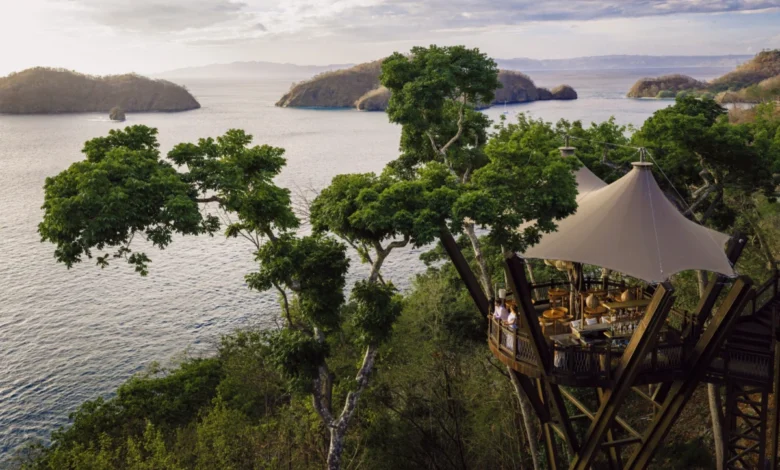
The arrival of the Ritz-Carlton Reserve brand on the Papagayo Peninsula in February 2025 marks a significant expansion for the Marriott International luxury portfolio in Central and South America. Positioned as a hyper-exclusive retreat, the 1,400-acre Nekajui property represents the latest iteration of the "Reserve" concept—a tier of the Ritz-Carlton brand reserved for secluded, culturally immersive, and low-density destinations that prioritize a sense of place over traditional hotel architecture. This development arrives as Costa Rica continues to cement its status as a premier global destination for eco-conscious high-net-worth travelers, with the tourism sector accounting for approximately 8.2% of the country’s GDP as of recent economic reporting.
The property’s debut follows years of planning and construction aimed at blending modern architectural luxury with the rugged topography of Guanacaste. Upon arrival, guests are introduced to the property via "La Casita," an understated bungalow that serves as a deliberate contrast to the expansive vista that follows. The transition from the minimalist check-in area to the sprawling grounds, which include multi-level cascading pools and views of the Gulf of Papagayo, underscores the Reserve’s philosophy: that true luxury is found in the interplay between architectural design and the surrounding biodiversity, which includes local capuchins, coatis, and native iguanas.
A Chronology of Development and Design
The concept of the Ritz-Carlton Reserve is inherently different from standard luxury hotel operations. Since the launch of the first Reserve in Thailand in 2008, the brand has sought locations—such as the Chinese Himalayas or the Saudi Arabian desert—that are physically remote. The Nekajui project represents a multi-year investment by developers and local stakeholders to transform the Papagayo Peninsula into a sustainable luxury hub.

The site, characterized by its 1,400-acre footprint, was developed with an emphasis on low-impact integration into the jungle canopy. The 107 rooms and suites are designed with private access points and utilize carved wood motifs native to the Guanacaste province. A notable engineering feature of the property is the funicular, which provides a vertical transit system descending from the clifftop campus down to the beach level. This infrastructure was necessitated by the dramatic topography of the peninsula, allowing guests to navigate between the high-altitude canopy and the secluded beach coves without disrupting the native vegetation.
The Culinary Infrastructure: A Global Perspective on Local Ingredients
The culinary program at Nekajui is led by Chef Diego Muñoz, a figure of international renown whose professional history includes tenures at world-class establishments such as El Bulli and Mugaritz. Muñoz has been tasked with creating a menu that bridges the gap between global culinary standards and the specific agricultural output of Costa Rica.
The strategy behind the property’s two primary dining venues, Puna and Paruro, centers on the elevation of local ingredients that are historically underutilized in high-end Costa Rican hospitality. Puna acts as the main restaurant, focusing on a fusion approach that incorporates international spices into traditional Peruvian dishes such as ceviche and sudado. Paruro, a six-seat counter located within Puna, shifts the focus toward an East Asian aesthetic, utilizing techniques like nori-curing for tenderloin and preparing seabass curry.
A critical challenge for the culinary team remains the logistics of seafood procurement. Despite Costa Rica’s vast maritime territory, sourcing fresh, sustainable, and high-quality seafood requires an intricate supply chain. Muñoz’s approach involves working directly with local fishermen and producers, a practice that reflects a broader industry trend toward hyper-local sourcing to minimize carbon footprints and ensure quality control.

The Evolution of the Beverage and Coffee Programs
The beverage program at Nekajui, specifically the cocktail space known as "Cooper’s," highlights an experimental approach to mixology. The menu is defined by the use of unconventional ingredients such as goat cheese distillates, cascara, and mango leaf. These components are used to create sophisticated riffs on classic cocktails, such as the "Turrialba," which pairs fino sherry with a goat cheese distillate.
Beyond the bar, the coffee program stands out as a focal point of the guest experience. Led by roaster Fabi Rojas, the on-site micro-roastery sources beans from each of Costa Rica’s seven distinct coffee-growing regions. The program is intentionally educational, highlighting the geographical diversity of the country, from the low-elevation coastal regions to the high-altitude mountainous areas of Los Santos, where prized geisha varieties are grown.
The selection of the "vandola" as the primary brewing vessel is particularly noteworthy. Designed in 2015 by Costa Rican roaster Minor Alfaro, the vandola is a clay pour-over device that allows for controlled oxygenation. From a technical standpoint, the porous nature of the clay helps maintain temperature and aroma, while the base valve facilitates a specific rate of extraction. The inclusion of this tool in the resort’s daily operations serves as both a functional brewing method and a cultural tribute to contemporary Costa Rican coffee innovation.
Economic and Environmental Implications
The opening of Nekajui is expected to have a tangible impact on the local economy of the Guanacaste region. By prioritizing local hiring and supply chains, the resort aligns with national tourism mandates that emphasize sustainable development. However, the resort also faces the scrutiny that comes with large-scale development in biodiversity hotspots.

The management of the resort’s 1,400-acre property requires significant oversight regarding wildlife corridors. Environmental impact reports for the Papagayo region generally emphasize the necessity of maintaining the integrity of the coastal ecosystem, particularly given the prevalence of howler monkeys and other endemic species that rely on the connectivity of the forest. The use of a funicular rather than road systems to access the beach is a strategic decision intended to limit the physical footprint on the forest floor.
From an industry perspective, Nekajui serves as a case study for the "Reserve" brand’s ability to compete in the ultra-luxury sector. By offering amenities such as private plunge pools, concierge-facilitated access to exclusive areas like Cooper’s, and bespoke culinary programming, the resort aims to capture the segment of the market that prioritizes privacy and exclusivity above all else.
Future Outlook for the Papagayo Peninsula
As of early 2025, the performance of the Nekajui property will be measured not only by occupancy rates but by its ability to integrate into the existing hospitality fabric of Costa Rica. The move to establish a permanent presence on the peninsula signifies a shift toward the "destination resort" model, where the property itself acts as the primary attraction.
Industry analysts suggest that the success of such projects depends on the delicate balance between maintaining international service standards and authentically reflecting local culture. The decision to feature local artisanal ceramics and hyper-regional agricultural products suggests that the property intends to differentiate itself from the standardized luxury offerings found in major urban centers.

For the traveler, Nekajui offers an immersive experience that leverages the natural assets of the Guanacaste coast while providing a high-level culinary and beverage narrative. As the resort matures, its commitment to the local coffee economy and its unique, invitation-only dining and bar concepts will likely define its reputation within the highly competitive landscape of global luxury travel. Whether the property can sustain this level of exclusivity while managing the ecological demands of the Papagayo Peninsula will remain a primary point of observation for stakeholders in the regional tourism sector throughout the coming fiscal year.