The global landscape of human-wildlife conflict is shifting as rapid urbanization and the fragmentation of natural habitats force closer, often lethal, interactions between people and apex predators. While media narratives frequently focus on reckless tourists seeking photographs, the stark reality is that the most vulnerable populations are those living and working on the front lines of wild frontiers. Recent incidents in Indonesia, India, and Japan underscore a growing crisis: as agricultural land expands and human settlements penetrate deeper into wilderness corridors, the frequency and severity of these encounters are reaching an all-time high.
Indonesia: The Growing Threat of Saltwater Crocodiles
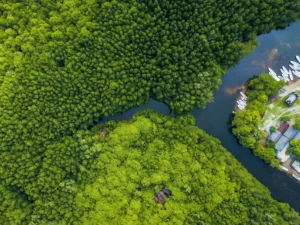
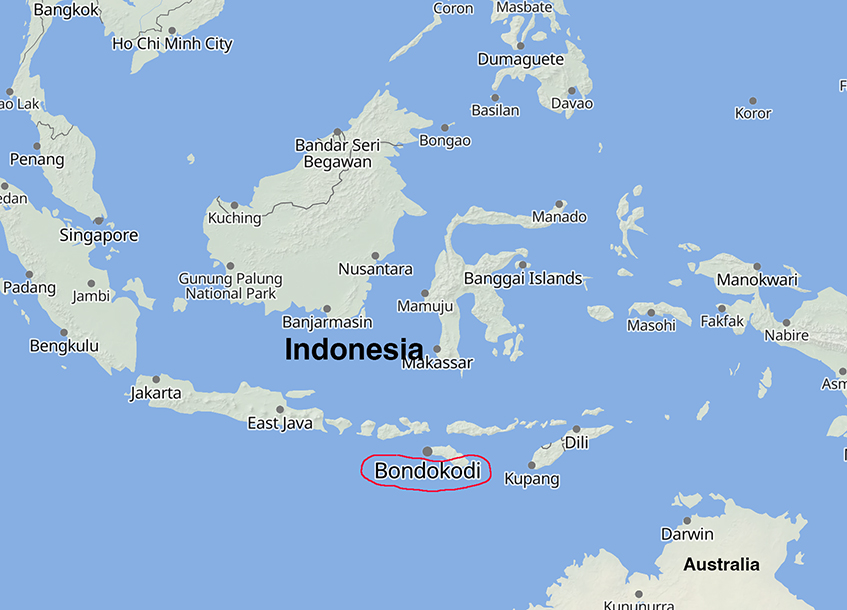
In the Southwest Sumba region of Indonesia, the tragic death of 24-year-old Selviana Ambu Kaka on October 24 serves as a harrowing reminder of the dangers posed by the world’s largest reptile, the saltwater crocodile (Crocodylus porosus). Ambu Kaka, who had recently returned from Jakarta to prepare for her upcoming engagement, was attacked while performing daily chores at the Bondo Kodi River.
Witnesses, including her fiancé and his sister, described a sudden, violent emergence of a large crocodile from the water. The reptile seized Ambu Kaka by the leg and dragged her beneath the surface. Despite an immediate alarm raised by the witnesses, the search for the victim ended in tragedy when her remains were recovered approximately 30 meters from the site of the attack. Local villagers, acting out of grief and fear, subsequently organized a search party and captured a 4.9-meter crocodile, which they killed.
Indonesia reports the highest frequency of saltwater crocodile attacks globally. The underlying driver of these incidents is habitat loss. As mangroves are cleared for aquaculture and human development, the natural hunting grounds of these apex predators are severely constrained, forcing them into closer proximity to human water sources. Conservationists face a difficult dilemma in these regions: while they advocate for the protection of these ancient predators, the loss of human life creates a social backlash that threatens the very existence of local conservation efforts.
The Indian Subcontinent: Leopards and Elephants in Conflict
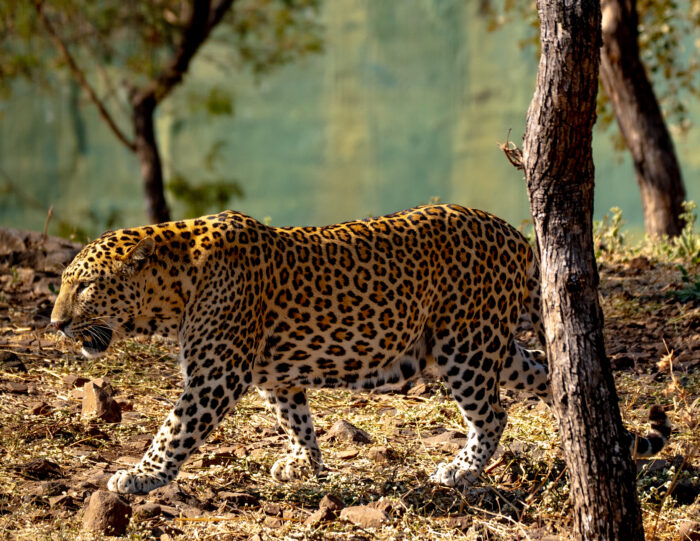
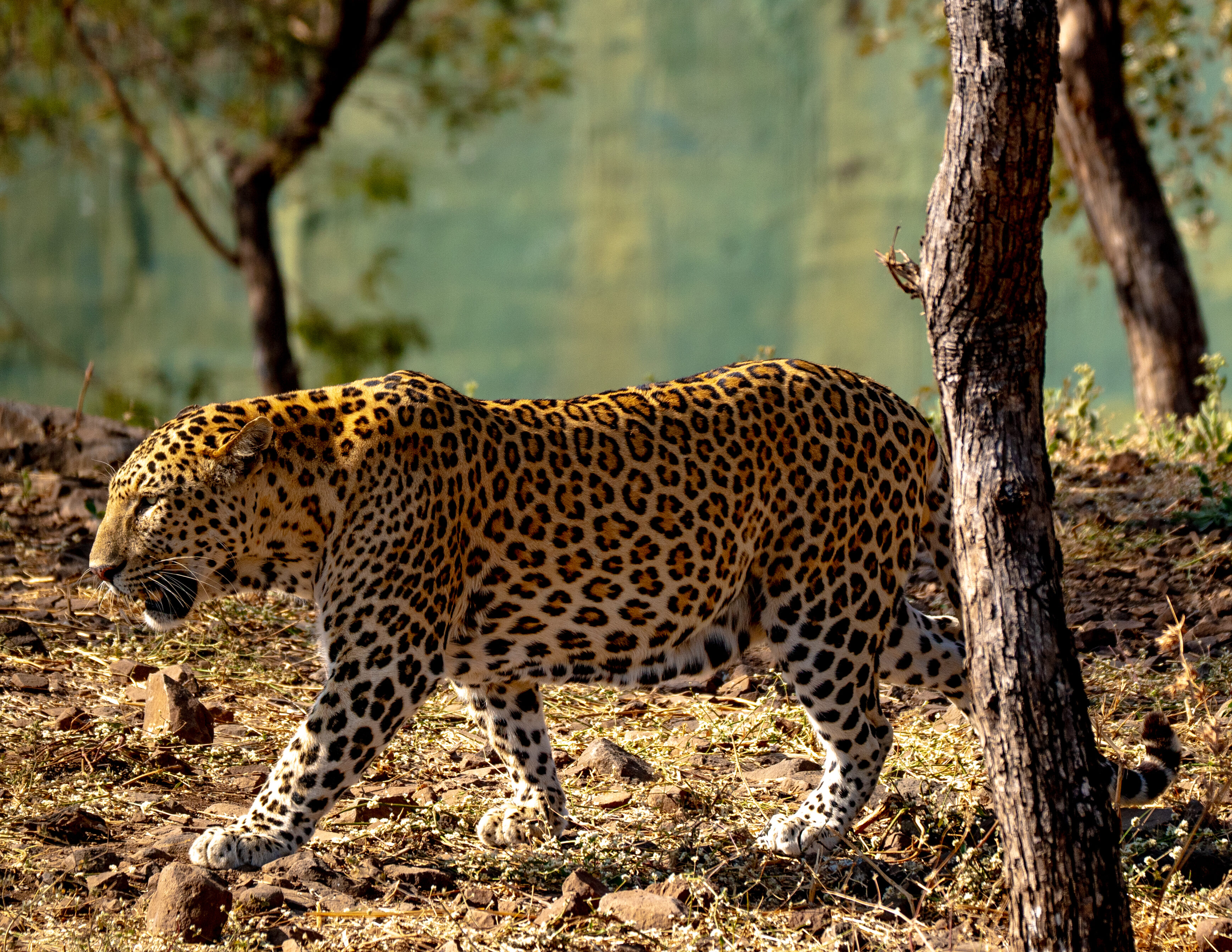
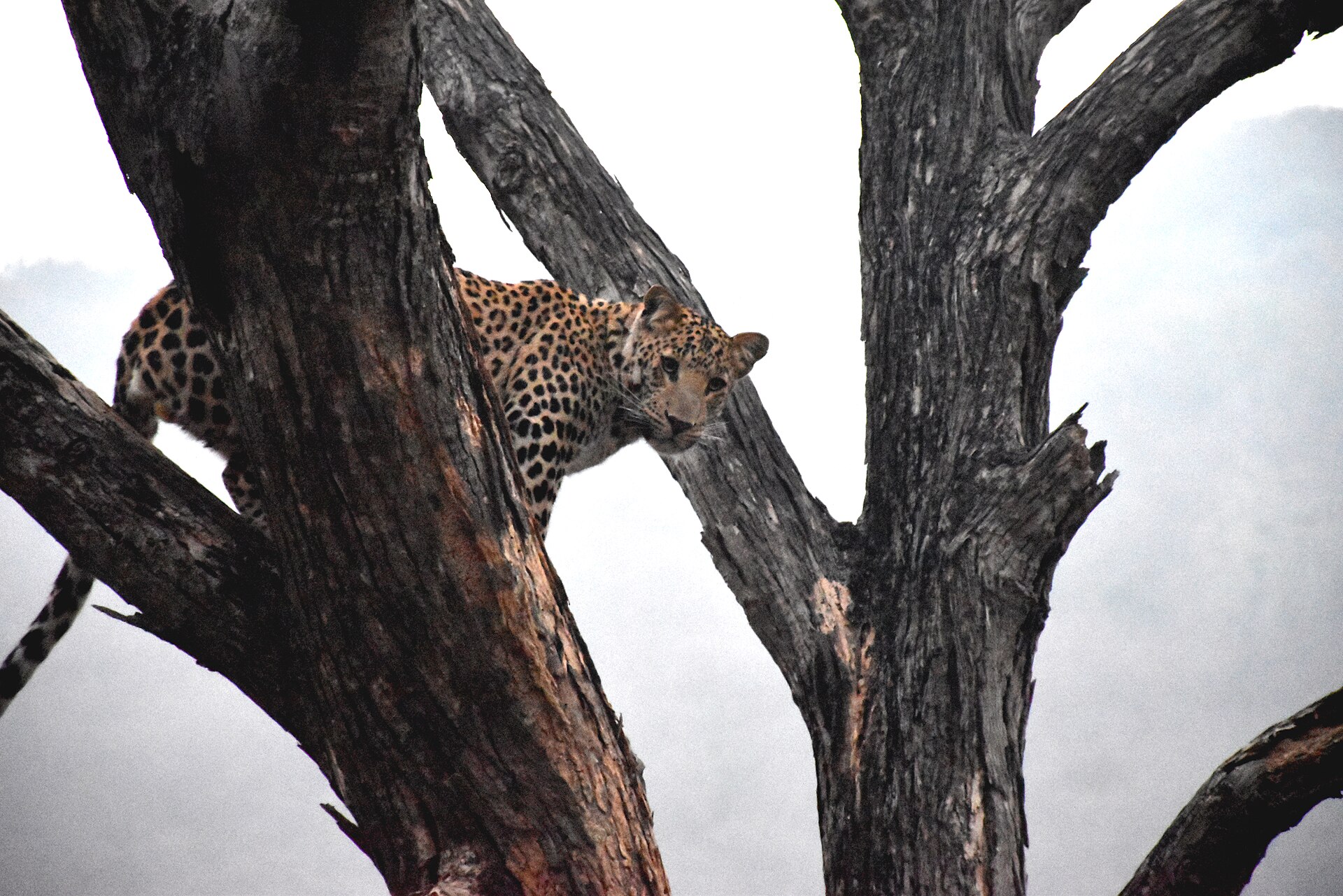
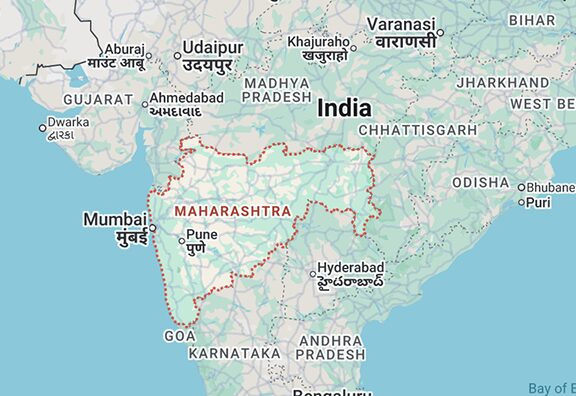
India is currently grappling with a multifaceted crisis involving multiple species. In Maharashtra, the leopard population, having adapted to the edges of human settlements, has become a source of daily terror. On November 1, 65-year-old farm laborer Tulsi Rama Sawar was killed by a leopard, marking the second such fatality in that specific area within a single month. The proximity of these attacks has triggered widespread civil unrest; residents are now demanding the installation of permanent surveillance cameras and the deployment of cage traps, threatening organized protests if the government does not act to secure their safety.

The psychological impact of these predators on rural livelihoods cannot be overstated. Farmers in Uttar Pradesh and Maharashtra report an inability to cultivate their fields, fearing that a workday could turn fatal at any moment. The case of a 45-year-old farmer named Kennu, who survived a brutal encounter in a sugarcane field by physically fighting off a leopard, highlights the necessity for agricultural workers to avoid isolated labor. However, for many, this is not an option.
The severity of the situation is further highlighted by the death of 15-year-old Saraswati Singh Gond in the Shahdol district of central India on November 4. She was taken from the veranda of her home while sleeping, a testament to the boldness of predators that have lost their inherent fear of human structures.
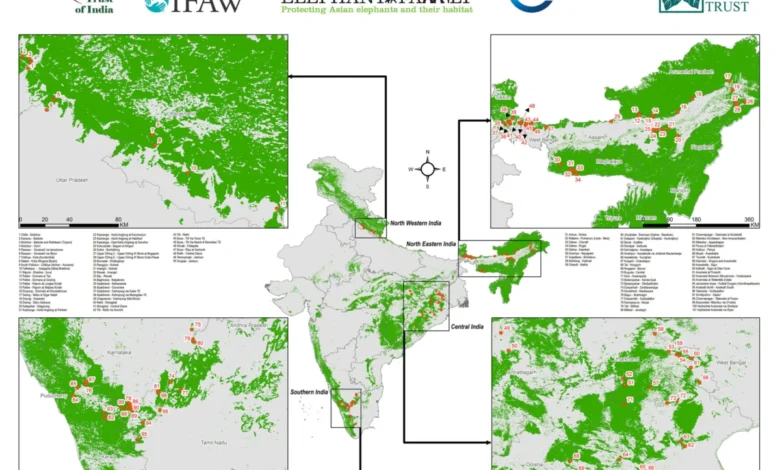
Beyond the leopard threat, megafauna—specifically Asian elephants—are causing significant casualties in India’s northern and central states. On October 30, 55-year-old Devaki Rana was killed while foraging for mushrooms in Uttarakhand. Her death occurred within an established "elephant corridor," a protected passage designed to allow herds to navigate between fragmented forests. While these corridors are essential for the survival of the endangered species, they also create high-risk zones where human activity overlaps with migratory paths.
In Chhattisgarh, a fatal incident involving a motorcycle rider and an elephant suspected to be the notorious tusker known as "Kabra Kaan" has further polarized the debate. While the Forestry Department remains cautious about attributing the attack to a specific individual animal, local sentiment is hardening. The loss of life during routine travel highlights the systemic danger posed when critical infrastructure, such as roads, intersects with the traditional movement patterns of wild elephants.
Japan: The Urbanization of Brown Bear Territory
In Japan, the conflict is taking a mechanical and technological turn. The Hokkaido brown bear population has seen a marked increase in encounters with humans, driven by a reduction in traditional farmland that once acted as a natural buffer between urban centers and the deep wilderness.
On the night of October 30, this conflict manifested in an unprecedented event: a train collision. The express train running on Hokkaido’s Soya Line struck a large brown bear, causing the train to derail after the animal became trapped beneath the carriage. While there were no injuries among the 32 passengers or the crew, the event has prompted a formal investigation by the Hokkaido Railway Company.
This incident is highly significant as it is the first bear-related derailment in the company’s 40-year history. It signals a broader trend in northern Japan, where bears are increasingly utilizing transit corridors to navigate, unaware of the lethal nature of the machinery. The Japanese government has responded with culling programs, which remain a point of heated contention between public safety advocates and conservationists who argue that the bears are merely reacting to the systemic loss of their natural foraging ranges.
Analysis and Implications
The convergence of these events across three nations reveals a common pattern: the collapse of the ecological boundary between the "wild" and the "domesticated."

- Habitat Fragmentation: The corridors meant to save species, such as those in India, are effectively funneling dangerous wildlife into high-traffic human areas.
- Economic Disruption: As seen in India, the fear of predation is a direct inhibitor of agricultural production. When farmers cannot work their fields, the economic stability of entire rural communities is jeopardized.
- Government Response Dilemmas: Authorities are consistently caught between the legal requirement to protect endangered species and the social demand to eliminate threats to public life. Culling, as seen in Japan, is a temporary mitigation strategy that fails to address the underlying issue of land-use planning.
As global populations continue to grow, the pressure to expand human activity into wilderness areas is unlikely to abate. The data suggests that without proactive land-use management, investment in physical barriers, and the development of early-warning systems, the frequency of these fatal encounters will continue to rise. Moving forward, the focus for policymakers must shift from reactive management—such as culling or search-and-rescue operations—toward sustainable, long-term coexistence strategies that recognize the rights of both the human residents and the wildlife they share space with. The tragedy of the past few weeks is not merely a series of isolated incidents, but a systemic warning of a changing relationship between humanity and the natural world.
Related posts: