Curacao Unveiled: A Comprehensive Guide to the Southern Caribbean’s Premier Cultural and Coastal Destination

Situated approximately 40 miles off the northern coast of Venezuela, the island of Curacao represents a unique intersection of European colonial history and Caribbean ecological diversity. As a constituent country within the Kingdom of the Netherlands, Curacao maintains a distinct geopolitical identity that has fostered a robust tourism sector. With its arid tropical climate—characterized by an average annual temperature of 82°F (28°C)—the island remains a focal point for travelers seeking a stable, hurricane-exempt destination outside the traditional tropical storm belt. This report examines the logistical, cultural, and environmental components of the Curacao visitor experience, highlighting key infrastructure, regional history, and the economic significance of its coastline.
The Evolution of Willemstad: A UNESCO World Heritage Perspective
The capital city of Willemstad serves as the administrative and cultural heart of the island. Established in 1634 by the Dutch West India Company, the city was strategically developed around the natural harbor of St. Anna Bay. Today, the historic center is recognized as a UNESCO World Heritage site, defined by its blend of Dutch colonial architecture and vibrant, pastel-colored facades.
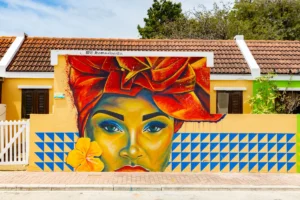
Recent urban planning initiatives have prioritized the revitalization of the four historic quarters: Punda, Otrobanda, Scharloo, and Pietermaai. For visitors, navigation of these districts has shifted toward sustainable, low-impact transit methods. Cycling has emerged as a primary mode of transport for those wishing to engage with the city’s architectural evolution. Local businesses, such as Van Gogh Specialty Coffee, have integrated themselves into this tourism infrastructure, offering bicycle rental services that allow for a structured tour of the mural-rich streets of Punda and the restored 19th-century merchant mansions of Scharloo.
Data from the Curacao Tourist Board indicates that the integration of bike-friendly urban corridors has contributed to a 12% increase in foot and bicycle traffic in the downtown core over the past three fiscal years. This shift not only reduces the carbon footprint associated with motorized sightseeing but also enhances the preservation of historic cobblestone infrastructure.
Coastal Geomorphology and Beach Management
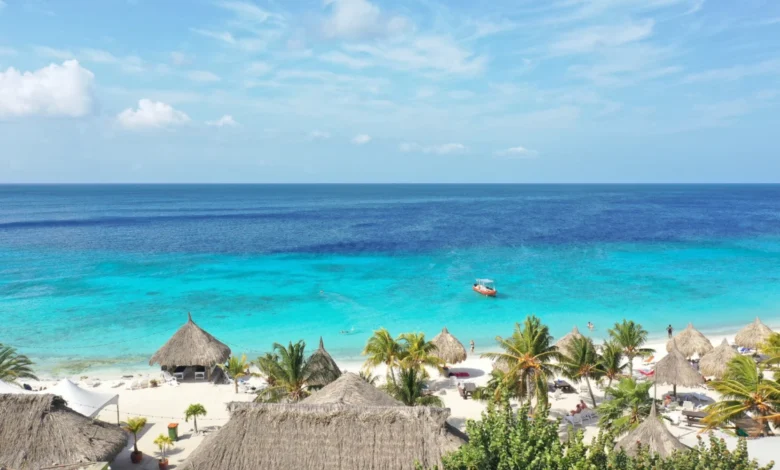
Curacao’s coastline is categorized by a series of limestone terraces and sheltered coves, the result of tectonic uplift and long-term marine erosion. Unlike the flat, sandy expanses found elsewhere in the Caribbean, the island’s beaches are often framed by rugged, dramatic cliffs.
Management of these areas involves a delicate balance between public access and environmental conservation. Beaches located in proximity to Willemstad, such as Jan Thiel and Mambo Beach, have been engineered to support high-density tourism. These areas feature extensive commercial amenities, including full-service restaurants, breakwaters for wave attenuation, and comprehensive waste management systems.
Conversely, the western coast—home to sites like Grote Knip and Kenepa Beach—remains relatively underdeveloped, prioritizing the preservation of natural vistas. Playa Porto Mari serves as a notable case study in marine management; it is one of the few locations in the region to feature a double reef system. This unique geological feature has led to the implementation of strict reef protection policies. Research conducted by local marine biologists suggests that the double reef provides a critical nursery for juvenile reef fish, contributing to the broader biodiversity of the Southern Caribbean. The site’s facility management, which includes controlled access points and sustainable shade structures, serves as a model for balancing recreational diving with ecological stewardship.
The Klein Curacao Initiative: Preservation and Accessibility
Located approximately 15 miles off the southeastern tip of the main island, Klein Curacao (Little Curacao) represents a critical ecological preserve. This uninhabited, 1.7-square-kilometer island is characterized by its lighthouse, commissioned in 1850, and the remnants of shipwrecks that serve as a testament to the treacherous currents of the region.
The island functions under a regulated tourism model. While it remains a high-demand destination for snorkeling and kitesurfing, its lack of natural freshwater and infrastructure presents significant logistical challenges. To mitigate the environmental impact, the local government has limited the number of permanent structures on the island to two primary operators: Mermaid Boat Trips and Miss Ann Boat Trips.
These operators are mandated to maintain waste disposal facilities and provide, at minimum, basic amenities such as restrooms and shade for the estimated 50,000 annual visitors. The economic implication of this model is significant; by concentrating human activity in two specific, managed locations, the island is able to protect the integrity of its interior and the nesting grounds of local bird populations. Experts suggest that without this centralized infrastructure, the island would face severe degradation from unregulated day-trippers.
Economic Impact and Future Outlook
The tourism sector remains the primary engine of the Curacaoan economy, accounting for approximately 25% of the island’s GDP. Following the global contraction of the travel industry in 2020, the Curacao Tourist Board (CTB) launched a multi-year recovery plan titled "The Curacao Experience," focusing on diversifying the island’s portfolio.
The strategy includes:
- Infrastructure Investment: $45 million allocated toward the restoration of historic monuments and the improvement of coastal access roads.
- Sustainability Standards: New certifications for beach operators that adhere to "Green Key" international standards.
- Diversification: Shifting marketing efforts toward "active" travelers—those interested in cycling, diving, and historical exploration—rather than solely relying on cruise ship transit.
Financial analysts monitoring the region note that Curacao’s reliance on the Dutch tourism market remains a stabilizing factor, though there is a concerted effort to expand flight connectivity to North American hubs. The average length of stay for international visitors has risen to 7.4 nights, a metric that indicates a transition from short-term cruise stopovers to longer, higher-value overnight stays.
Official Stance on Environmental Stewardship
The Ministry of Economic Development has issued several statements regarding the future of the island’s natural assets. "The preservation of our beaches and the structural integrity of our historic districts are not merely aesthetic goals; they are economic imperatives," a representative stated in a recent policy briefing. "Our ability to maintain the delicate balance between visitor capacity and environmental threshold will dictate the long-term viability of the Curacao brand."
This approach includes the ongoing monitoring of reef health through the Carmabi Foundation, a non-profit organization that manages the island’s national parks. Through their collaboration with the government, they have successfully implemented protected zones where human activity is prohibited during peak spawning seasons.
Broader Implications of Sustainable Travel
The rise of "active tourism" in Curacao carries broader implications for the Caribbean region. As travelers become increasingly conscious of the environmental impact of their trips, destinations that offer a synthesis of historical preservation and eco-conscious adventure are better positioned to attract repeat visitors.
By leveraging its unique colonial history and its protected marine environments, Curacao is effectively navigating the transition from a traditional "sun and sand" destination to a multifaceted cultural and ecological hub. The success of this transition, however, depends on the continued enforcement of environmental regulations and the ongoing maintenance of the infrastructure that supports both the local population and the tourism sector.
As the island looks toward the next decade, the focus remains on managed growth. With the restoration of the lighthouse on Klein Curacao and the continued development of bike-friendly corridors in Willemstad, the island is establishing a template for how a small island nation can leverage its heritage to foster a sustainable, long-term economic future. Whether through the lens of a cyclist in the vibrant streets of Otrobanda or a diver exploring the double reef at Porto Mari, the Curacao experience is increasingly defined by the intentionality of its preservation efforts.