The journey of a lifetime—and perhaps the most extraordinary human-powered expedition in modern history—has reached its final destination. On November 2, 2026, Karl Bushby, a 57-year-old former British paratrooper, officially concluded the Goliath Expedition, a nearly three-decade-long quest to walk around the world without utilizing any form of transport. The odyssey, which began on November 1, 1998, at the southern tip of South America, finally ended in his hometown of Hull, England, following a civic ceremony that marked the closing chapter of a 50,000-kilometer trek.
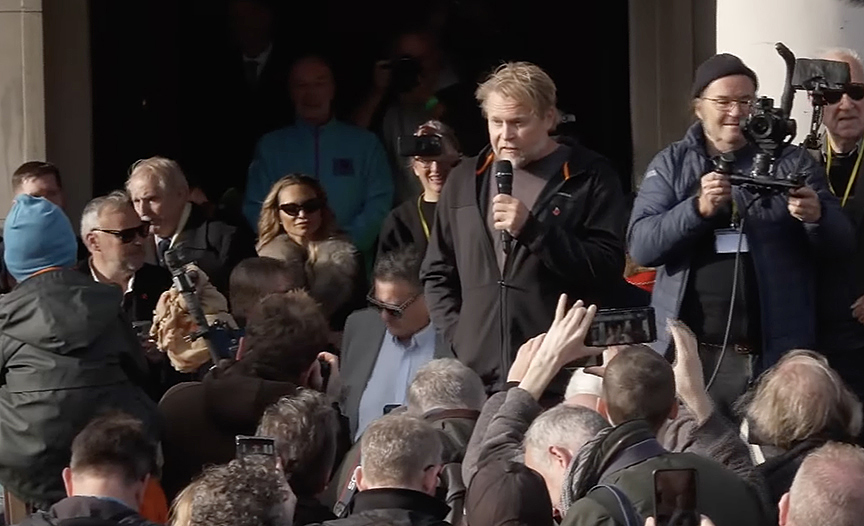
For Bushby, the homecoming was not merely a celebration of an athletic feat but a moment of profound, existential uncertainty. Standing before a crowd in Hull, the adventurer admitted that the completion of his life’s work brought a complex sense of displacement. Having spent 10,000 days navigating the globe, the transition from a nomadic, high-stakes existence to civilian life presents a psychological challenge that he acknowledges will be his most difficult transition yet.
The Genesis of the Goliath Expedition
The conceptual spark for the expedition occurred while Bushby was serving in the Parachute Regiment. Inspired by a story from his father, Keith, concerning a hypothetical military debate about the feasibility of walking from London to New York via the Bering Strait, Bushby began mapping a route. What started as a thought experiment quickly evolved into a fixed obsession. Bushby extended the hypothetical path southward through the Americas to the tip of Chile, creating a route that spanned continents and necessitated crossing one of the most dangerous maritime barriers on the planet.
Bushby established two immutable rules to govern the expedition: he would not use any form of motorized transportation to advance his progress, and he would not return to the United Kingdom until the journey was complete. These constraints, while simple in theory, became the source of immense logistical, legal, and personal hardship.
A Chronology of Endurance
The expedition can be broadly categorized into distinct geographical and political phases, each presenting unique perils:
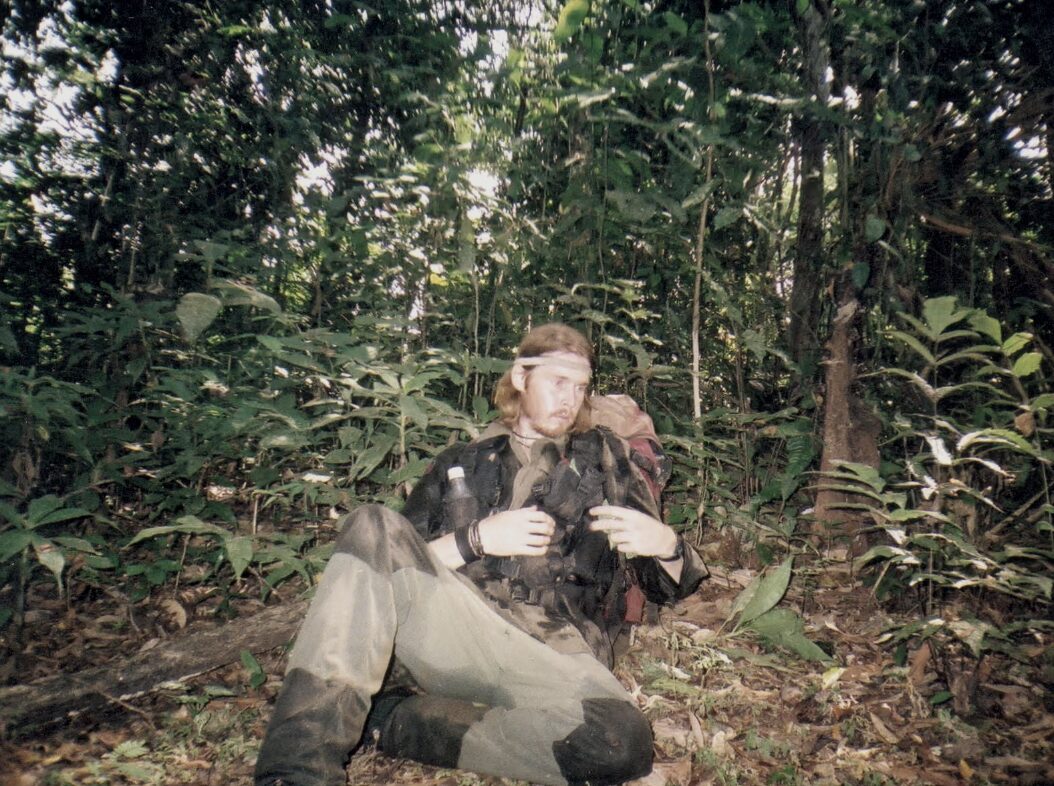
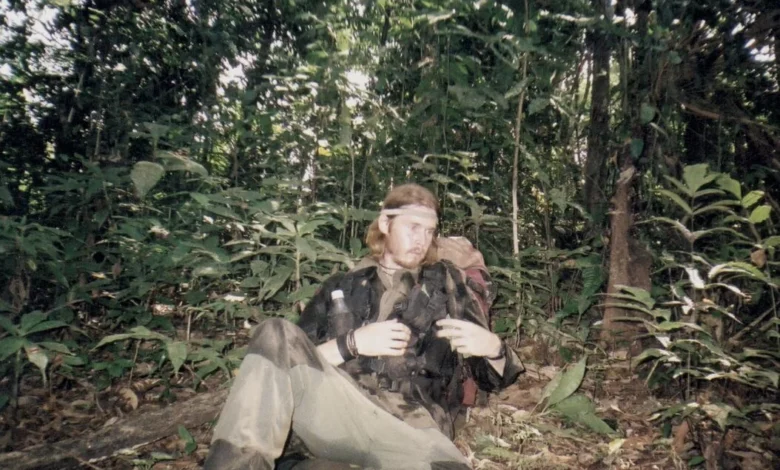
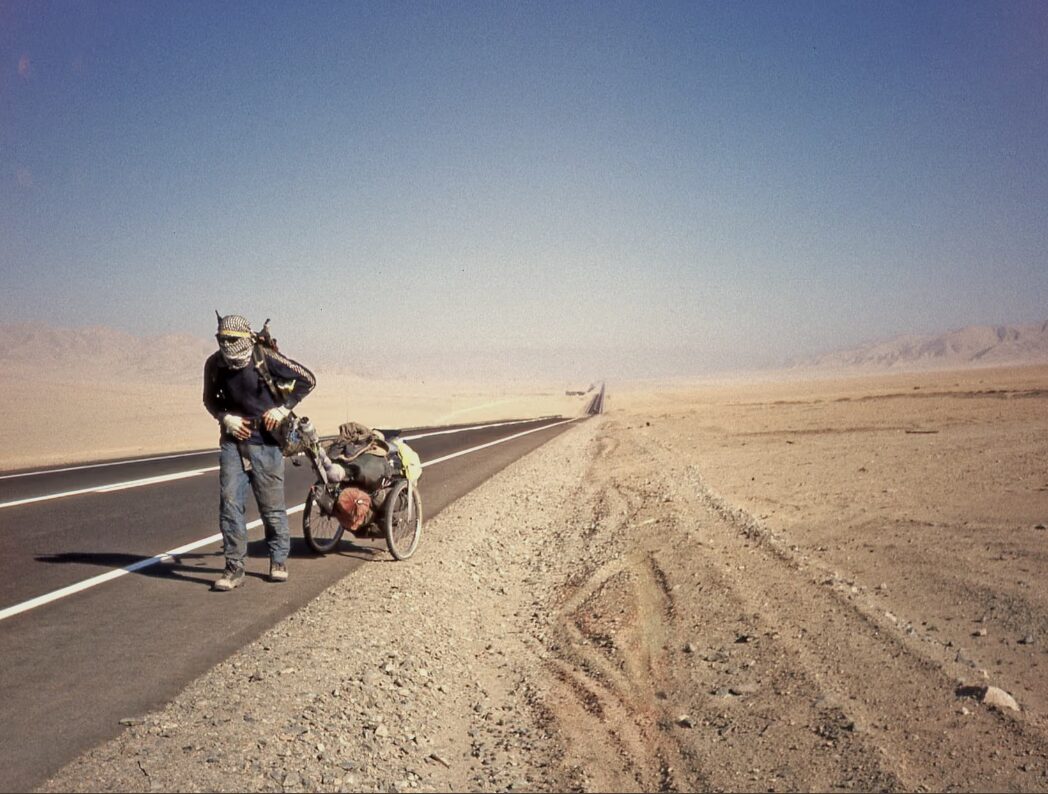
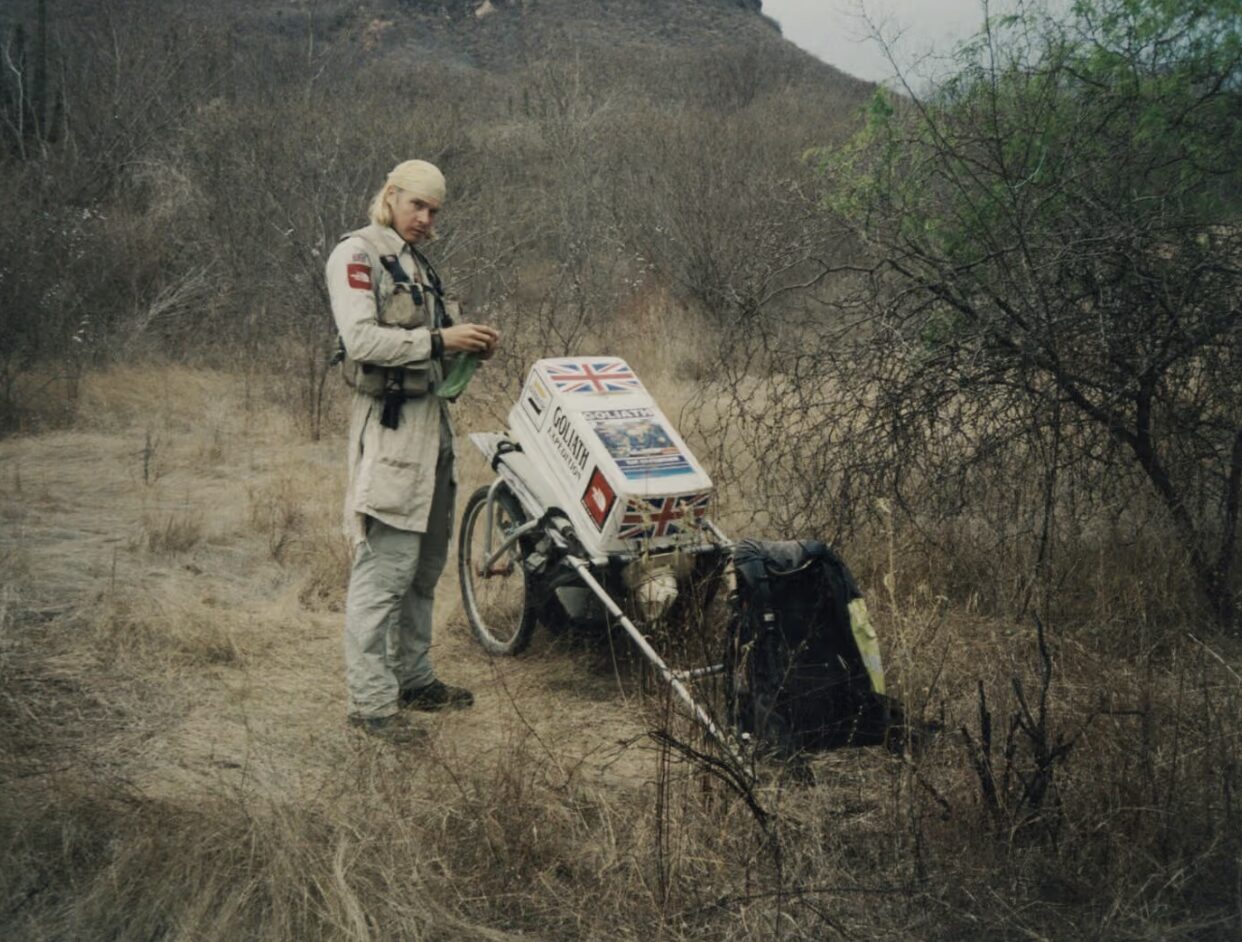
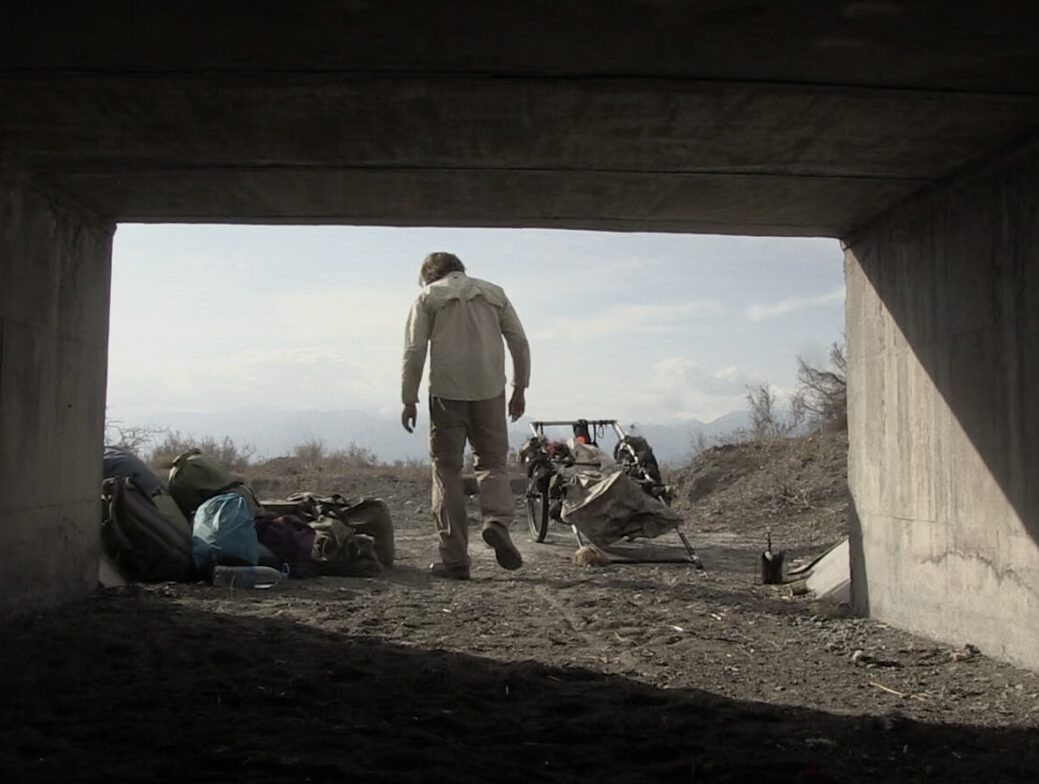
- 1998–2006 (The Americas): Bushby departed Punta Arenas, Chile, with his equipment loaded on a cart he dubbed "The Beast." This period saw him traverse the length of the Americas, facing hostile terrain, civil conflict in Colombia, and the notorious Darien Gap.
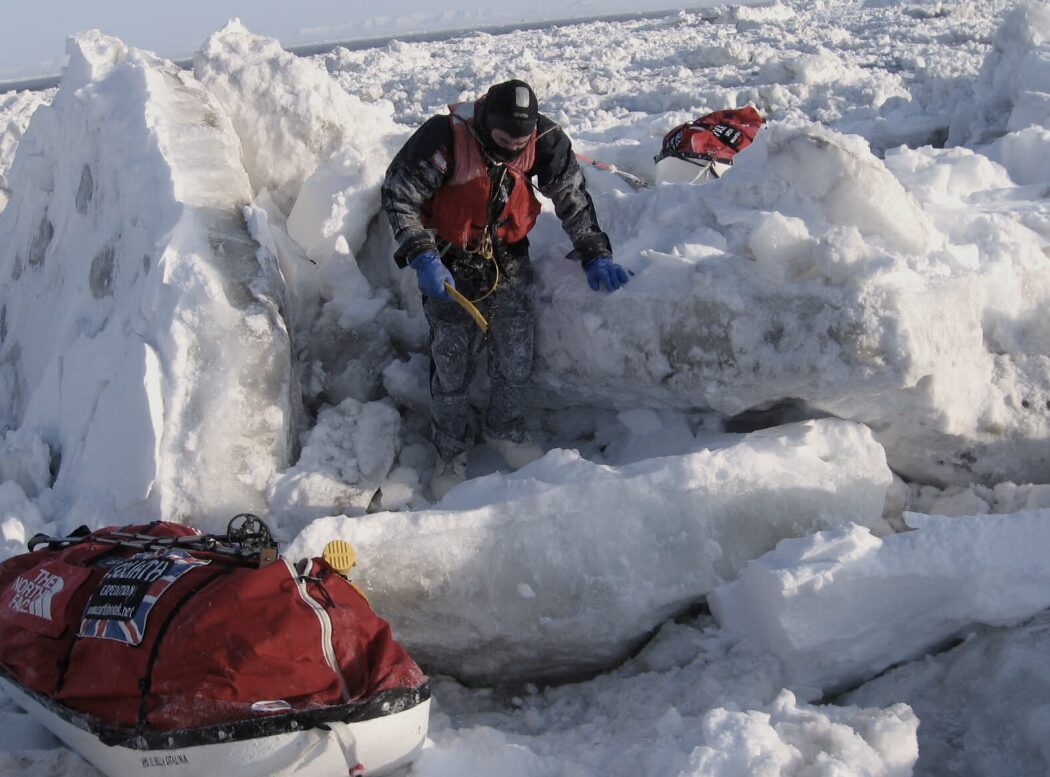
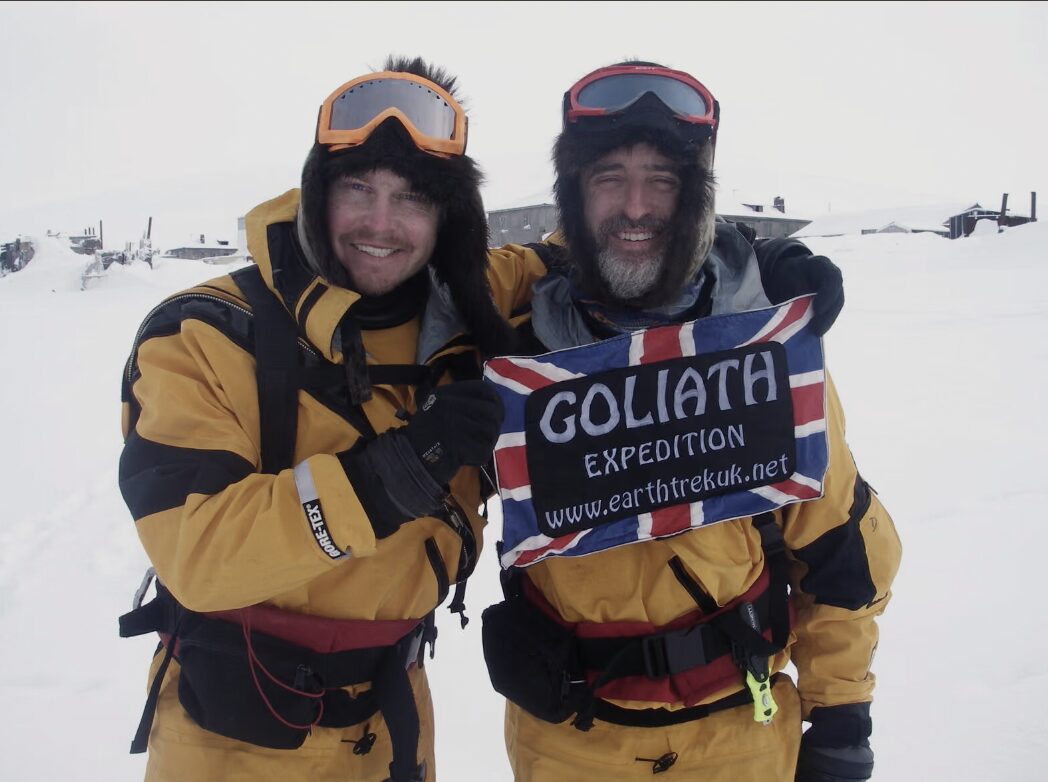
- 2006 (The Bering Strait): In March 2006, Bushby and French explorer Dimitri Kieffer successfully traversed the Bering Strait on foot. The 14-day crossing involved navigating shifting sea ice at temperatures as low as -30°C and required the pair to swim through icy, slush-filled channels in dry suits.
- 2008–2025 (The Russian and Central Asian Corridor): Following his entry into Russia, the expedition hit a bureaucratic wall. Visa restrictions, lack of funding, and geopolitical tensions led to a decade of intermittent progress. Bushby often had to leave Russia every 90 days to comply with visa regulations, returning to pick up his journey from the exact coordinate where he had paused.
- 2025 (The European Leg): On May 2, 2025, Bushby crossed the Bosphorus Bridge, signaling his arrival in Europe. The final segments involved traversing Turkey, Bulgaria, Romania, Hungary, Germany, Belgium, and France.
- 2026 (The English Channel and Homecoming): After being denied access to the Eurotunnel service tunnel, Bushby completed a grueling swim across the English Channel in October 2026. He arrived at Shakespeare Beach in Dover, finalizing the physical requirements of his journey before completing the final walk to Hull.
The Logistics of a "Walking" Expedition
A critical aspect of the Goliath Expedition was its commitment to the "no-transport" rule. When political or visa-related obstacles arose, Bushby was forced to pause his progress. During these gaps, he did not abandon the route; he would often relocate to countries with lower costs of living, such as Mexico, to wait for administrative hurdles to clear. He would then return to the precise point of departure to resume walking. This methodology was essential to maintaining the integrity of the expedition’s core premise: that he would not "cheat" the distance by flying over restricted zones or difficult terrain.
This approach was not without its critics, who questioned whether the use of temporary transit to reach a restart point violated the spirit of an "on-foot" journey. However, experts in long-distance exploration note that the sheer time and resource management required to navigate international bureaucracy for 28 years represents a feat of endurance equal to the physical walking itself.
The Personal and Human Cost
The duration of the expedition effectively encompassed an entire generation. When Bushby departed, his son, Adam, was eight years old. Adam is now 36, an adult with his own family, including a daughter whom Bushby has yet to meet. The separation created a profound emotional rift, characterized by long periods of digital-only communication and the occasional, brief reunion.
In recent interviews, Bushby has expressed a sobering realization regarding the life he left behind. The decision to prioritize the expedition meant missing the formative years of his son’s life and the decline of his parents’ health. He now faces the reality of moving into his mother’s home at the age of 57, a domestic transition that stands in stark contrast to the vast, open-ended freedom of his previous three decades.
Broader Impact and Public Reception
The fascination with Bushby’s journey lies in its accessibility. Unlike modern expeditions that rely on high-tech satellite tracking, corporate sponsorship, or complex scientific agendas, Bushby’s story is a primitive, human narrative: a man, a cart, and a goal to return home.
The social impact of his walk was amplified by the evolution of global communication. He began his journey in an era of paper maps and payphones and concluded it in the age of social media, where his progress could be monitored in real-time. This transition from a mysterious, isolated traveler to a digitally tracked public figure mirrors the changing nature of human exploration itself.
Implications and Future Outlook
As Bushby settles into a post-expedition life, he has expressed interest in transitioning into a career in education. During the later years of his journey, his talks in schools became a source of motivation and income. By sharing the lessons of his resilience, he hopes to find a new sense of purpose that replaces the singular, driving goal of the walk.
The implications of his journey are significant for the field of extreme endurance. Bushby’s ability to sustain his mission for 28 years suggests that the barriers to such expeditions are rarely physical; they are primarily bureaucratic, psychological, and financial. His successful return serves as a case study in long-term goal setting and the extreme personal trade-offs required to see a vision through to completion.
While he has achieved his stated goal, the psychological "re-entry" into society remains the final, unmapped hurdle. Bushby has noted that the only thing more daunting than failing to achieve a dream is the vacuum that follows its fulfillment. For now, the man who walked the world is resting in Hull, leaving behind the "The Beast" and the open road, and beginning the quiet, perhaps more challenging, work of being home.