Exclusive: A Year After Uproar, United & Especially AA Continue Charging Solo Flyers Higher Fares

The landscape of domestic air travel has undergone a quiet yet profound transformation regarding how major carriers price their inventories. Roughly a year after initial public disclosures revealed that top U.S. carriers were leveraging algorithmic adjustments to penalize solo and business passengers with disproportionately high ticket prices, new investigative findings indicate that the practice has not only persisted but expanded significantly. While widespread consumer backlash successfully forced an immediate retreat from several airlines last spring, subsequent market analysis proves that major network carriers have refined this revenue-maximization strategy, transforming a once-sporadic pricing anomaly into an entrenched industry practice.
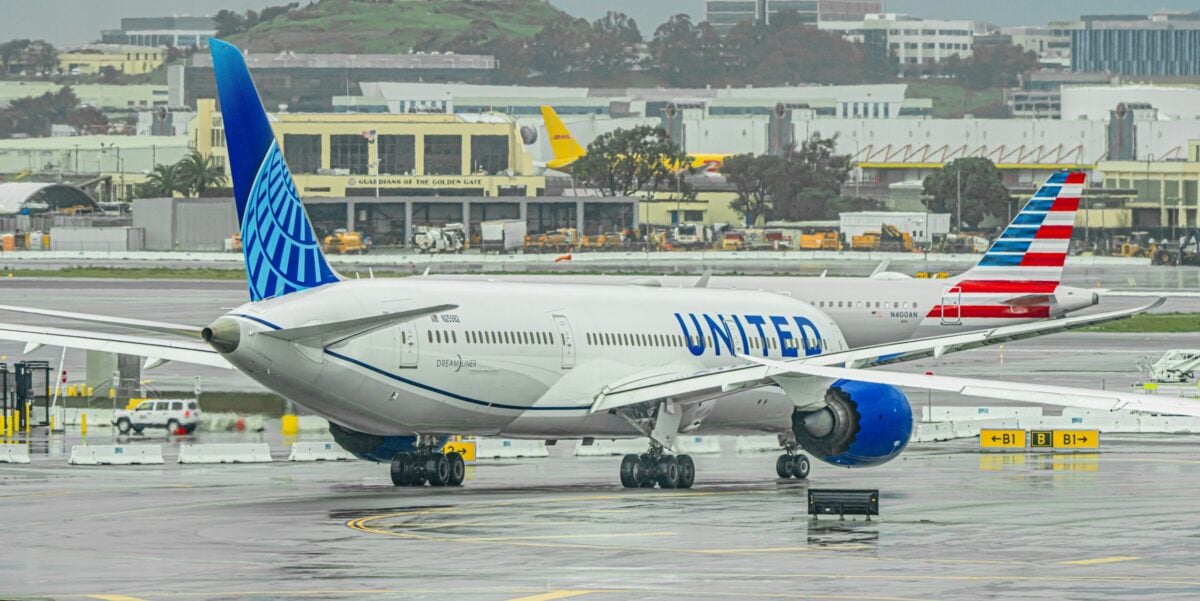
An extensive review conducted by airfare data analysts of 5,000 nonstop domestic one-way itineraries across the five largest U.S. carriers—comprising 1,000 randomly selected routes per airline scheduled over an 11-month horizon—reveals stark operational divergences. While carriers such as Delta Air Lines, Alaska Airlines, and Southwest Airlines abandoned the practice entirely following last year’s public relations fallout, American Airlines and United Airlines have quietly leaned into the mechanism. For single travelers navigating specific domestic corridors, the financial penalty for flying alone ranges from mildly inconvenient to profoundly egregious, compounding broader consumer frustrations amid a persistently high-cost travel environment.
A Detailed Look at the Modern Solo Travel Penalty
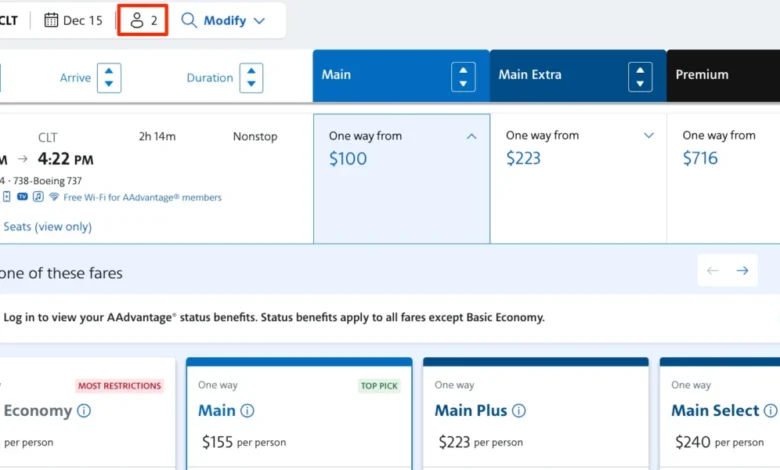
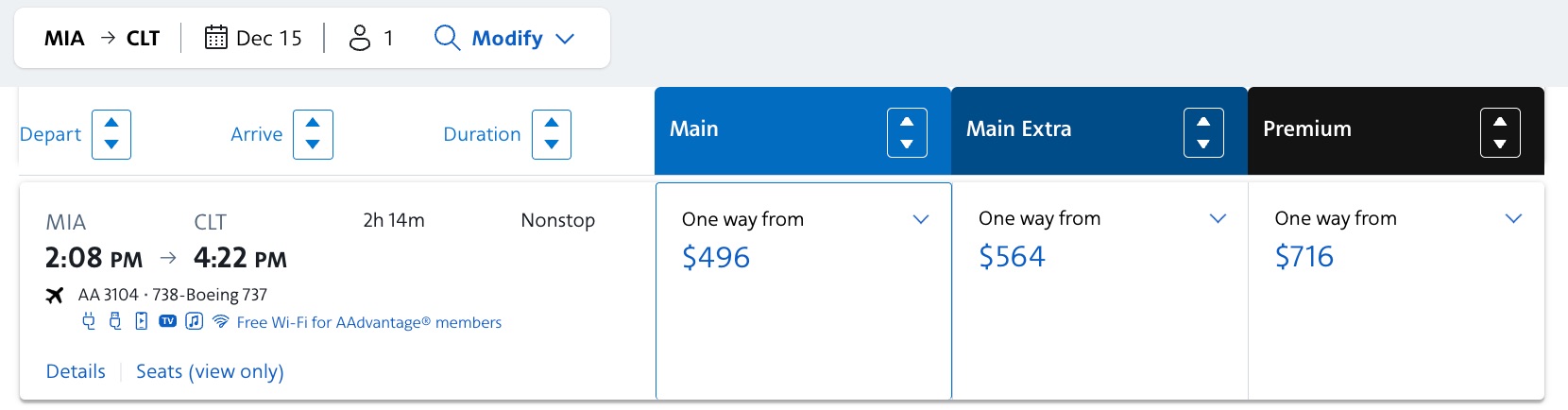
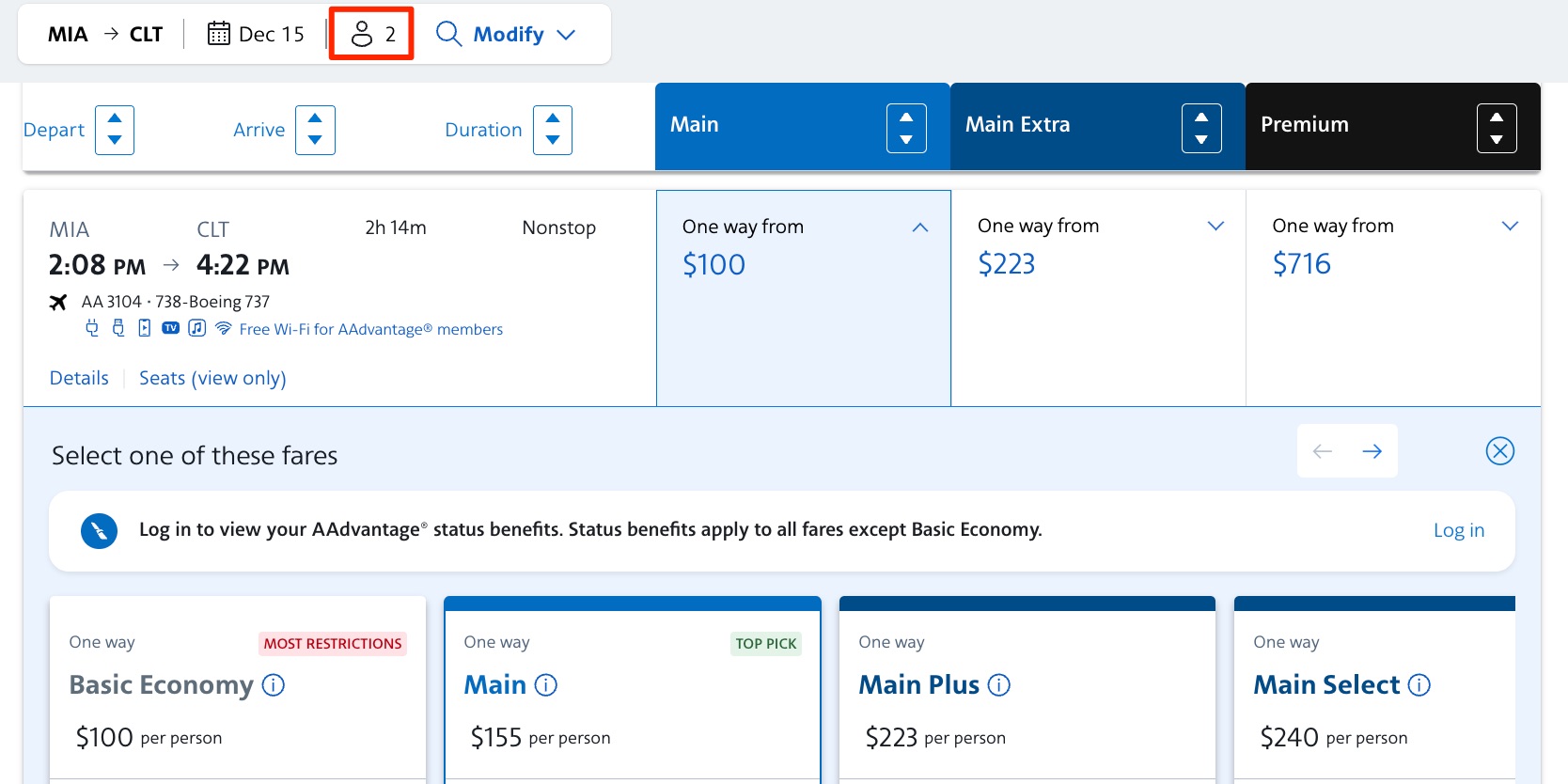
To understand the mechanics of the modern solo penalty, one must examine specific route disparities. For instance, a search for a single passenger booking a main cabin economy ticket on a nonstop American Airlines flight from Miami International Airport (MIA) to Charlotte Douglas International Airport (CLT) yields a fare of $496. However, adjusting the passenger count to two or more individuals on that exact same flight alters the economics entirely: the price per passenger drops precipitously to $155. Consequently, a group of three passengers can be booked onto the same aircraft for a total cost lower than what a single solo traveler is required to pay for one seat. Furthermore, searching for multiple passengers unlocks a basic economy fare of $100—an option entirely invisible to a user searching as an individual.
This pricing dichotomy is no longer strictly confined to simple one-way itineraries. Industry monitoring indicates that both American and United have begun applying companion-dependent pricing tiers to select domestic roundtrip routes, as well as short-term international flights touching Mexico and the Caribbean.
When approached for comment regarding these pricing discrepancies, American Airlines declined to provide a statement despite multiple inquiries throughout the week. United Airlines similarly declined to comment on its internal fare structures. This reticence aligns with the historically opaque nature of airline revenue management, where pricing architectures remain heavily guarded proprietary systems.
The Historical Chronology and Regulatory Scrutiny
The controversy surrounding individualized pricing structures began in earnest last spring when consumer advocates and specialized travel publications exposed that the nation’s largest airlines were systematically charging solo flyers higher fares than multi-passenger groups. The ensuing national media coverage triggered an immediate wave of consumer outrage, prompting rapid policy reversals across most of the industry. Delta Air Lines, which had briefly experimented with the tactic on select domestic routes, publicly rolled back the approach and vowed not to reinstate it.
Yet, as the dust settled, the underlying economic incentives for airlines remained intact. The persistence of these fares arrives at a precarious time for travelers grappling with elevated transportation costs. Driven in part by geopolitical disruptions, fuel shocks, and persistent inflation, domestic airfares remain significantly higher than pre-pandemic baselines, with certain routes doubling in price compared to previous years.
Simultaneously, the broader operational practices of commercial airlines are facing heightened regulatory scrutiny. Last year, lawmakers raised critical questions regarding Delta’s utilization of artificial intelligence to forecast and establish airfares, querying whether advanced algorithms were being deployed to execute personalized pricing based on individual consumer data. While Delta consistently denied these assertions, the federal regulatory landscape has grown increasingly aggressive.
The Federal Trade Commission (FTC) formally ordered major domestic carriers—including Delta, United, and JetBlue—alongside other large consumer-facing corporations, to submit detailed information regarding how consumer data is collected, managed, and utilized to determine pricing. Although direct evidence linking modern airline ticketing disparities to targeted surveillance pricing remains limited, the existence of structural solo penalties underscores the sophisticated segmentation tactics currently deployed by network carriers.
Decoding the Mechanics of Fare Classes and Accompaniment Rules
To the average consumer, airline pricing often resembles an impenetrable black box. Industry insiders frequently point out that airfares are determined not merely by seat availability in a generic cabin, but by a complex hierarchy of fare classes. Historically, standard industry mechanics dictated that as the lowest-priced inventory seats sold out, remaining seats defaulted to higher price tiers. Under this traditional model, booking multiple tickets simultaneously occasionally resulted in a higher average price per person if cheaper inventory buckets were exhausted.
The contemporary solo penalty completely inverts this logic. Rather than reflecting simple inventory depletion, these discrepancies are governed by strict fare rules embedded within computerized reservation systems. By accessing public global distribution systems via platforms such as the ITA Matrix, analysts can review the fine print governing specific fare basis codes.
Many of the discounted fares available to multi-passenger searches include explicit "accompaniment restrictions." These clauses dictate that a passenger booking under a specific fare class must be accompanied on all flight segments within the same compartment by at least one other adult. Because a solo traveler fails to meet this baseline requirement, search engines and airline booking portals automatically filter out the lower-priced fare class, leaving the single traveler with access only to a higher, unrestricted base fare.
Geographic Concentration: Hub Dominance and Market Power
A deeper analysis of the data collected from American Airlines and United Airlines reveals distinct patterns regarding where these fares are deployed. The implementation of solo penalties is far from random; it correlates strongly with market dominance and the absence of direct competition.
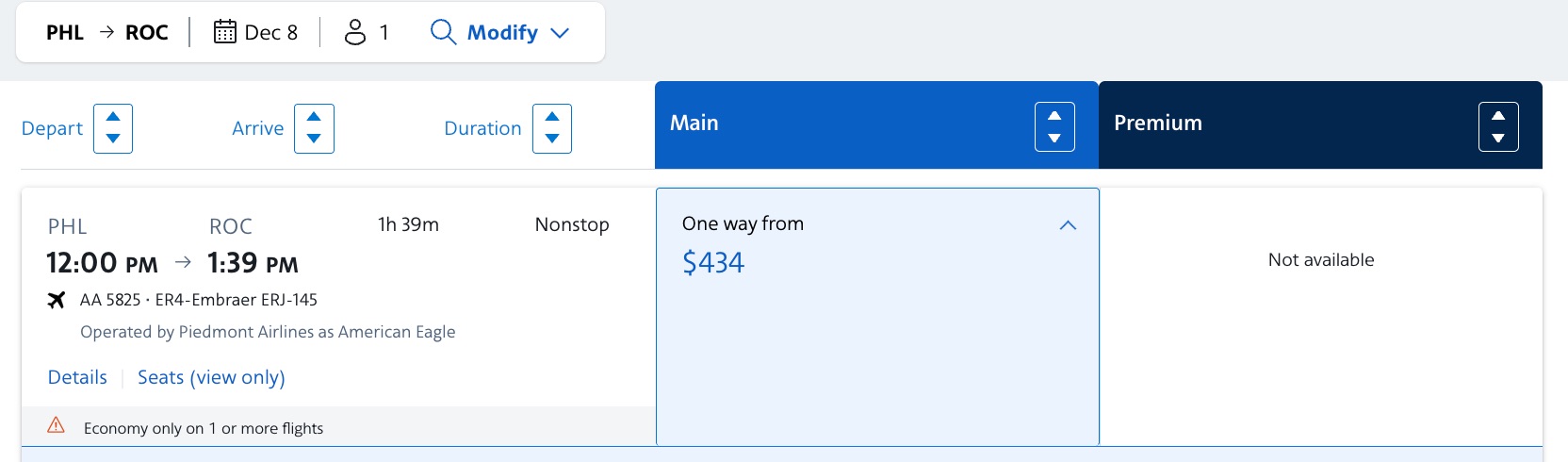
For American Airlines, while approximately one-third of the analyzed network flights featured higher solo rates, that concentration surged dramatically at the carrier’s primary operational hubs. On flights operating to and from Philadelphia International Airport (PHL), the incidence of solo-passenger penalties climbed to nearly 60 percent. For routes touching Charlotte Douglas International Airport (CLT), that figure reached 65 percent. Conversely, these pricing differentials were notably less prevalent at Dallas-Fort Worth International Airport (DFW), American’s largest and most fiercely contested hub.
This geographic distribution suggests that market power plays a decisive role. Airlines are significantly more likely to apply asymmetrical pricing on monopoly routes or thin regional corridors where they face little to no direct airline competition. In competitive markets where multiple carriers operate nonstop service on the same city pair, implementing a solo penalty risks driving price-sensitive business or individual travelers directly to rival airlines. In monopolistic hubs, however, carriers retain the pricing power to enforce such rules with minimal commercial risk.
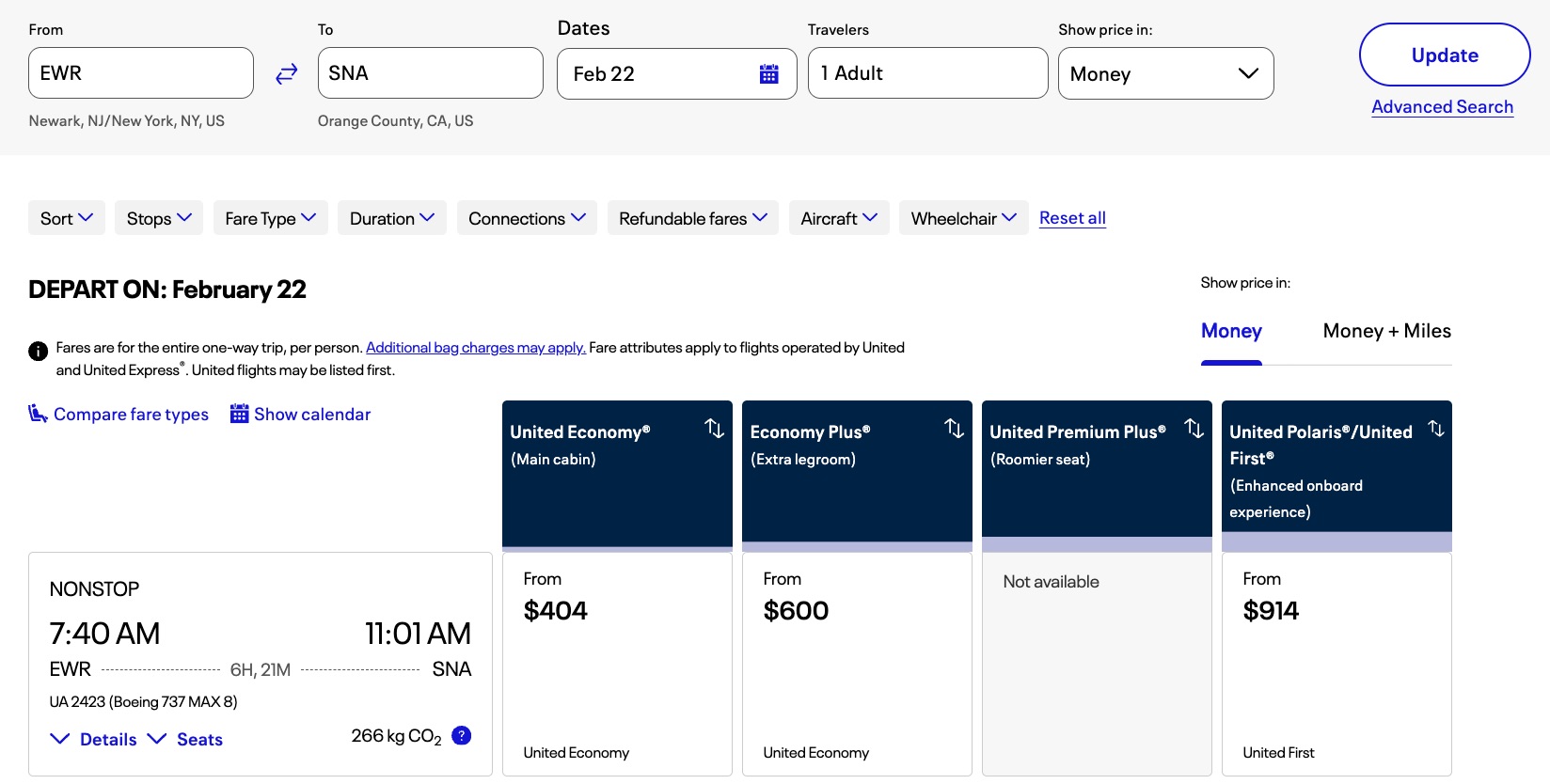
While United Airlines employs a similar structural approach, its application appears less widespread than American’s. Instances of solo penalties on United routes—such as a documented fare differential on flights between Newark Liberty International Airport (EWR) and John Wayne Airport (SNA) in Santa Ana, California—demonstrate that the practice exists within their network, yet it is deployed with greater selectivity.
Consumer Implications and the Modern Business Traveler
The persistence of the solo traveler tax carries significant financial ramifications across multiple demographics. While corporate travel departments often absorb incremental ticket costs on behalf of business employees traveling independently, a vast segment of solo flyers are absorbing these expenses out of pocket.
The assumption that solo flyers are invariably corporate travelers utilizing company funds fails to account for the diverse realities of modern travel. Independent vacationers, individuals visiting aging relatives, people navigating sudden family emergencies, and friends coordinating travel itineraries separately all find themselves subjected to the same algorithmic penalties. Furthermore, when travelers attempt to coordinate group trips by booking tickets individually to manage seating preferences or payment methods, they inadvertently expose themselves to inflated costs.
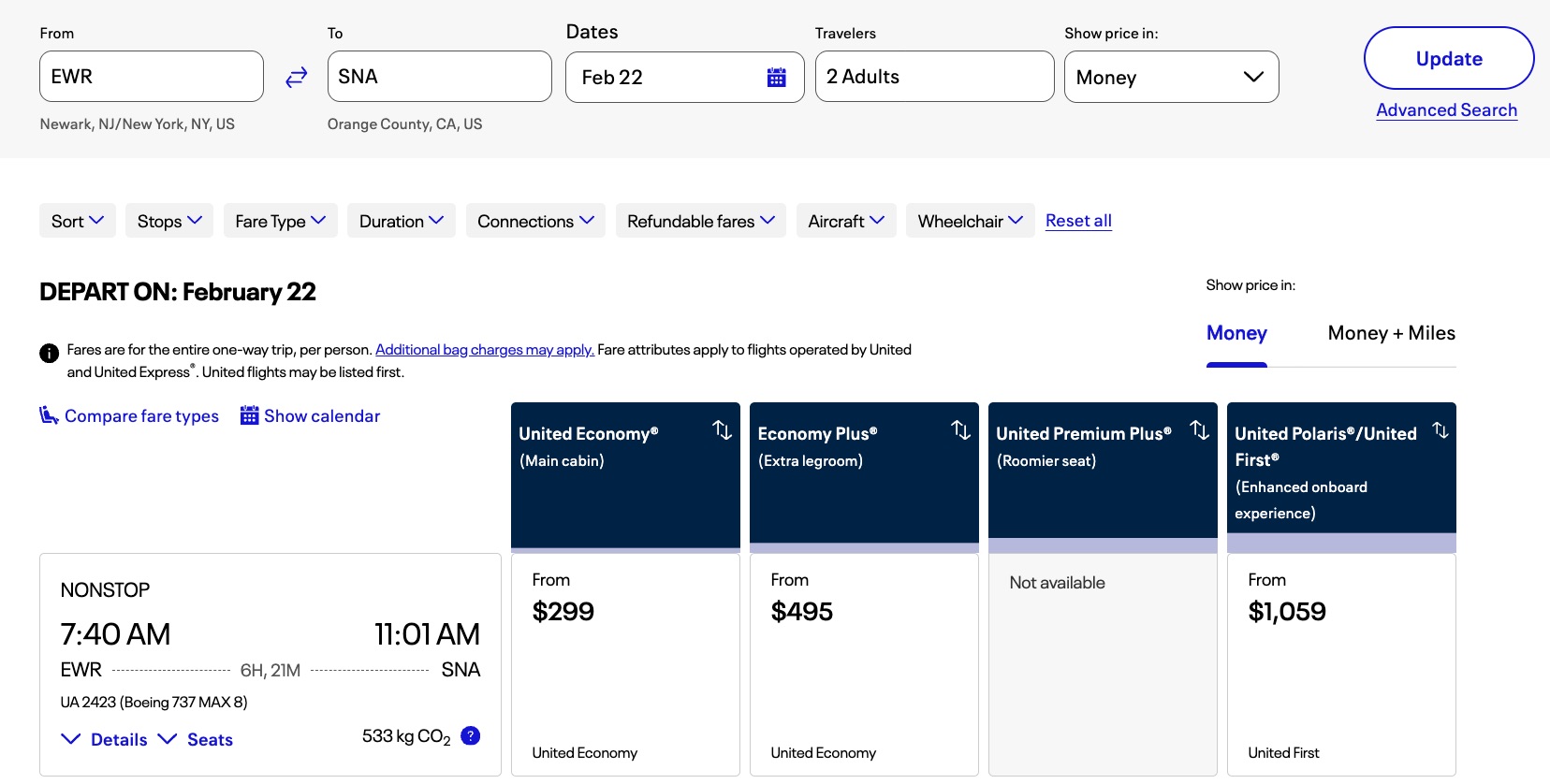
Industry observers and former airline executives have occasionally defended these structures by framing them as group discounts rather than punitive taxes. However, empirical analysis of booking trends challenges this framing. Data indicates that average fares for multi-passenger bookings on routes utilizing solo penalties are frequently higher when the penalty is active than when standard, uniform pricing applies across all passenger counts. If the mechanism were a true promotional discount designed to incentivize group travel, overall baseline pricing would remain stable or adjust downward consistently.
Outlook and Future Industry Trends
As the commercial aviation sector continues to lean heavily into data-driven revenue management, ancillary fee generation, and advanced segmentation, the "solo traveler tax" appears firmly entrenched. The expansion of basic economy cabins, tiered business classes, and dynamic pricing algorithms signals that airlines will continue searching for granular methods to extract maximum yield from every available seat.
For consumers navigating this environment, the implications are clear. Standard flight search engines may no longer present the absolute lowest available fare unless travelers perform comparative searches across multiple passenger counts. As regulatory bodies like the FTC maintain their focus on algorithmic pricing transparency, the broader debate over how airlines segment and monetize their passenger base is likely to intensify in the coming years. For now, however, the individual traveler must remain vigilant against a ticketing system that increasingly rewards collective booking while penalizing those who journey alone.