The Evolution of Spain’s Mariscadoras: How Galicia’s Shellfish Harvesters Transformed an Ancient Tradition into a Sustainable Modern Industry

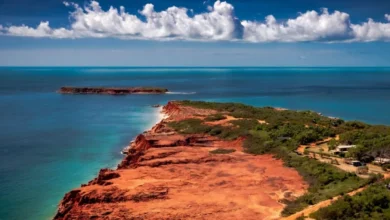
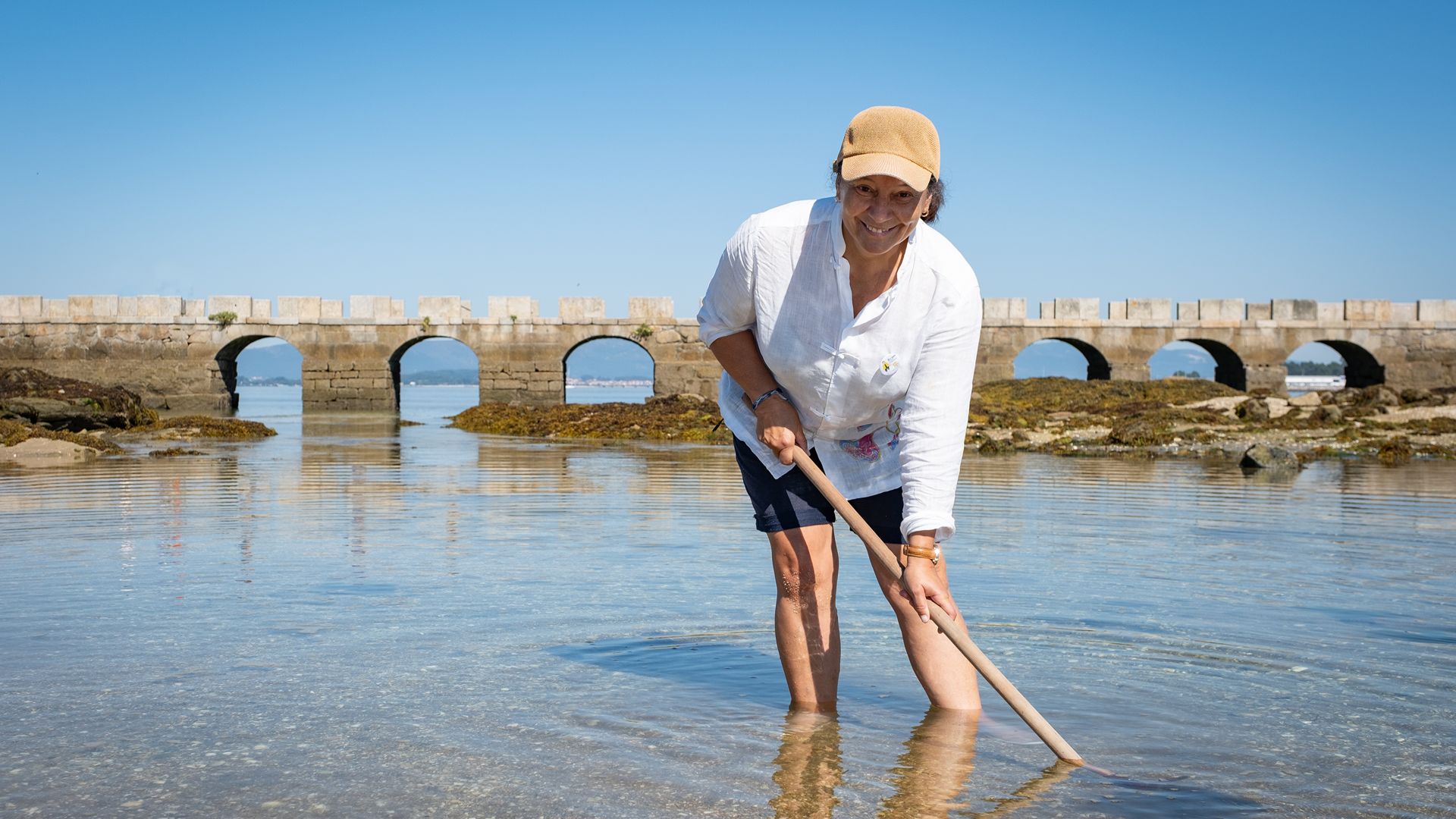
The picturesque coastal town of Cambados, situated along the rugged western shores of Galicia in northern Spain, presents a seascape characterized by millpond-calm waters, seaweed-fringed rocky outcrops, and a stone jetty extending toward the diminutive island of San Sadurnino. Beneath this tranquil surface lies a rigorous, centuries-old economic and cultural framework sustained almost entirely by women. Known locally as mariscadoras, these seasoned shellfish harvesters represent a unique intersection of ecological stewardship, gender equity, and culinary heritage. Their traditional labor has recently gained international visibility through its integration into specialized cultural tourism itineraries, such as Intrepid Travel’s Northern Spain Real Food Adventure, drawing renewed attention to a profession that has transitioned from marginalized subsistence labor to a regulated, professionalized industry.
Historical Context and the Evolution of the Mariscadoras
For centuries, coastal foraging in Galicia was defined by informality and economic hardship. While male members of fishing communities traditionally manned deep-sea vessels, women stayed closer to the shoreline to gather molluscs—primarily clams, cockles, and razor clams—to supplement household incomes and secure basic sustenance. This division of labor allowed women to balance harvesting schedules with domestic responsibilities, including childcare and household management.
Historically, the occupation was characterized by severe poverty and legal precarity. Veteran mariscadoras, such as 60-year-old Charo Oliveira-Dominguez, recount stories passed down through generations where female harvesters operated under harsh conditions, often working barefoot in woollen jerseys during winter months. Prior to late-20th-century regulatory reforms, the profession lacked formal recognition. Unregulated harvesting frequently triggered community tensions, resource depletion, and occasional legal conflicts with authorities over catch limits.
Regulatory Reform and Professionalization
A pivotal turning point occurred in the mid-1990s. Before 1995, shellfish gathering was largely classified as informal labor rather than a recognized trade. However, in 1996, the regional government of Galicia enacted sweeping reforms to professionalize and regulate the sector.
Under the modern framework, aspiring mariscadoras must obtain a formal, five-year cultivation license controlled by regional authorities. Licensees are required to undergo specialized training in intertidal zone management, marine biology, and sustainable harvesting practices. This formalization transformed the role of the harvester from an informal gatherer into an environmental steward tasked with maintaining marine biodiversity.

Today, approximately 200 women are licensed to cultivate and harvest in Cambados—a notable increase from historical figures, reflecting the renewed economic viability and social prestige of the profession. Across Galicia, 32 legally constituted mariscadora groups are represented within the Consejo Gallego de Pesca, a regional government advisory board. This institutional representation has secured standardized working conditions, structured remuneration, and legal protections.
The Economics of Coastal Foraging: From Beach to Market
Modern harvesting operations are meticulously timed according to lunar cycles, tidal movements, and commercial trading hours. Harvesters typically work approximately five hours a day, roughly 15 days a month, depending on environmental and market conditions.
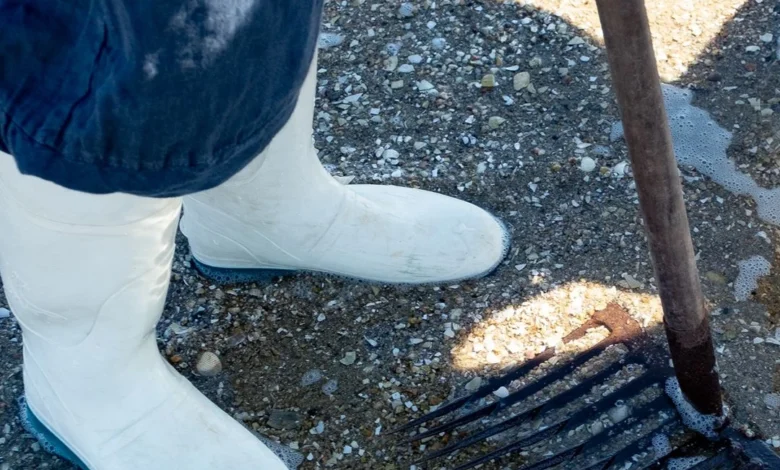
The mechanics of harvesting require specialized physical endurance. Armed with sharp-pronged rakes, harvesters wade into intertidal zones, pulling through sediment to unearth molluscs such as cockles, grooved-carpet shells, and Japonica clams. Strict conservation protocols dictate size minimums; for example, clams must measure at least four centimeters in length to ensure the individuals have reached reproductive maturity at least once before capture, thereby safeguarding population replenishment.

Once gathered, the catch undergoes a digitized tracking process. Each harvester is assigned a unique barcode affixed to collection tubs. The shellfish are transported to the local lonja (commercial market) for auction, and transactions are managed digitally via mobile applications, allowing harvesters to monitor daily earnings transparently.
Economic integration extends beyond fresh seafood markets to the region’s thriving artisan canning industry. Local facilities, such as the award-winning Real Espanola Conserva canning factory in Cambados, employ specialized workforces—also predominantly women—to process and preserve high-end seafood, including clams, sardines, and mussels, destined for domestic and international distribution.
Integration into Sustainable Tourism and Cultural Preservation
In 2004, the establishment of Guimatur—an organization founded by Cambados mariscadoras with partial funding from the European Union—marked a significant strategic shift toward marine tourism and educational outreach. Guimatur facilitates guided shoreline tours, allowing visitors to experience harvesting techniques firsthand and understand the ecological complexities of coastal management.

The inclusion of these experiences in structured travel programs, such as those offered by Intrepid Travel, serves a dual purpose: it diversifies income streams for local communities while fostering global awareness of sustainable food systems. Industry analysts note that community-based tourism initiatives of this scale contribute directly to the financial resilience of rural coastal economies, counteracting demographic decline by making traditional livelihoods more attractive to younger generations.
Implications for Marine Biodiversity and Nutrition
From an ecological perspective, the regulated management model employed by the mariscadoras has proven effective in mitigating the impacts of overfishing and climate variability. By actively managing seed placement, clearing predators from intertidal beds, and enforcing strict catch quotas, the harvesters function as frontline guardians of the Galician coastal ecosystem.
Nutritionally, the harvested molluscs are recognized for high concentrations of vitamin B12, iron, and essential minerals critical for metabolic health. Public health and agricultural specialists increasingly categorize sustainably harvested bivalves as a low-impact superfood that supports both human nutrition and marine ecological balance.

As regulatory frameworks continue to mature and global interest in traceable, locally sourced gastronomy grows, the mariscadoras of Galicia stand as a model for how indigenous coastal knowledge can be successfully integrated into modern, sustainable economies without sacrificing cultural heritage.