While the northern United States prepares for winter by shuttering campground gates and consigning gear to storage units, a distinct migration pattern emerges across the American South. From December through early spring, the region undergoes a meteorological flip, transforming landscapes that are otherwise inhospitable during the summer months into premier destinations for outdoor recreation. Desert parks that routinely endure triple-digit heat in July become temperate havens, while the persistent, high-humidity mosquito swarms of the Everglades recede, and the bustling tourist beaches of the Gulf Coast offer a rare, quiet serenity.
This shift in the calendar represents more than just a change in temperature; it is a fundamental reconfiguration of the seasonal travel economy. For birders, hikers, and off-grid enthusiasts, the winter months represent the "true" season for the South. However, the mild daytime conditions—often reminiscent of a crisp northern spring—frequently mask the inherent risks of cold-weather camping, leading to a recurring challenge for park rangers and emergency medical services: underprepared visitors who underestimate the sharp, localized drop in overnight temperatures.
The Dynamics of Southern Winter Climate
The defining characteristic of a southern winter is its volatility. While ambient temperatures during the day may climb into the comfortable 60s or 70s Fahrenheit, the transition after sunset is often dramatic, particularly in arid or high-altitude environments. Meteorologists note that in desert regions like West Texas, the lack of atmospheric moisture leads to rapid radiational cooling, where heat absorbed by the ground during the day escapes quickly into the atmosphere at night. Consequently, a campsite that feels balmy at 3:00 p.m. can reach near-freezing temperatures by 3:00 a.m.
This thermal gap is where many campers encounter the most significant safety risks. Hypothermia, often colloquially associated with snow and ice, remains a critical threat in the South. According to the Centers for Disease Control and Prevention (CDC), hypothermia can manifest at temperatures well above 40°F (4°C) if an individual becomes compromised by moisture—whether through rain, perspiration from an afternoon hike, or proximity to cold water. The physiological process is accelerated when damp clothing leaches heat away from the body 25 times faster than dry air.
Chronology of the Season and Peak Demand
The "Southern Camping Season" follows a rigid timeline dictated by both climate and public policy. The season effectively opens following the conclusion of the Atlantic hurricane season on November 30, which reduces the threat of major tropical weather systems along the coast. By early December, occupancy rates at state and national parks begin their ascent as "snowbirds"—travelers escaping the harsh northern winters—begin to arrive.
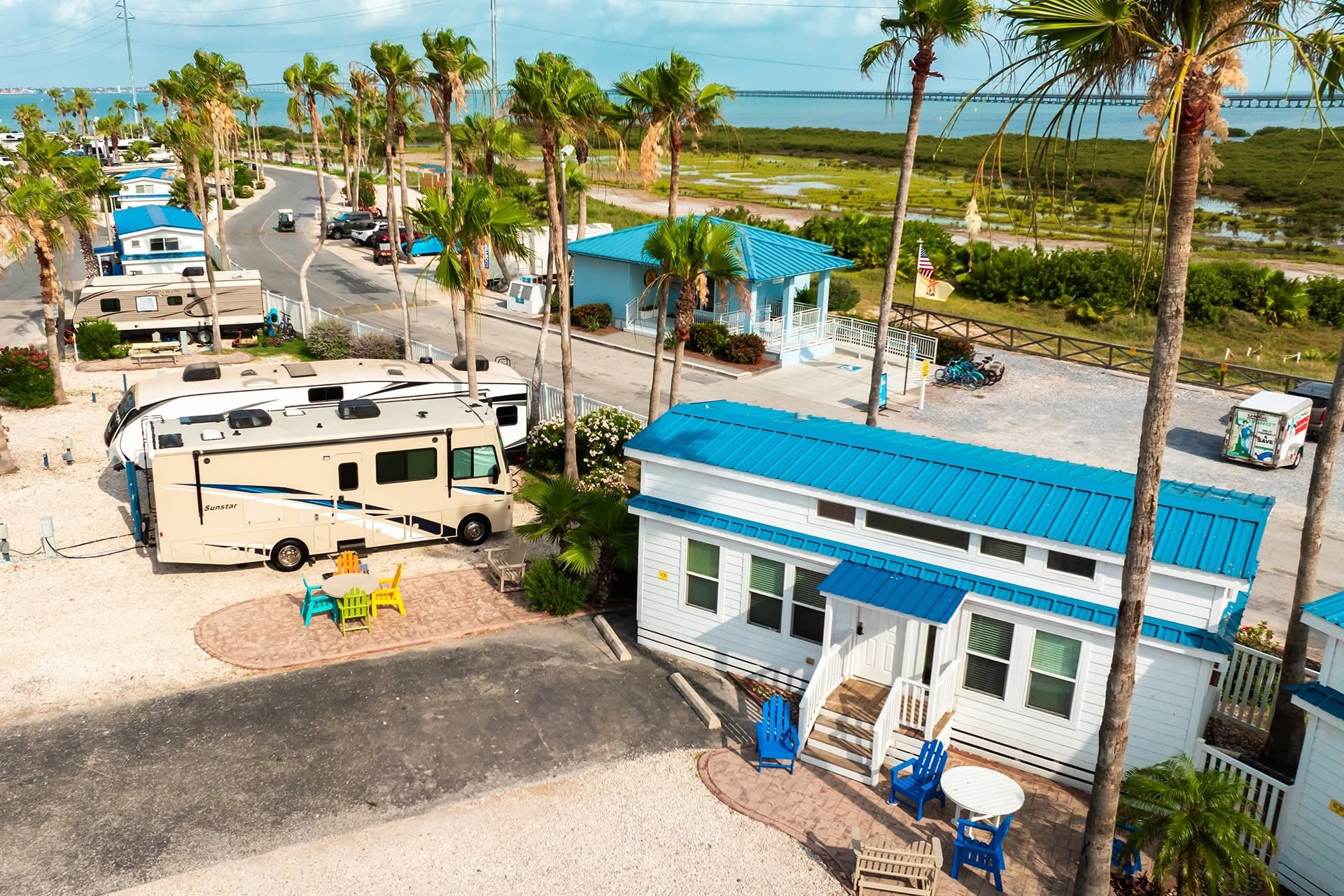
This influx creates a highly competitive reservation environment. Florida State Parks, for instance, operate on a tiered booking system that allows residents to secure sites up to 11 months in advance, with non-residents following at the 10-month mark. Data from the Florida Department of Environmental Protection suggests that peak weekend capacity during the winter months regularly hits 100% at popular coastal locations. Similarly, Big Bend Ranch State Park in Texas sees a surge in demand that necessitates advanced planning, particularly as park management limits vehicle traffic on sensitive desert roads to maintain ecological integrity.
Addressing Health and Safety Risks
Beyond the threat of hypothermia, the most pressing safety concern for park authorities involves the use of improper heating equipment. The Consumer Product Safety Commission (CPSC) has issued repeated warnings regarding the use of portable fuel-burning heaters and lanterns inside enclosed spaces, including tents, small campers, and vehicles.
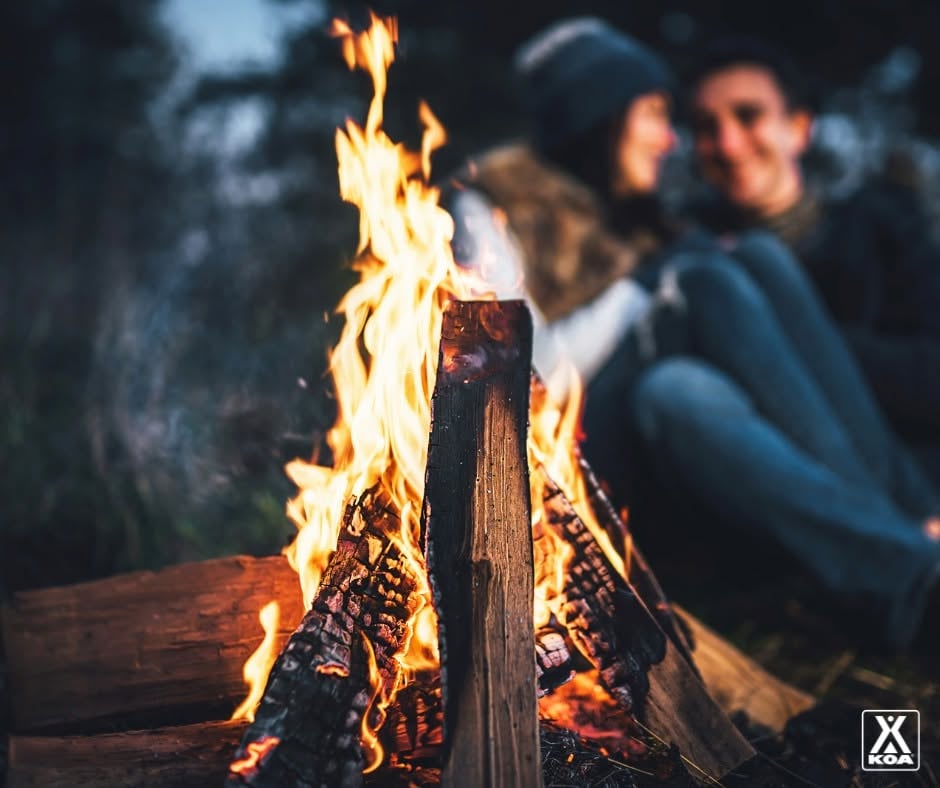
Carbon monoxide (CO) is a colorless, odorless byproduct of incomplete combustion. In an enclosed tent, even a small, "portable" heater can reach dangerous levels of CO in a matter of hours. Symptoms—including headache, dizziness, nausea, and confusion—are frequently misidentified by campers as common cold or flu symptoms, leading to delayed medical intervention. Professional advice from camping organizations and park services remains consistent: if the equipment is not specifically rated for internal use with adequate ventilation, it should never be used in an enclosed sleeping area. The safest path for campers is to invest in high-quality, cold-rated sleeping bags and modular clothing systems rather than relying on combustion-based heat.
Landscape-Specific Planning
Strategic planning requires categorizing the South into three distinct ecosystems, each with its own set of requirements:
- The Desert/Dark Sky Zones: Regions like Big Bend or the high desert of West Texas offer some of the darkest skies in North America. These locations are ideal for winter because they are practically inaccessible in the summer due to extreme heat. Campers must prioritize high-clearance or four-wheel-drive vehicles for remote access and ensure they carry sufficient water, as desert environments are notoriously dehydrating regardless of the temperature.
- The Wetland/Everglades Ecosystem: This region is the primary destination for wildlife enthusiasts. The winter "dry season" is essential for viewing migratory birds and reptiles that are otherwise elusive during the humid, bug-heavy summer months. Here, the primary concern is managing gear moisture and ensuring that footwear is appropriate for unpredictable, muddy terrain.
- The Coastal/Gulf Zones: The most forgiving of the three landscapes, the coast allows for a more relaxed approach to equipment. However, campers should be aware that the ocean proximity often brings high winds. Using high-quality guylines and wind-resistant tent stakes is essential for ensuring that shelters remain secure during winter cold fronts.
Implications for the Outdoor Industry and Park Management
The growing popularity of winter camping in the South has necessitated a shift in management strategy for state and national agencies. Many parks are moving toward digital-first reservation systems to prevent overcrowding and to ensure that visitors are properly educated on park-specific risks before they arrive. This move toward data-driven management helps maintain the trails and campsites, reducing the environmental impact that comes with year-round heavy foot traffic.
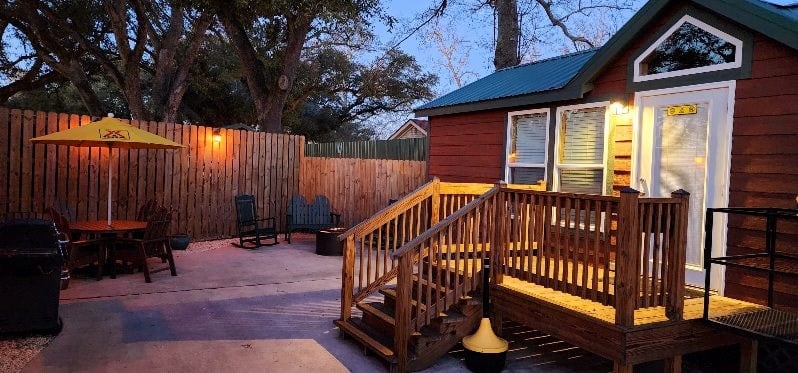
Furthermore, the private sector—exemplified by campground chains like KOA—has adapted by keeping facilities operational throughout the winter, providing amenities such as electricity, showers, and, in some cases, cabin rentals. These cabins serve as a vital safety net for families and inexperienced campers, offering a reliable, climate-controlled fallback if a sudden cold snap exceeds the insulation capacity of a tent.
Expert Recommendations for the Modern Camper
The prevailing advice for those looking to explore the South this winter is to adopt a "system-based" approach to gear.
- Layering Strategy: Utilize a moisture-wicking base layer, an insulating mid-layer (fleece or down), and a weather-resistant shell. Avoid cotton at all costs, as it retains moisture and loses its insulating properties.
- Destination Research: Always verify the overnight low for the specific park, not the nearest urban center. Altitude and geography can cause significant deviations from city-based weather forecasts.
- Logistics: The "11-month rule" in Florida and similar booking windows in Texas mean that spontaneity is increasingly difficult. Prospective travelers are encouraged to establish an account on their respective state park reservation portals and monitor availability daily at 8:00 a.m., when cancelled reservations are typically released back into the pool.
As the climate shifts and travelers seek to extend their outdoor season, the South stands as a critical asset in the American recreational landscape. By respecting the unique dangers of a "mild" winter—specifically the risks of hypothermia and carbon monoxide—campers can safely enjoy one of the most diverse and beautiful seasons the region has to offer. Success in these environments is not defined by the equipment one brings, but by the preparation and respect one shows for the inherent variability of the Southern climate.
Related posts: