The Evolution of Modern Exploration: Why Unplanned Detours Define the True Value of Travel

The modern tourism industry operates on an unprecedented level of predictive architecture. Armed with algorithmic itinerary builders, real-time translated menus, and months-in-advance timed-entry ticket reservations, contemporary travelers can virtually walk the streets of foreign cities long before boarding a flight. Industry analysts note that digital travel planning platforms have accelerated exponentially over the last decade, transforming spontaneity into a meticulously scheduled commodity. Yet, a retrospective look at global tourism trends and traveler psychology indicates that the most enduring and psychologically resonant memories are rarely born from rigid adherence to a master schedule. Instead, they consistently emerge from unplanned deviations, geographical anomalies, and the deliberate creation of unallocated time.
Background and the Rise of Algorithmic Tourism

To understand the current tension between rigid planning and spontaneous discovery, one must examine the evolution of travel logistics over the past twenty years. The widespread adoption of smartphone navigation apps, global mobile data connectivity, and hyper-targeted review aggregators has largely eliminated the traditional anxieties of the unknown. Travelers no longer face the prospect of arriving in an unfamiliar urban center without guaranteed lodging or missing landmark attractions due to sudden sell-outs.
However, travel behaviorists point out a distinct psychological trade-off. When every waking hour is accounted for through pre-booked slots and optimized GPS routes, the cognitive space required for serendipity vanishes. According to recent tourism studies, efficiency-driven travel models maximize the quantity of sights consumed per day while frequently diminishing the qualitative depth of those encounters. The friction of getting lost, once an inevitable and often enriching aspect of international travel, has been systematically engineered out of the modern vacation.
The Mechanics of the Unplanned Detour

Data compiled from travel satisfaction surveys consistently reveal that respondents overwhelmingly cite unscheduled moments—such as discovering an unlisted local market, accepting a dining recommendation from a stranger, or lingering in a public square—as the highlights of their journeys. These occurrences rely on what urban planners refer to as "slack space," or idle time built into a schedule that permits organic engagement with the local environment.
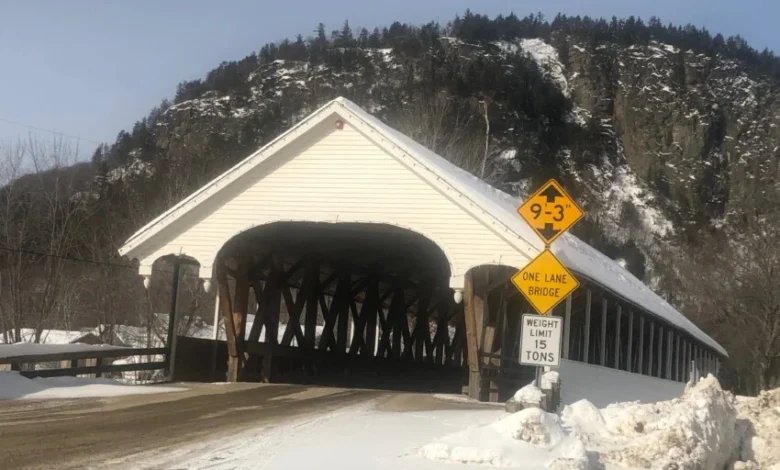
Geographical and transit choices heavily influence this phenomenon. The reliance on high-speed toll roads and algorithmic fastest-route navigation isolates travelers from the surrounding landscape. Conversely, secondary routes—such as California’s coastal Highway 1, rural thoroughfares winding through New England covered bridges, or agricultural backroads in provincial France—introduce physical and temporal friction that alters the pace of the journey. While these alternative paths do not guarantee extraordinary discoveries on every occasion, statistical observation shows they consistently increase exposure to regional culture, vernacular architecture, and local commerce outside major tourism hubs.
Packing Psychology and "What If" Syndrome

The psychological compulsion to control the travel experience extends far beyond itinerary management into personal logistics, notably luggage preparation. Travel economists and aviation consultants frequently study the economic and physical impacts of excess baggage. A psychological condition colloquially termed "what if" syndrome drives travelers to pack for entirely hypothetical scenarios rather than empirical realities.
Industry data indicates that excess luggage weight contributes significantly to airline baggage fees, physical fatigue, and reduced mobility during transit. Experienced travel consultants advocate for minimalist packing strategies tailored strictly to the climate and itinerary at hand, noting that reduced physical burdens directly correlate with increased flexibility and comfort on the ground.
The Integration of Travel Technology and Documentation

Technology remains a double-edged sword in the modern travel ecosystem. While route planners and booking engines streamline logistics, the emergence of wearable technology—including AI-enabled camera glasses and hands-free recording devices by manufacturers such as Meta and Oakley—has fundamentally shifted how individuals document their travels.
Market research into consumer electronics shows a rising demand for hands-free documentation tools designed for outdoor enthusiasts and urban explorers. Proponents argue these devices allow users to maintain physical engagement with their surroundings without the distraction of holding a smartphone or standalone camera. Conversely, digital anthropologists warn against "screen mediation," a phenomenon where the act of recording an experience supersedes the actual experience of living it.
Furthermore, privacy advocates and regulatory bodies, including the Federal Trade Commission (FTC), have issued explicit warnings regarding the data security implications of real-time digital sharing. Photographs uploaded directly from travel destinations often embed precise geolocation metadata, timestamps, and contextual clues regarding personal routines, potentially compromising user privacy and home security.

Culinary Tourism and Market Economics
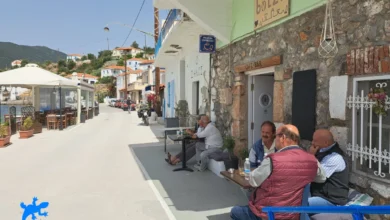
Beyond sightseeing and technology, culinary exploration serves as a primary vector for cultural immersion. Economists tracking tourism trends note a steady shift away from standardized dining toward experiential gastronomy. Local morning markets—whether seafood stalls in Barcelona, artisanal cheese operations in rural France, or community hubs throughout Southeast Asia—offer direct insight into regional supply chains, agricultural history, and domestic traditions.
Culinary sociologists suggest that venturing beyond tourist-centric dining districts to patronize family-run establishments frequented by residents yields a more accurate representation of regional culture. Rather than relying on translated menus and online ratings, delegating food choices to local proprietors introduces an element of culinary trust that frequently results in deeply authentic cultural exchanges.

Safety, Preparation, and the Framework for Serendipity
Embracing spontaneity does not negate the necessity of foundational preparation. Public safety organizations, including the National Park Service, emphasize that comprehensive trip planning—such as downloading offline maps, reviewing meteorological forecasts, and verifying transportation timetables—remains essential, particularly when navigating remote wilderness or challenging outdoor environments.
The objective of modern travel preparation, therefore, is risk mitigation rather than total behavioral control. By securing fundamental logistical elements in advance, travelers establish a safety net that affords them the psychological and temporal freedom to abandon the itinerary when unexpected opportunities arise.

Implications for Future Travelers
As the global tourism sector continues to adapt to hyper-connectivity and automated planning tools, the value of unscripted exploration is becoming increasingly apparent. Industry analysts suggest that future travel trends may see a resurgence in slow travel, decentralized itineraries, and off-grid tourism designed specifically to counteract the fatigue of over-optimized schedules.
Ultimately, the most enduring travel narratives are forged in the spaces between destinations—in delayed departures, accidental wrong turns, and prolonged conversations in local cafes. By intentionally introducing flexibility into itineraries, limiting digital mediation, and prioritizing genuine local engagement over checklist completion, travelers can reclaim the transformative potential of the journey itself.
Related posts: