Mastering the Art of Pasta in the Heart of Florence A Culinary Immersion in Sant Ambrogio

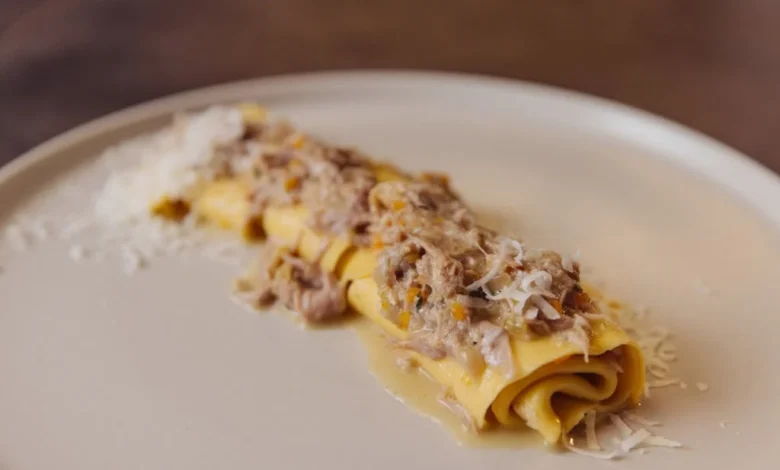
The culinary tradition of Florence is often viewed through the lens of its historic trattorias and Renaissance-era architecture, yet a growing movement of experiential tourism is shifting the focus from the consumer to the creator. In the vibrant Sant’Ambrogio neighborhood, a specialized culinary instruction program—Pasta Class Florence—has emerged as a focal point for travelers seeking a granular understanding of Italian gastronomy. By emphasizing the tactile process of traditional pasta making, the curriculum serves as both a cultural bridge and a technical workshop, reflecting a broader trend in European travel: the transition from passive observation to active skill acquisition.
The Historical and Cultural Framework of Sfoglia
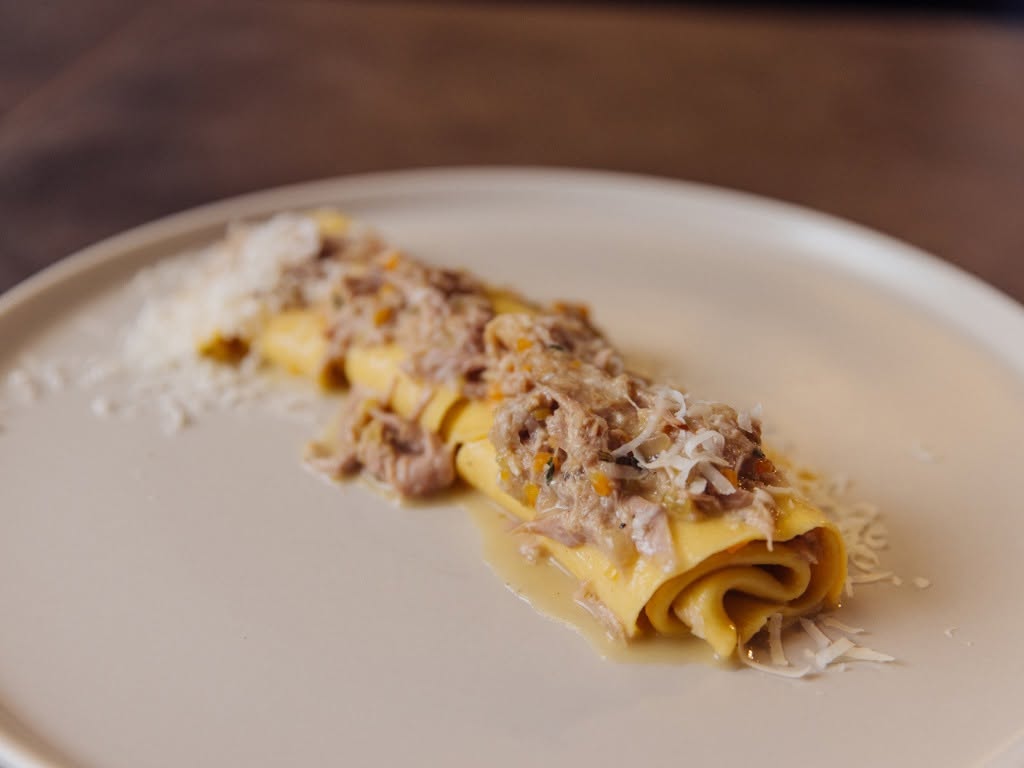
To understand the significance of this class, one must first recognize the lineage of the sfoglia, or the hand-rolled egg pasta sheet. This technique, while iconic to Italy, finds its spiritual home in the Emilia-Romagna region, located just north of Tuscany. Historically, the production of fresh egg pasta was a domestic labor that defined the social and economic rhythms of the household.
The sfoglia requires only two primary ingredients—flour and eggs—yet the mastery of their ratio, hydration, and elasticity is a pursuit that often takes years to refine. The methodology taught at the Sant’Ambrogio facility adheres to these ancestral standards. By employing instructors who are Michelin-trained but steeped in traditional home-cooking practices, the program bridges the gap between high-end culinary precision and the rustic, communal values of Italian food culture. This dual approach ensures that participants are not merely following a modern recipe but are engaging with a historical method that has been passed down through generations.
Chronology of the Culinary Experience
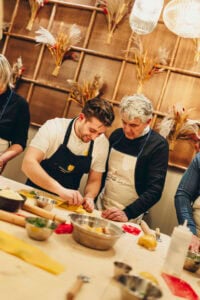
The structure of the three-hour session is designed to mirror the workflow of a professional kitchen while maintaining an accessible pace for the amateur enthusiast. The experience generally follows a strictly timed progression:
- The Introduction (0–30 minutes): Participants arrive at a climate-controlled environment, a necessary feature given Florence’s Mediterranean climate, which can reach high temperatures that negatively affect dough consistency. This phase includes the initial briefing on ingredients, the history of the regional flour, and the introduction of participants, fostering a sense of community.
- Dough Development (30–90 minutes): This is the core technical phase. Participants form the classic "well" in the flour, crack eggs, and incorporate them into the mixture. The instructor’s role during this period is critical; they provide tactile feedback to help students identify the exact moment the gluten network is sufficiently developed. This stage is indicative of the "learning by doing" pedagogical model.
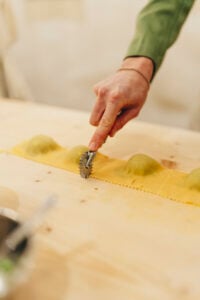
- Shaping and Texturing (90–150 minutes): The class divides into the creation of long-form pasta (tagliatelle and tagliolini) and filled pasta (agnolotti and tortelli). This stage tests spatial awareness and motor skills. The "raining pasta" phenomenon, where correctly cut tagliatelle ribbons fall away from the knife, serves as the technical benchmark for the student’s progress.
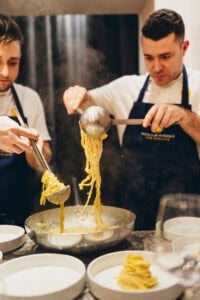
- Culinary Synthesis (150–180 minutes): The final segment involves the communal preparation of three distinct sauces: a slow-simmered ragù, a garlic-infused chili oil, and a traditional brown butter and sage emulsion. The session concludes with a group meal, integrating the prepared dishes with regional Tuscan wines.
Economic and Logistical Data
For the prospective attendee, the logistics are calibrated to provide a high-value experience that integrates seamlessly with a broader Florentine itinerary. As of October 2026, the standard tuition is €110 per adult and €90 per child under 12. For those seeking a deeper cultural dive, the optional Market Tour and Pasta Cooking Class—a four-hour comprehensive program—is priced at €150 per adult and €100 per child.

The choice of the Sant’Ambrogio neighborhood is not incidental. While the Mercato Centrale has become a primary hub for international tourism, the Mercato di Sant’Ambrogio, established in 1873, remains a localized institution. It provides an authentic glimpse into the daily procurement habits of Florentine residents. The market operates Monday through Saturday, 7:00 am to 2:00 pm, necessitating that tours be scheduled in the morning to maximize the educational value of the visit.
Professional Perspectives and Technical Nuance
The instructional philosophy behind these sessions centers on the concept of "intuitive cooking." Lead chefs emphasize that a recipe provides the framework, but the physical properties of the dough provide the instructions. For instance, the difference between tagliatelle and tagliolini—while seemingly trivial—is a significant pedagogical exercise. Because tagliolini are cut significantly narrower, they possess less structural tolerance for uneven rolling. This forces the student to analyze their own mechanical output, providing an immediate, quantifiable measure of their improvement.
According to anecdotal reports from program organizers, the most common feedback from participants centers on the "click" moment—the realization that they can discern the readiness of the dough through touch alone. This shift from reliance on external instructions to internal sensory perception is the hallmark of the culinary education provided in these settings.
Broader Implications for Culinary Tourism
The success of these programs in Florence highlights a significant shift in the tourism sector. Visitors are increasingly seeking "transformative experiences" rather than traditional sightseeing. By participating in the labor-intensive process of creating handmade pasta, travelers are engaging in a form of cultural preservation. They are not just consuming a product; they are learning a craft that is at risk of being replaced by industrial alternatives.
Furthermore, the social structure of the class—facilitating interaction between solo travelers, families, and groups—serves to mitigate the isolation often associated with modern travel. The shared act of preparing a meal acts as an icebreaker, and the resulting community at the table often leads to further recommendations for regional dining, creating an informal network of information exchange that extends the value of the experience beyond the classroom walls.
Practical Considerations for Participants
- Accessibility: The classes are designed to accommodate a diverse range of skill levels, from complete novices to those with prior culinary experience. The instructor-to-student ratio is kept low to ensure individual attention.
- Dietary Flexibility: Recognizing the international profile of the attendees, the program offers vegetarian alternatives, though the core curriculum remains focused on the traditional egg-and-flour dough.
- Scheduling: Classes are available in both afternoon and evening time slots, allowing flexibility for visitors balancing multiple tour commitments.
- The Market Connection: It is highly recommended that travelers opt for the version of the class that includes a market tour. This provides essential context for the ingredients used in the class, emphasizing the importance of seasonality—such as the influx of porcini mushrooms and new olive oil during the autumn months of October and November.
Conclusion
The resurgence of traditional pasta making in Florence is more than a recreational activity; it is a vital link to the heritage of the Italian kitchen. By stripping away the pre-packaged convenience of the modern food industry and returning to the fundamental relationship between human hands, flour, and eggs, these classes provide an essential service. They equip travelers with a tangible, portable skill while providing a deeper understanding of the socio-economic and historical conditions that shaped the cuisine of Tuscany and its neighbors. As Florence continues to evolve as a global travel destination, these immersive culinary experiences ensure that the legacy of the sfoglia remains a living, breathing component of the city’s identity.