Unearthing the Dark Roots of Switzerland: From Historic Witch Trials to Modern Memorials

Beneath Switzerland’s pristine Alpine landscapes, postcard-perfect villages, and world-renowned chocolate-making traditions lies a complex and often overlooked history: the nation was home to one of the most prolonged and intensive witch-hunting movements in European history. For over three and a half centuries, Swiss cantons waged a relentless campaign against alleged sorcery, executing thousands of individuals. Today, this sobering legacy is preserved through striking cultural institutions and light-hearted regional festivals that juxtapose historical tragedy with modern folklore.

The Shifting Shadows of Ennenda
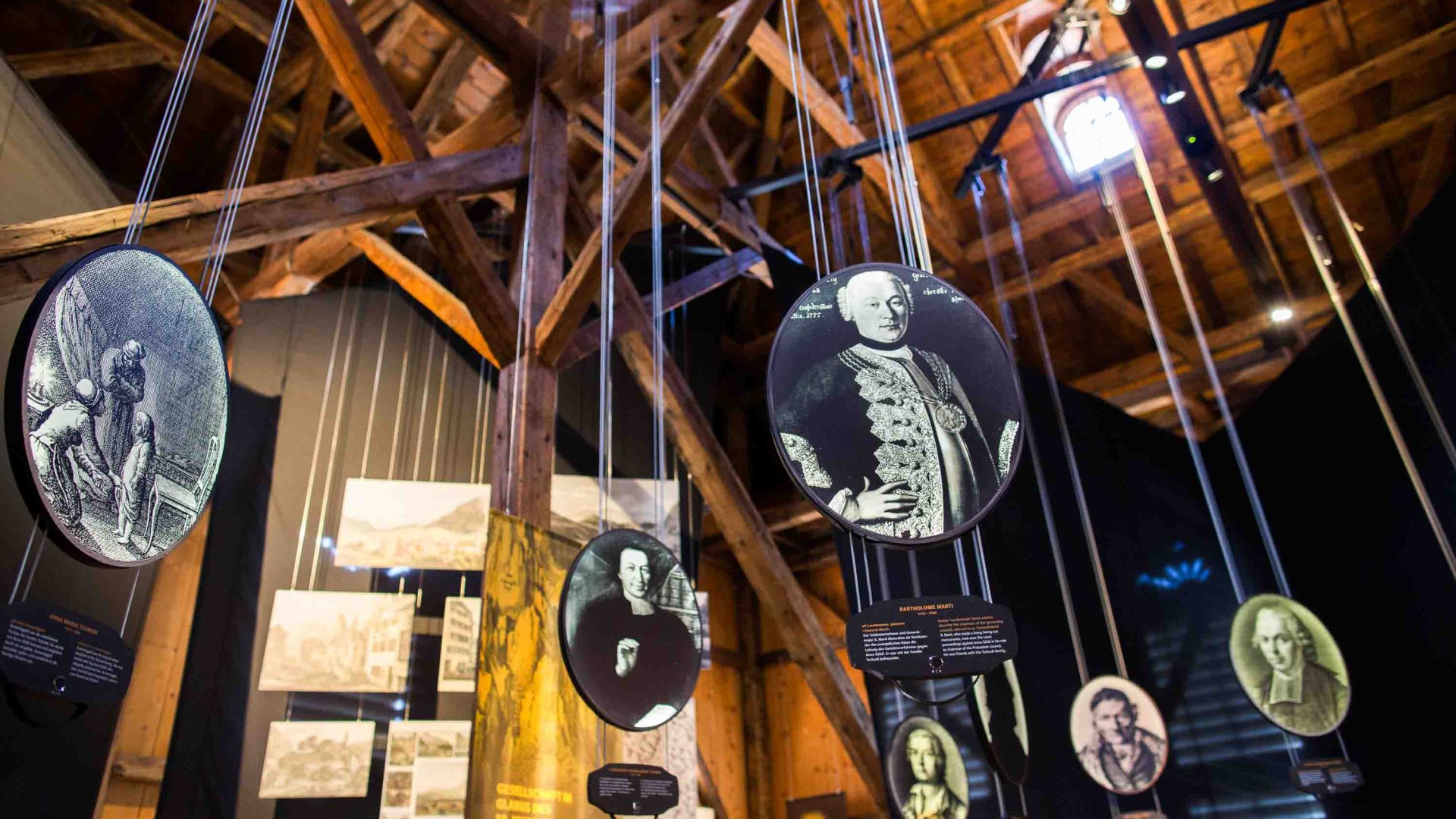
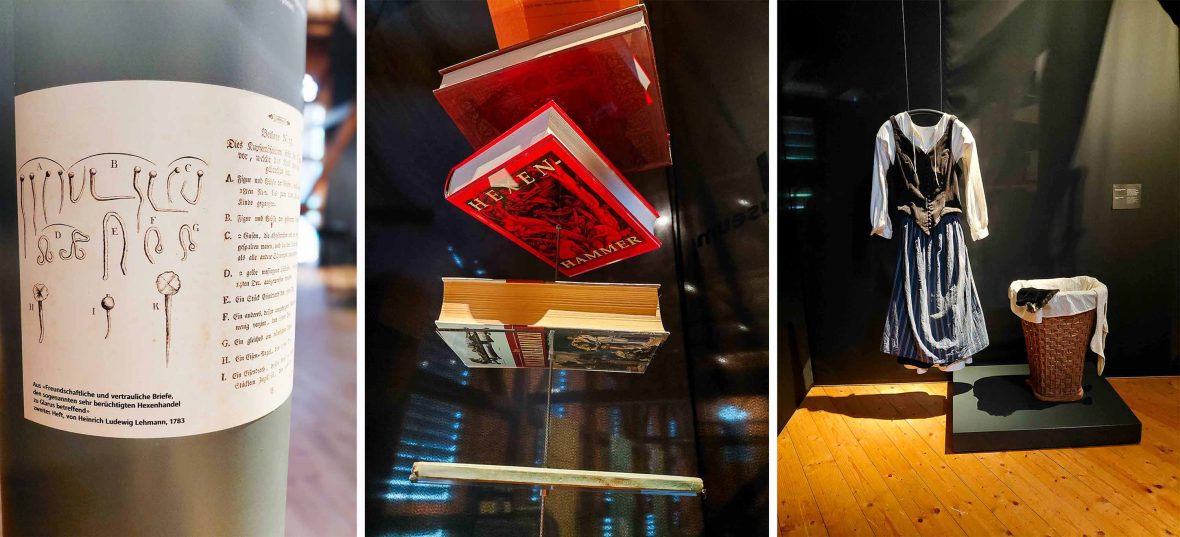
In the northeastern canton of Glarus, the quiet village of Ennenda houses the Anna Göldi Museum, situated within the historic Hänggiturm—a towering timber drying structure that once played a central role in the region’s 18th-century textile boom. The museum serves as a permanent memorial to Anna Göldi, widely recognized as the last person in Europe to be executed legally for witchcraft.

Göldi, working as a domestic maid for a wealthy magistrate, was accused in 1782 of bewitching her employer’s eight-year-old daughter, purportedly causing the child to suffer convulsions and spit out metallic pins. Following a swift and politically motivated trial, Göldi was condemned to death by decapitation on June 13, 1782, in the neighboring village of Mollis.
Centuries later, genealogical and historical research spearheaded by local author and lawyer Walter Hauser revealed that Göldi’s execution was not driven by medieval superstition alone, but rather by severe power dynamics and an illicit romantic relationship between Göldi and her magistrate employer. Threatened by the possibility of her exposing the affair after her dismissal, the local elite utilized the apparatus of the law to silence her. Recognizing the miscarriage of justice, the parliament of the canton of Glarus unanimously exonerated Göldi in 2008, labeling her death an instance of judicial murder.

A 350-Year Chronology of Persecution
Switzerland’s history of witch trials is distinguished not only by the severity of the verdicts, but by its extraordinary duration and geographic concentration. While early witchcraft beliefs predate Christianity—appearing in ancient texts such as Homer’s Odyssey—the institutionalized persecution of witches began to take systematic shape in the 15th century.
The earliest large-scale, state-sanctioned inquisitions commenced in the southwestern Alpine canton of Valais in 1428, following decades of acute political polarization and localized rivalry. Between 1428 and 1447, an estimated 3,500 men and women were executed for sorcery in Valais. This campaign was heavily influenced by the publication of texts such as the Hexenhammer (Malleus Maleficarum), a 1486 treatise written by German clergyman Heinrich Kramer, which provided a legal and theological justification for the torture and execution of accused heretics.
The persecution soon spread across other linguistic and political boundaries within the Swiss Confederation:
- Fribourg: Documented records indicate approximately 360 witch trials took place between 1493 and 1741.
- Pays de Vaud: Approximately 3,000 trials were conducted during a similar timeframe under overlapping regional jurisdictions.
- Glarus: Culminated with the trial and execution of Anna Göldi during the late Enlightenment period of the 18th century, demonstrating that the phenomenon persisted well beyond the Middle Ages.
Official Responses and Democratic Redress
The formal exoneration of Anna Göldi marked a significant legal and cultural milestone for modern Switzerland. Dr. Ursula Helg, director of the Anna Göldi Museum, emphasizes the historic significance of the parliamentary vote.

"This is the first place where a witch was exonerated by a democratic vote," Dr. Helg notes. "We have corrected a historic injustice. That is something to be proud of."
The Anna Göldi Foundation, established through Hauser’s advocacy prior to his passing, utilizes the museum not only to preserve the specific details of Göldi’s trial, but also to foster broader discussions on human rights, systemic corruption, and modern forms of injustice. The museum’s exhibits guide visitors through the socioeconomic inequalities of the industrial era—where wealthy factory owners controlled cotton spinning and labor markets—drawing direct parallels between historical marginalization and contemporary human rights issues.
From Somber Injustice to Alpine Folklore
While the historical gravity of the witch trials remains a sensitive subject for descendants of families involved in the original proceedings, contemporary Swiss culture has simultaneously embraced witchcraft through vibrant, tourism-driven folklore events.

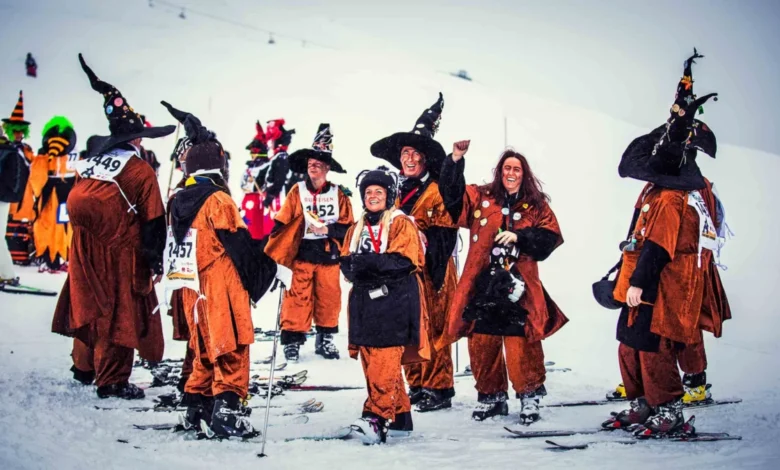
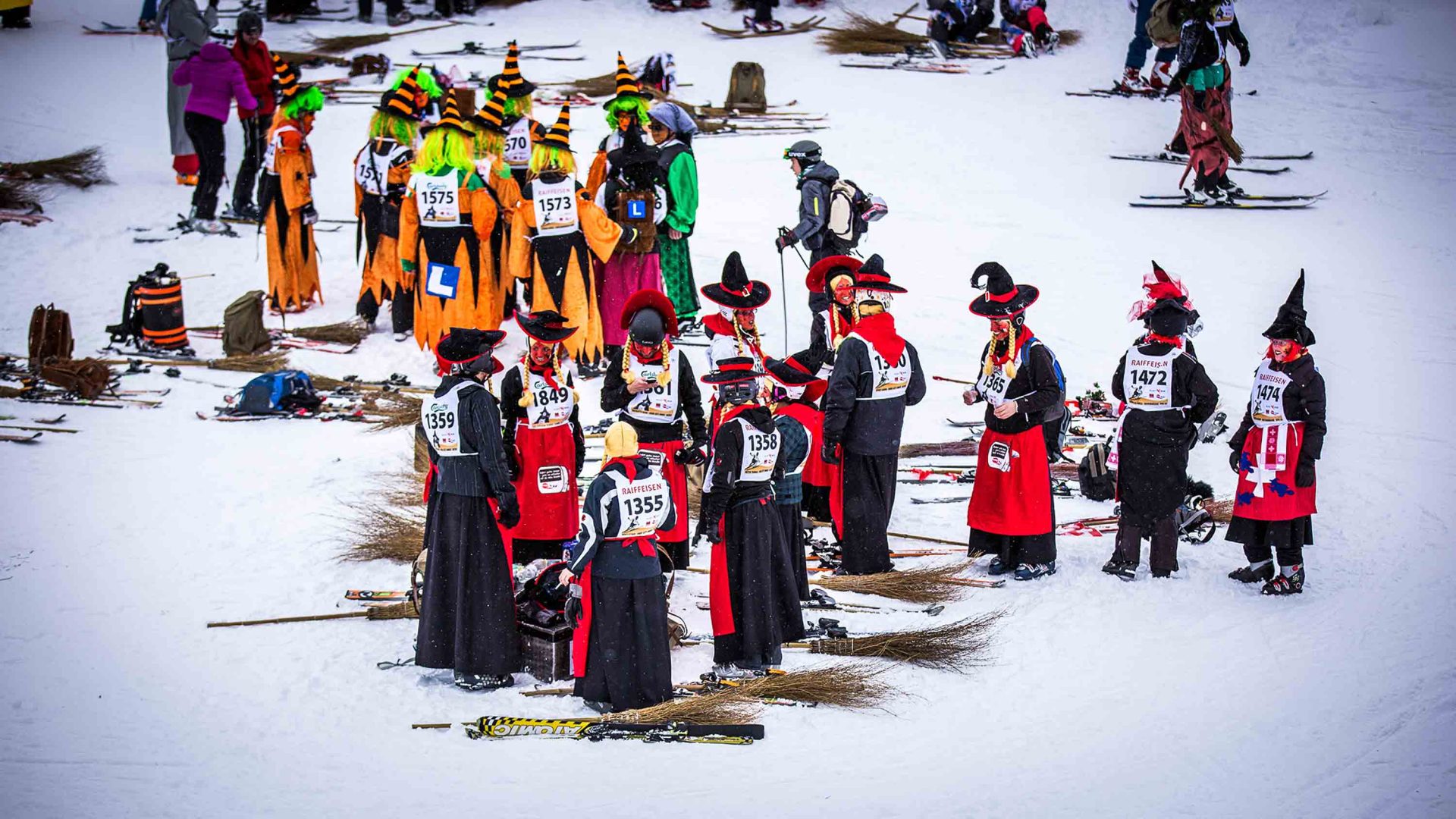
High above the Rhône Valley in the car-free village of Belalp, located in the canton of Valais, the community hosts the annual Belalp Hexe (Belalp Witch) festival every January. Initiated by the Belalp Ski Club in 1983 to attract visitors during the shoulder tourism season, the week-long event concludes with the dramatic "Witches Descent."
During this event, up to a thousand skiers dressed in green-painted face makeup, conical hats, and makeshift costumes hurtle down a 12-kilometer (seven-mile) course from the Hohstock mountain summit down to the village of Blatten. The festival’s narrative draws from regional folklore, including the 15th-century legend of an unnamed woman accused of transforming into a raven to cause the fatal fall of her husband—a local man allegedly inebriated by cherry brandy.
Implications and Cultural Legacy
The duality of Switzerland’s relationship with its witchcraft history reflects a broader European struggle to reconcile dark historical chapters with contemporary cultural identity. On one hand, institutions like the Anna Göldi Museum in Ennenda provide a rigorous, fact-based examination of how the legal system was manipulated by powerful elites to execute marginalized individuals. On the other hand, festivals like the Belalp Hexe demonstrate how communities transform terrifying historical anomalies into light-hearted cultural traditions that celebrate local geography and Alpine heritage.

Ultimately, the preservation of these contrasting narratives ensures that the victims of Europe’s witch trials—particularly those silenced by judicial corruption—remain acknowledged within the collective memory of modern society, serving as a permanent reminder of the fragile boundary between law and justice.