Navigating the Land of Fire and Ice with Children: A Comprehensive Family Travel and Budget Analysis

The rising popularity of Iceland as an accessible international destination has sparked a significant increase in family-oriented tourism over the past decade. Long perceived as an exclusive enclave for adventurous backpackers and luxury travelers, the North Atlantic island nation has seen a demographic shift in its visitor base, welcoming an increasing number of families with young children. Recent travel trends indicate that affordable transatlantic air carriers, combined with generous child-discounts on major tourist excursions, have transformed Iceland into a viable and culturally enriching destination for multi-generational and family travel. Industry analysts attribute this surge to aggressive promotional pricing from budget airlines operating out of major North American transit hubs, which have effectively lowered the financial barrier to entry for families seeking European-adjacent itineraries.
Strategic Itinerary Planning and Transatlantic Transit Logistics
A typical family expedition to Iceland often begins with navigating complex flight itineraries, as demonstrated by travelers departing from regional airports such as Phoenix and connecting through major West Coast hubs like Los Angeles International Airport. Transatlantic flights to Keflavík International Airport typically average nine hours, presenting unique logistical challenges for parents traveling with young children. To mitigate fatigue, many families utilize overnight transit strategies, allowing children to sleep through the duration of the flight.
Upon arrival at Keflavík International Airport—situated approximately 50 kilometers southwest of the capital city of Reykjavík—family travel coordinators recommend pre-booking integrated transportation services. Because standard hotel check-in times across the country rarely precede 3:00 PM, early morning arrivals at 4:00 AM require immediate strategic planning. A prevalent practice among budget-conscious travelers is booking direct airport shuttle services that route through the world-renowned Blue Lagoon geothermal spa before proceeding to urban accommodations.
The Blue Lagoon, operating as one of Iceland’s premier commercial attractions, offers significant economic incentives for families. Standard admission policies frequently allow children under a certain age to enter completely free of charge when accompanied by a paying adult. Modernized visitor facilities include secure luggage storage and locker rooms, allowing families with early arrival schedules to safely store bulky winter gear and luggage while utilizing the mineral-rich geothermal waters to recuperate from overnight flights. Transportation providers commonly offer bundled ticketing options that seamlessly connect the airport, the geothermal spa, and central Reykjavík accommodations into a single itinerary.

Economic Realities and Cost-Mitigation Strategies for Visitors
While tourism infrastructure in Iceland is exceptionally well-developed, the nation consistently ranks among the most expensive destinations in the global travel market due to high import tariffs, steep labor costs, and robust domestic taxation. Dining out represents a major expenditure for visiting families, with standard children’s meals at casual restaurants frequently ranging between $10 and $15 USD, and adult entrees scaling significantly higher.
To counteract these elevated costs, travel economists and experienced family travel writers strongly advocate for self-catering. Renting residential apartments equipped with full kitchens—frequently available within a short walking distance of Reykjavík’s commercial center—allows families to purchase provisions directly from local Icelandic supermarket chains such as Bónus or Krónan. This approach not only slashes daily food budgets by up to seventy percent but also provides an immersive cultural experience through the exploration of domestic grocery offerings, specialty dairy products like skyr, and locally sourced snacks.

Navigating urban centers like Reykjavík on foot is highly feasible for families, provided they secure centrally located accommodations. While street naming conventions and pedestrian directional signage can occasionally present minor navigation challenges for international visitors, the near-universal proficiency in English among the local population ensures that seeking directions or tourist assistance remains effortless. Furthermore, most urban amenities, museums, and dining establishments readily accept contactless digital payments, reducing the need to exchange foreign currency.
Immersive Regional Excursions: The South Coast Itinerary
Beyond the capital, Iceland’s dramatic natural topography is best experienced through guided regional excursions. A staple of family travel itineraries is the South Coast Tour, typically structured as an immersive 11-hour guided bus expedition. These excursions offer a comprehensive overview of the country’s diverse geological formations, ranging from active glacial tongues to sweeping black sand coastlines.

Key milestones along the South Coast route include:
- Sólheimajökull Glacier: An accessible outlet glacier where families can observe glacial recession and participate in guided educational hikes tailored to varying physical fitness levels.
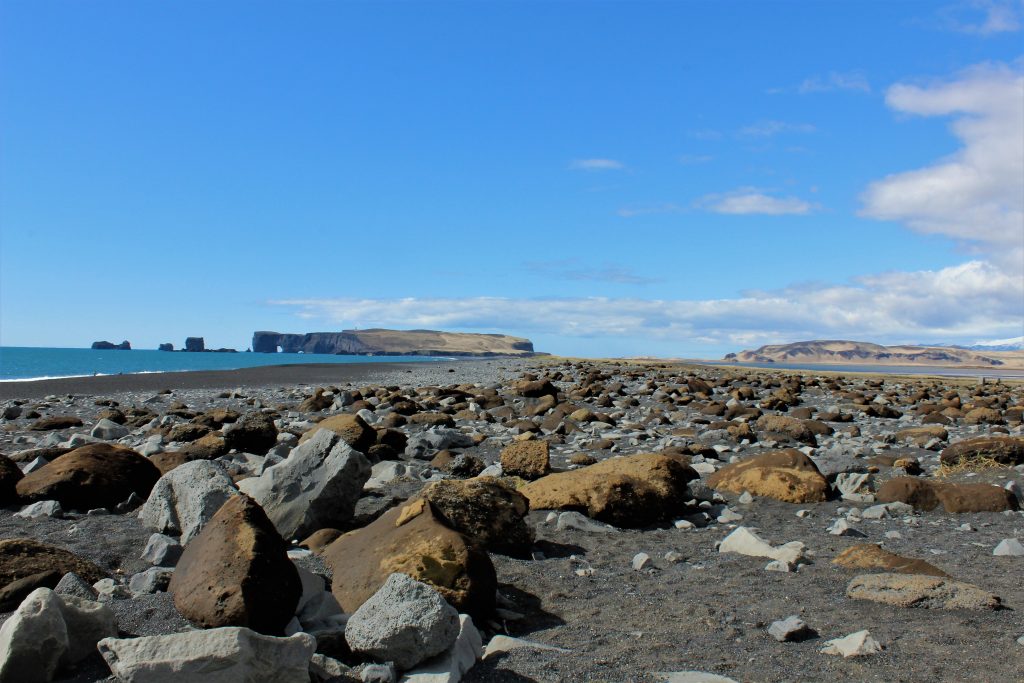
- Reynisfjara Black Sand Beach: A striking coastal location characterized by towering basalt column formations and powerful, unpredictable Atlantic wave activity that necessitates strict parental supervision.
- The Coastal Village of Vik: The southernmost settlement on the Icelandic mainland, offering essential rest stops and historical context regarding coastal habitation.
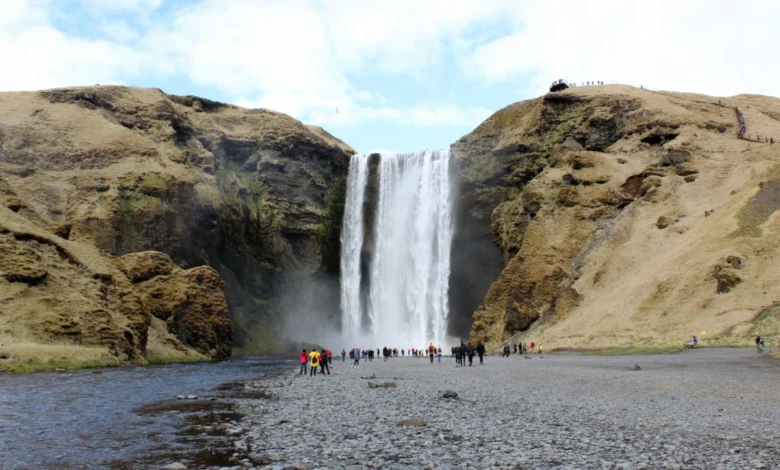
- Skógafoss and Seljalandsfoss Waterfalls: Iconic natural landmarks where visitors can witness massive cascades, with the latter offering the rare opportunity for pedestrians to walk directly behind the veil of cascading water.
A critical economic advantage for families undertaking these extensive day tours is the widespread industry standard that permits children to join major excursions free of charge or at heavily subsidized rates. This policy significantly reduces the per-capita cost of multi-day travel itineraries.
Meteorological Volatility and Packing Preparedness

Meteorological conditions in Iceland are notoriously volatile and subject to rapid, unannounced shifts, posing specific challenges for travelers unaccustomed to sub-arctic environments. Official long-range weather forecasts frequently project moderate temperatures ranging between 45 and 50 degrees Fahrenheit during transitional shoulder seasons, yet actual conditions often deteriorate rapidly into sustained snowstorms, freezing rain, and high-velocity winds that can cause wind-chill values to plummet well below freezing.
Travel safety authorities and tourism boards emphasize the absolute necessity of multi-layered thermal apparel, waterproof outer shells, high-traction footwear for icy terrain, and wind-resistant headwear. Unpredictable weather events can occasionally prompt the temporary closure of major infrastructural arteries, such as the Ring Road (Route 1), requiring travelers to maintain flexible itineraries and monitor real-time updates issued by the Icelandic Road and Coastal Administration (Vegagerðin).
Culinary Heritage: The Cultural Significance of the Icelandic Hot Dog

No culinary exploration of Reykjavík is complete without examining the cultural phenomenon of the Icelandic hot dog (pylsa). Unlike traditional North American variants, authentic Icelandic hot dogs are primarily composed of a distinct blend of lean local lamb, supplemented by pork and beef, encased in a natural snap-skin casing.
The culinary appeal of the dish is heavily attributed to its standardized yet complex condiment profile. Traditional preparation dictates that hot dogs are served on a soft bun layered with a combination of raw white onions and deep-fried crispy onions placed beneath the meat. This foundation is subsequently crowned with a trifecta of sauces: traditional tomato ketchup, a sweet brown mustard (pylsuennep), and remoulade—a chilled mayonnaise-based sauce incorporating capers, mustard, and fresh herbs. For many budget-conscious travelers and culinary tourists, the local hot dog serves as an affordable, culturally authentic staple meal throughout their stay.
Confectionery Tourism and Urban Attractions

In addition to traditional savory cuisine, Iceland’s burgeoning artisan food sector features unique attractions such as specialized chocolate manufacturing tours. Establishments like Omnom Chocolate, located in the capital region, offer immersive guided walkthroughs that highlight bean-to-bar production methods. These tours, frequently compared by visitors to classic fictional confectionary experiences, provide extensive sensory sampling and offer insight into the nation’s growing reputation for high-end, sustainable food manufacturing.
Broader Industry Implications and Future Outlook
The sustained accessibility of Iceland as a family-friendly destination underscores a broader evolution in transatlantic tourism marketing. As budget carriers continue to optimize regional routes and local tourism operators refine family-centric pricing structures, destinations once deemed prohibitive for children are experiencing unprecedented demographic diversification. For families willing to navigate unpredictable meteorological conditions and implement cost-mitigation strategies such as self-catering, Iceland offers an educational, geologically diverse, and economically viable international travel experience.