Why Room Sharing on Solo Travels is Surprising Independent Explorers Worldwide

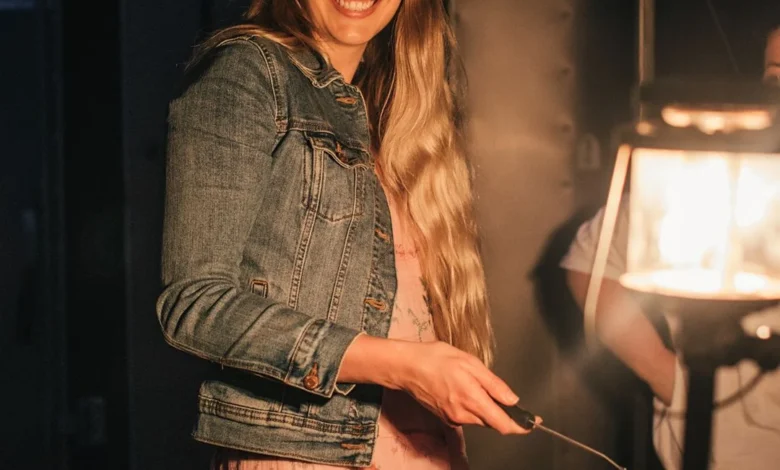
The modern travel industry has long catered to the binary choice of either booking a private room at a premium or navigating the daunting prospect of total isolation. For decades, the solo travel movement has championed independence, self-reliance, and solitude. However, a cultural shift is quietly underway within group expedition circuits and adventure travel companies. Seasoned solo travelers, long accustomed to paying single supplements to guarantee personal space, are increasingly opting for twin-share or multi-bed configurations with complete strangers. This evolving trend challenges the traditional hospitality paradigm, suggesting that the most rewarding aspect of independent travel is not necessarily total autonomy, but rather the unexpected bonds formed in shared quarters.
Francesca Specter, a London-born author and journalist known for her advocacy of solitary time through her book Alonement, recently highlighted this phenomenon. Having lived independently for nearly a decade, Specter initially approached room sharing with strangers strictly as a pragmatic financial decision to avoid the prohibitive single supplement fees common in group tours. Her perspective shifted entirely following an assignment in Oaxaca, Mexico. What began as a cost-cutting measure evolved into an unexpected masterclass in companionship, leading her to re-evaluate the social architecture of modern travel.
The Evolution of Solo Group Travel and the Single Supplement
The economics of travel have historically penalized solo voyagers. The single supplement—an extra fee charged to solo travelers who occupy a room intended for two—remains a persistent hurdle in the tourism sector. According to market research from leading adventure travel operators, single supplements can inflate the total cost of a tour by 20 to 50 percent. For years, budget-conscious travelers accepted roommate matching merely as a financial compromise.
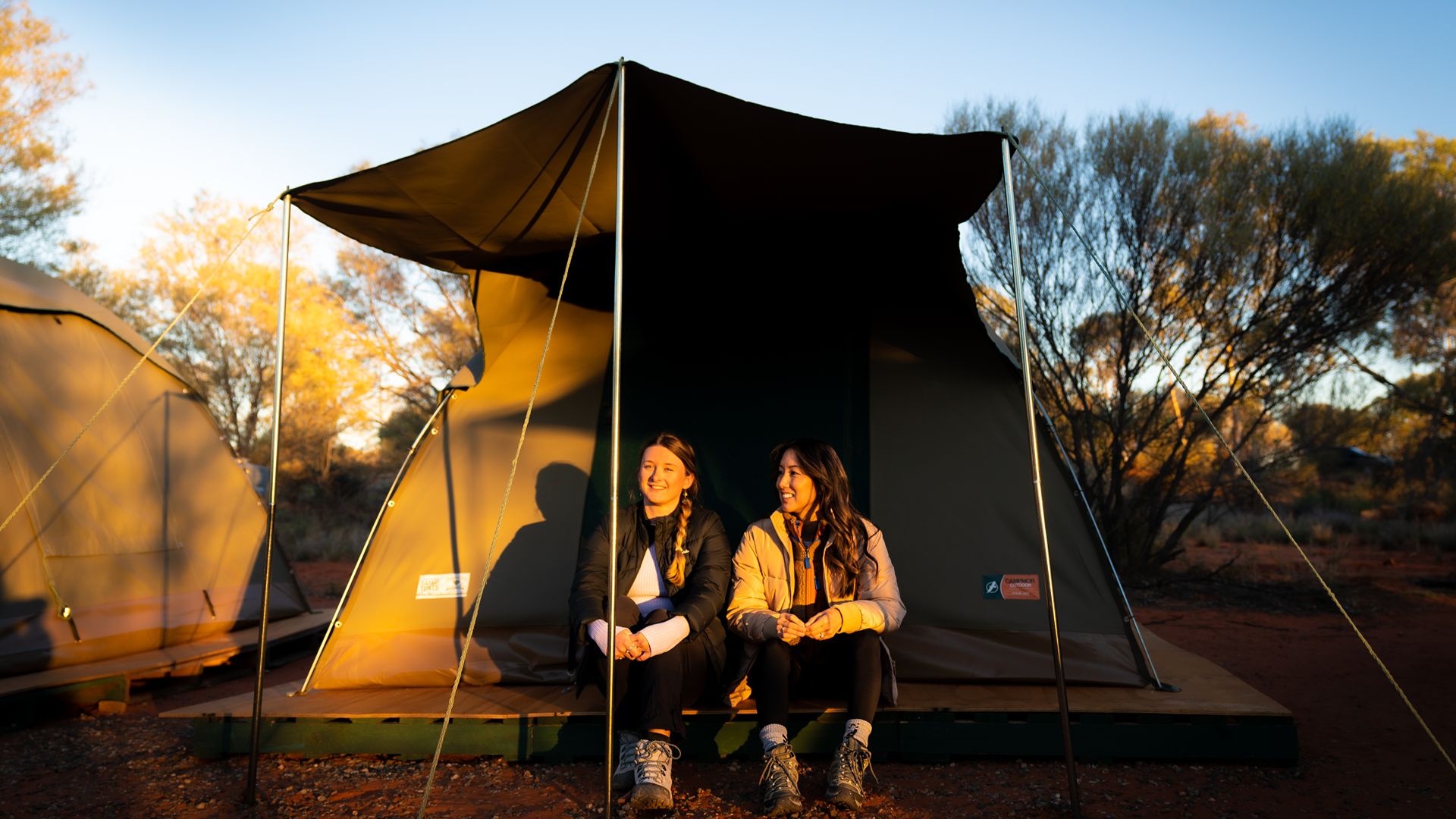
However, travel behavioral data indicates a broader demographic shift. Post-pandemic tourism surges have brought an influx of solo travelers seeking meaningful human connection to combat rising rates of urban isolation. Tour operators across Europe, Asia, and the Americas report a steady increase in voluntary room-sharing requests among solo participants. Rather than viewing roommates as a concession, contemporary travelers are beginning to recognize shared accommodations as an intentional component of the cultural exchange.
Chronology of an Unlikely Friendship: The Mexico Catalyst
The paradigm shift toward room sharing often begins with apprehension. For Specter, the catalyst occurred during a two-week expedition through Mexico. Paired with a stranger named Emily, Specter initially braced herself for the standard compromises of shared living: negotiated bathroom schedules, misaligned sleep cycles, and the inevitable friction of two distinct personalities occupying a confined space.
Instead, the arrangement catalyzed a series of spontaneous travel experiences that a solo itinerary would likely have precluded. On the first morning in Mexico City, facing severe jet lag and the temptation to remain indoors, Specter was nudged by her roommate to join a run through the Bosque de Chapultepec, followed by an evening at a local Lucha Libre wrestling match. This dynamic—where each traveler pulls the other out of travel fatigue—demonstrates how shared quarters can actively enhance, rather than restrict, an itinerary.
Psychological Implications: The Proximity Effect and Behavioral Influence

Behavioral psychologists have long studied the "proximity effect," a phenomenon wherein individuals physically close to one another tend to influence each other’s habits, routines, and choices. In a travel context, sharing a room introduces a subtle form of behavioral synchronization.
While proximity can occasionally foster negative habits, travel data and psychological observations suggest that room-sharing strangers generally default to mutual improvement. When two travelers inhabit the same space, external pressures encourage heightened consideration. For instance, differing sleep requirements often prompt an implicit compromise that benefits both parties. A traveler prone to late-night screen time or irregular sleeping patterns frequently adapts to a roommate’s structured sleep hygiene, resulting in improved rest during physically demanding excursions.
Case studies from group tours in destinations such as Nice, France, and various Alpine retreats highlight how structured roommate pairings lead to higher average sleep durations and more balanced daily routines compared to solo travelers managing their own schedules without external cues.
Sociological Impacts: Combating Modern Isolation
The rise of room sharing intersects with broader sociological concerns regarding loneliness. Public health organizations in multiple jurisdictions have formally classified chronic loneliness as a significant public health crisis, noting its prevalence among urban populations and remote workers. Travel, traditionally viewed as an antidote to routine, can sometimes amplify feelings of isolation if undertaken entirely alone.

While introverted travelers often express initial anxiety regarding forced proximity, psychological research indicates that stepping outside one’s comfort zone yields measurable psychological benefits. A widely cited study published in scientific journals demonstrates that individuals who challenge themselves to adopt more extroverted behaviors—such as spontaneous conversation, active listening, and increased assertiveness—report elevated levels of subjective well-being over time.
Conversely, travelers who isolate themselves in private hotel rooms frequently report missing out on spontaneous cultural moments. Regret over evenings spent indoors scrolling through digital devices in destinations like Cartagena, Colombia, underscores the paradox of modern travel: paying a premium for isolation can inadvertently result in missed human connection.
Practical Skill-Sharing and the Art of Compromise
Beyond socialization, room sharing serves as an organic incubator for practical life skills and cross-cultural exchange. Living in close quarters with individuals from different linguistic and cultural backgrounds exposes travelers to localized domestic hacks and efficiency methods.
During winter expeditions in Spain, travelers have reported adopting regional warming techniques from roommates, such as targeted drying methods after bathing to regulate body temperature quickly. Similarly, adventure treks through the humid jungles of Vietnam often facilitate the transfer of practical survival and grooming skills, from specialized braiding techniques to manage humidity to minimalist packing strategies.
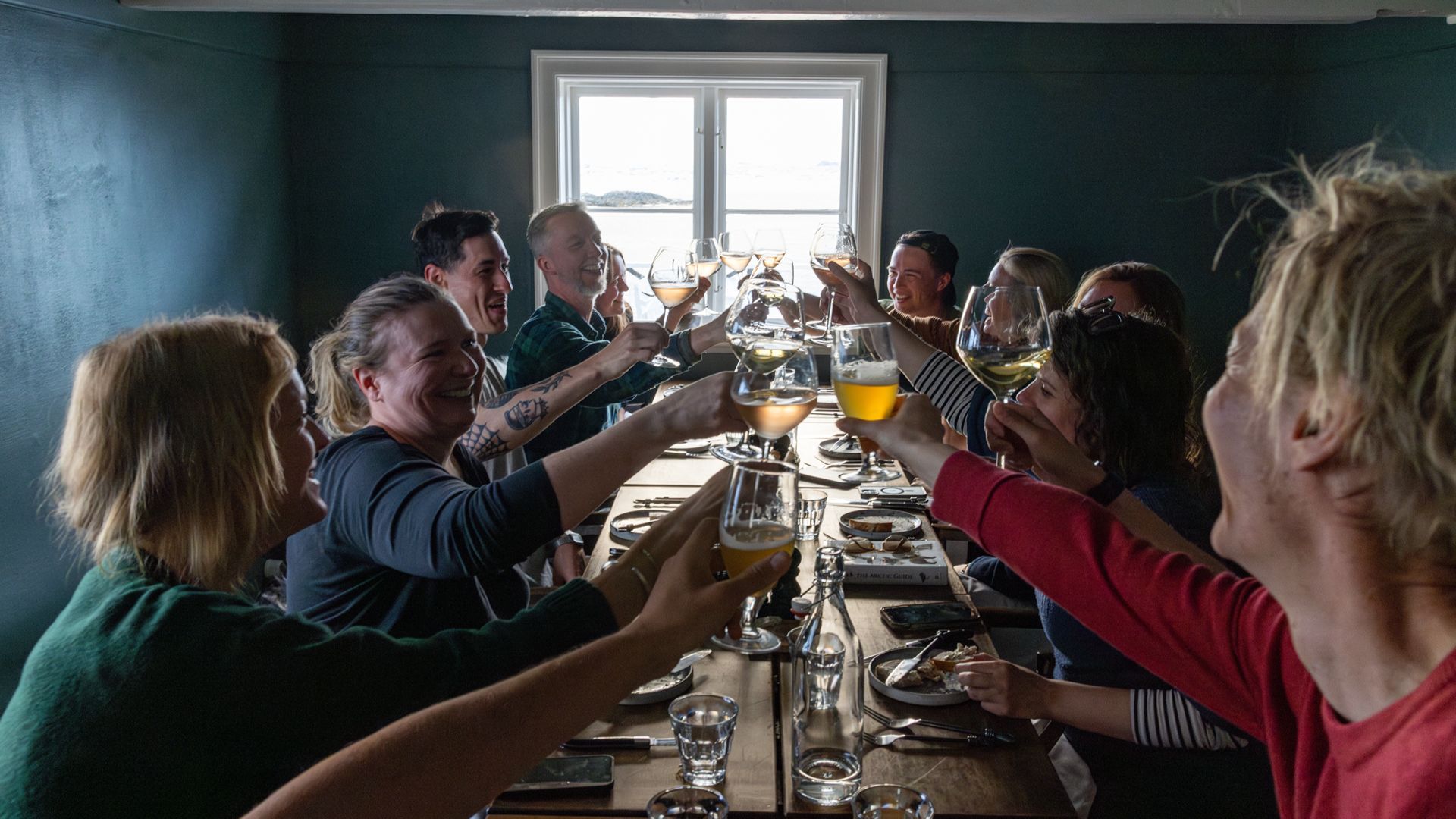
Furthermore, room sharing acts as a low-stakes training ground for interpersonal compromise. Negotiating ambient room temperatures—such as mediating between conflicting preferences for air conditioning settings in Seville—or establishing boundaries for personal downtime, affectionately dubbed "towel time" by recent travelers in the Algarve, teaches essential communication frameworks. These micro-negotiations mirror the foundational skills required for long-term cohabitation, offering valuable emotional intelligence practice wrapped inside a vacation package.
Industry Response and Future Outlook
In response to the growing popularity of shared accommodations, major tour operators and hospitality brands are rethinking room architecture and matching algorithms. Modern adventure companies are moving away from arbitrary roommate assignments, instead utilizing preference questionnaires that match travelers based on sleep schedules, activity levels, and communication styles.
Industry analysts project that the demand for flexible, community-oriented travel structures will continue to expand as demographic patterns shift toward later marriage ages and an increase in single-person households. For the modern explorer, the choice between absolute solitude and shared accommodation is no longer merely a financial calculation. It has evolved into a deliberate choice about the kind of journey one wishes to experience—one measured not only by the destinations visited, but by the perspectives encountered along the way.
Related posts: