Navigating Safe Travel and Risk Management Amid Global Health Crises: Lessons from the Italian Dolomites and Beyond

The tourism industry has faced unprecedented disruption in the wake of the global health crisis, forcing both seasoned travelers and industry stakeholders to reevaluate conventional approaches to vacation planning and risk management. As international borders gradually reopened and public health guidelines evolved, traveling safely required a paradigm shift centered on meticulous research, heightened situational awareness, and personal accountability. Documented journeys, such as a 20th-anniversary expedition from Berlin to the Italian Dolomites, illustrate how travelers could successfully navigate shifting regulations, prioritize community safety, and maintain fulfillment despite profound uncertainty.
Historical Context and Evolving Travel Protocols
In the early phases of the pandemic, travel decisions carried significant weight, extending far beyond individual leisure to encompass public health implications for host communities. As health authorities introduced varying regional restrictions, quarantine mandates, and eventually vaccination certification frameworks, the mechanics of international mobility grew increasingly complex. By 2022, the widespread introduction of digital health passes, localized country entry requirements, and the predominance of new viral variants necessitated a structured approach to risk assessment.

Governments and international health organizations emphasized that absolute risk elimination was unattainable. Consequently, modern travel planning transitioned toward strategic mitigation: assessing viral transmission rates, evaluating local healthcare capacities, and adhering strictly to destination-specific mandates. Destinations across the European Union—including France, Germany, Portugal, Spain, and Italy—frequently updated their entry protocols, requiring travelers to demonstrate flexibility and continuous information-gathering.
Comprehensive Research and Strategic Planning
A primary pillar of responsible travel during a health crisis involves exhaustive pre-trip investigation. Experts advise analyzing a destination’s epidemiological indicators, healthcare infrastructure, and vaccination rates well in advance of departure.
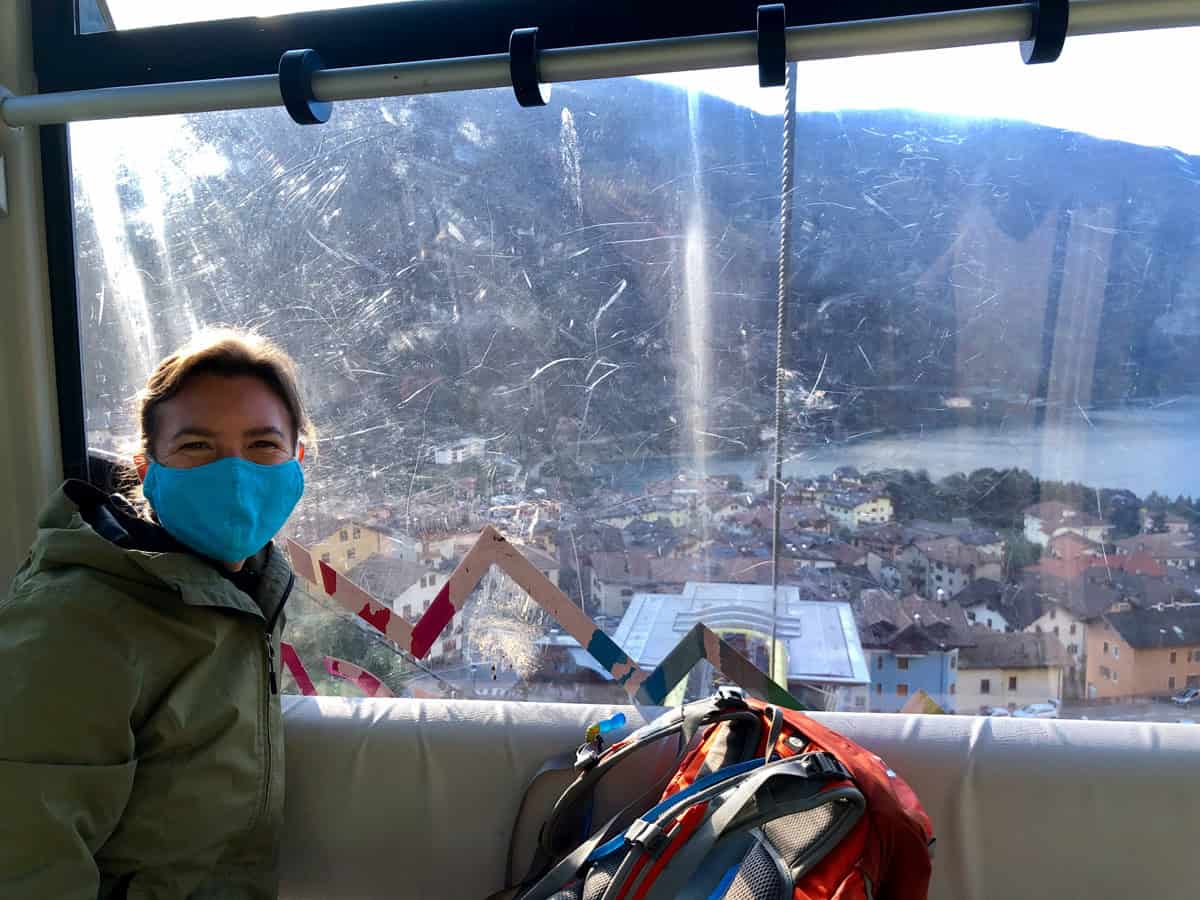
- Regulatory Compliance: Reviewing official governmental advisories ensures adherence to border restrictions and eliminates the surprise of mandatory quarantine periods upon arrival or return.
- Alternative Routing: Developing contingency plans, such as identifying alternative regions to visit if primary destinations experience sudden outbreaks or policy shifts, minimizes disruptions.
- Flexible Logistics: Securing refundable accommodations and utilizing flexible transport options, such as rail travel or car rentals with cancellation policies, protects travelers from financial loss due to last-minute policy changes or personal health developments.
In practical execution, travelers who monitored meteorological forecasts and regional health bulletins daily were able to dynamically adjust their routes. For instance, shifting itineraries away from inclement weather or rising infection zones toward secondary, less-congested destinations preserved the integrity of the journey while prioritizing safety.

The Shift Toward Outdoor and Decentralized Tourism
To mitigate airborne transmission risks, public health agencies consistently identified outdoor environments as significantly safer than confined indoor spaces. In response, travel patterns shifted visibly toward nature-based tourism, including hiking, cycling, and exploring remote or rural landscapes.
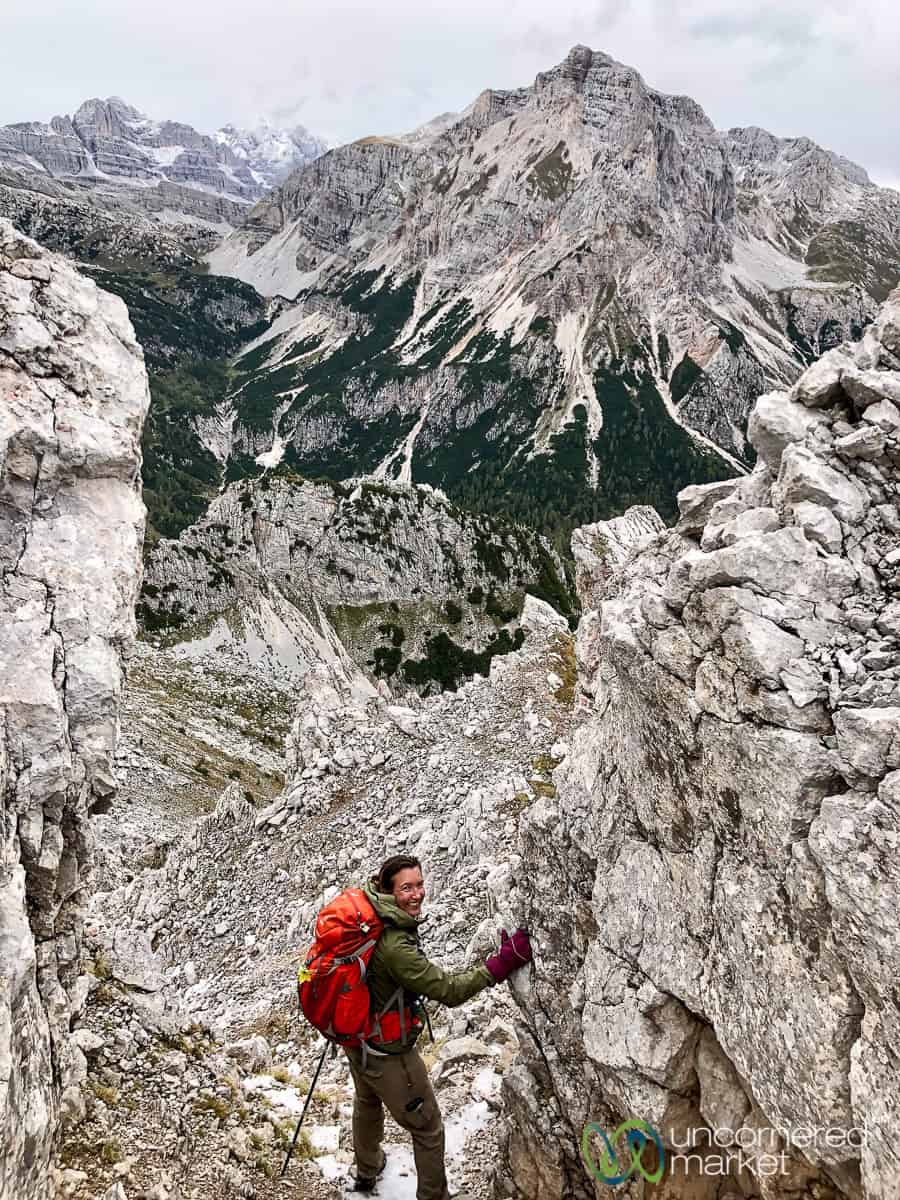
Travelers increasingly bypassed major urban hotspots and heavily commercialized landmarks in favor of secondary cities and lesser-known trails. This decentralization served a dual purpose: it ensured effective social distancing on outdoor pathways and provided much-needed economic support to small, family-owned businesses in rural communities that bore the brunt of tourist declines.

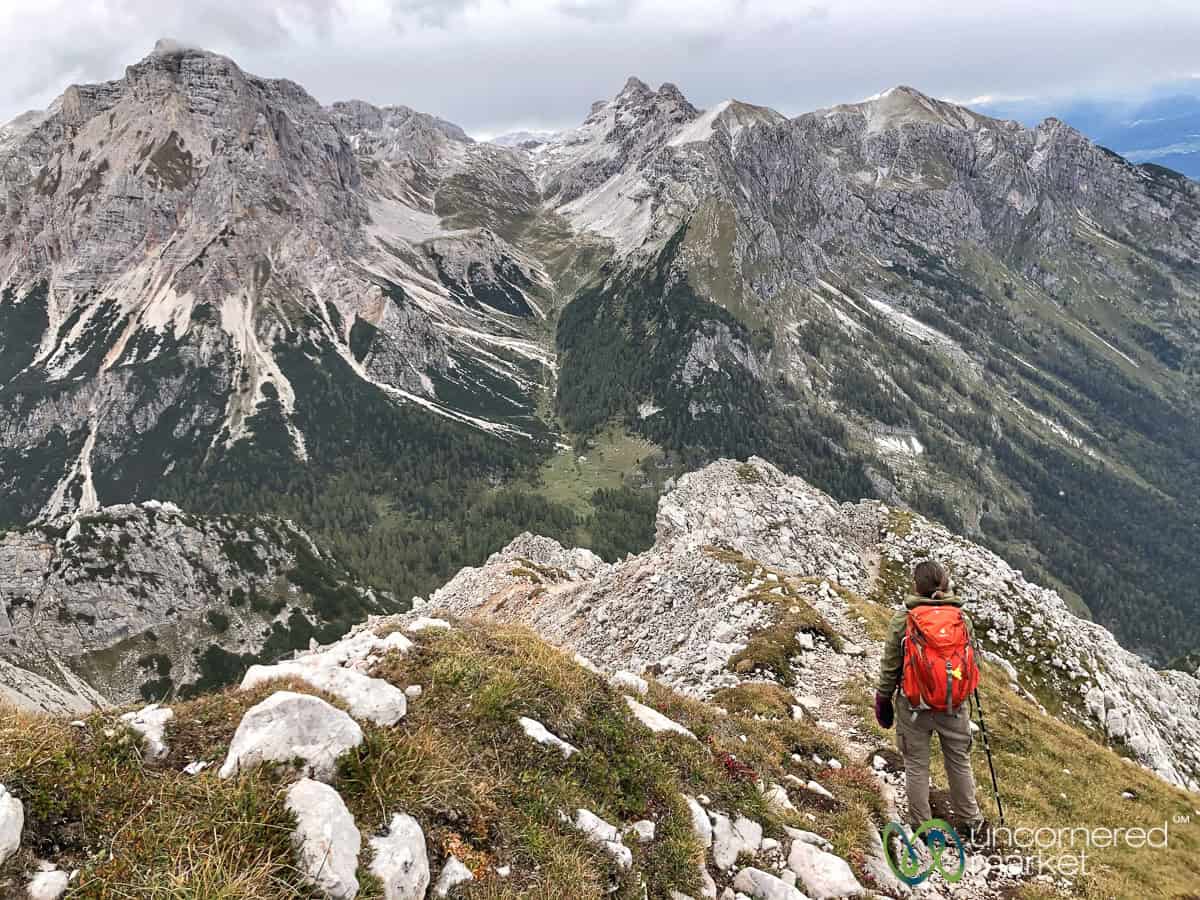
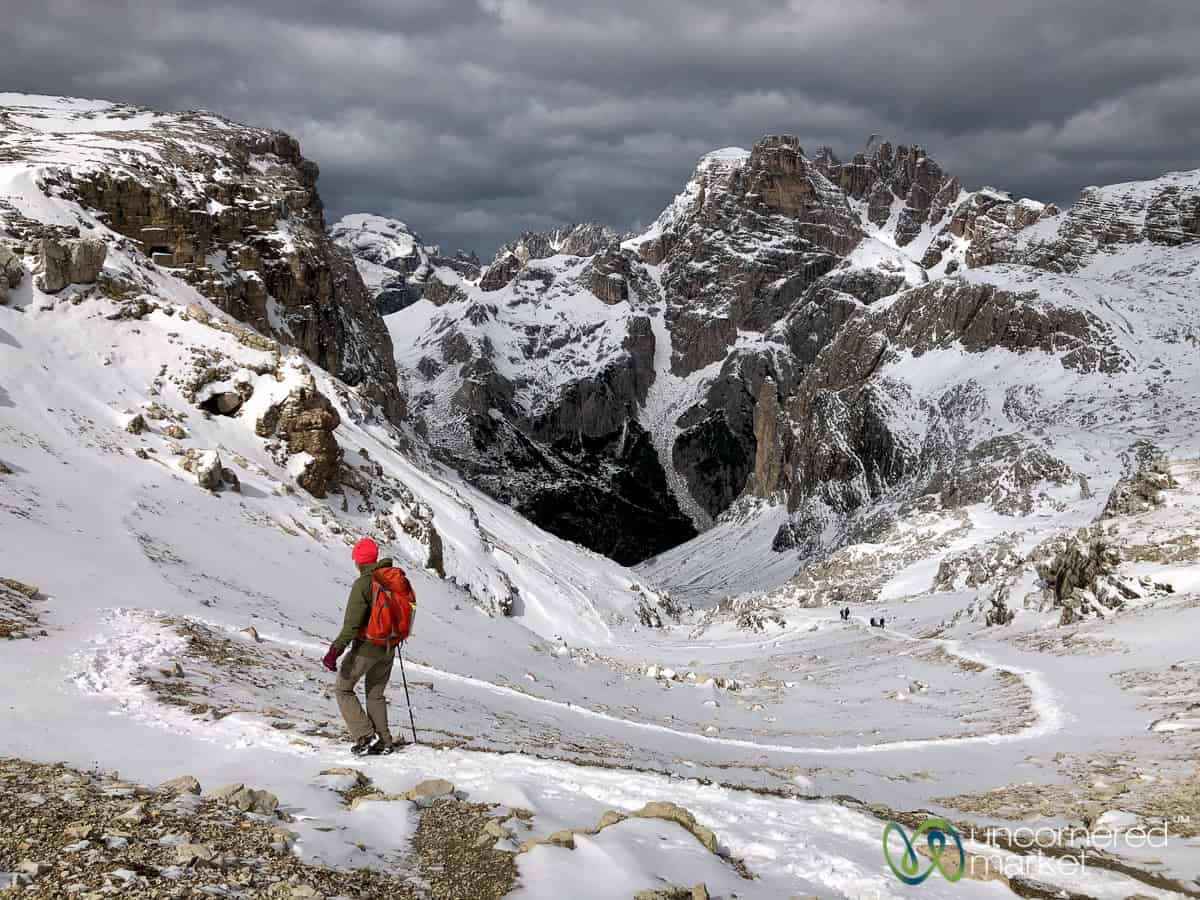
In the Italian Dolomites, opting for challenging, extended hiking routes rather than heavily frequented tourist corridors resulted in minimal human contact. Similarly, choosing regional towns for overnight stays fostered a quieter, more localized cultural immersion while avoiding crowded municipal centers.
Transportation and Accommodation Best Practices
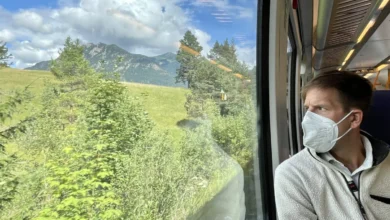
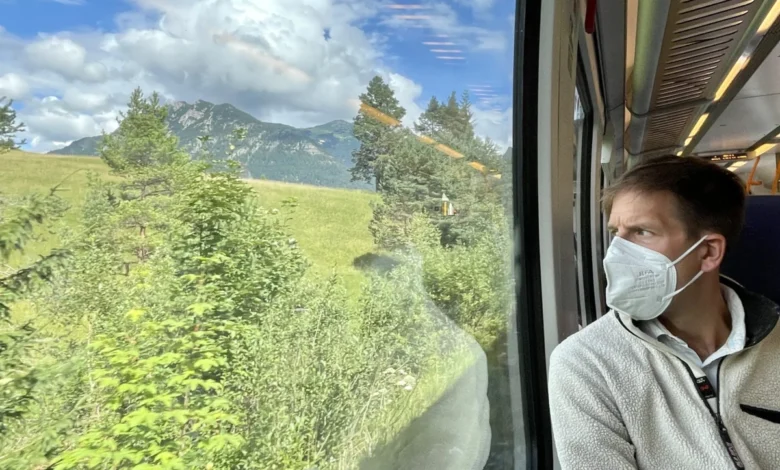
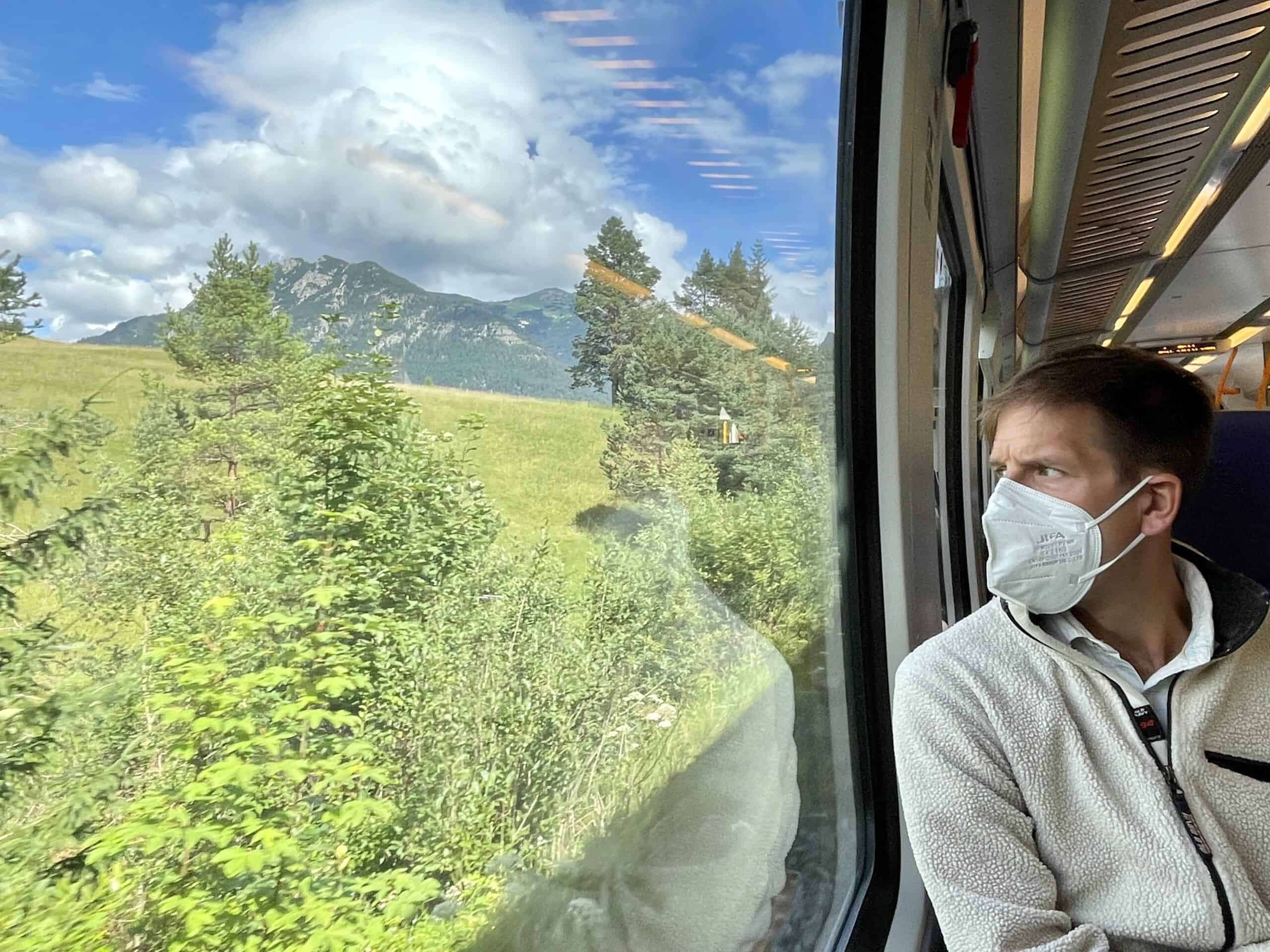
Transit networks and shared indoor spaces represent critical control points for infection prevention. Public health data underscores the efficacy of continuous mask-wearing in enclosed areas. As scientific understanding of viral transmission advanced, health recommendations evolved from basic cloth coverings to high-filtration respirators, such as KN95 or FFP2 masks, for long-duration transit on trains, buses, and aircraft.

To further reduce exposure, many travelers transitioned from dense public transit networks to private vehicle rentals, granting greater autonomy over their schedules. In the accommodation sector, prioritizing independent guesthouses, self-catering apartments, and boutique properties over large hotels minimized exposure to crowded indoor dining rooms and breakfast buffets. Furthermore, booking directly with local providers—rather than through third-party online agencies—ensured that a higher percentage of tourism revenue directly supported the local economy.

Dining Strategies and Hygiene Realities
The hospitality sector adapted rapidly to public health mandates, emphasizing outdoor seating arrangements and modified interior layouts. Epidemiological consensus eventually clarified that surface disinfection—often termed "hygiene theater"—played a secondary role compared to mitigating airborne transmission and managing crowd density. Consequently, consumer behavior shifted toward evaluating how establishments regulated customer flow and ventilation rather than solely focusing on intensive chemical cleaning regimens.

To minimize indoor exposure during dining, travelers adopted practices such as frequenting restaurants during off-peak hours—immediately upon opening for lunch or dinner—or opting for takeout meals enjoyed outdoors. Maintaining mask compliance during direct interactions with service staff further bridged the gap between hospitality and personal safety.

Post-Trip Responsibility and Community Health
Responsible travel concludes long after the return home. Because international movement acts as a primary vector for viral dissemination, post-travel protocols are vital for protecting local communities. Even when not legally mandated, obtaining diagnostic tests upon return or observing a voluntary self-quarantine period helps intercept asymptomatic transmission. The widespread availability of rapid antigen tests allows travelers to monitor their health proactively, ensuring that vacation mobility does not compromise domestic public health.

Psychological Resilience and Expectation Management
Beyond logistical adjustments, navigating travel during a global health crisis demands psychological resilience. Unpredictable weather, sudden regulatory shifts, and localized closures challenge preconceived notions of a seamless vacation. Industry analysts note that traveler satisfaction is directly correlated with expectation management.

Adopting a resilient mindset—accepting logistical disruptions as an inherent component of travel rather than a personal failure—preserves the psychological benefits of leisure. Whether confronting an unexpected meteorological shift on a mountain pass or navigating a transit delay, reframing adversity through a lens of gratitude allows individuals to extract value from challenging circumstances. Ultimately, the integration of rigorous preparation, public health compliance, and cognitive adaptability establishes a sustainable framework for modern exploration, ensuring that the fundamental human desire for discovery can coexist with global safety imperatives.