Adventure Links of the Week: A Global Roundup of Mountaineering, Exploration, and Safety Concerns

The global adventure landscape has witnessed a remarkable confluence of historic sporting milestones, decades-long human endurance feats, and critical discussions regarding safety and ethics. From the rugged cliffs of Scotland to the glacial peaks of the Andes and the remote wilderness of Colorado, the past week has underscored both the triumphs and the inherent risks of modern exploration.
Lara Neumeier Claims Historic First Female Ascent of Rhapsody
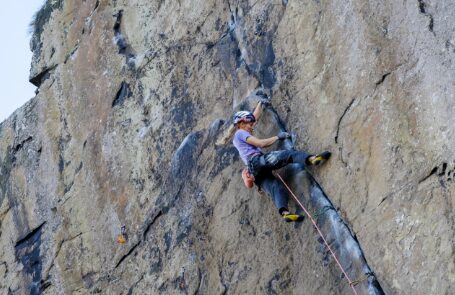
On October 7, German climber Lara Neumeier achieved a significant milestone in professional climbing by completing the first female ascent of Rhapsody, an E11 7a (5.14c) route at Dumbarton Rock, Scotland. The route, established by Scottish climber Dave MacLeod in 2006, is widely considered one of the most demanding traditional climbing lines in the world. Its significance lies not only in the extreme physical difficulty of the movement but in the psychological intensity required to manage long, perilous falls onto sparse, occasionally questionable traditional gear.
Neumeier’s success follows a dedicated two-visit campaign comprising 15 days of intensive work on the granite face. By completing this ascent, Neumeier becomes only the fifth woman in history to successfully navigate a 5.14c traditional route. The accomplishment serves as a benchmark for female representation in high-end trad climbing, a discipline that has historically seen fewer female participants due to the extreme commitment and risk management involved. In interviews following the climb, Neumeier expressed her hope that this ascent would inspire a new cohort of female climbers to tackle the iconic line, emphasizing that the barrier to entry is as much mental as it is physical.
The Goliath Expedition: Karl Bushby’s 28-Year Odyssey
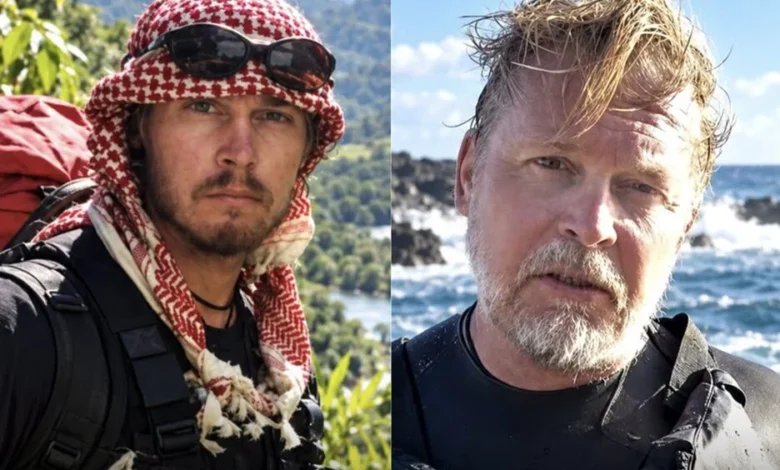
In the realm of extreme human endurance, British adventurer Karl Bushby is nearing the conclusion of his "Goliath Expedition," a 28-year endeavor to walk around the world. Having departed in 1998, Bushby has navigated some of the most unforgiving terrain on the planet. The physical toll of the journey is matched only by the profound personal sacrifices required to sustain such an undertaking.
Bushby’s expedition, which involves walking a continuous path across the globe, has spanned nearly three decades, during which he has remained largely disconnected from his domestic life. He is expected to complete the trek within the coming month. However, the emotional culmination of this journey is complex: he left behind an eight-year-old son, who is now a 36-year-old adult. The expedition highlights the singular, often all-consuming nature of long-distance exploration, where the line between personal ambition and familial duty is stretched to its limits.
Navigating the British Backcountry: A Transatlantic Perspective
The nuances of international hiking have gained attention following observations by Julia Clarke, an outdoor expert who recently transitioned back to Scotland after a decade in Colorado. Clarke’s analysis provides a necessary reality check for North American hikers, who may be accustomed to the vast, well-marked, and frequently sunny trails of the American West.
The British landscape presents a different set of hazards. Clarke emphasizes that "puny" hills in the UK should not be underestimated, as rapid shifts in weather—often characterized by sudden, violent temperature drops and heavy precipitation—can turn a moderate hike into a survival situation. Furthermore, the differences in land access, wild camping regulations, and the necessity of high-level navigation skills in the absence of clear, groomed trails are critical factors for international visitors. Her recommendations suggest that Americans must recalibrate their risk assessment models when entering the British backcountry, focusing on preparedness for environmental volatility rather than distance alone.
Ethical Shifts in the Climbing Community
A broader debate regarding climbing ethics is currently permeating the international community, as highlighted in recent discussions regarding the preservation versus modernization of classic routes. The core of the issue involves the replacement of aging, corroded hardware on historic routes across regions including Yosemite, Patagonia, and Germany.
The movement to modernize these lines often clashes with the purist ethos of "ground-up" climbing, where the original character of the first ascent is considered sacred. However, as bolts installed decades ago reach the end of their structural lifespan, the climbing community is forced to weigh the preservation of history against the necessity of ensuring climber safety. The discourse, exemplified by projects to update dangerous hardware, suggests that the "Art of Progress" is shifting; the community is increasingly accepting that the maintenance of high-traffic or high-risk routes is a prerequisite for the longevity of the sport.
Safety Crisis in the Diving Industry
The outdoor sector is also facing an internal reckoning regarding workplace safety and conduct. Women throughout the diving industry are publicly documenting systemic issues of sexual harassment and assault within the professional sphere. Despite repeated attempts to address these grievances through official reporting channels with expedition operators and regulatory agencies, many practitioners report a lack of meaningful intervention.
This failure of institutional oversight has prompted a wave of advocacy on social media, where instructors and marine professionals are demanding comprehensive reform. The core demands include the implementation of standardized, transparent reporting systems and more rigorous vetting processes for expedition staff. Industry observers note that the current lack of accountability is not only a moral failure but a significant barrier to professional equity, as it discourages women from pursuing careers as expedition leaders and instructors.
Avalanche Tragedy in Chile’s High Andes
The inherent dangers of high-altitude mountaineering were tragically illustrated on October 17 near the Ski Portillo resort in Chile. A group of seven mountaineers, while ascending toward Cerro Los Tres Hermanos, triggered a slab avalanche that swept the party into Laguna del Inca. The incident resulted in three fatalities and four injuries.
Emergency response teams, including local police and resort staff, were on the scene within 10 minutes of the alert. Despite the swiftness of the rescue, the severity of the terrain and the scale of the avalanche proved fatal for three individuals. Preliminary reports from resort management indicate that the group had entered a restricted zone, which had been explicitly marked as high-risk due to avalanche danger. This tragedy serves as a grim reminder of the impact of environmental conditions and the critical importance of adhering to localized warnings in alpine environments.
Emerging Trends on Mount Kenya
In Africa, the climbing scene on Mount Kenya is undergoing a shift in narrative. Giovanni Trambaiolo has recently drawn attention to the mountain’s profound spiritual significance to indigenous communities and the frequently overlooked historical contributions of Kenyan climbers. His recent establishment of Rainmaker, a new six-pitch traditional route on the Temple Cliffs, represents a synthesis of modern technical climbing and an acknowledgment of the mountain’s deep-rooted cultural heritage. This development suggests a growing trend of "decolonizing" mountaineering history, where the focus is moving beyond the traditional Western-centric viewpoint to a more inclusive appreciation of the local context.
Environmental Extremes and Search-and-Rescue Strain
Finally, the onset of early-season winter conditions in Colorado has placed significant strain on search-and-rescue (SAR) services. A 14-hour window between October 14 and 15 saw three separate hunting-related emergencies, exacerbated by a sudden, heavy snowfall and plummeting temperatures.
The incidents ranged from lost individuals suffering from hypothermia to a critical injury caused by a falling tree. These events highlight the unpredictability of early-season weather patterns in the American Rockies. SAR coordinators have noted that the coincidence of opening day for hunting seasons and the first major snowfall creates a "perfect storm" of risk, where human activity increases simultaneously with a drastic decrease in environmental safety. The incidents underscore the necessity for better weather monitoring and mandatory safety training for backcountry users, as the frequency of such interventions continues to rise in tandem with climate-driven weather instability.