The Comprehensive Review of the Fly Tot Plus Inflatable Airplane Bed and its Impact on Family Air Travel

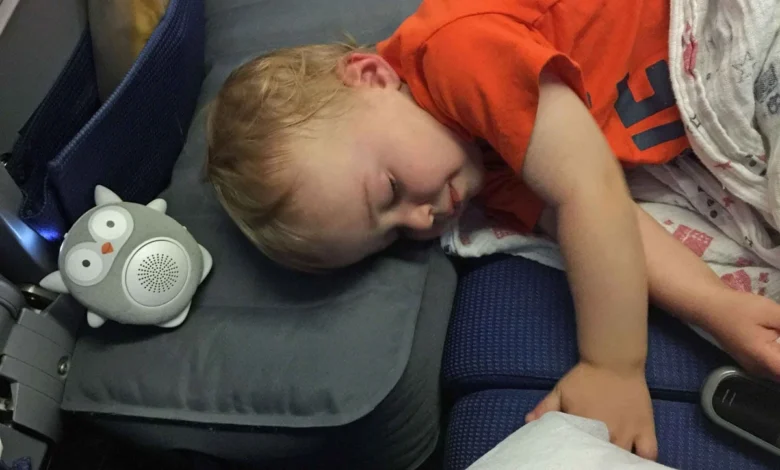
The challenge of ensuring adequate rest for toddlers on long-haul flights remains a primary concern for modern families, leading to the rise of specialized travel gear designed to mitigate the discomfort of economy-class seating. Among these innovations, the Fly Tot Plus has emerged as a prominent solution, functioning as an inflatable cushion that bridges the gap between a child’s seat and the bulkhead or the seat in front. By extending the surface area of a standard economy seat, the device aims to provide a flat, supportive environment for children aged two to eight to sleep, play, or stretch, significantly altering the landscape of international family travel.

Evolution and Technical Specifications of the Fly Tot Plus
The transition from the original Fly Tot model to the current iteration, the Fly Tot Plus, reflects a broader industry trend toward user-friendly, safety-conscious travel accessories. While the initial model successfully introduced the concept of an inflatable leg rest to the market, the updated version incorporates several engineering enhancements based on years of user feedback and evolving aviation safety standards.

A significant technical update is the implementation of a patented two-width design. This adjustment acknowledges the inconsistency of seat pitch and width across different aircraft manufacturers and airline configurations. The narrower side is engineered for tighter, standard economy footwells, while the wider side provides stability in premium economy or more spacious seating arrangements. Furthermore, the device now features an automatic safety release valve. This mechanism is designed to react to sudden fluctuations in cabin pressure, automatically deflating the cushion to prevent potential obstruction issues in the event of an emergency.
Operational Efficiency and User Experience
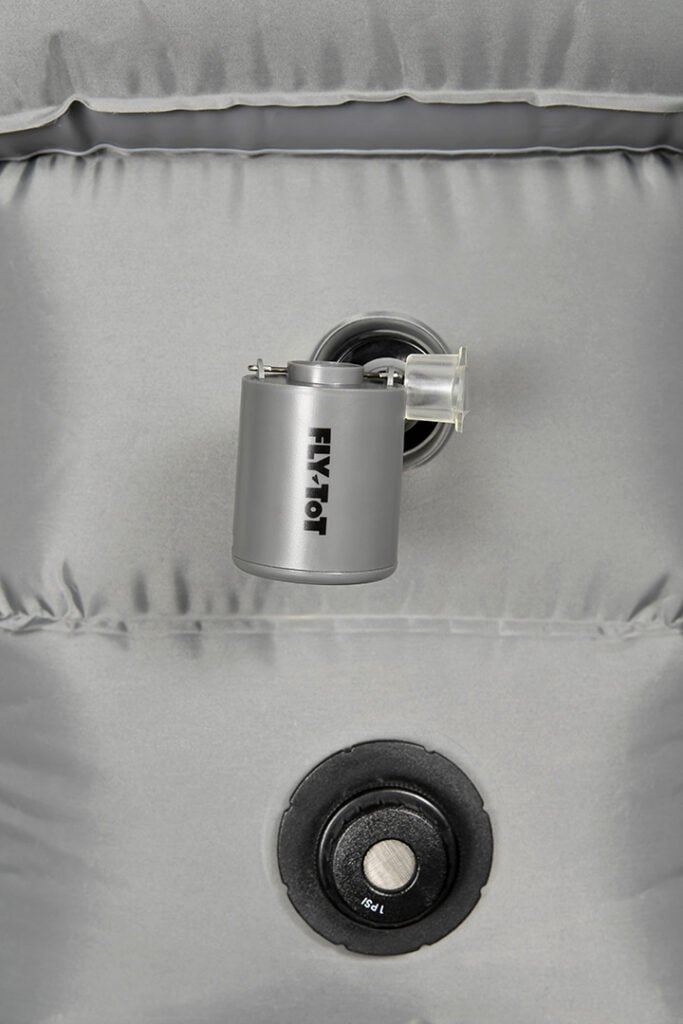
For parents, the logistics of navigating airport security and confined cabin spaces are substantial. Recognizing this, the manufacturers of the Fly Tot Plus have replaced the manual, often cumbersome pumping methods of earlier years with a compact, rechargeable electric device known as the "Tiny Pump." This component is designed to inflate the cushion in under one minute, addressing a common pain point for travelers attempting to set up equipment while managing carry-on luggage and children.
Additionally, the unit features a tapered design to maintain accessibility to essential under-seat equipment, such as life vests or in-flight entertainment hardware. This modification is critical, as it aligns with the strict requirements of many international carriers regarding the obstruction of floor space and emergency access points.

The Regulatory Landscape and Airline Policies
Despite the utility of seat-extending cushions, their use remains subject to the discretion of individual air carriers. There is no global, universal aviation regulation governing the use of inflatable flight cushions, which creates a complex landscape for traveling families.

Aviation authorities generally stipulate that any device used during flight must not compromise the safety of the cabin, block emergency egress, or interfere with the functionality of the seat belt. Consequently, major airlines often maintain varying policies. Some carriers explicitly permit the use of such devices, provided they are not used during taxi, takeoff, or landing, and are positioned in a way that does not inconvenience neighboring passengers. Others may prohibit them entirely, citing concerns over potential debris or the inability to quickly evacuate a row.
Industry experts recommend that passengers verify current policies with their specific airline at least 48 hours before departure. It is a recurring standard in the industry that the final authority rests with the flight crew on the day of travel; if a cabin attendant deems a device unsafe or obstructive in a specific row configuration, the passenger is typically required to stow the item immediately.

Impact on Long-Haul Travel Dynamics
The implications of utilizing such devices extend beyond mere convenience; they affect the overall passenger experience and, by extension, the stress levels within the cabin. Data from various family travel studies suggest that sleep-deprived children are more prone to irritability, which can lead to increased noise and disruption during long-duration flights.
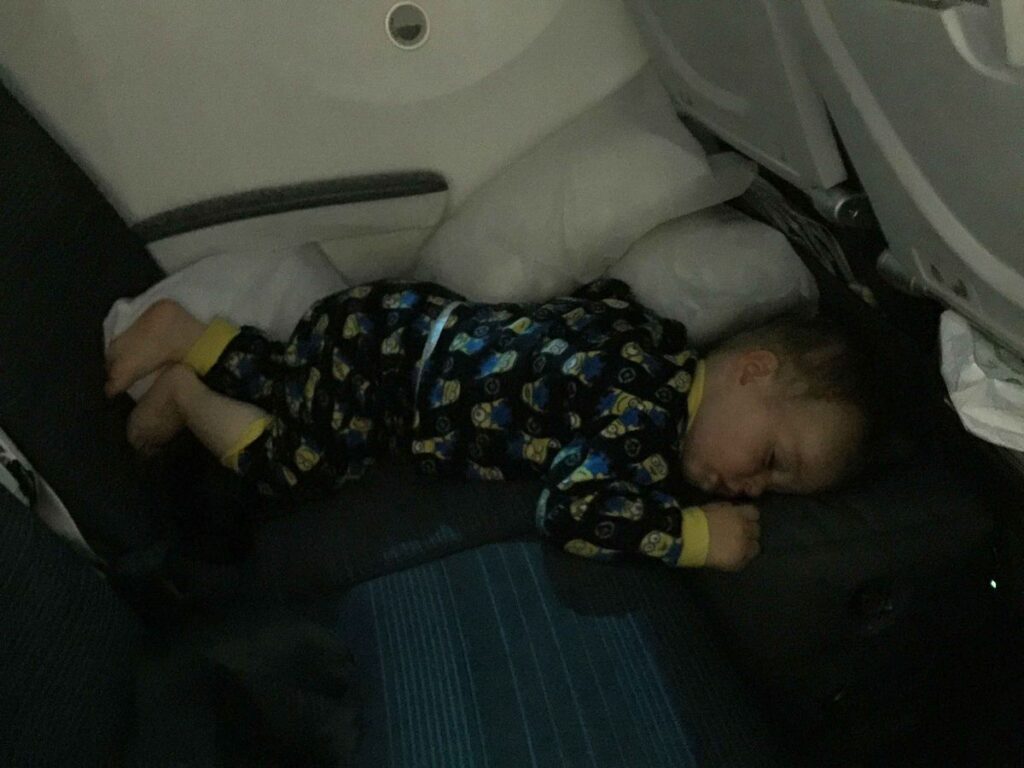
By facilitating a more natural sleeping position, the Fly Tot Plus aims to improve the quality of rest for children. For parents, this shift from holding a child on their lap—a practice that often precludes the parent from resting—to having the child occupy their own space allows for a more equitable distribution of physical burden. This, in turn, has the potential to reduce the cumulative fatigue experienced by parents, which is a key factor in maintaining a calm cabin environment.
Comparative Analysis of Market Alternatives

The market for toddler travel beds has matured significantly over the last decade. Competitors such as the Flyaway Kids Bed offer alternative designs, such as raised platforms that do not necessarily fill the entire footwell, but rather create a suspended shelf. Comparing these options involves assessing specific travel needs: the Fly Tot Plus is generally lauded for its stability and ease of inflation, whereas other models may be prioritized for their footprint or weight.
Prospective buyers are encouraged to conduct a cost-benefit analysis. For families who engage in frequent, long-haul travel across continents, the investment in a high-quality, durable inflatable cushion can be justified by the reduction in travel-related stress. However, for those flying primarily on domestic or short-haul routes, or with airlines that have stringent prohibitions against seat extenders, the necessity of such an investment is diminished.
Best Practices for Implementation
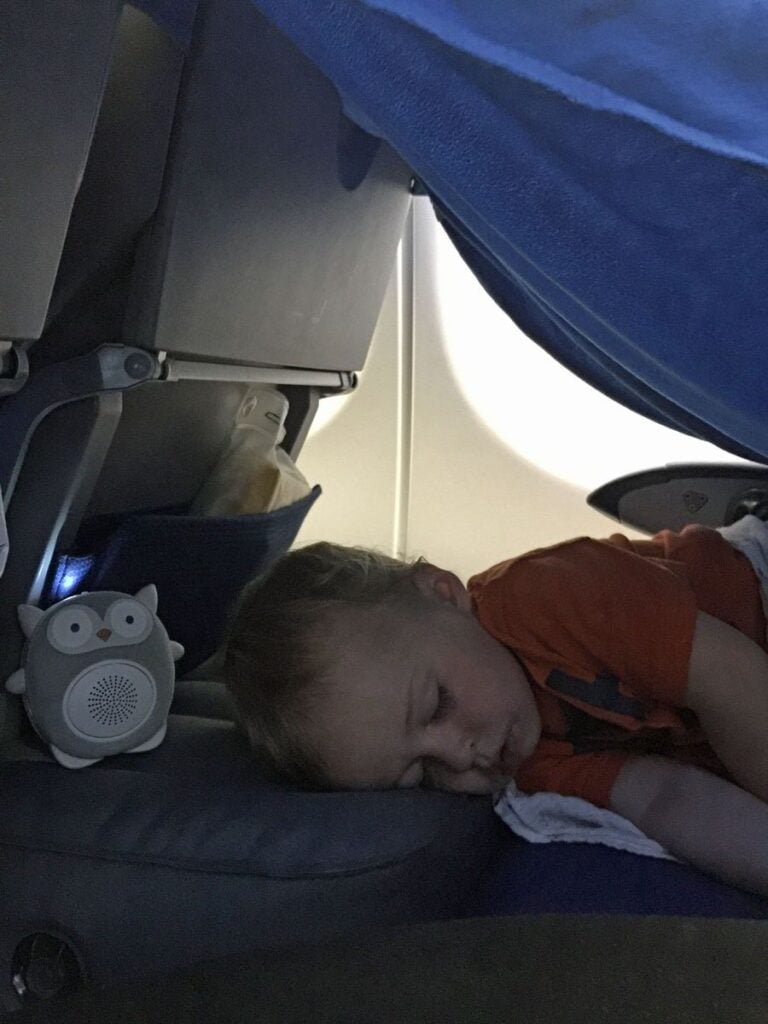
To maximize the effectiveness of the Fly Tot Plus, experienced travelers adhere to a set of informal but highly effective protocols:

- Seat Selection: Window seats or middle seats in a central bank are preferred to ensure the device does not block access to the aisle.
- Timing: The device should only be deployed once the aircraft has reached cruising altitude and the seat belt sign has been turned off.
- Safety Compliance: Children must remain buckled according to airline safety regulations, even when the cushion is in use.
- Professional Courtesy: If instructed by a member of the cabin crew to deflate or stow the item, compliance must be immediate and polite. Maintaining a cooperative relationship with the flight crew is essential for a smooth travel experience.
Economic and Practical Considerations
The Fly Tot Plus is marketed as a durable, long-term travel tool. Its construction materials are selected for resilience against the wear and tear of international transit. When evaluating the product, one must consider the weight and space it occupies in carry-on luggage. While the current model is significantly more compact than its predecessor, it still requires dedicated space in a traveler’s baggage allowance.

The shift toward smaller, more efficient accessories like the rechargeable pump indicates a move toward "minimalist travel" within the parenting sector. As airline baggage policies tighten and fees for checked luggage increase, the ability to pack essential comfort items within standard carry-on limits is a significant advantage.
Conclusion and Future Outlook

The Fly Tot Plus represents a targeted response to the persistent challenges of family aviation. By leveraging improvements in material science and engineering, the device offers a practical, albeit regulated, means of enhancing comfort for young passengers. While the product does not guarantee a trouble-free flight—as unpredictable factors such as turbulence, illness, or general anxiety are beyond the control of any accessory—it provides a structural solution to one of the most common physical discomforts of flying with children.
As the aviation industry continues to evolve, it is likely that the standardization of "child-friendly" seating zones or more uniform policies regarding travel comfort devices will be discussed. Until such time, the responsibility remains with the consumer to remain informed, prepared, and compliant with the specific mandates of their chosen airline. For families committed to global mobility, the integration of such tools is increasingly viewed as an essential component of their travel strategy, reflecting a broader commitment to optimizing the quality of the journey for both the child and the parent.
Related posts: