The Fly Tot Plus Inflatable Airplane Bed: A Comprehensive Review for Modern Traveling Families

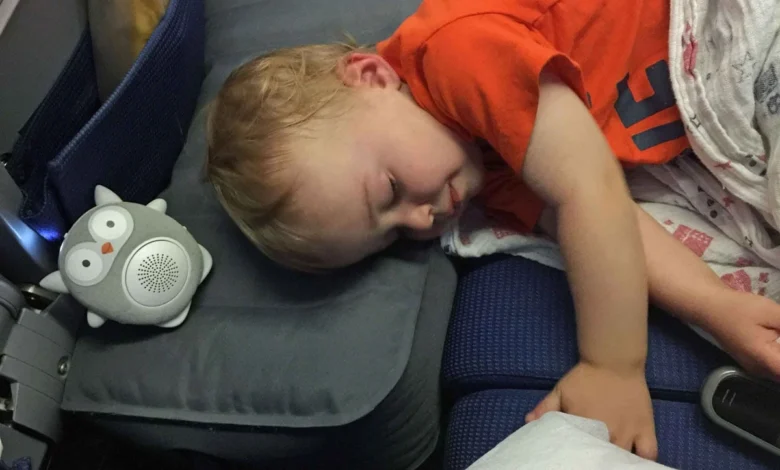
Navigating long-haul air travel with toddlers remains one of the most significant logistical challenges for modern parents. The confined space of an economy class seat, combined with the physiological need for children to move and rest, often leads to disrupted sleep and heightened stress levels for both passengers and cabin crew. In recent years, the emergence of inflatable airplane cushions, most notably the Fly Tot, has provided a potential solution to this perennial travel dilemma by effectively extending the usable footprint of a standard aircraft seat.

Evolution of In-Flight Travel Aids for Children
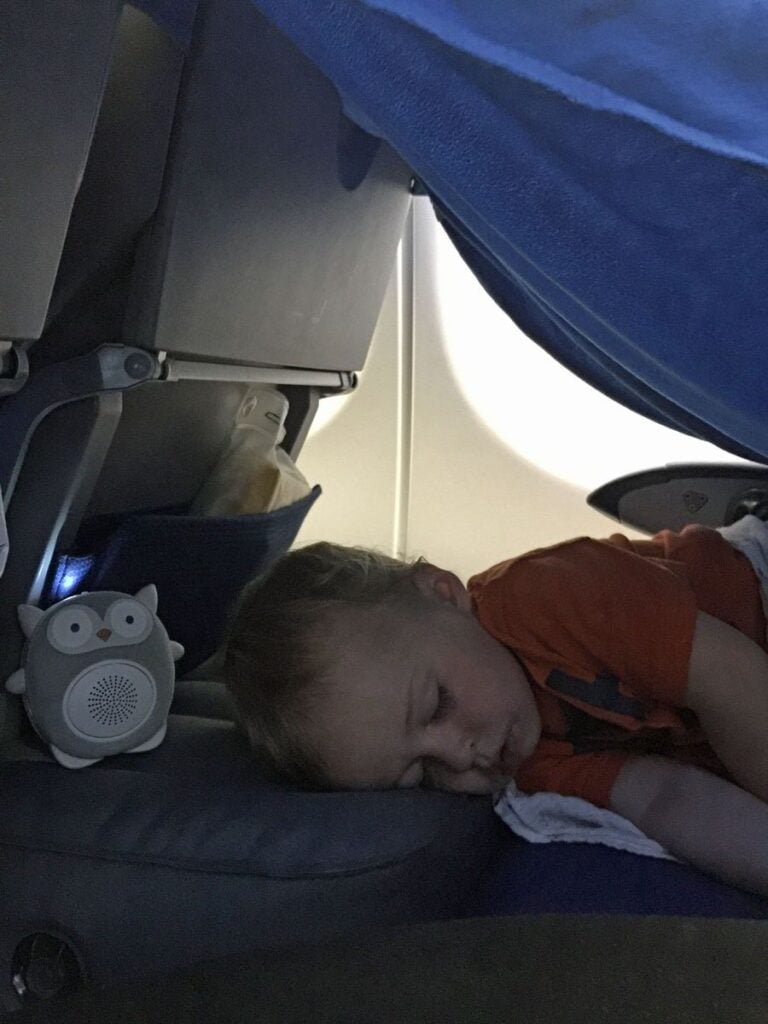
The concept of using inflatable devices to facilitate child sleep on aircraft gained traction roughly a decade ago as families sought alternatives to traditional, often cumbersome, car seat setups. The original iteration of the Fly Tot served as a pioneering product in this category, designed to fill the void between an economy seat and the seat in front, thereby creating a flat, extended surface.

Over the years, the product has undergone significant engineering refinements. The current version, the Fly Tot Plus, represents a departure from the original design, incorporating a patented two-width configuration. This adjustment addresses a major pain point for frequent flyers: the inconsistency of seat pitch and footwell dimensions across different aircraft models. By offering a wider and narrower side, the device aims to improve compatibility with various economy and premium economy seating arrangements.
Technical Advancements and Safety Integration
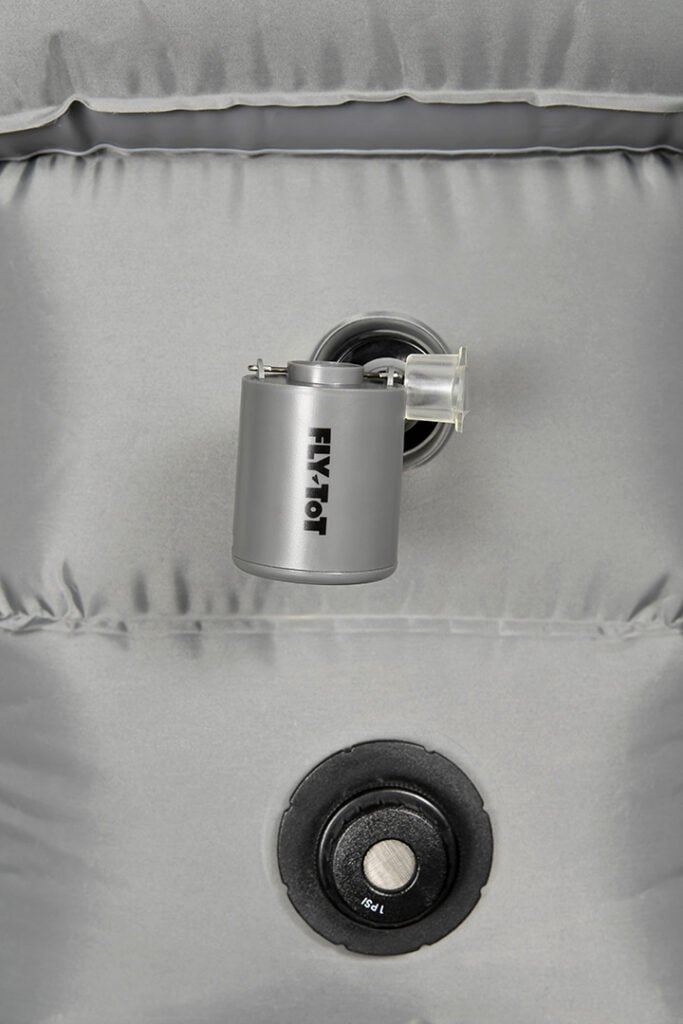
Modern air travel safety standards are rigorous, and manufacturers of passenger comfort devices must adapt to these requirements. A critical update in the Fly Tot Plus is the integration of an automatic safety release valve. This mechanism is engineered to respond to sudden changes in cabin pressure, ensuring that the cushion deflates automatically in emergency scenarios. This feature marks a transition from purely comfort-based design to one that prioritizes safety compliance, addressing concerns that have historically hindered the adoption of such products by major commercial airlines.
Further operational improvements include the transition to a simplified single-valve system and the inclusion of a compact, rechargeable electric pump. These modifications significantly reduce the setup time—a crucial factor when traveling with young children who may be overtired or restless. By reducing the manual effort required for inflation, the product addresses the practical challenges of setup within the constrained environment of an economy class cabin.

The Regulatory Landscape and Airline Policies
While the utility of these devices is clear to many parents, the regulatory landscape remains fragmented. There is no universal international standard governing the use of inflatable footrests or seat extenders. Airline policies vary significantly, with some carriers embracing these tools, others maintaining strict bans, and many adopting a case-by-case approach.

The industry standard, as supported by the Federal Aviation Administration (FAA) and various international civil aviation authorities, generally mandates that any device used on an aircraft must not impede the egress of passengers or interfere with the functionality of the seat belt. Consequently, most airlines restrict the use of these devices to window seats or middle seats in the center section, ensuring that they do not block access to the aisle. It is an industry-wide consensus that the final decision regarding the deployment of any such device rests solely with the flight crew during the flight.
Chronology of Usage and Practical Application

The transition from the original model to the current iteration mirrors the growth of the family travel market. Families who utilized early versions of the product during the mid-2010s often reported significant improvements in child sleep duration on flights exceeding eight hours. Data gathered from long-haul experiences suggest that when a child is able to lie flat, the likelihood of deep, restorative sleep increases, which in turn reduces the likelihood of in-flight agitation.
Practically, successful utilization requires a methodical approach. Experienced travelers recommend waiting until the cruise phase of the flight—after the completion of meal services and when the cabin lights are dimmed—to deploy the device. This timing minimizes disruption to other passengers and adheres to the standard operating procedures of most flight attendants.
Impact on Family Travel Dynamics
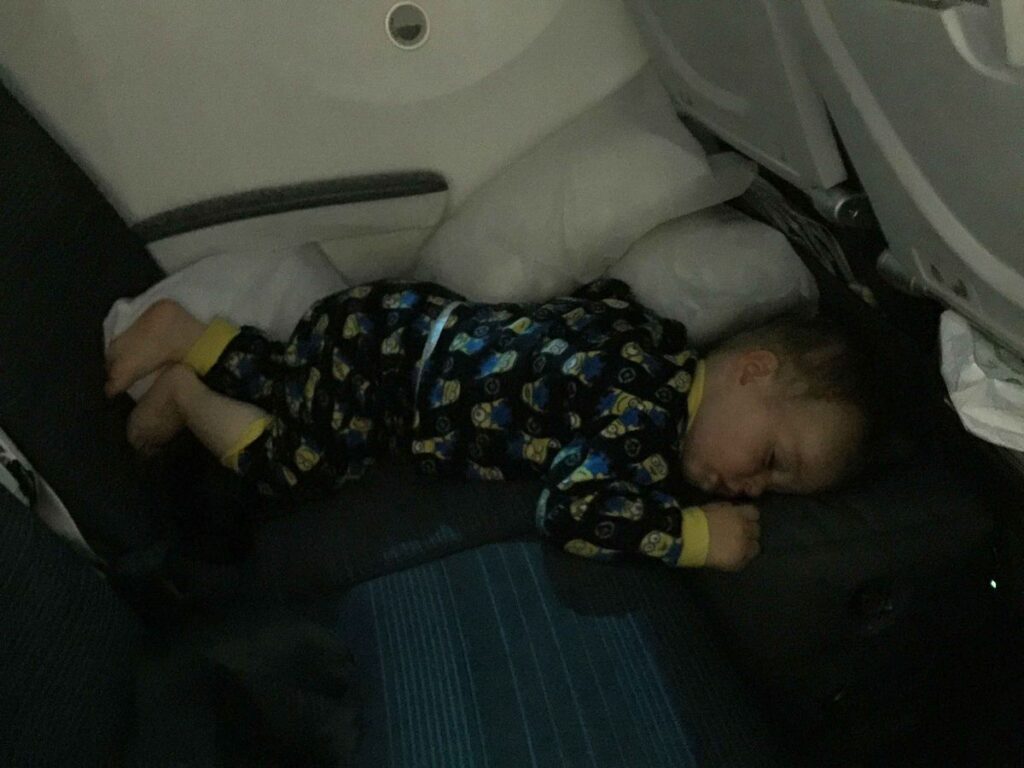
The implications of using such devices extend beyond the immediate flight. A well-rested child upon arrival at a destination is often better equipped to handle time zone changes and the physical fatigue of travel. For parents, the primary benefit is the restoration of personal space and the ability to manage the flight without the physical constraints of holding a sleeping child for several hours. This, in turn, provides parents with the capacity to engage in other activities, such as reading or resting, which contributes to a more balanced travel experience.

Economic Considerations for Families
The cost-benefit analysis of investing in an inflatable travel bed is a common point of discussion among parents. For families who engage in frequent international travel, the investment is often justified by the cumulative benefit of improved sleep cycles over multiple years of use. Conversely, for families taking a single or infrequent long-haul flight, the cost may be weighed against the likelihood of the child’s adaptability without the device.
Comparative Analysis of Alternatives
The market for travel sleep aids has expanded to include various alternatives, such as the Flyaway Kids Bed and Plane Pal. Each product employs a distinct mechanical approach. For instance, some designs favor a platform that bridges the gap between seats, while others, like the Fly Tot, focus on filling the entire legroom area. The choice between these products often comes down to individual aircraft configuration and the specific developmental stage of the child. The Fly Tot Plus, with its age-appropriate guidelines for children aged two to eight, provides a clear target demographic, though parents are advised to consult individual airline regulations, as some may enforce age-based restrictions that differ from manufacturer recommendations.

Best Practices for Modern Travelers
To ensure a seamless experience, travelers are encouraged to adopt a set of best practices:

- Pre-flight Verification: Always verify the current, specific policy of the airline being flown. Policies are subject to change, and information sourced from older forums may be outdated.
- Familiarization: Practice the inflation and deflation process at home. Understanding the nuances of the pump and valve system prevents last-minute frustration on the aircraft.
- Seat Selection: Prioritize window seats to ensure that the device does not obstruct the egress of other passengers.
- Compliance: Always adhere to the directives of the flight crew. If a staff member requests that the device be stowed, compliance is mandatory and ensures the continued safety of the cabin environment.
- Safety Equipment: Ensure that the child’s seat belt remains fastened over their lap or, if required, under the blankets to maintain safety standards throughout the flight.
Future Implications and Industry Trends
As the aviation industry continues to refine the economy class experience, there is a growing trend toward providing more family-centric amenities. While airlines have not yet moved to standardize these inflatable products, the widespread usage suggests a clear demand for solutions that mitigate the difficulties of traveling with children. The ongoing evolution of products like the Fly Tot suggests that manufacturers will continue to prioritize safety-integrated designs and ease-of-use, aligning their products with the stringent requirements of modern commercial aviation.

Ultimately, while no product can guarantee a perfect flight, the shift toward providing children with a dedicated, comfortable space to rest represents a significant advancement in the family travel sector. By focusing on ergonomic support and safety, these devices are bridging the gap between the necessities of travel and the requirements of childhood development, ultimately contributing to a more manageable and pleasant experience for all passengers on board.