The Ultimate 5-Day Sydney Itinerary: How to Spend Five Days Exploring Australia’s Harbour City

Sydney, New South Wales, has long stood as one of the premier international destinations for global travelers, yet many visitors face the challenge of condensing the vast metropolis into a manageable timeframe. Following a comprehensive review of travel metrics and regional tourism data for the first quarter of the tourist season, travel analysts and recent visitors have solidified a five-day framework as the optimal window for first-time travelers to experience the city’s urban core, historic districts, and iconic coastal geography.
Spanning an urban landscape that bridges modern high-rises with sweeping Pacific coastlines, Sydney accommodates millions of international arrivals annually. Regional infrastructure reports indicate that the city’s integrated transit network—comprising heavy rail, light metro, extensive bus lines, and public ferry services—enables efficient movement across major attractions without necessitating private vehicle rentals. This structural accessibility underpins the viability of a structured, five-day itinerary designed to balance major landmarks with unstructured exploration.
Day One: Anchoring in Sydney Harbour and Historic Precincts
The introductory phase of a Sydney expedition invariably centers on Sydney Harbour, a global maritime hub flanked by two of the twentieth century’s most recognizable architectural achievements: the Sydney Opera House and the Sydney Harbour Bridge.
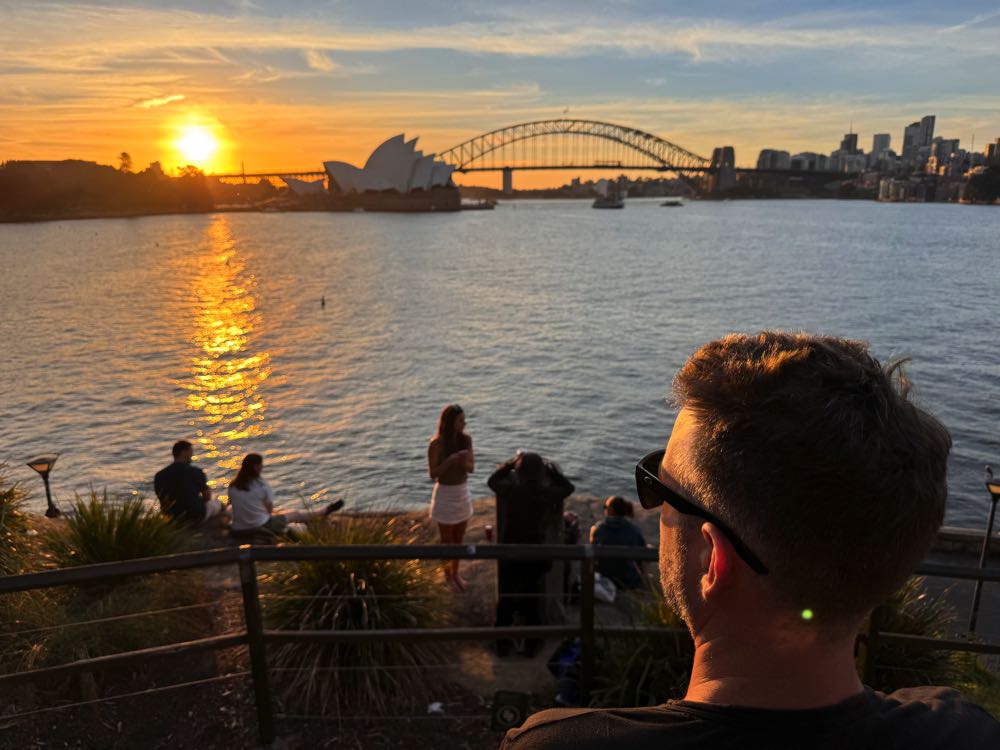
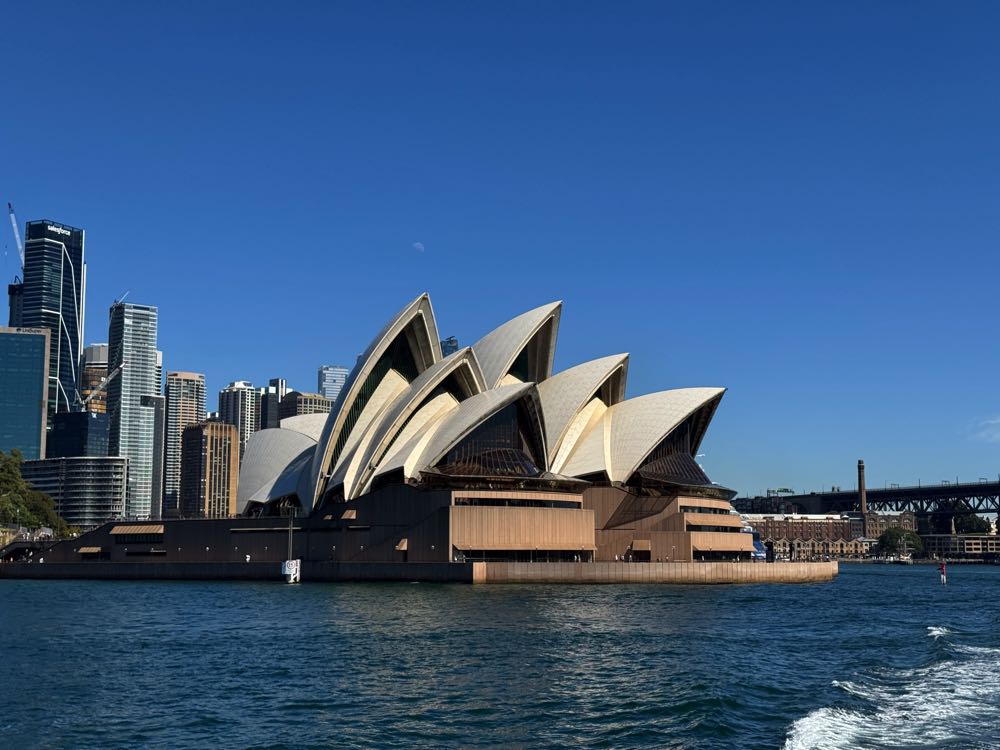
Construction of the Sydney Opera House, designed by Danish architect Jørn Utzon, commenced in 1959 and concluded in 1973 at a final cost significantly exceeding initial estimates. Today, the precinct serves as a focal point for domestic and international tourism, drawing millions of sightseers annually to its shell-like ceramic tile roofs. Visitors begin their exploration at Circular Quay, moving past the Opera House before accessing the Sydney Harbour Bridge.
Constructed during the Great Depression and opened in 1932, the steel arch bridge accommodates vehicular, rail, bicycle, and pedestrian traffic. While commercial ventures such as the BridgeClimb offer guided ascents along the upper arch, public pedestrian pathways provide free, elevated vantage points overlooking the harbor.

Adjacent to the bridge lies The Rocks, Sydney’s oldest European settlement area. Established shortly after the arrival of the First Fleet in 1788, the neighborhood retains narrow sandstone laneways, historic colonial-era architecture, and enduring institutions such as the Fortune of War, recognized locally as the city’s oldest continuously licensed pub.
As evening approaches, the itinerary transitions to the maritime environment via Sydney Harbour dinner cruises. Commercial operators utilizing specialized glass vessels navigate the harbor waters, offering unobstructed 360-degree views of illuminated urban skylines and major monuments as dusk settles.
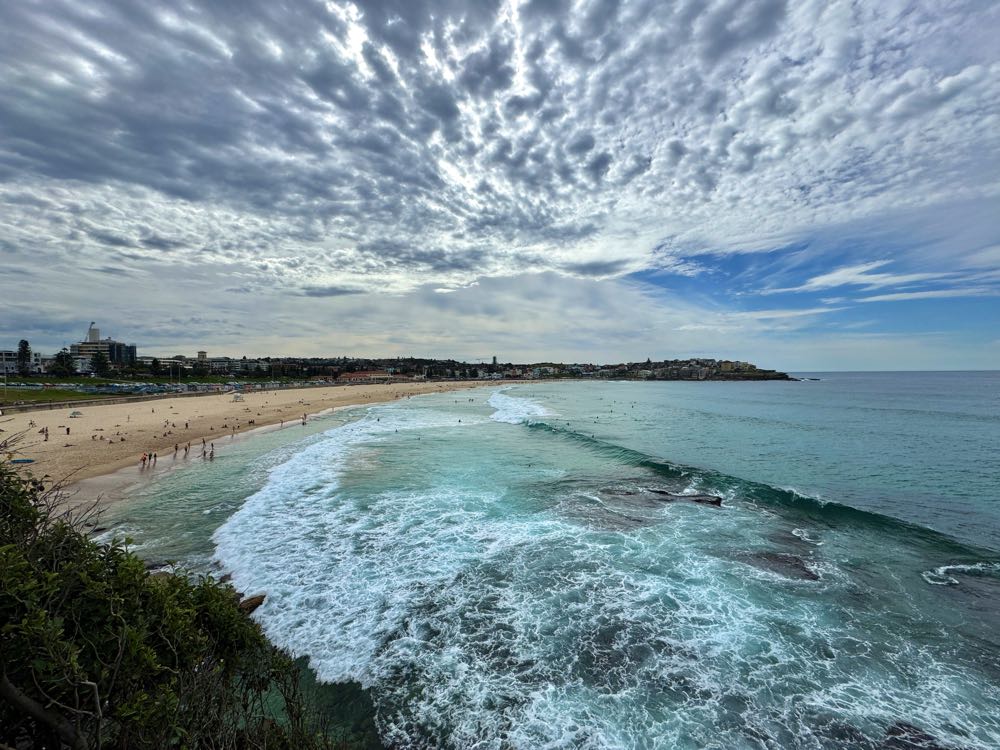
Day Two: Coastal Geography and the Bondi to Coogee Walk
Shifting focus from urban architecture to natural topography, the second day highlights Sydney’s celebrated eastern beaches. Bondi Beach, located approximately seven kilometers east of the Central Business District (CBD), remains one of Australia’s most heavily monitored and visited coastal zones, welcoming tens of thousands of beachgoers on peak summer and autumn days.
Access to Bondi from the central transit hub involves a combination of urban rail services to Bondi Junction followed by dedicated regional bus connections, maintaining transit times between thirty and sixty minutes depending on traffic density. The beach is globally recognized not only for recreational surfing culture but also for its historical significance in professional surf lifesaving, having inspired ongoing media documentation of local rescue operations.
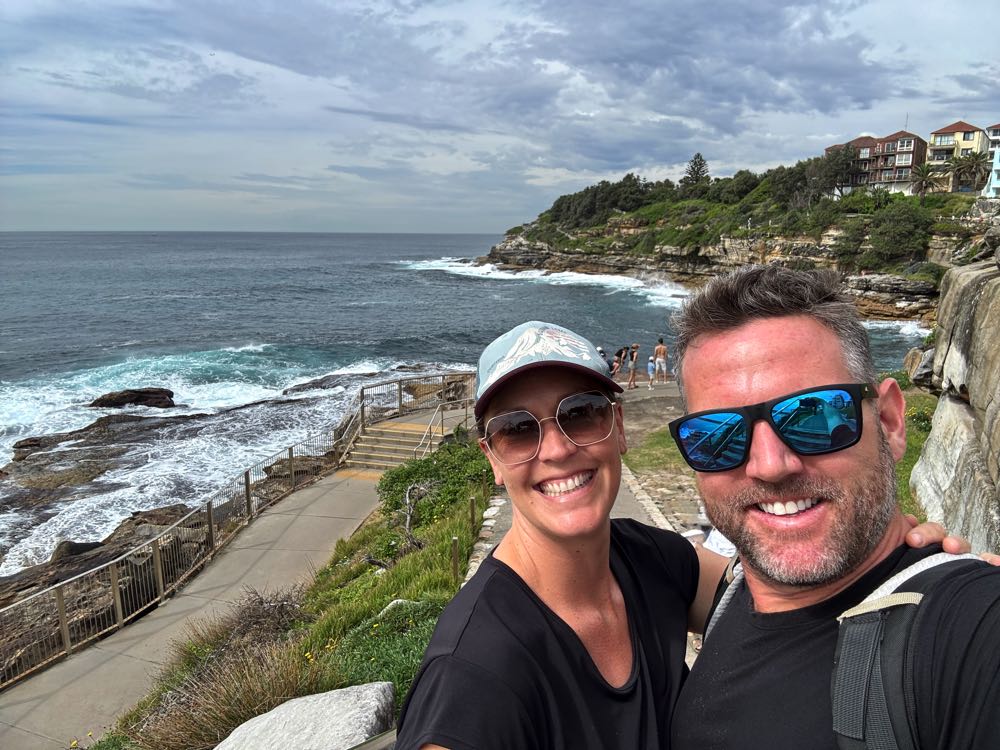
From Bondi Beach, travelers embark on the Bondi to Coogee Coastal Walk, a roughly six-kilometer pedestrian path traversing sandstone cliffs, hidden bays, and ocean-fed swimming pools. The trail passes through Tamarama and Bronte beaches before terminating in Coogee. Environmental and municipal data emphasize the path’s popularity as a recreational asset, requiring adequate preparation regarding hydration and sun protection due to exposed coastal conditions.
Day Three: Urban Architecture, Public Greenspaces, and Culinary Diversity
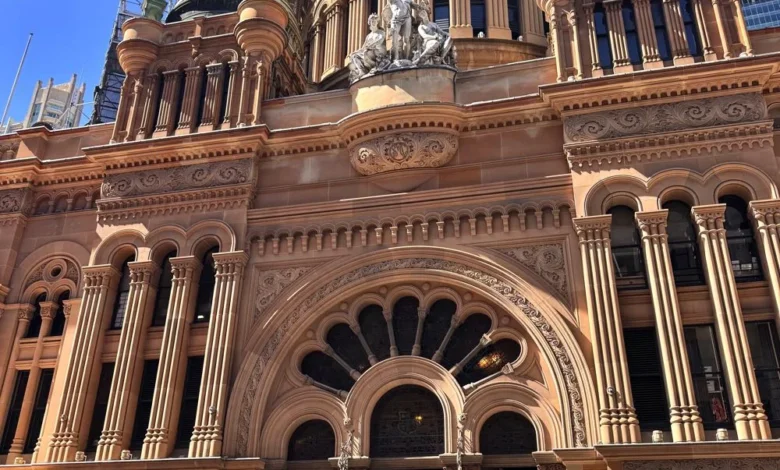
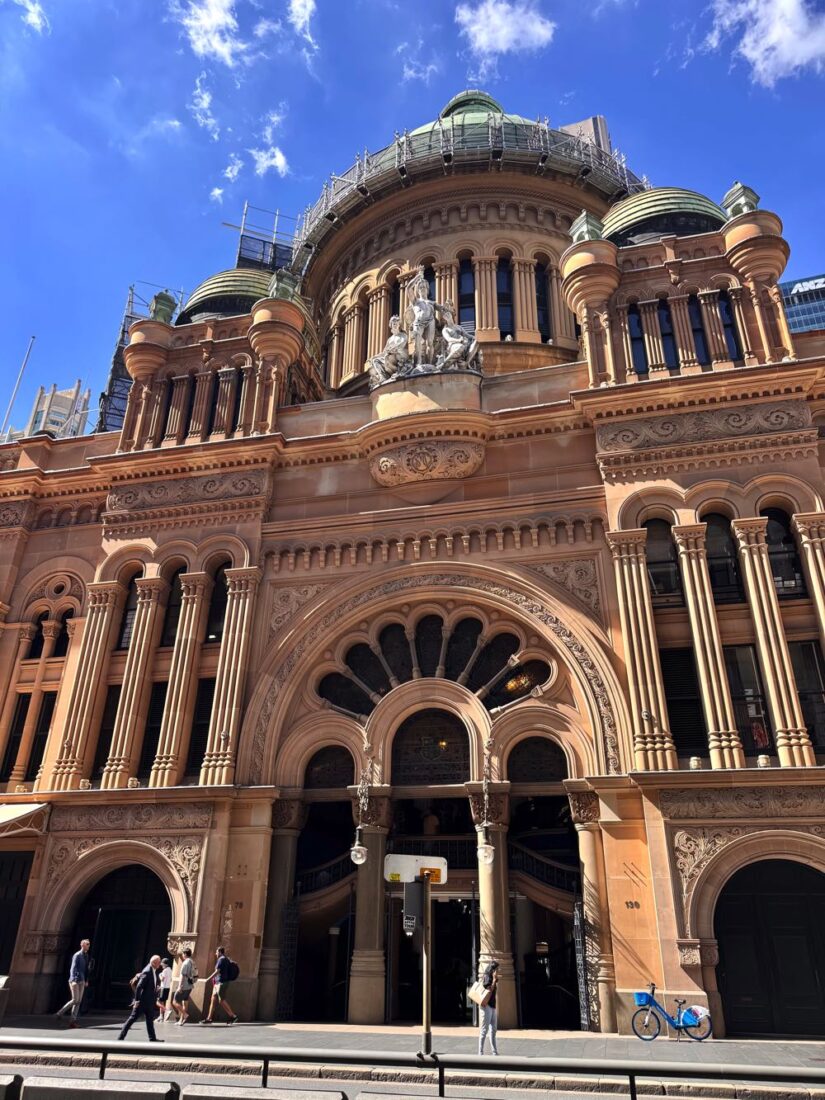
Day three directs focus inward to the CBD, integrating civic architecture with historic public parks. The Queen Victoria Building (QVB), occupying an entire block along George Street, exemplifies late-nineteenth-century Romanesque Revival architecture. Completed in 1898 as a marketplace and municipal building, the structure underwent significant restoration in the late twentieth century to preserve its stained glass windows, intricate tile work, and central dome.
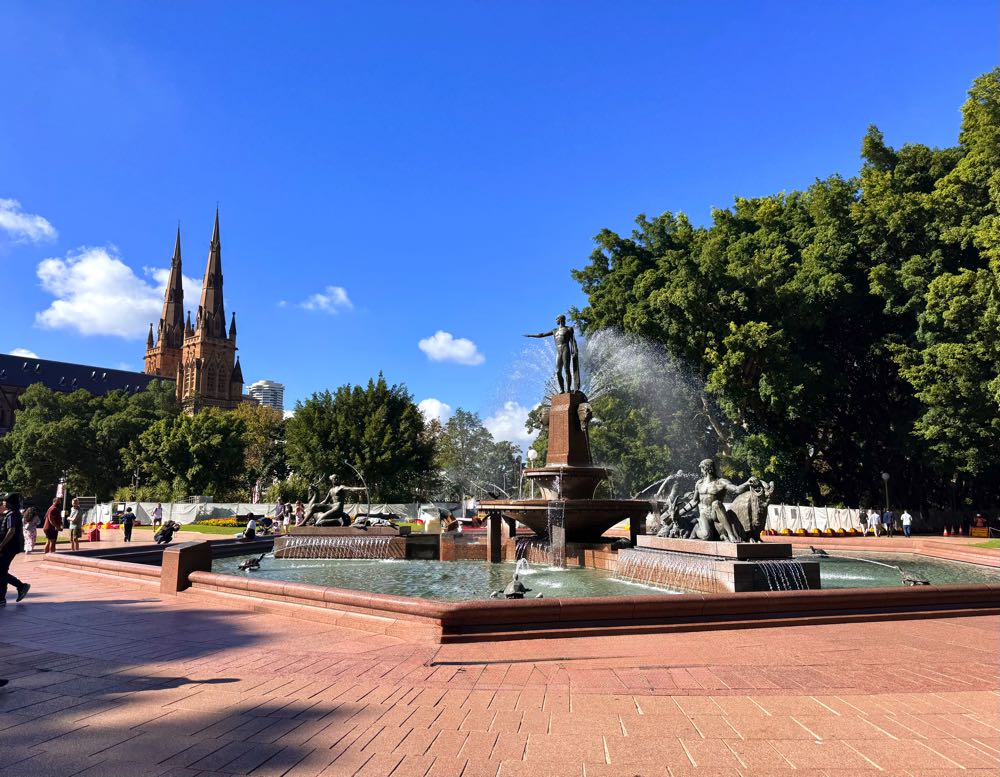
Proximity to Hyde Park—Australia’s oldest public parkland, established in 1810—provides an urban green corridor adjacent to St. Mary’s Cathedral, the seat of the Archbishop of Sydney and a prominent example of Gothic Revival ecclesiastical architecture.
Continuing eastward, visitors enter the Royal Botanic Garden, a 30-hectare scientific and horticultural facility established in 1816 on the shores of Farm Cove. The gardens terminate at Mrs. Macquarie’s Point, a historic promontory carved by convicts in 1810 to provide Governor Lachlan Macquarie’s wife with a scenic vantage point. The location offers alignment perspectives capturing both the Opera House and Harbour Bridge against western sunset backdrops.
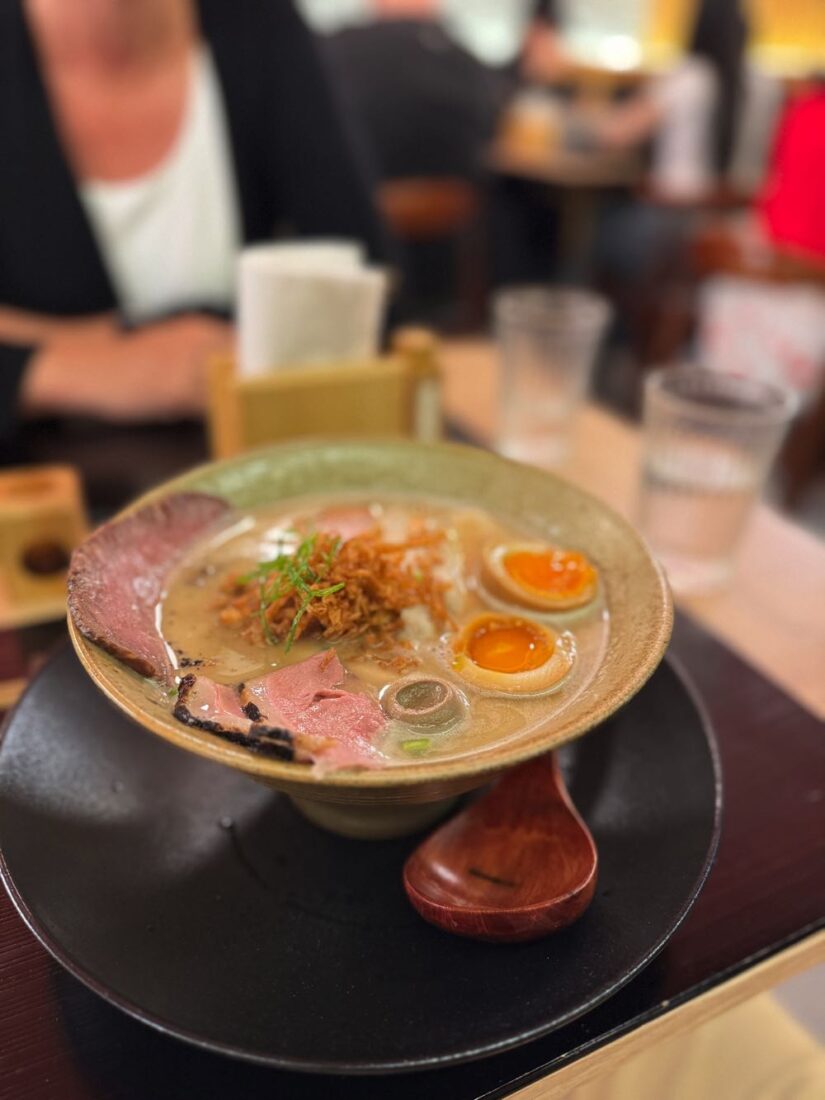
Culinary exploration on day three reflects Sydney’s multicultural demographic shifts. Demographic analyses of the metropolitan area highlight a substantial expansion of Asian culinary establishments over the past two decades. Neighborhoods across the CBD feature diverse regional dining options, with specialized ramen establishments and contemporary pan-Asian eateries drawing significant local and tourist patronage.
Day Four: Maritime Transit and the Manly Peninsula
The fourth day utilizes Sydney’s extensive ferry network, specifically the iconic commuter and tourist route departing Circular Quay for Manly. The thirty-minute ferry transit across the harbor functions as both a transportation method and a scenic excursion, offering panoramic views of maritime traffic and shoreline suburbs.
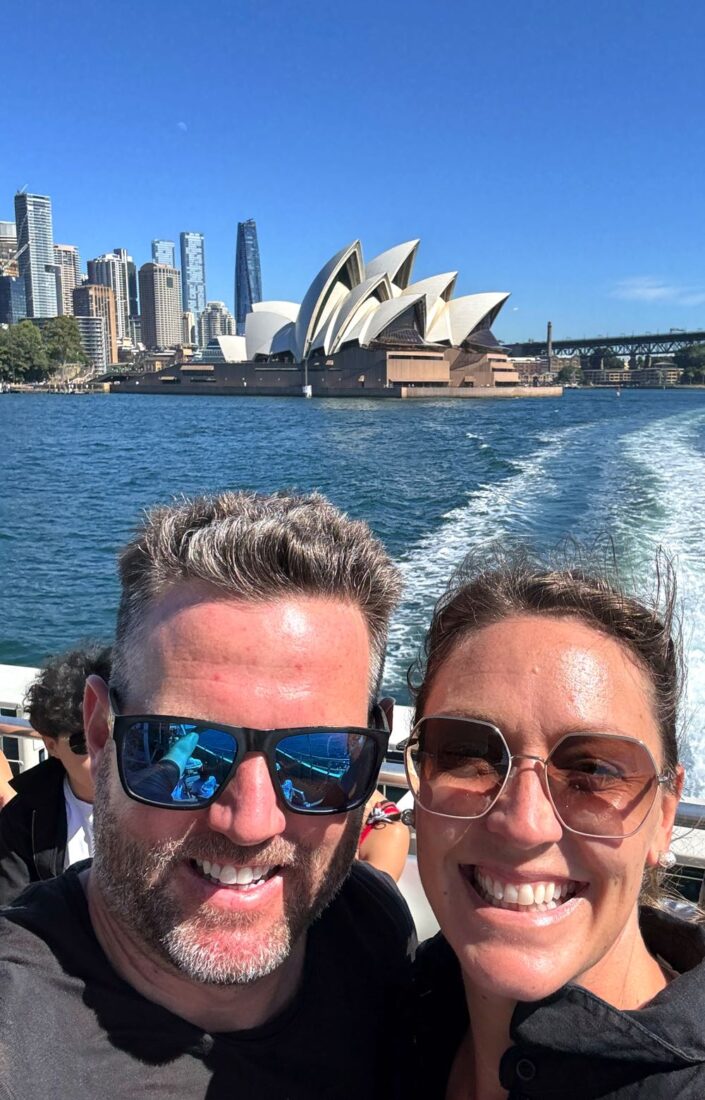
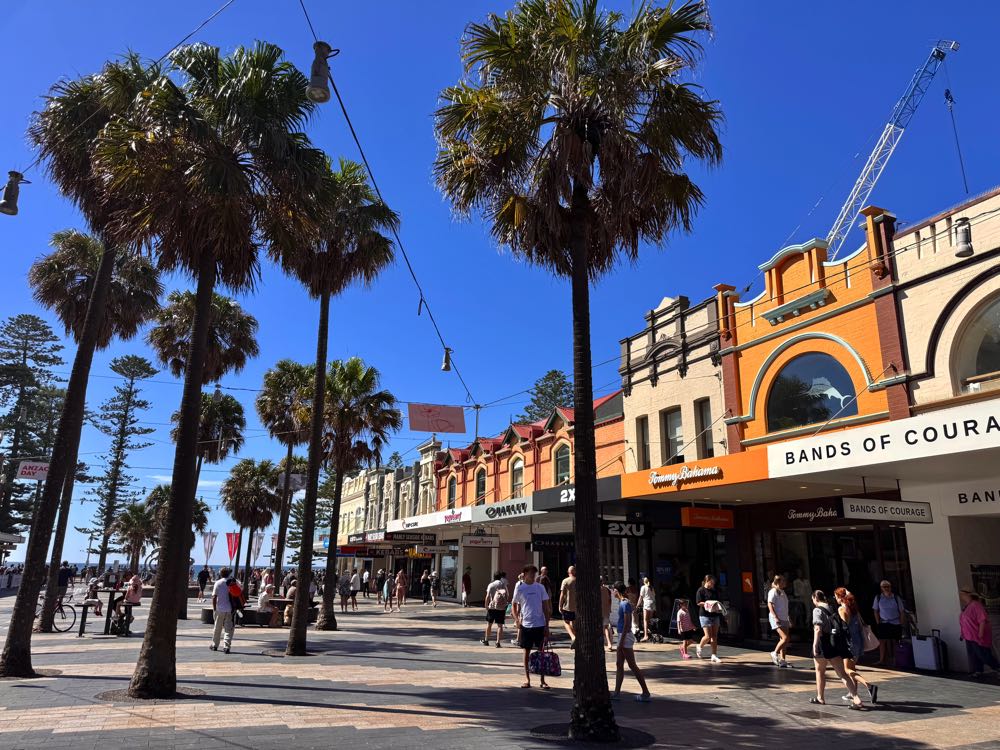
Manly, situated on a narrow peninsula bound by the Pacific Ocean to the east and Port Jackson to the west, operates as a distinct coastal community. Named by Governor Arthur Phillip in 1788 due to the "confidence and manly deportment" of the indigenous people he encountered, the area features a pedestrian-only corso connecting the ferry wharf to Manly Beach.
Further pedestrian trails extend southward to Shelly Beach within Cabbage Tree Bay, a protected marine reserve noted for calm waters and marine biodiversity suitable for snorkeling and swimming. Local municipal planning supports sustainable tourism within the reserve, balancing high visitor volumes with marine conservation mandates.
Day Five: Guided Historical Context, Elevated Perspectives, and Flexible Exploration
The final day of the recommended itinerary emphasizes contextual depth through guided historical walking tours. Tourism boards and independent operators offer specialized programs focusing on the colonial development of The Rocks, indigenous history, and post-war urban transformation. Analysts note that participating in structured walking tours toward the end of an extended stay enhances visitor comprehension by contextualizing landmarks observed independently in preceding days.
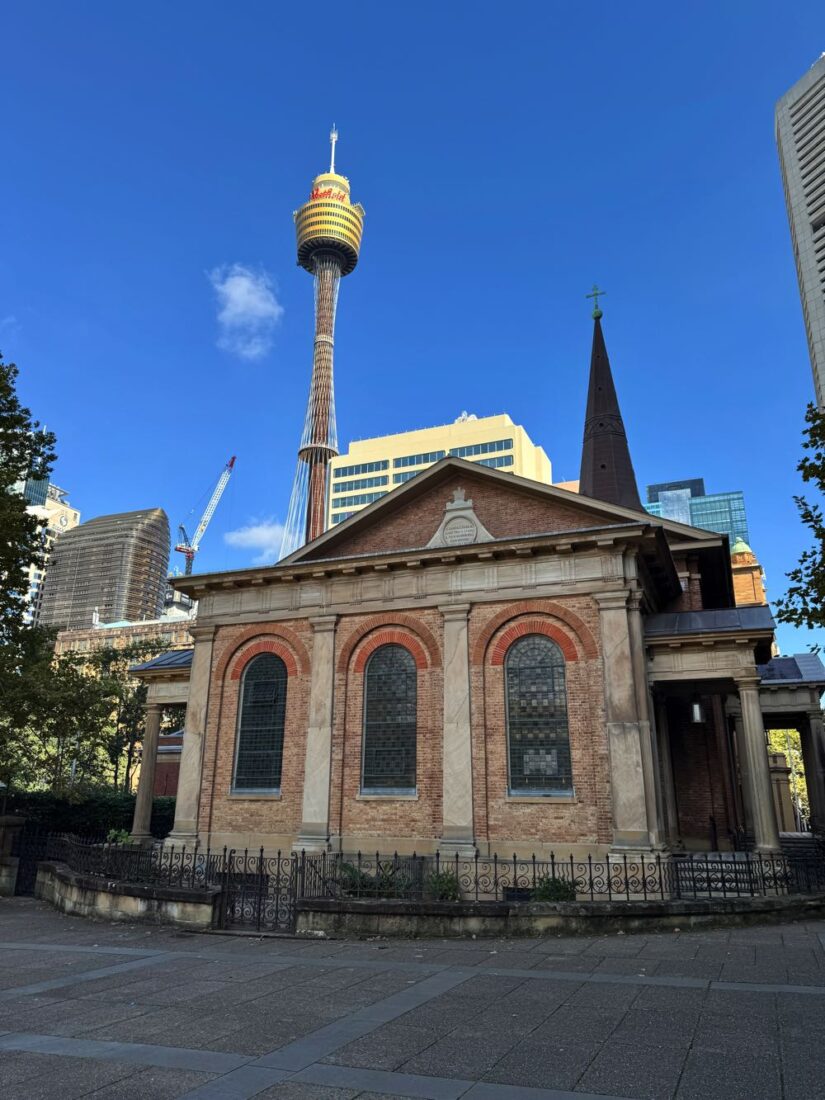
Following historical excursions, visitors ascend the Sydney Tower Eye, the tallest structure in Sydney and the second-tallest observation tower in Australia. Rising 250 meters above street level, the golden turret provides panoramic views spanning the metropolitan basin to the Blue Mountains. Optional outdoor excursions, such as the Skywalk, offer harness-secured viewing platforms extending beyond the perimeter of the primary deck.
Unallocated afternoon hours allow travelers to revisit preferred neighborhoods, explore boutique retail districts, or sample regional produce within local dining establishments.
Logistical Framework: Accommodation and Transit Analysis
Urban planning data for Sydney emphasizes the strategic advantage of central accommodation for short-term visitors. Staying within the CBD, Circular Quay, or adjacent to Darling Harbour minimizes daily transit times and maximizes access to multi-modal transportation nodes.
Public transport throughout the metropolitan area is consolidated under an electronic ticketing system, permitting seamless transitions between heavy rail networks, light rail lines, municipal buses, and cross-harbor ferries. Transportation authorities report high reliability across these systems, leading travel economists to advise against automobile rentals for urban-centric itineraries, citing parking scarcity and congestion charges within the inner city.
Ultimately, empirical tourism data confirms that a five-day duration strikes an optimal balance for first-time visitors to Sydney, mitigating travel fatigue while ensuring comprehensive exposure to the city’s natural, architectural, and cultural assets.