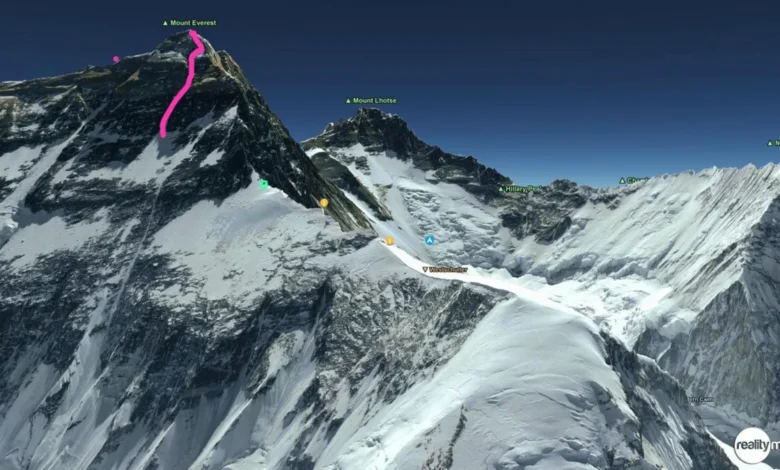
The German alpinist Jost Kobusch has returned to Nepal to launch his fourth attempt at one of the most formidable challenges in modern mountaineering: a solo, unassisted winter ascent of Mount Everest without the use of supplemental oxygen. Kobusch’s project, which focuses on the treacherous Lho La pass and the West Ridge, represents a pinnacle of technical high-altitude mountaineering. By avoiding the standard South Col route and the Khumbu Icefall—often considered the most dangerous section of the mountain—Kobusch is attempting a path that few dare to navigate, let alone in the brutal conditions of the Himalayan winter.
A Rigorous Training Foundation in the Chulu Range
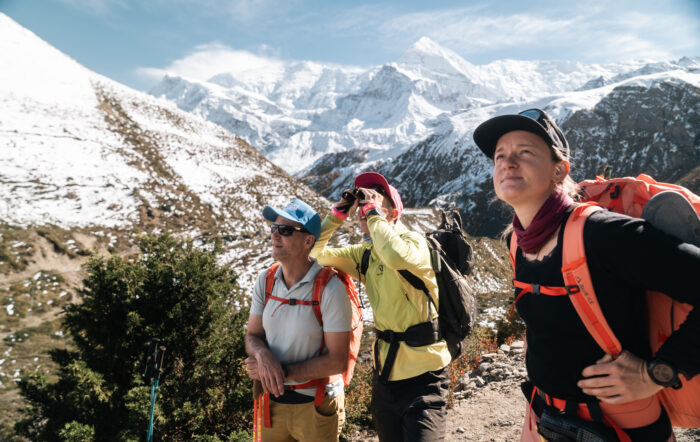
Kobusch’s preparation for the upcoming expedition has been methodical, emphasizing physical acclimatization and psychological resilience. Arriving in Kathmandu two weeks ago accompanied by a support team that includes Nicolas Scheidtweiler, Ella Bruemmer, and photographer Alex Pichon, the 34-year-old climber immediately relocated to the Annapurna region to utilize the Chulu range for high-altitude training.
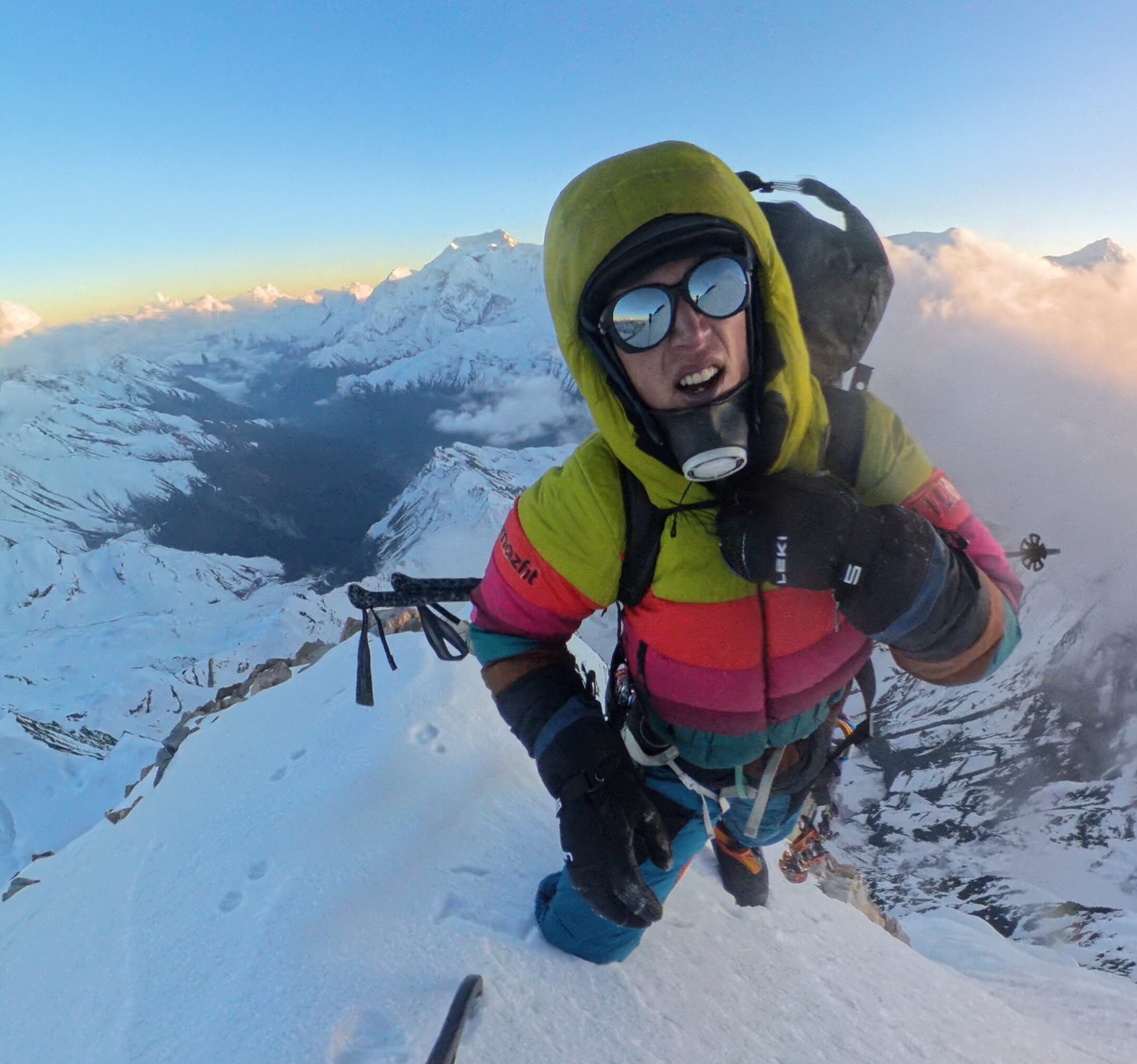
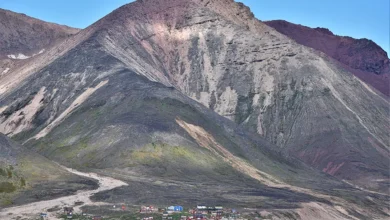
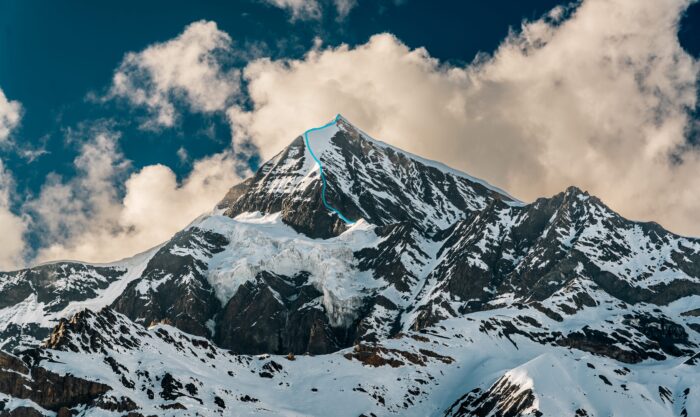
The initial objective was a traverse of the four Chulu peaks, all of which exceed 6,000 meters. While the ambitious traverse was curtailed due to fatigue experienced by his team members, the mission yielded valuable results. The group successfully completed a new route between the summit of Chulu Far East (6,059m) and Chulu East (6,584m). For Kobusch, these sorties are not merely about bagging peaks; they are critical simulations for the isolation and decision-making rigor required for his primary goal on Everest.
"Expeditions rarely unfold exactly as expected," Kobusch noted regarding the adjustment to his training plans. This pragmatism is a hallmark of his approach. He understands that in the death zone, the ability to adapt to shifting circumstances—weather windows, health issues, or equipment failure—is as important as raw physical strength.
The Strategic Path to the Khumbu
Following his work in the Annapurna region, Kobusch has outlined a precise timeline for his transition to the Everest massif. He plans to scale an additional 7,000-meter peak in the coming weeks before moving to the Khumbu region in late November. The strategy is to reach an altitude of at least 8,000 meters on a secondary mountain before the official start of the winter season on December 22. This "pre-acclimatization" is intended to allow him to hit the ground running, bypassing the long, slow process of acclimatizing on Everest itself, which consumes precious energy and time during the short winter weather windows.
Once the calendar shifts to December 22, Kobusch will begin his solo assault. While he will maintain contact with a support team at Base Camp for logistical and media purposes, he will remain entirely self-reliant once he departs for the mountain.
A Chronology of Persistence
Kobusch’s relationship with Everest is defined by a decade of incremental progress and setbacks. His pursuit is not just an athletic feat but a long-term project of exploration.
- 2019-2020: The debut attempt. Kobusch reached the West Shoulder, pushing to an altitude of 7,300 meters, proving that the West Ridge was a viable, albeit dangerous, path for a solo climber.
- 2021-2022: A second attempt hampered by extreme weather. High winds, which are common during the winter months on the world’s highest peak, forced a turnaround at 6,400 meters.
- 2022-2023: A season lost to illness. While training in Nepal, Kobusch contracted dengue fever, necessitating a recovery period that pushed his Everest plans back. He redirected his focus to a successful winter solo of Denali in early 2023, showcasing his capacity for extreme cold-weather mountaineering.
- 2023-2024: A season lost to physical injury. A back injury prevented a return to the mountain.
- 2024-2025: The most recent attempt, where Kobusch achieved his highest point to date: 7,537 meters on December 27. This result provided critical data on the route’s feasibility and the physical toll of the climb.
Analysis of Risk and Technical Challenges
The challenge of a winter solo ascent of Everest is magnified by the lack of fixed ropes and the psychological burden of absolute isolation. In the winter, the jet stream often drops directly onto the summit of Everest, bringing wind speeds that can exceed 150 kilometers per hour and temperatures that can plummet to -50°C.
Kobusch’s choice of the West Ridge is technically superior to the standard routes but significantly more exposed. By climbing solo, he eliminates the possibility of rescue in the event of a fall or medical emergency. He has estimated his probability of success at approximately 20%. In the world of high-stakes alpinism, such an assessment is notably candid. For Kobusch, the low probability of success is not a deterrent but rather a reflection of the reality of pushing the boundaries of what is possible in the current era of mountaineering.
The Evolution of High-Altitude Alpinism
Kobusch’s project exists in a different category than the commercialized expeditions that dominate the Everest landscape during the spring season. By operating in the winter, he avoids the queues and the infrastructure of the "Everest industry." His approach aligns with the ethos of "fast and light" alpinism, where the emphasis is placed on the style of the ascent rather than the summit itself.
Experts in the mountaineering community observe that Kobusch’s attempt represents a return to the roots of exploratory climbing. "What Jost is doing is a form of scientific inquiry," says an independent mountain guide familiar with the Lho La route. "He is testing the limits of human endurance in a controlled, albeit lethal, environment. Success would be a monumental achievement in the history of the sport, but the attempt itself is already a study in extreme logistics and preparation."
Implications and Future Outlook
As Kobusch prepares for his mid-December start, the eyes of the international climbing community remain fixed on the Khumbu. The implications of his success would be profound; it would likely shift the focus of future winter attempts, proving that the West Ridge is a viable, if formidable, alternative to the standard routes.
However, Kobusch remains grounded. His public statements emphasize the necessity of "doing his homework." He has spent years analyzing satellite imagery, weather patterns, and his own physiological responses to altitude. His team at Base Camp, while limited, ensures that his progress is tracked and that he has the necessary support for his return.
"I need to be able to move efficiently, make good decisions when I’m tired, manage risk alone, and stay comfortable in an environment where very small mistakes can have very serious consequences," Kobusch wrote in a recent briefing. As he finishes his final preparations in Nepal, it is clear that he is approaching this fourth attempt with the experience of the previous three. He is no longer just a climber attempting a peak; he is an athlete executing a long-term strategic mission, fully aware that the mountain will dictate the terms of his success. The coming winter will determine if the culmination of his training, planning, and resilience is sufficient to conquer the world’s most iconic, and most unforgiving, summit.