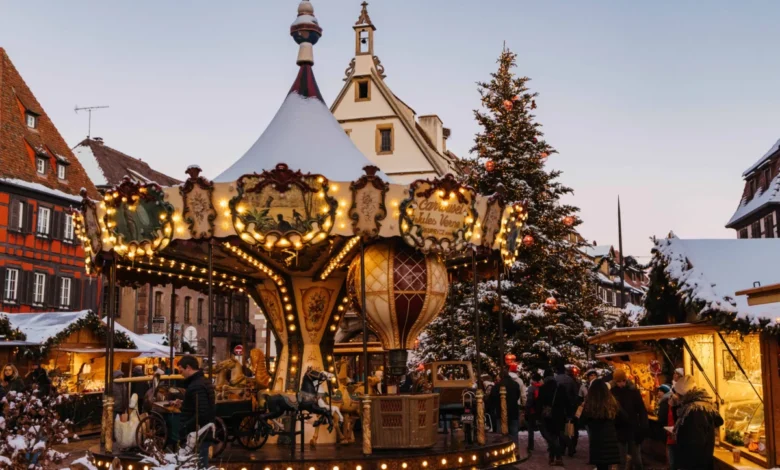
The tradition of European Christmas markets, known variously as Christkindlmarkt, Marché de Noël, and Weihnachtsmarkt, represents a significant cultural and economic pillar of the European winter season. These markets, which transform historic town squares into illuminated hubs of commerce and social gathering, draw millions of international visitors annually. For the uninitiated traveler, navigating these markets requires an understanding of their historical context, logistical demands, and the etiquette governing their operation.

Historical Context and Evolution
The genesis of the Christmas market is rooted in the late Middle Ages, specifically within German-speaking territories. Historical records indicate that the Striezelmarkt in Dresden, Germany, established in 1434, stands as one of the oldest documented examples. Originally, these markets functioned as essential winter supply points, allowing townspeople to procure meat, firewood, and basic winter necessities before the onset of the deepest freeze.

Over centuries, the focus transitioned from subsistence to celebration. By the 19th and 20th centuries, the markets integrated regional artisan crafts—such as hand-carved wooden toys, blown-glass ornaments, and intricate nutcrackers—alongside culinary traditions like Stollen (fruit bread) and lebkuchen (gingerbread). Today, these markets serve as a vital tourism engine, with major cities in Germany, France, Austria, and Switzerland utilizing them to sustain local economies during the traditionally slow travel months of late November and December.

Operational Timelines and Seasonal Patterns
European Christmas markets typically operate within a fixed window tied to the liturgical season of Advent. Most begin in the final week of November, coinciding with the Sunday closest to November 30th, and conclude on December 23rd or 24th. However, large metropolitan hubs, including Vienna, Cologne, and Prague, often extend their operations to capture post-Christmas tourism, sometimes remaining open through New Year’s Day or into the first week of January.

Travelers must account for significant variations in opening hours. While some major city markets operate daily, smaller regional markets may only function on weekends. Furthermore, specific religious observances, such as Totensonntag (a Sunday of remembrance in Germany), often result in either full closures or restricted hours for markets, necessitating careful itinerary planning. For the 2026 season, travelers should note that November 22 is designated as a day of remembrance in Germany, with many markets either shuttering or operating on significantly delayed schedules.

Logistical Navigation: Transportation and Infrastructure
The efficiency of visiting multiple markets depends largely on the chosen mode of transport. The European rail network, including high-speed lines such as the ICE (InterCity Express) in Germany and the TGV in France, provides the most reliable connectivity between major market cities. Many of these hubs are strategically located within walking distance of primary train stations, facilitating seamless transfers.

River cruising has emerged as a high-growth sector within this travel niche. By utilizing the Rhine, Danube, and Seine rivers, cruise operators offer a "floating hotel" experience, allowing passengers to visit multiple regional markets without the burden of constant hotel check-ins and luggage transport.
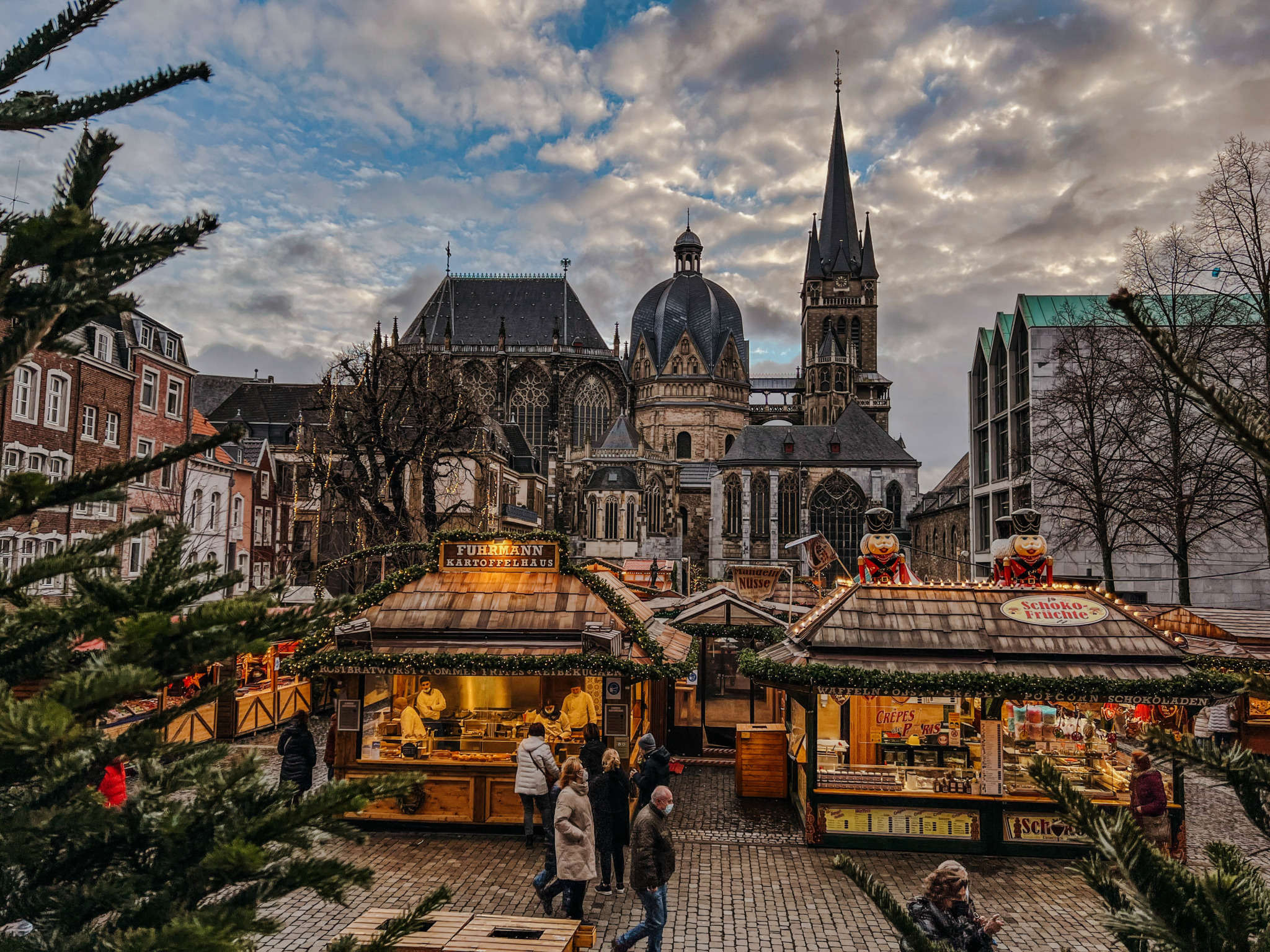
For those opting for self-drive excursions, local authorities in major tourist hubs have implemented standardized parking management systems. Because city centers often become pedestrian-only zones during the market season, travelers are encouraged to utilize designated peripheral parking garages and rely on local tram or bus networks to reach the city core. Many cities offer comprehensive "Christmas Market Passes," which provide unlimited access to public transit for a set duration, often bundled with small discounts at participating vendors.

Economic and Sustainability Standards: The Pfand System
A critical component of the modern Christmas market experience is the "Pfand" (deposit) system. This environmental initiative requires customers to pay a small surcharge—typically between €2 and €5—upon purchasing a beverage served in a ceramic or glass mug. This fee is reclaimed when the vessel is returned to any authorized stall.

Beyond its function as a waste-reduction strategy, the Pfand system has inadvertently created a secondary market for souvenirs. Many markets produce unique, year-dated mugs that reflect local architectural or historical themes. Travelers often choose to forfeit their deposit, keeping the mug as a tangible memento of their visit. To ensure hygiene and quality, vendors will exchange a dirty mug for a clean one at no additional cost if a customer wishes to continue drinking but also keep their collection.

Culinary and Artisan Standards
The food offerings at these markets are strictly regulated by local health and tradition guidelines. A standard market circuit typically features a rotation of savory and sweet staples. Savory options are dominated by regionally specific sausages, such as Bratwurst or Currywurst, and melted-cheese dishes like Raclette. Sweet offerings frequently include roasted almonds, candied fruits, and various iterations of gingerbread.

From an economic standpoint, these markets serve as a protected space for local artisans. To maintain the authenticity of the "Christmas market" branding, many municipal councils mandate that a specific percentage of vendors must sell handcrafted, locally produced goods rather than mass-produced imports. This regulation supports the local manufacturing sector and ensures that visitors are purchasing authentic cultural products, such as Erzgebirge wood carvings or regional textile arts.

Strategic Planning for First-Time Visitors
For those planning their first excursion, experts recommend a strategy of "early-day attendance." Markets reach peak congestion during weekday evenings and all-day weekends, as locals frequently gather after work or school to socialize. Visiting during a weekday morning or early afternoon allows for a more relaxed experience, permitting closer inspection of artisan stalls and shorter wait times for food and drink service.
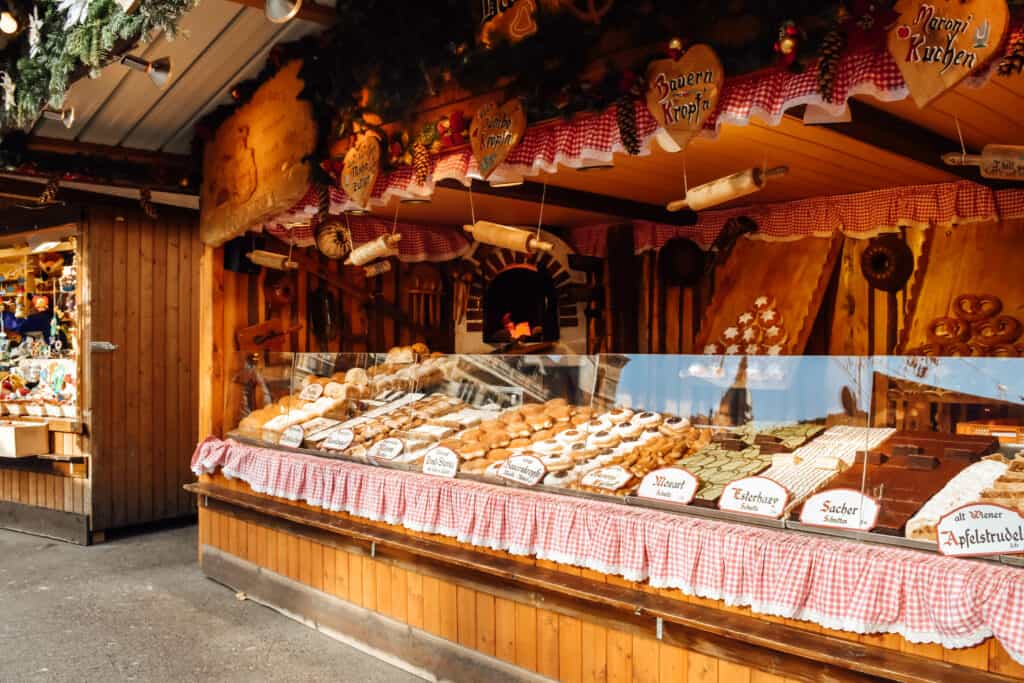
Preparation for environmental factors is also essential. Most markets are exclusively outdoor events held in temperatures that frequently drop near or below freezing. The standard recommendation is a multi-layered clothing strategy: thermal base layers, moisture-wicking wool socks, and wind-resistant outerwear. Additionally, while electronic payments are becoming more common in urban centers, the continued reliance on cash for smaller, family-run stalls necessitates carrying a supply of local currency in small denominations.

Institutional Impacts and Future Projections
The impact of these markets extends beyond tourism; they represent a significant social glue for European communities. However, the industry is not immune to modern challenges. Infrastructure updates, such as the major construction project currently affecting the Belvedere market in Vienna, can lead to sudden, season-long closures. Similarly, shifting security and ticketing protocols—such as the potential implementation of entry fees for major historic sites like the Cologne Cathedral—require travelers to verify current policies via official municipal websites before arrival.

As of the 2026 travel cycle, travelers are advised to prioritize flexibility. With high demand and the potential for venue-specific changes, checking the official tourism portal of the specific city or region remains the most effective way to avoid disruptions. By balancing historical appreciation with modern logistical planning, first-time visitors can successfully navigate the complexities of Europe’s festive season.