Navigating Costa Rica: A Comprehensive Guide to Regional Planning and Family Itinerary Design for International Travelers

Costa Rica remains one of the premier global destinations for family travel, yet its deceptive geographical footprint frequently misleads international visitors. Spanning approximately 19,730 square miles—roughly the size of the state of West Virginia—the country packs an extraordinary amount of ecological diversity into a relatively compact area. However, the nation’s dramatic topography, defined by a central mountainous spine featuring peaks reaching over 12,000 feet, creates formidable natural barriers. These physical partitions divide the country into distinct microclimates, ecosystems, and cultural zones that function more like independent territories than neighboring provinces.
Travel logistics within Costa Rica require meticulous planning. Distances that appear manageable on a standard map frequently demand two to three times the expected travel time by motor vehicle. The nation’s infrastructure relies heavily on two-lane highways, winding mountain passes, and unpaved rural roadways that are vulnerable to seasonal weather disruptions. Consequently, the primary consideration for travel advisors and families is not merely the duration of the stay, but rather the strategic selection and sequencing of regional destinations. Understanding the distinct attributes of Costa Rica’s seven primary regions is essential for designing an efficient, balanced, and rewarding family itinerary.
Guanacaste: Sun-Drenched Coastlines and Cowboy Culture
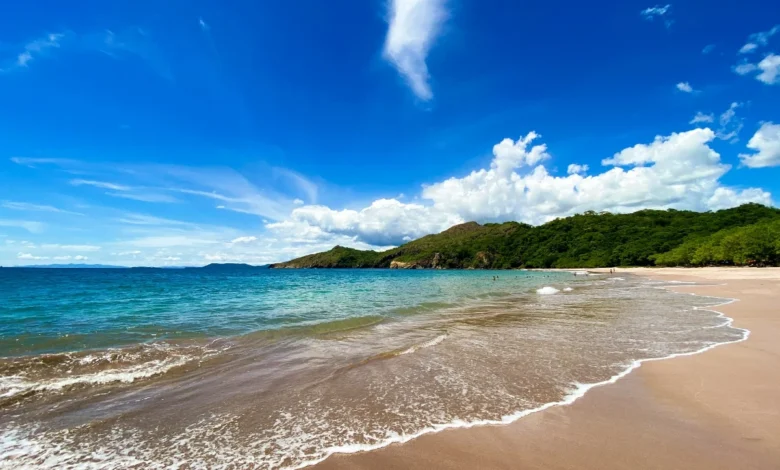
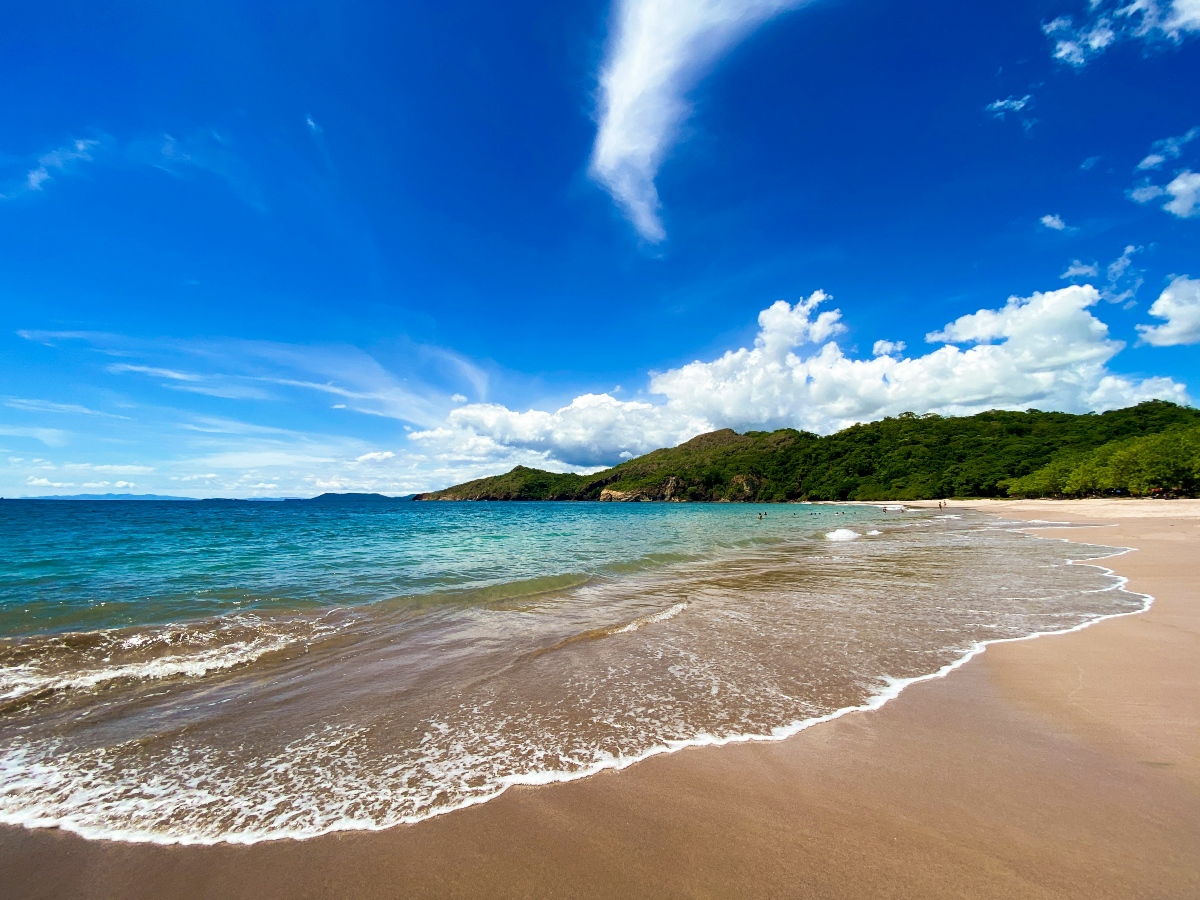
Occupying the northwestern corner of Costa Rica, Guanacaste offers an appealing introduction to the country for families prioritizing convenience and coastal recreation. The region’s geography transitions dynamically from the calm, protected coves of the Peninsula Papagayo to the renowned surf breaks of Tamarindo and Nosara. Inland, the landscape shifts toward rolling ranchlands and active volcanic peaks, most notably Rincón de la Vieja National Park. This interior territory preserves a distinct sabanero (Costa Rican cowboy) heritage that infuses the local culture with unique traditions, horsemanship, and community celebrations.
For families, Guanacaste delivers a high concentration of accessible outdoor adventures. Beginners can take surf lessons in Tamarindo’s forgiving waves, while catamaran excursions offer opportunities for marine wildlife observation. Within Rincón de la Vieja National Park, guided hikes lead visitors past cascading waterfalls, bubbling geothermal mud pots, and natural mineral hot springs. Additional regional attractions include ethical wildlife rescue facilities, horseback riding excursions, and calm beaches suitable for swimmers of all ages.
From a logistical standpoint, Guanacaste’s primary advantage is its proximity to Daniel Oduber Quirós International Airport (LIR) in Liberia. Many regional resorts and family-friendly hotels are situated within a 30- to 45-minute drive of the terminal, significantly reducing transit fatigue for families traveling with young children and bulky car seats. However, travelers must weigh this convenience against environmental factors: the pronounced dry season that guarantees consistent sunshine along the coast also causes inland hills to turn arid by March, while natural shade on public beaches can be limited.
The Caribbean Coast: Cultural Richness and Untamed Jungles
Marching to a distinct cultural and ecological rhythm, Costa Rica’s Caribbean coast offers an immersive counterpoint to the Pacific side. Rooted in Afro-Caribbean heritage, Bribri Indigenous traditions, reggae music, and flavorful Creole gastronomy, towns such as Puerto Viejo and Cahuita anchor a vibrant jungle-meets-the-sea environment. Black- and white-sand beaches sit adjacent to some of the country’s most biologically dense and protected lowland rainforests.
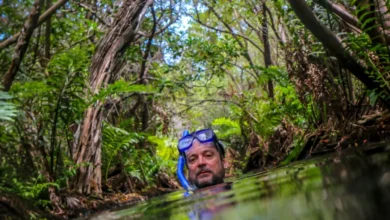
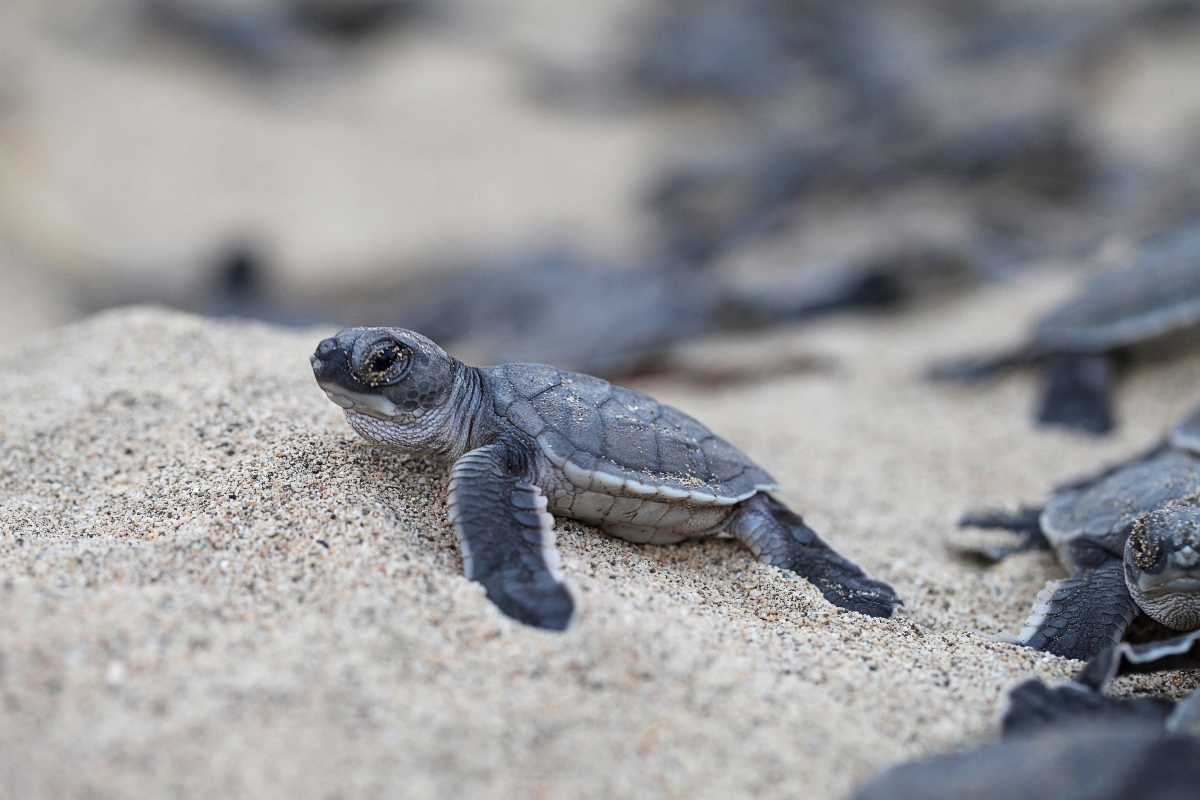
Further north, the remote canals of Tortuguero form an intricate, roadless labyrinth accessible exclusively by watercraft or regional aircraft. This isolated ecosystem serves as a critical nesting ground for endangered green sea turtles. The Caribbean corridor is generally characterized by higher annual rainfall, lush vegetation, and lower tourist density than its western counterpart. Notable family activities include snorkeling along the coral reef in Cahuita National Park, wildlife spotting excursions to observe sloths, howler monkeys, and toucans along coastal trails, and dawn paddle-boarding through the tranquil waterways of Tortuguero in search of caimans and avian species. The region’s relaxed, bicycle-friendly coastal towns also host artisanal chocolate-making tours.
Logistical planning for the Caribbean side demands a significant time commitment. Ground transit from the capital of San José to Puerto Viejo typically exceeds four hours. Meanwhile, reaching Tortuguero requires coordinated boat transfers or strict adherence to regional airline luggage limitations. Weather patterns here operate inversely to the Pacific coast: green sea turtle nesting occurs from July through October, overlapping with September and October—a brief window when the Caribbean experiences drier conditions just as the Pacific side enters its heaviest rainfall period.
The Nicoya Peninsula: Rugged Landscapes and Blue Zone Longevity
Positioned directly south of Guanacaste across the Gulf of Nicoya, the Nicoya Peninsula presents a more rugged and uncommercialized coastal experience. Characterized by the world-class surf breaks of Santa Teresa, the cascading waterfalls of Montezuma, and miles of secluded shoreline reached primarily via unpaved dirt roads, the region fosters a slower, more deliberate pace of daily life. Notably, the Nicoya Peninsula is officially designated as one of the world’s rare "Blue Zones"—regions where local populations demonstrate an exceptional statistical longevity, with a high concentration of residents living active lives past the age of 90. This distinct cultural atmosphere is reflected in the unhurried lifestyle of its rural villages.
Family itineraries centered in Nicoya are well-suited for travelers seeking unpretentious, nature-focused activities. Typical daily pursuits include beginner surf instruction, marine tidepool exploration, horseback riding along the shoreline, and jungle hikes leading to the Montezuma falls. Boat excursions to nearby Isla Tortuga provide protected, turquoise waters ideal for snorkeling and swimming, leaving ample unstructured time for relaxation.
Transportation to the Nicoya Peninsula varies considerably depending on the specific destination. Northern hubs such as Nosara and Sámara are accessible via overland routes from Liberia International Airport. Conversely, journeys to the southern tip of the peninsula generally require boarding the Puntarenas-Paquera vehicle ferry, navigating the perimeter of the Gulf of Nicoya, or booking a short connecting flight into Tambor. Infrastructure on the southern peninsula remains less developed, with numerous unpaved or seasonally challenging roadways. Consequently, travelers exploring this area independently should secure a high-clearance four-wheel-drive vehicle to ensure safe transit during the green season.
The Central Valley: Agricultural Heartland and Urban Gateway
Cradled by surrounding mountain ranges and volcanic peaks, the Central Valley serves as the historical and demographic heartland of Costa Rica. Containing the capital city of San José alongside the country’s primary international hub, Juan Santamaría International Airport (SJO), this region houses approximately two-thirds of the national population. The local climate is temperate and springlike, a meteorological condition that has sustained the nation’s premier coffee-producing sector for generations. Agricultural estates and historical towns are dispersed throughout the verdant highlands.
Family-oriented excursions in the Central Valley frequently center on agricultural education. Commercial and family-run coffee plantations offer interactive tours where older children can trace the bean-to-cup production process, while younger visitors can observe native hummingbird species feeding in botanical gardens. Day trips to the summit craters of Poás or Irazú Volcanoes, as well as regional butterfly conservatories, provide engaging educational experiences that can easily be scheduled at the beginning or conclusion of an international flight itinerary.
The region’s altitude provides a natural climate control mechanism. Situated at elevations frequently exceeding 3,000 feet above sea level, the Central Valley experiences significantly milder daytime temperatures and cooler evenings than the coastal lowlands, offering a refreshing atmospheric contrast for travelers transitioning from tropical beach environments.
The Northern Region: Volcanoes, Cloud Forests, and High-Adrenaline Adventure
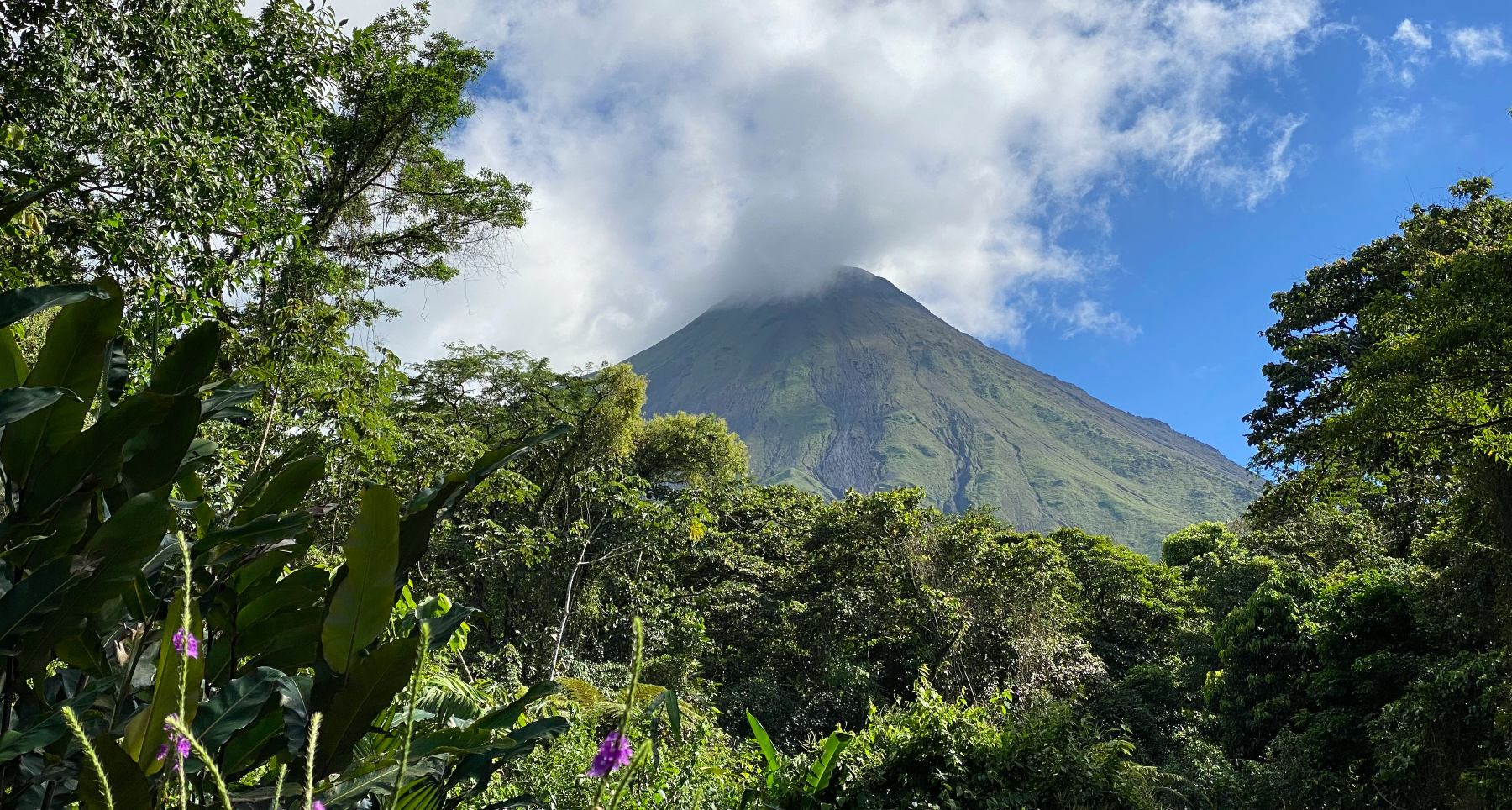
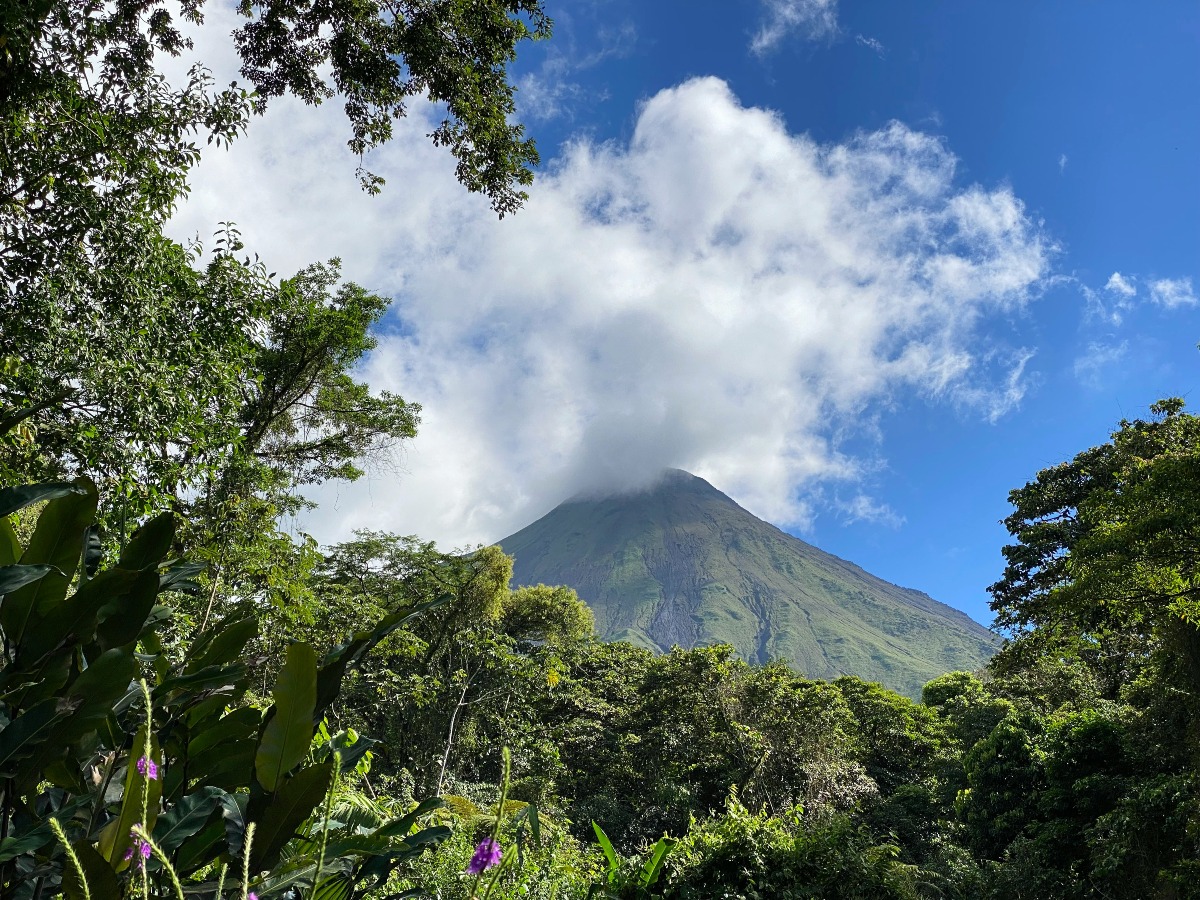
Spanning the interior lowlands toward the Nicaraguan border, the Northern Region is anchored by the near-perfect symmetrical cone of Arenal Volcano and the adventure tourism hub of La Fortuna. This territory also encompasses the ecologically diverse wetlands of Caño Negro and, along its western periphery, the high-altitude Monteverde cloud forest. Together, these areas constitute one of the most concentrated zones for ecological tourism and high-impact outdoor recreation in Central America.

Beyond the thermal mineral hot springs heated by geothermal activity, families can traverse the rainforest canopy via elevated suspension bridges, embark on peaceful floating safaris down the Peñas Blancas River to observe resident monkeys and sloths, tour wildlife rehabilitation facilities, or participate in guided nocturnal walks to view endemic amphibians. For families with older children and teenagers, the region offers more rigorous pursuits, including ziplining, canyoning, and whitewater rafting.
Geographically, the Northern Region is expansive. La Fortuna is accessible via ground transfers from both San José and Liberia airports, with transit times averaging three to four hours depending on traffic and weather. Furthermore, travel advisors emphasize that Monteverde and La Fortuna, while geographically proximate on a map, are separated by Lake Arenal and rugged terrain; attempting to treat them as day trips from a single home base is highly impractical.
The Central Pacific: Accessible Wildlife and Coastal Diversity
The Central Pacific coastline delivers a remarkable concentration of ecological and recreational variety within a relatively short, easily navigable corridor from San José. Anchored by Manuel Antonio National Park—one of the smallest yet most biologically active protected areas in the country—the region pairs dense rainforest habitats with picturesque, palm-fringed beaches where wild white-faced capuchin monkeys and three-toed sloths frequently forage along the shoreline. Adjacent towns, such as Jacó, provide robust infrastructure, surf culture, and dining amenities.
For first-time visitors or those operating on a compressed travel schedule, the Central Pacific provides an efficient introduction to Costa Rica’s natural assets without requiring deep inland penetration. Guided walking tours through Manuel Antonio National Park yield reliable sightings of sloths, iguanas, coatis, and diverse avian species. Additional regional activities include beginner surf instruction, mangrove kayak explorations, and sunset marine excursions.

Logistically, Manuel Antonio is located approximately a three-hour drive from San José via predominantly paved highway networks, making it exceptionally popular for short-duration itineraries. However, this accessibility introduces significant trade-offs: high visitor volumes require strict daily entry caps and advance ticket reservations for the national park, and the surrounding municipality is among the most intensely developed and commercialized coastal sectors in the country.
The South Pacific: Remote Wilderness and Marine Sanctuaries
Representing Costa Rica’s most wild and isolated frontier, the South Pacific grows progressively more lush, remote, and ecologically pristine the further south one travels. Corcovado National Park and the encompassing Osa Peninsula protect one of the most intensely biodiverse lowland rainforest ecosystems on the planet, serving as a primary destination for serious naturalists and wildlife researchers. The dramatic underwater topography of Marino Ballena National Park—famous for its natural tombolo sandbar shaped like a whale’s tail—alongside the towering peaks of the Talamanca mountain range, defines a region engineered for deep nature immersion rather than rapid sightseeing.
Family travel to the South Pacific is best suited for households with older children and teenagers. Guided multi-mile treks through Corcovado National Park offer encounters with Baird’s tapirs, endangered scarlet macaws, and all four of Costa Rica’s native monkey species. Seasonal marine excursions provide prime opportunities for humpback whale and dolphin observation. Many remote eco-lodges in the Osa Peninsula incorporate on-site naturalist guides, private trail systems, and kayaking directly into their properties, minimizing the need for extensive daily transit.
Accessing the South Pacific requires deliberate logistical commitment. Reaching regional eco-lodges typically necessitates a combination of domestic flights, watercraft transfers, or extended journeys over unpaved roadways. Travel industry specialists advise that this region is best appreciated by families capable of enduring high humidity, walking extended distances on rugged trails, and exercising patience during wildlife viewing. Younger children may find greater comfort at properties featuring comprehensive on-site amenities and shorter, structured trail networks.
Strategic Itinerary Planning and Professional Advisory Services
Given the sharp topographical divisions and travel times between Costa Rica’s distinct microclimates, haphazard itinerary design can severely diminish the quality of a family vacation. Travelers are strongly encouraged to evaluate their group’s demographic profile, physical endurance levels, and specific wildlife or recreational priorities before finalizing regional selections. To streamline this complex logistical process, specialized travel advisory networks—such as the expert planning team at Ciao Bambino—collaborate directly with vetted, on-the-ground destination partners in Costa Rica. These professional services construct customized itineraries, secure advance park permits and private certified guides, and arrange seamless private transfers, ensuring that families maximize their time across the country’s diverse and captivating landscapes.