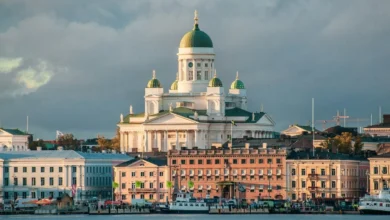
The month of July 2026 proved to be a period of significant logistical intensity for international travel, characterized by a rapid succession of engagements across Europe. From the historic streets of Prague to the rural lavender fields of the Provence region in France and the coastal landscapes of Ireland, the month underscored the complexities of balancing professional commitments with personal travel. This surge in activity has prompted a broader reevaluation of travel frequency and the long-term sustainability of such an demanding itinerary.

Chronology of Events: A Rapid Itinerary
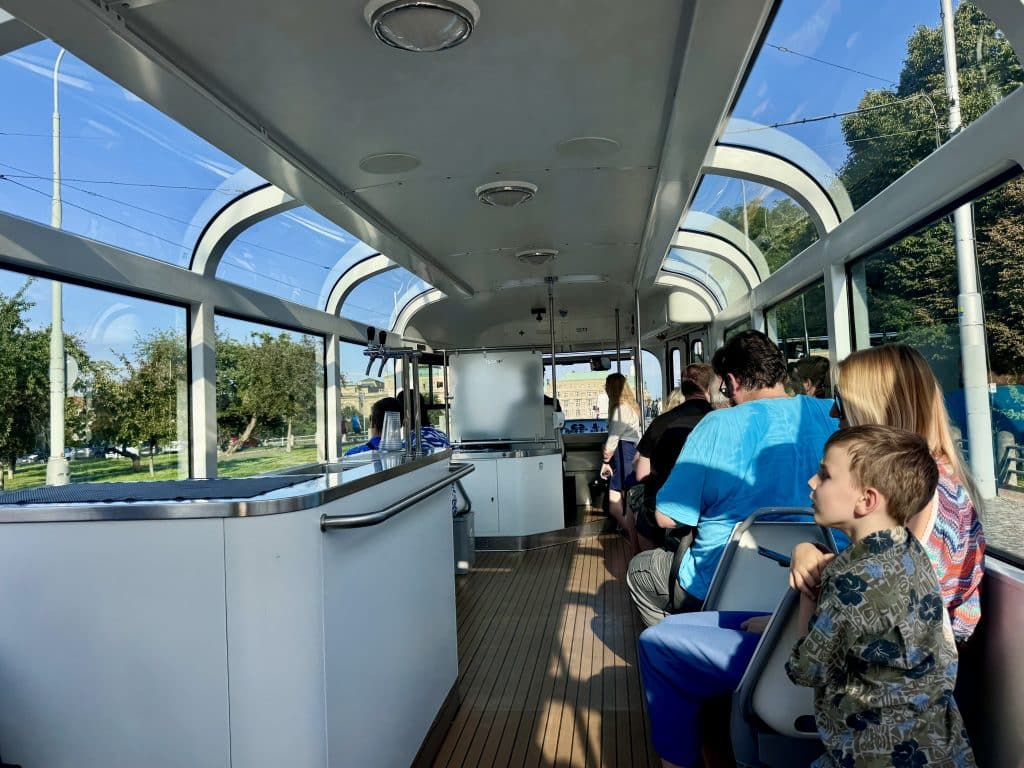
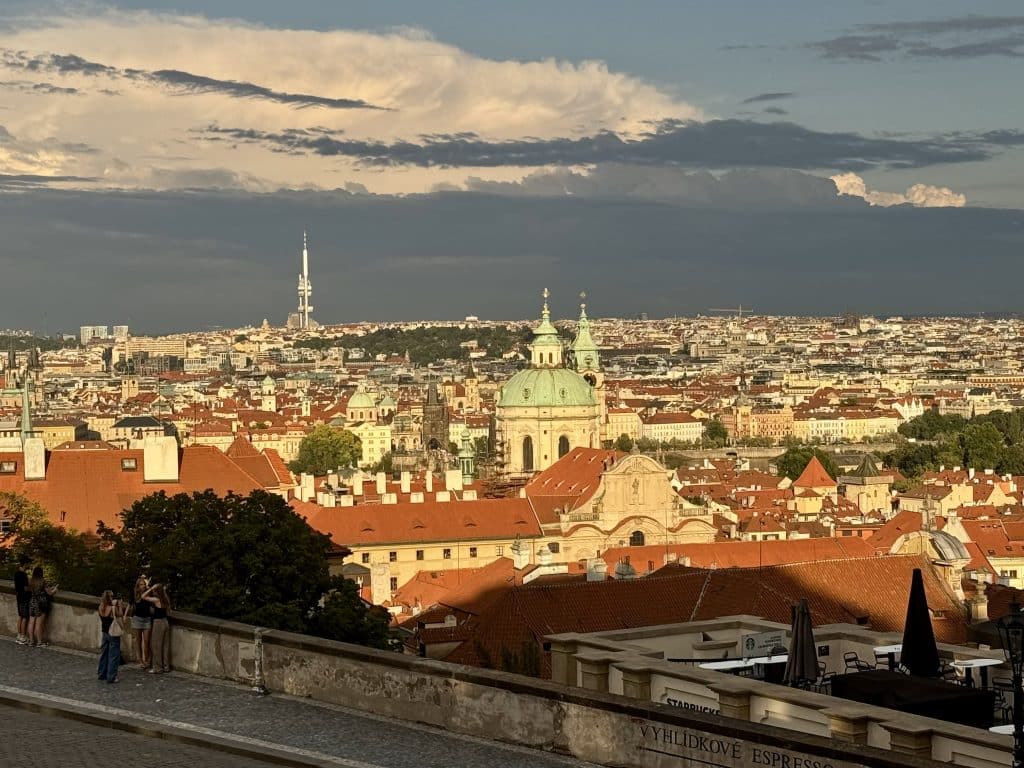
The month commenced with a series of engagements in Central and Western Europe, beginning with a brief period in Prague. The city served as a hub for various cultural and social activities, including attendance at a high-profile concert performance and participation in local civic events, such as the public operation of the T3 Coupé heritage tram.

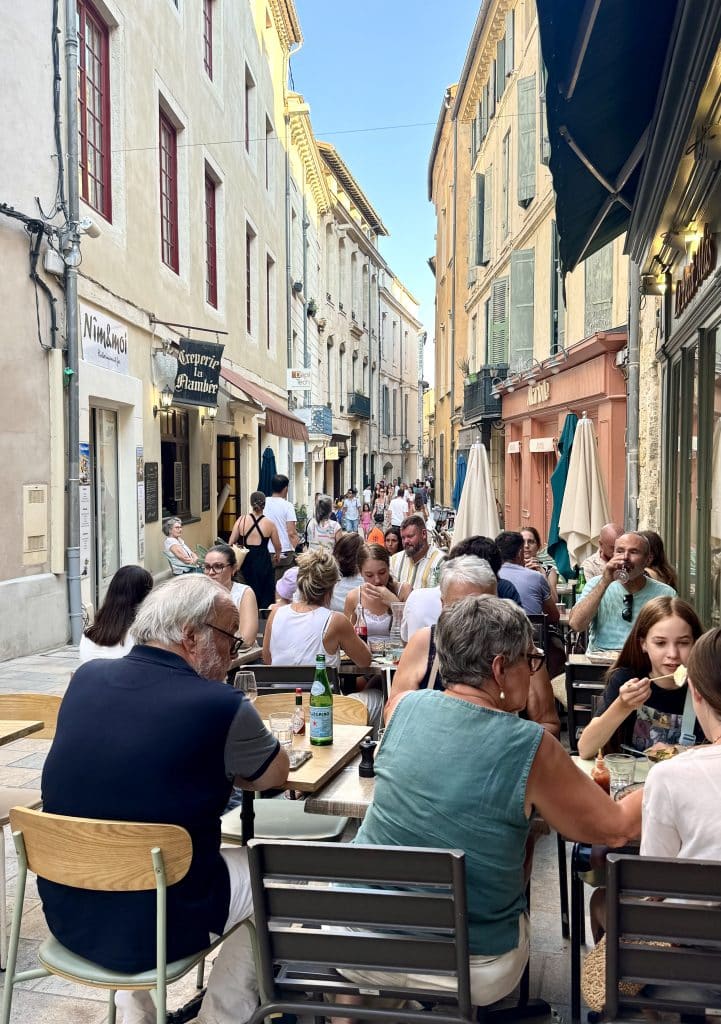
Following the initial period in the Czech Republic, the itinerary shifted to the Provence region of France to attend a multi-day wedding celebration. This trip involved a comprehensive road tour, covering locations such as the Gorges du Verdon, the Mediterranean coastline near La Ciotat and Saint-Cyr-sur-Mer, and the city of Arles, known for its significant historical associations with post-impressionist painter Vincent van Gogh. The trip concluded in the city of Nîmes, where regional tourism initiatives, including summer evening music programs, were noted for their positive impact on local economic vitality.
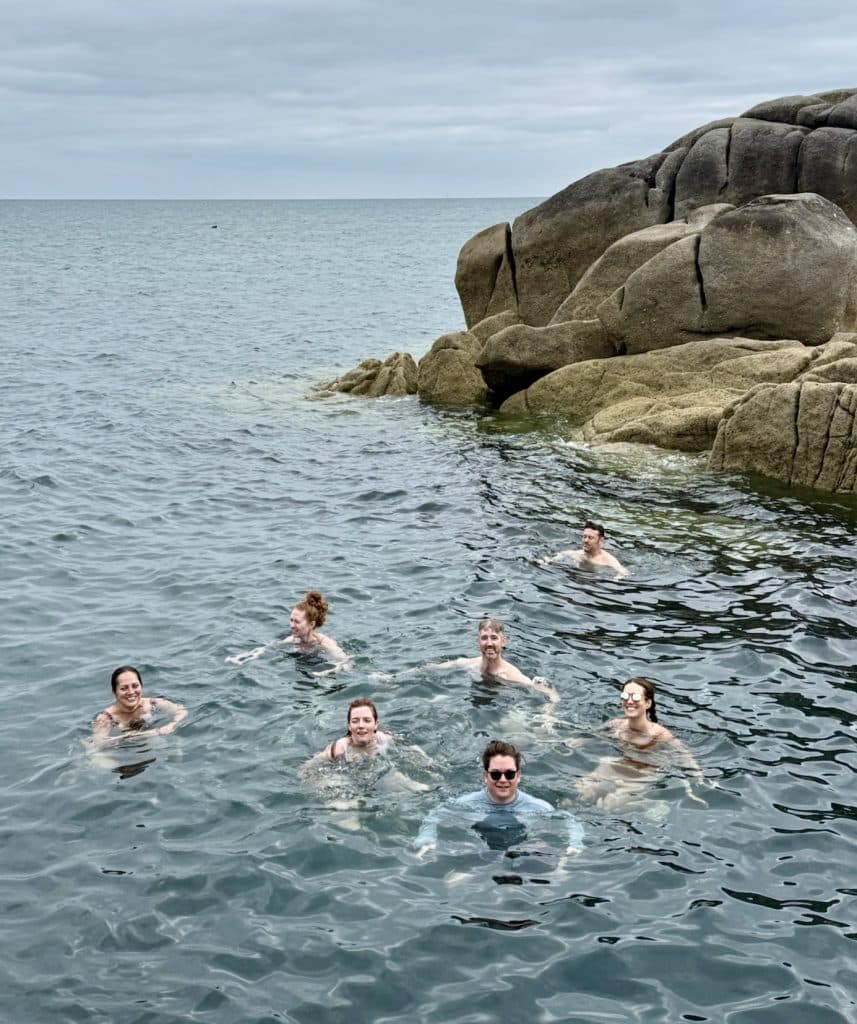
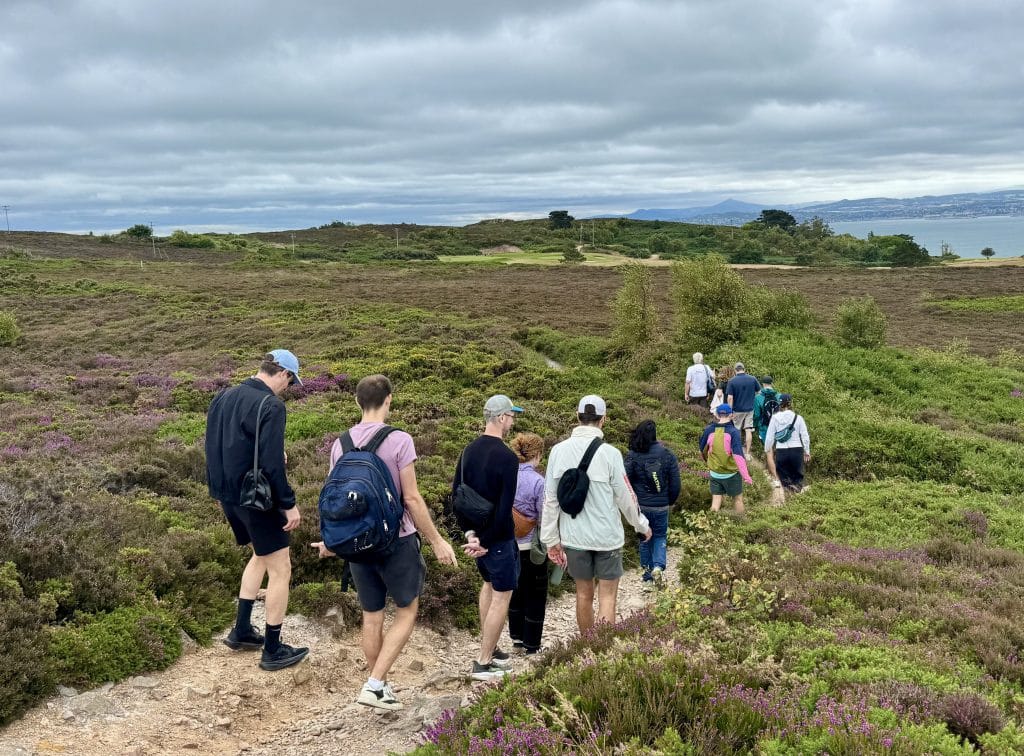
Mid-month activities transitioned to Dublin, Ireland, to observe a private family event. During this period, focus shifted to peripheral urban areas, specifically the coastal village of Howth and the Sandy Cove seaside district, known for the "Forty Foot" bathing site. The month concluded with a departure to the Campania region of Italy, specifically Naples and the island of Ischia, marking the transition into early August.

Supporting Data and Regional Observations
The logistical challenges encountered during this period highlight the necessity of infrastructure planning for international travelers. For instance, the demand for seasonal transport in the Provence region remains high, often exceeding the capacity of local accommodations during peak heatwaves, where temperatures frequently reached or exceeded 38 degrees Celsius (100 degrees Fahrenheit).
In terms of urban infrastructure, the utility of public transportation systems remains a key factor in regional tourism success. The T3 Coupé tram in Prague, which can be chartered for approximately 7,700 CZK (roughly $367 USD), represents a specialized sector of the transport market that serves both residents and visitors. Similarly, the efficacy of the Guinness Storehouse and the Teeling Distillery in Dublin underscores the role of industrial heritage in shaping the tourism profile of major European cities.
Cultural and Social Implications
The trend of "event-driven travel"—where individuals coordinate trips around specific milestones such as weddings, birthdays, or large-scale concerts—continues to influence travel patterns in 2026. The participation in a large-scale concert event in Prague, which drew a demographic characterized by thematic costuming, reflects the evolving nature of fan engagement in the post-pandemic era.
Furthermore, the observation of gender dynamics in media, such as the Netflix series Outlast: The Jungle, mirrors contemporary sociological discussions regarding group cooperation and leadership. These observations suggest that international travelers are increasingly seeking content that aligns with, or challenges, their own social perspectives, turning travel into a form of continuous education.
Analysis of Professional Burnout in the Travel Industry
The rapid pace of the July itinerary has necessitated a critical analysis of travel-related fatigue. For professionals whose work involves frequent movement, the lack of a stable routine—often referred to as "discombobulation"—can lead to a decline in productivity and mental well-being. Data from travel industry experts suggests that individuals who maintain a high frequency of transit are prone to "travel burnout," a condition characterized by physical exhaustion and the degradation of the psychological benefits typically associated with tourism.

The strategy for mitigating this phenomenon appears to be a shift toward "slow travel." This involves limiting transit frequency to one shorter and one longer trip per fiscal quarter. By reducing the number of destination changes, travelers may be able to maintain better physiological health and a more consistent work-life balance.
Upcoming Strategic Outlook
As the calendar moves into late 2026, the focus for the remainder of the third quarter shifts toward a sustained, month-long expedition to Southern Africa. This trip, scheduled for September, includes a transition from urban centers like Cape Town to the wilderness areas of Botswana and Zimbabwe.
This journey serves as a significant milestone, with Botswana slated to become the 100th country visited, followed by Zambia and Zimbabwe as the 101st and 102nd. The itinerary includes:
- A one-week residence in Cape Town, South Africa, focusing on the wine regions of Constantia and Franschhoek.
- A participation in a group-based safari tour covering the Chobe River and Hwange National Park, with a specific focus on wildlife conservation and observation.
- An educational component involving visits to sites of historical and environmental importance, such as Robben Island and the Zambezi River.
Following the completion of these African expeditions, the travel schedule will undergo a mandatory reduction. Planned engagements are now restricted to a conference in Hamburg in mid-October and a customary year-end visit to London and Boston. This pivot represents a deliberate effort to align professional obligations with personal wellness, signaling a shift away from the high-velocity travel that defined the first half of the year.
The Role of Digital Literacy in Modern Travel
The evolution of travel also relies heavily on digital integration. The increasing reliance on eSIM technology, as highlighted by emerging market standards for 2026, allows for seamless connectivity across international borders, reducing the friction previously associated with telecommunications in foreign territories. Furthermore, the reliance on digital libraries and Kindle Unlimited subscriptions demonstrates how the portability of information has replaced the physical burden of traditional media, allowing for a more streamlined experience during long-haul transit.
In summary, while July 2026 was a period of high productivity and exploration, it served as a catalyst for a necessary adjustment in travel philosophy. The future approach will prioritize quality of experience over the quantity of destinations, ensuring that the act of travel remains a sustainable and enriching endeavor rather than a source of chronic fatigue. As the industry continues to evolve, these lessons in pacing and strategic planning will likely become a benchmark for others in the professional travel sector.