Elevating the Skyline: The Evolution and Luxury Experience of the London Eye Afternoon Tea

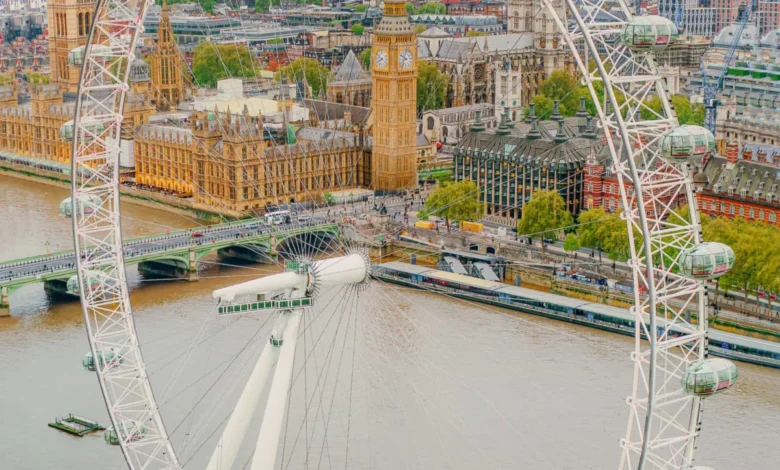
The London Eye has stood as one of the United Kingdom’s most recognizable architectural landmarks since its public opening in March 2000. Originally conceived by architects Julia Barfield and David Marks of Marks Barfield Architects to mark the turn of the millennium, the structure has transitioned from a temporary celebratory installation into a permanent fixture of the capital’s South Bank. While millions of visitors annually utilize the attraction for panoramic views of the city, the operator, Merlin Entertainments, has progressively expanded its service offerings to include premium hospitality packages, most notably the curated London Eye Afternoon Tea experience.

Architectural Significance and Operational History
The London Eye, officially known as the Millennium Wheel, stands at a height of 135 meters. At the time of its completion, it was the tallest cantilevered observation wheel in the world. Its structural design, which features 32 high-tech glass passenger capsules, was a marvel of 20th-century engineering. Each capsule represents one of the 32 London boroughs, rotating at a speed of 0.6 miles per hour. This slow rotation allows for a full 30-minute revolution, providing visitors with a controlled, stable environment from which to observe the urban sprawl.
Over the past two decades, the attraction has become a vital component of London’s tourism infrastructure. Beyond its function as an observation deck, it serves as a central hub for civic events and commercial partnerships. The introduction of the Afternoon Tea service represents a strategic pivot for the attraction, moving from a high-volume transit model to a diversified experience economy that caters to visitors seeking bespoke luxury.

The Mechanics of the Afternoon Tea Experience
The London Eye Afternoon Tea is a specialized service that separates itself from standard sightseeing by integrating traditional British culinary practices with the structural capabilities of the observation pods. Unlike standard bookings, these sessions are restricted to small groups—typically limited to eight passengers per pod—to maintain an intimate atmosphere.
Logistically, the service requires precision. Because the wheel does not halt its rotation for passenger boarding, the VIP concierge service manages the transition from the private lounge to the boarding platform with strict timing requirements. Guests are generally required to arrive at the site 30 minutes before their scheduled slot to facilitate the pre-boarding process. Once the capsule doors are sealed, the service is designed to span two full rotations, effectively doubling the standard ride time to approximately one hour. This extended duration is necessary to accommodate the full service of tea, coffee, finger sandwiches, and traditional pastries.

Culinary Standards and Dietary Inclusivity
The Afternoon Tea menu provided within the capsules is modeled after traditional high-end London hotel standards. The menu includes a selection of finger sandwiches, freshly baked scones served with clotted cream and strawberry jam, and an assortment of cakes and pastries.
Merlin Entertainments has adjusted its operational policies to include diverse dietary requirements, offering both vegetarian and vegan alternatives. This move is consistent with industry standards in the hospitality sector, which has seen a marked increase in demand for inclusive menu options. The incorporation of optional champagne service serves as a revenue-generating premium add-on, reflecting a broader trend in the UK tourism market to maximize spend-per-head through experiential upsells.

Economic Impact and Market Positioning
From an economic perspective, the Afternoon Tea package is a high-margin product that differentiates the London Eye from other observation decks, such as The Shard or the Sky Garden. By bundling the attraction ticket with a dining experience, the operator captures a higher price point per visitor.
Pricing for the experience typically begins at approximately £75 per person, though this figure is subject to seasonal fluctuations and promotional adjustments. The use of promotional codes, such as the widely circulated ‘TEAWEEK26’ campaign, indicates a data-driven approach to pricing, allowing the operator to manage demand during off-peak periods while maintaining exclusivity during peak tourist seasons.

Industry analysts suggest that this strategy effectively insulates the attraction from the volatility of general admission ticket sales. By targeting the "experience-seeker" demographic, the operator ensures a steady stream of revenue that is less sensitive to price competition than standard sightseeing tickets.
Safety, Logistics, and Visitor Management
Operating a food and beverage service inside a glass pod 135 meters in the air presents unique safety and logistical challenges. The weight distribution within the pods must be carefully managed to ensure the balance of the wheel is not compromised. Furthermore, the handling of hot liquids and food items in a moving, high-altitude environment requires specialized service staff who are trained in both hospitality and safety protocols.

The "VIP concierge" element of the experience serves to mitigate the common frustrations of tourist attractions, such as queuing and crowd density. By providing access to a private lounge, the operator creates a controlled environment that enhances the perception of value. This "queue-jump" capability is a standard, albeit effective, tool in the luxury tourism sector, effectively justifying the price premium for guests who prioritize convenience and comfort.
Geographical Sightlines and Urban Context
The primary value proposition of the London Eye remains its vantage point. During the one-hour duration of the afternoon tea, passengers are granted an unobstructed view of major historical and modern landmarks. On a clear day, the line of sight extends well beyond Central London.

Key landmarks visible during the rotation include:
- The Palace of Westminster: Providing a direct view of the seat of UK government.
- Buckingham Palace: The primary residence of the British monarch.
- St. Paul’s Cathedral: A cornerstone of London’s skyline, showcasing the work of Christopher Wren.
- Canary Wharf: Highlighting the city’s role as a global financial center.
- Wembley Stadium: Visible on the horizon, illustrating the scale of the greater London area.
The timing of the tea service often coincides with sunset, a period of peak interest for visitors. Observing the transition from daylight to the city’s illuminated evening state is a significant factor in the popularity of the later afternoon booking slots.

Future Implications for Urban Tourism
The success of the London Eye’s specialized packages points to a shift in how major landmarks are managed. There is an increasing expectation from international tourists for "curated experiences" rather than passive observation. As cities worldwide continue to compete for tourism revenue, the ability to transform a landmark into a venue for private events, dining, and luxury experiences is becoming a standard benchmark for success.
The integration of such services also allows for better crowd management. By segregating guests into small, scheduled pods, the operator can better regulate the flow of people through the site, reducing the pressure on common areas and public facilities.

Conclusion
The London Eye has evolved from a controversial millennium project into a cornerstone of the London visitor economy. The Afternoon Tea service is a testament to the site’s ability to adapt to changing consumer demands. By successfully blending historical sightseeing with the high-end hospitality sector, the attraction has created a sustainable model that remains relevant despite the emergence of new, competing viewpoints across the city. As the industry continues to recover and expand, such premium offerings will likely remain a significant part of the strategy to attract both first-time visitors and those seeking a return, more luxurious, experience of the capital.