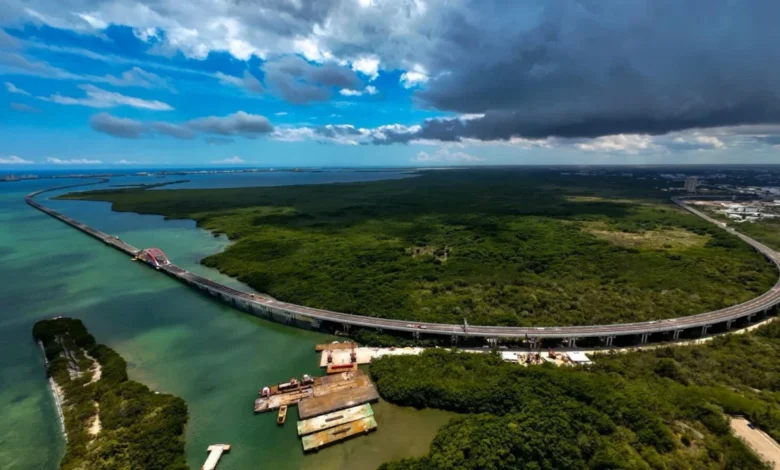
The recently completed Nichupté Bridge represents a milestone in the ongoing modernization of the Mexican Caribbean’s transportation infrastructure, fundamentally altering the logistics of transit between mainland Cancún and its world-renowned Hotel Zone. By providing a direct, elevated connection across the Nichupté Lagoon, the project addresses chronic traffic congestion that has historically plagued the Boulevard Kukulcán corridor, thereby streamlining the arrival experience for millions of international visitors. This infrastructure development aligns with a broader regional strategy to enhance the fluidity of travel, ensuring that the destination remains competitive as a global tourism leader.
Chronology of the Project and Strategic Development
The conceptualization of the Nichupté Bridge emerged as a necessity driven by the explosive growth of the Mexican Caribbean over the last two decades. As Cancún transitioned from a purpose-built resort area to a sprawling metropolitan hub, the reliance on a single primary artery for access to the Hotel Zone became a critical bottleneck. Planners recognized that during peak travel seasons, the existing infrastructure was incapable of handling the volume of airport transfers, local workforce commutes, and tourist logistics.
Formal planning for the bridge gained momentum in the early 2020s, with environmental assessments and engineering feasibility studies conducted to ensure minimal impact on the fragile ecosystem of the Nichupté Lagoon, a protected natural area. Construction, which spanned several years, was characterized by complex engineering requirements, including deep-water pylon installation and the construction of a multi-lane, elevated thoroughfare designed to withstand the region’s specific climatic conditions.
The project reached its conclusion in the first half of 2026, coinciding with major industry events that have spotlighted the Mexican Caribbean’s commitment to sustainable and efficient tourism growth. The unveiling of the bridge served as a centerpiece during the EDGE 2026 conference in San Diego, where officials from the Mexican Caribbean Tourism Board leveraged the completion to signal a new era of logistical efficiency. The subsequent announcement that the 2027 edition of the EDGE conference will be hosted in the Cancún–Riviera Maya region further cements the area’s status as a hub for both high-level tourism management and infrastructure innovation.
Economic and Logistical Implications
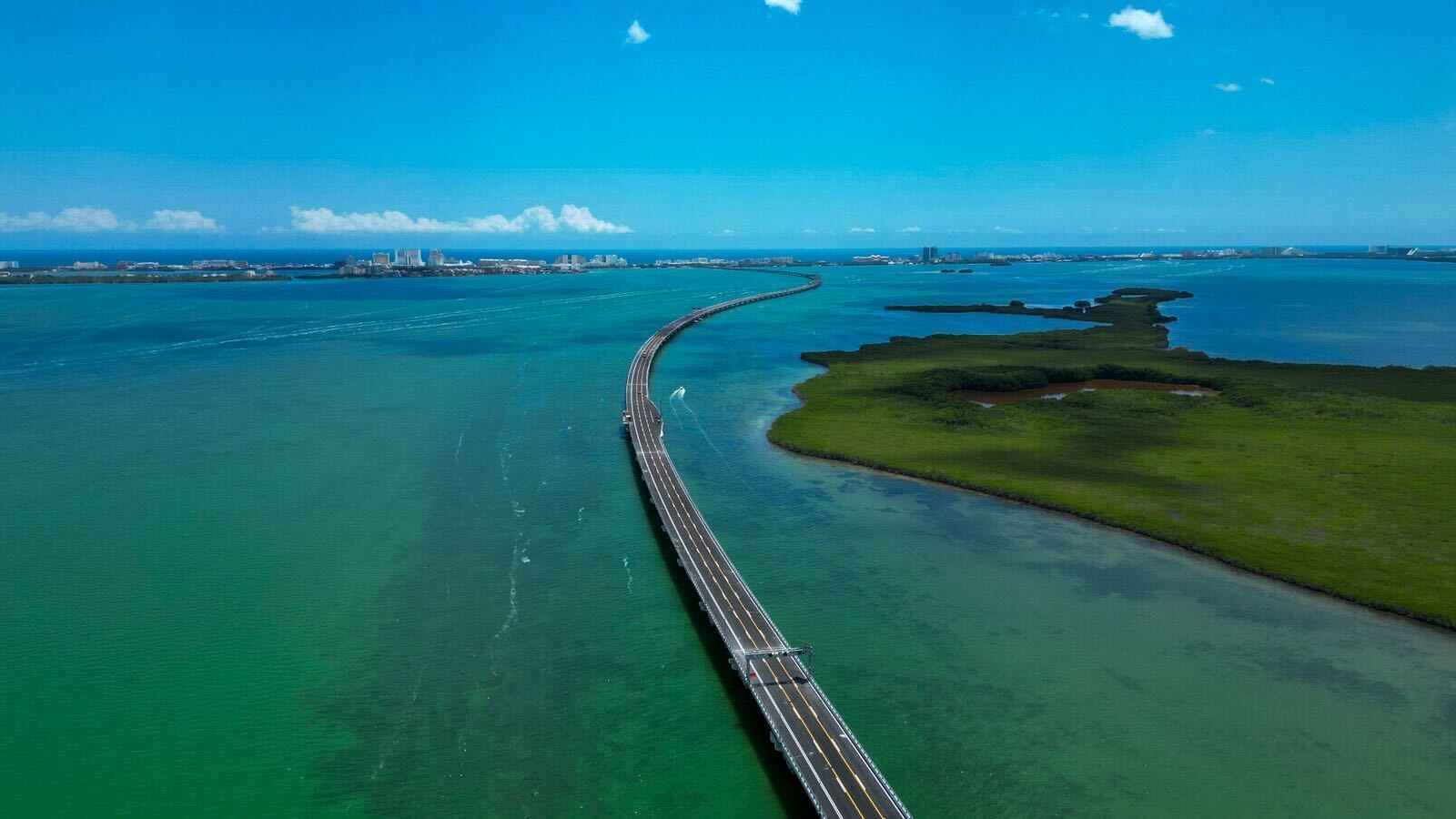
The primary objective of the Nichupté Bridge is the reduction of "logistical friction"—a term used by tourism experts to describe the time and frustration travelers face when navigating between points of entry and their final destinations. For the average traveler, the bridge effectively creates a bypass that separates local city traffic from the flow of airport-bound tourists.
Data regarding traffic flow in the region indicates that during peak hours, transit times along the traditional Kukulcán route could extend well beyond an hour for a distance of only a few kilometers. By alleviating this pressure, the new bridge is projected to reduce transfer times by as much as 40 to 50 percent during peak travel days. Beyond the immediate convenience for tourists, the bridge serves as a vital tool for local businesses. It allows for more reliable supply chain movements into the Hotel Zone and facilitates easier access for the thousands of hospitality workers who commute from the city center to the resorts on a daily basis.
From an economic perspective, the project is a testament to the region’s shift toward "intelligent infrastructure." While initial investments in tourism often focus on the physical development of resorts—such as room counts and water-based amenities—the current phase of regional development prioritizes the experience of the traveler in transit. This shift is essential for maintaining high guest satisfaction scores, as modern travelers increasingly cite ease of movement and time-efficiency as core components of their overall travel experience.
Official Perspectives and Regional Vision
The Mexican Caribbean Tourism Board, under the leadership of CEO Andrés Martínez Reynoso, has characterized the bridge as a "transformational project" that addresses the evolving needs of modern tourism. Official statements suggest that the bridge is not merely a transport link but a symbol of the region’s maturity as a global destination. By investing in permanent, long-term assets, the state of Quintana Roo is signaling to international investors and tourism partners that it is committed to maintaining the long-term viability of the Mexican Caribbean.
Industry analysts suggest that the project reflects a shift in how the region handles growth. Rather than continuing to expand outward with minimal support, the focus has moved to "internal consolidation." This involves upgrading the existing footprint to be more sustainable and responsive to population growth. The bridge is part of a larger, multi-faceted strategy that includes the expansion of airport terminal capacity and the integration of regional rail systems, all designed to create a seamless network of travel across the Yucatan Peninsula.
Broader Impact on the Mexican Caribbean Landscape
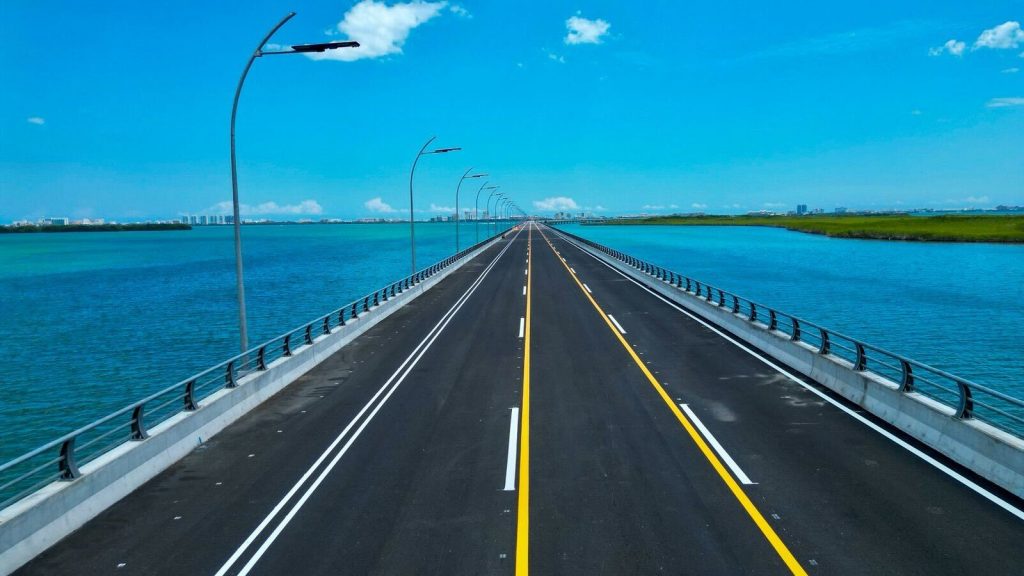
The significance of the Nichupté Bridge extends beyond the borders of Cancún. It serves as a blueprint for other destinations in the region, including Playa del Carmen and Tulum, which are facing similar challenges regarding infrastructure capacity. As these areas continue to experience record-breaking tourist arrivals, the lessons learned from the design and implementation of the Nichupté project—particularly regarding public-private partnership models and environmental mitigation strategies—will likely influence future developments.
The bridge also encourages the integration of "city-resort" dynamics. Previously, travelers often felt "sequestered" in the Hotel Zone due to the difficulty of navigating in and out of the area. With improved connectivity, there is a renewed potential for travelers to explore downtown Cancún, patronize local restaurants, and participate in cultural experiences outside of the resort walls. This diversification of the tourist experience is a primary goal for regional tourism boards, which seek to distribute the economic benefits of tourism more equitably across the local population.
Furthermore, the environmental considerations integrated into the construction process set a standard for future coastal infrastructure. The bridge’s design includes advanced drainage and filtration systems to protect the quality of the lagoon water, demonstrating that large-scale development can coexist with ecological preservation. This approach is critical for the long-term health of the region, as the natural beauty of the Caribbean coastline remains the primary driver of its economy.
Conclusion: The Future of Transit in the Region
As the Mexican Caribbean looks toward 2027 and beyond, the Nichupté Bridge stands as a physical manifestation of the region’s commitment to enhancing the visitor experience. It addresses the fundamental need for speed and simplicity in an age where travelers prioritize convenience above all else. By reducing the time spent in transit, the bridge not only adds value to the traveler’s itinerary but also improves the daily lives of the residents who call the region home.
The success of this project will be measured by its ability to maintain its efficiency as tourism numbers continue to climb. If the bridge successfully mitigates the congestion issues of the past, it will provide the regional government with the political and financial capital to pursue further infrastructure improvements. In a competitive global market where convenience is the new currency of the hospitality industry, the Nichupté Bridge serves as a vital upgrade, ensuring that the Mexican Caribbean remains at the forefront of global travel destinations. As the region prepares to host the international tourism community for the 2027 EDGE conference, the bridge will undoubtedly serve as a primary case study in how to effectively bridge the gap between rapid development and long-term, sustainable growth.