The Ultimate Backpacking Europe Packing List: How to Travel Light, Smart, and Efficiently

Packing for a multi-week or multi-month journey across Europe remains one of the most daunting tasks for novice and veteran travelers alike. Industry data from European transit authorities indicates that overpacking is the single most common logistical error made by international tourists, frequently resulting in exorbitant baggage fees, physical strain, and increased vulnerability to petty theft. To address these recurring challenges, travel experts and long-term expedition leaders have compiled a comprehensive framework designed to streamline the packing process, emphasize ultra-light travel principles, and optimize mobility across diverse European landscapes.
The Core Philosophy of Ultralight European Travel
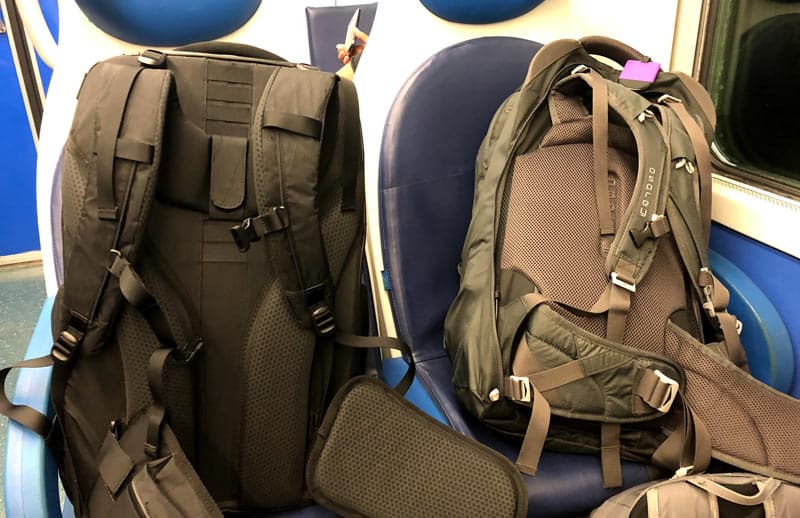
The primary objective of an efficient European packing strategy is maintaining total bag weight between 20 and 22 pounds (approximately 9 to 10 kilograms), including the weight of the backpack itself. This threshold is critical for budget-conscious travelers utilizing European low-cost carriers such as Ryanair, EasyJet, or Wizz Air, where strict carry-on weight limits are routinely enforced. Exceeding this 22-pound limit often triggers steep gate-check penalties that can quickly inflate a traveler’s daily budget.

Beyond airline compliance, physical ergonomics dictate a lightweight approach. Navigating cobblestone streets in historic cities like Rome, negotiating multi-level staircases in older European rail stations, and walking extensive distances to hostels become exponentially more punishing when hauling excessive weight. Furthermore, security analysts note that heavily laden tourists carrying oversized luggage are statistically more identifiable as targets for pickpockets and scammers, as cumbersome bags distract from situational awareness.
Streamlining Wardrobe and Textiles
Clothing historically accounts for the vast majority of a traveler’s luggage weight. A fundamental paradigm shift required for successful backpacking is realizing that the clothing volume required for a two-week trip is virtually identical to that needed for a two-month excursion. European infrastructure offers ubiquitous access to laundromats, washing facilities, and laundry services, eliminating the need to pack redundant outfits.
Travel Socks and Underwear
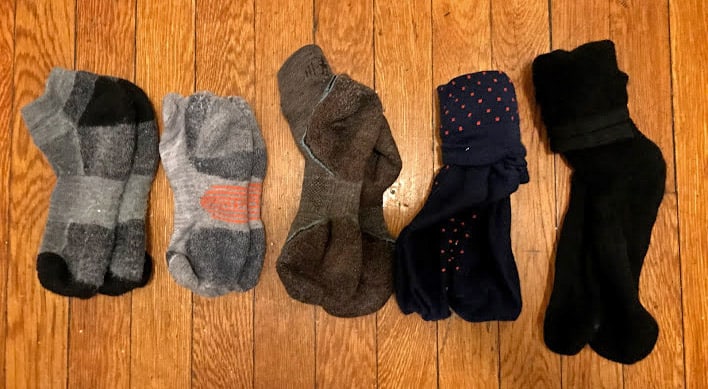
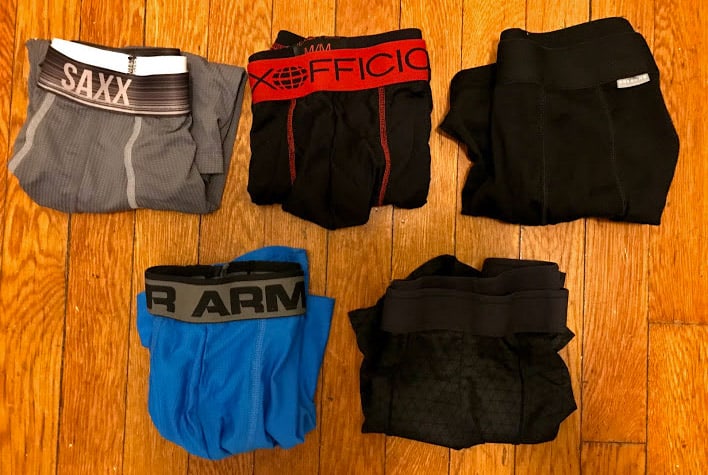
Experienced backpackers emphasize the importance of investing in high-performance technical fabrics rather than standard cotton. Merino wool and advanced synthetic blends are widely recommended for socks and base layers. Merino wool, in particular, possesses natural thermo-regulating properties that keep feet cool in summer and warm in winter, alongside inherent antimicrobial characteristics that resist odor accumulation over multiple days of wear.
Travelers typically pack between five to eight pairs of premium socks and five to nine pairs of quick-drying, breathable synthetic underwear. This quantity ensures a fresh rotation while accommodating intermittent laundering schedules. Industry consensus advises against cotton undergarments, as they retain moisture, dry slowly, and significantly increase the risk of chafing and blisters during long days of urban exploration.

Outerwear, Pants, and Layering
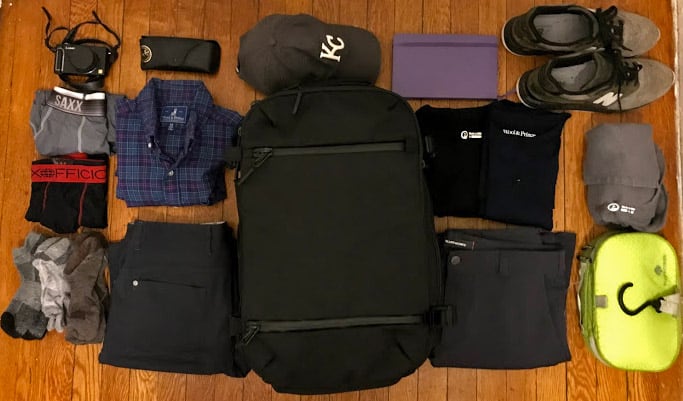
Versatility governs effective apparel selection. Packing lists should prioritize neutral color palettes and modular layering systems. Standard recommendations include:
- Two pairs of pants, typically consisting of one pair of dark, durable denim and one pair of lightweight, neutral-colored chinos or technical travel trousers.
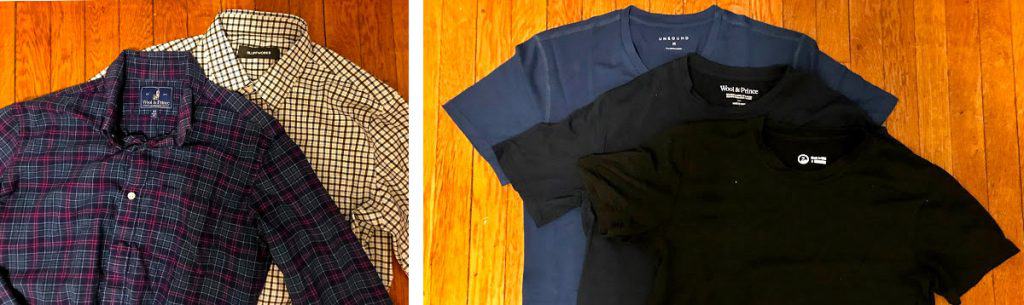
- Three to four casual shirts or t-shirts made from cotton or merino blends.
- Two long-sleeve button-up shirts that offer adaptability for varying weather conditions and dress codes.
- One lightweight sweater or fleece for cooler evenings.
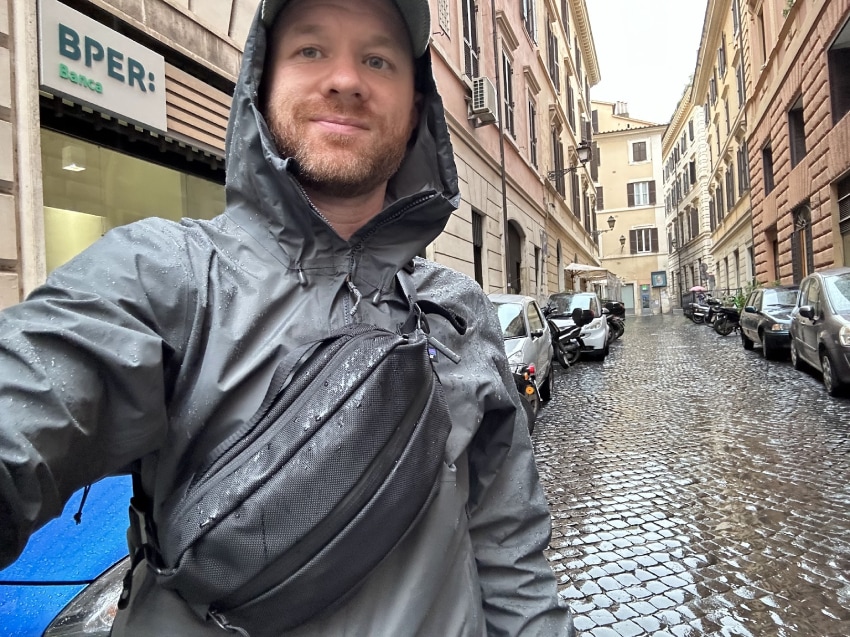
- A packable, waterproof rain jacket or windbreaker tailored to the specific regional climate and season of travel.
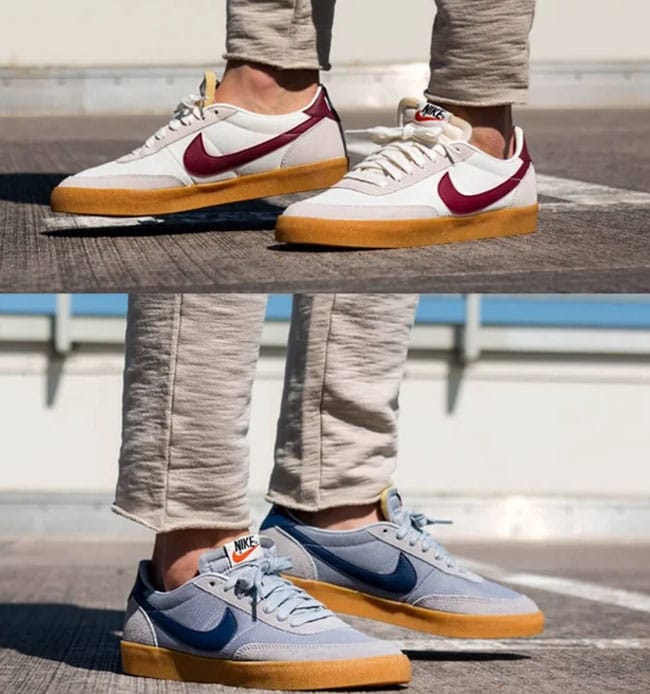
Footwear should be strictly limited to a maximum of two pairs to conserve space and weight: one pair of highly supportive, comfortable walking sneakers (such as cushioned running shoes or lifestyle leather trainers suitable for daily sightseeing and casual evening venues) and a secondary pair of lightweight sandals or flip-flops designated for hostel showers and beach excursions. Traditional heavy hiking boots and formal dress shoes are strongly discouraged unless an itinerary is explicitly dedicated to alpine expeditions.
Essential Travel Gear and Accessories
Modern travel requires a careful balance between utility and minimalism. Incorporating the right organizational tools drastically improves the day-to-day backpacking experience.
Packing Cubes and Luggage Organization
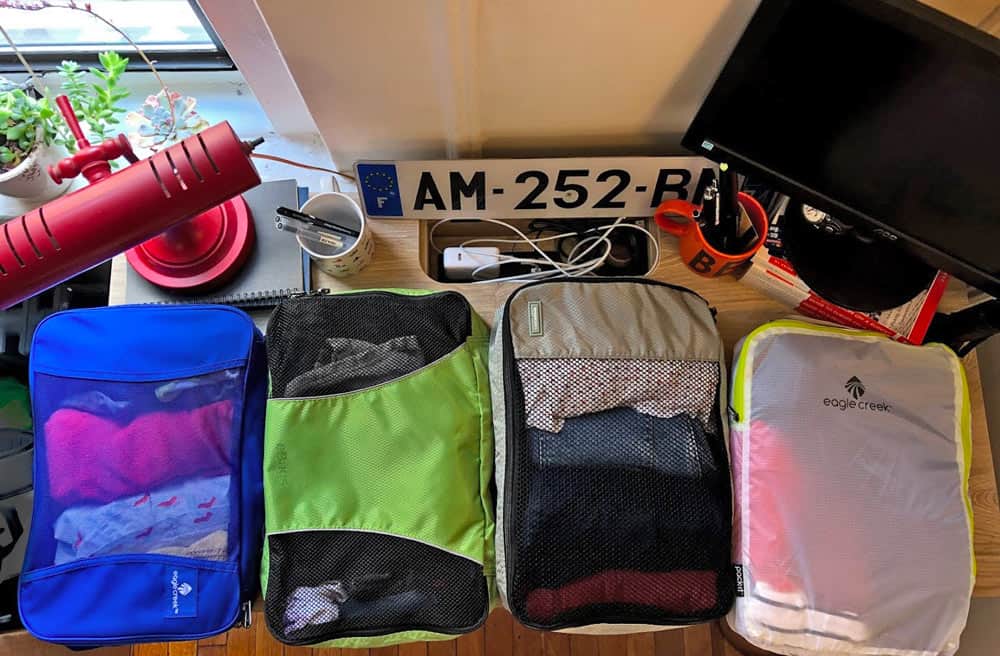
Modular packing cubes have transformed modern travel logistics. By compartmentalizing garments—separating socks, underwear, shirts, and trousers into distinct mesh or solid pouches—travelers can instantly locate specific items without unpacking an entire bag. Additionally, compression-style packing cubes squeeze out excess air, reducing clothing volume and stabilizing the load center within the main backpack.
Electronics and Connectivity
While European electrical grids operate on 230V standards (compared to 120V in North America), modern dual-voltage electronics such as smartphones, tablets, and laptops require only a basic physical plug adapter rather than a heavy voltage converter. Standard Continental European two-prong adapters (Type C) cover the vast majority of destinations, though travelers visiting the United Kingdom or Ireland will require a Type G adapter.
To mitigate connectivity costs, industry experts increasingly recommend digital eSIM (embedded SIM) technology over traditional physical SIM cards or expensive home-carrier international roaming plans. Regional European eSIM data packages provide high-speed local network access at a fraction of standard carrier daily fees, enabling seamless navigation via digital maps, translation software, and transit applications.
Security and Safety Hardware
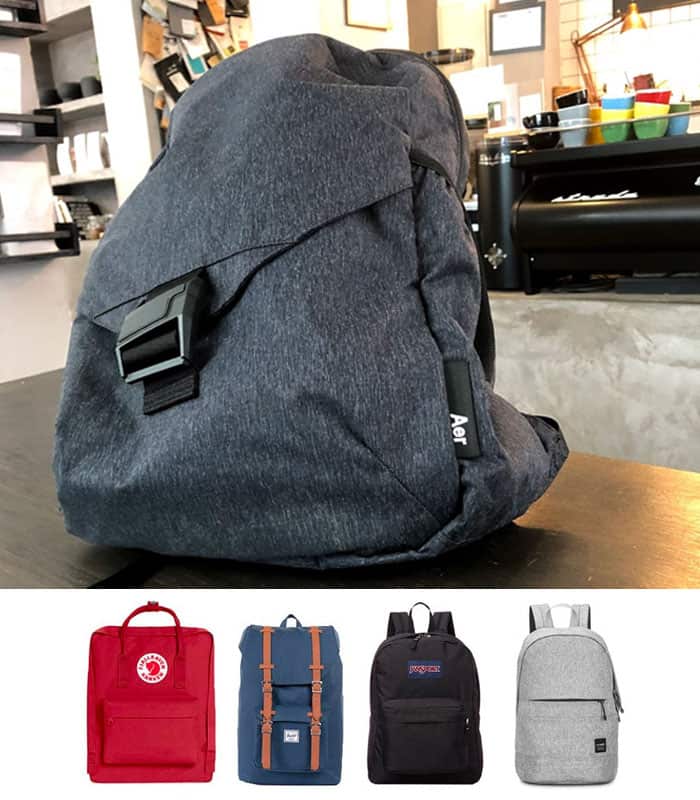
Hostel environments and crowded tourist hubs necessitate baseline security precautions. Essential security gear includes:

- A lightweight combination padlock for securing hostel lockers.
- A retractable cable lock to anchor larger backpacks to bunk frames or train luggage racks during transit.
- Digital and physical photocopies of vital identification documents, including passports, visas, and insurance policies, stored securely in cloud-based repositories.
- Basic health and travel insurance coverage, which industry advocacy groups strongly advise securing prior to departure to cover unexpected medical emergencies, trip interruptions, or stolen equipment.
Economic and Logistical Implications
Adopting an ultralight backpacking methodology yields measurable financial and psychological benefits. By consistently adhering to carry-on dimensions and weight parameters, travelers bypass checked-bag fees entirely, save valuable time upon arrival by skipping baggage claim carousels, and maintain maximum flexibility when utilizing high-speed rail networks, regional buses, and budget airlines.
Ultimately, preparation focused on minimalism ensures that travelers remain mobile, self-sufficient, and capable of responding dynamically to the unpredictable logistics of international transit across Europe.